Bolivia Ran Out of Dollars, Floated Its Currency, and Cut Fuel Subsidies Three Times in Six Weeks
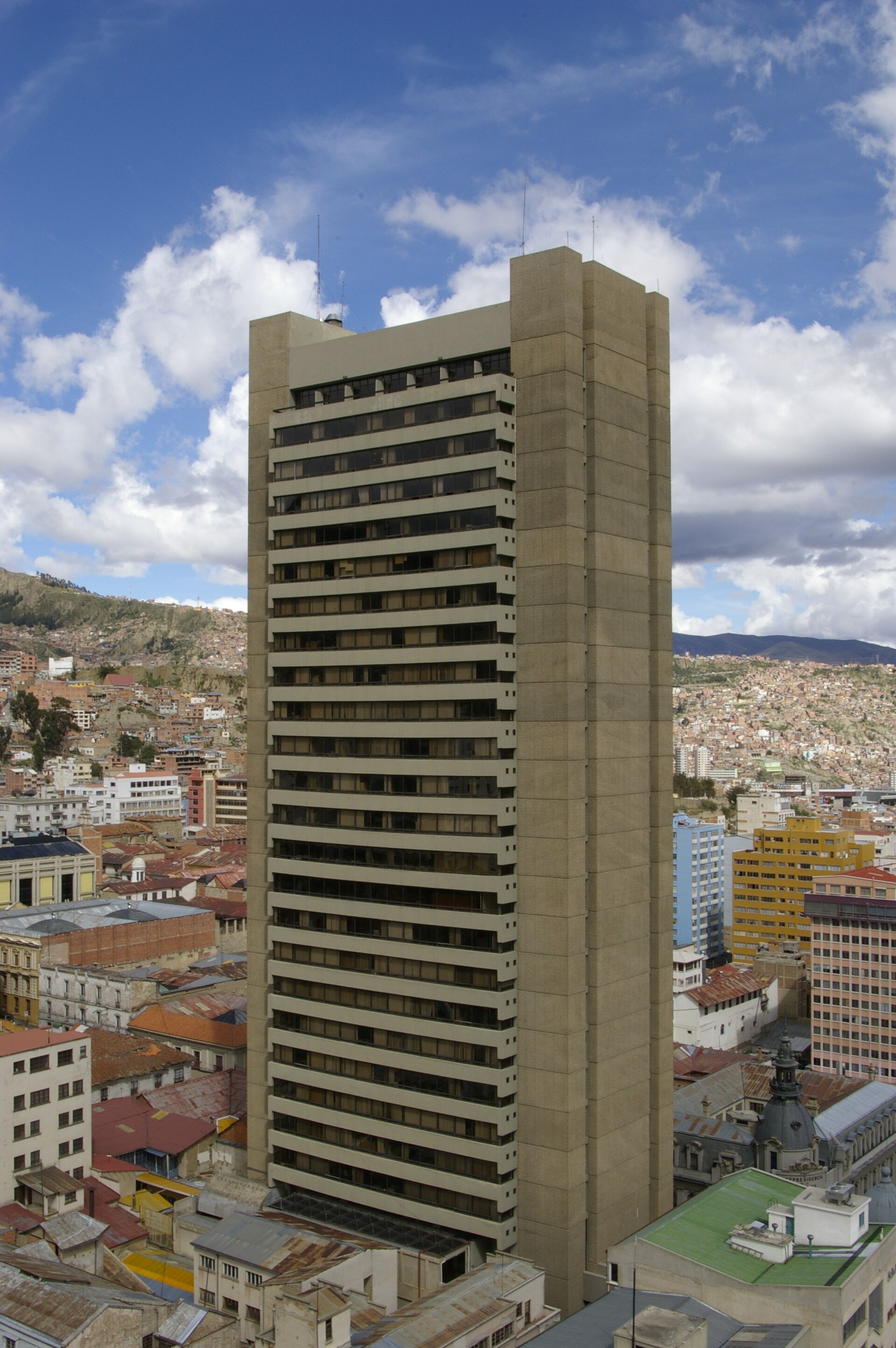
Bolivia's government ran out of dollars, so ordinary Bolivians are now paying the price, at the pump and the market, for a rescue loan the IMF hasn't even approved yet.
What happened?
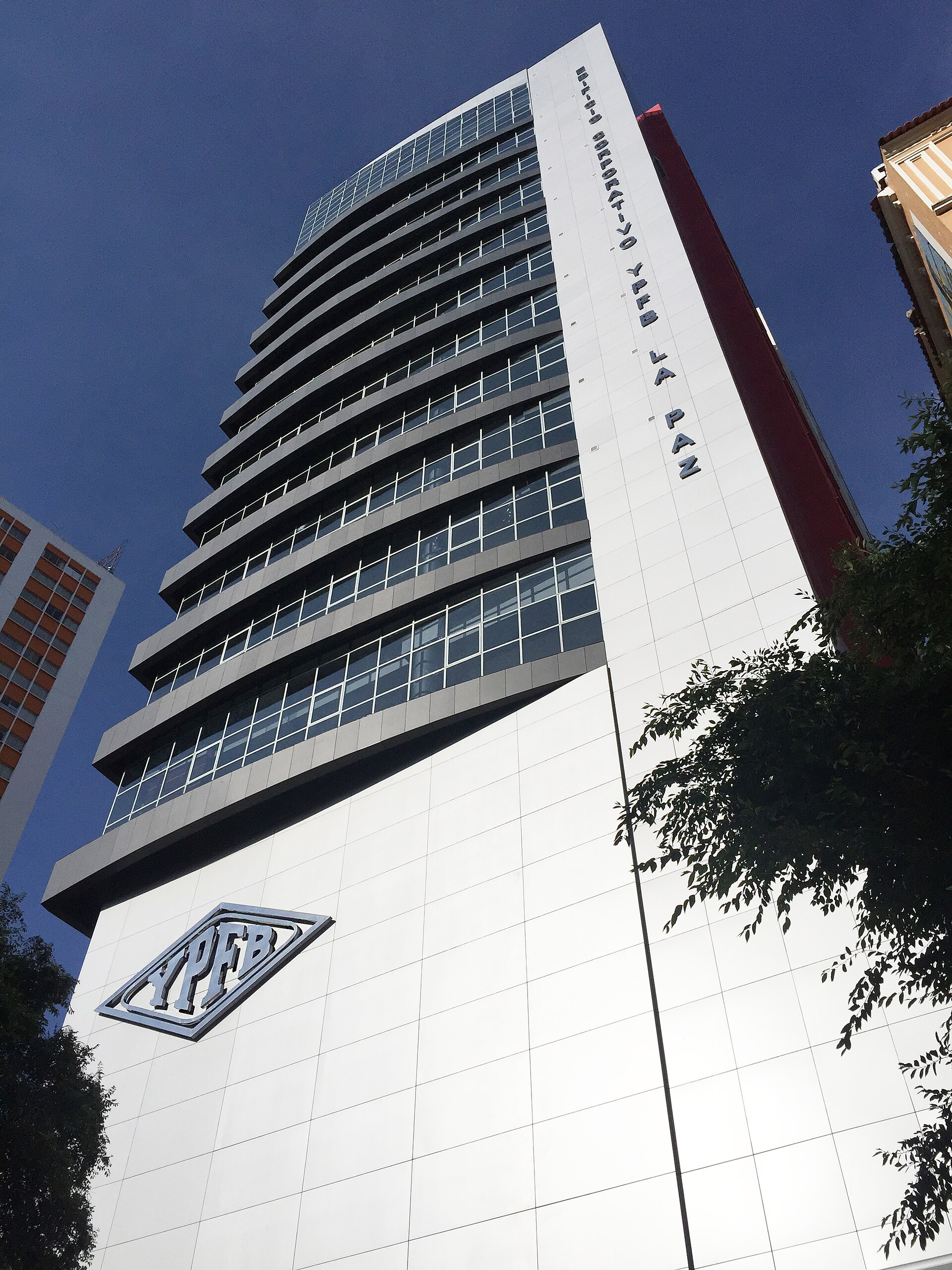
On 26 June 2026, Bolivia's government let its currency, the boliviano, trade freely against the dollar for the first time in 15 years, ending a fixed rate of 6.96 bolivianos per dollar and opening at about 9.73 — a roughly 30% devaluation. On 29 July, Bolivia reached a staff-level agreement with the IMF for a $1.9 billion loan over 36 months. Through August, the government issued a string of decrees raising diesel and petrol prices — the fuel that used to be sold far below cost — sparking road blockades that briefly cut off cities and farms. On 1 September 2026, a further decree placed the state fuel company, YPFB, and the fuel regulator, ANH, under a 180-day government intervention meant to fix how fuel actually reaches the pump.
Why did it happen?
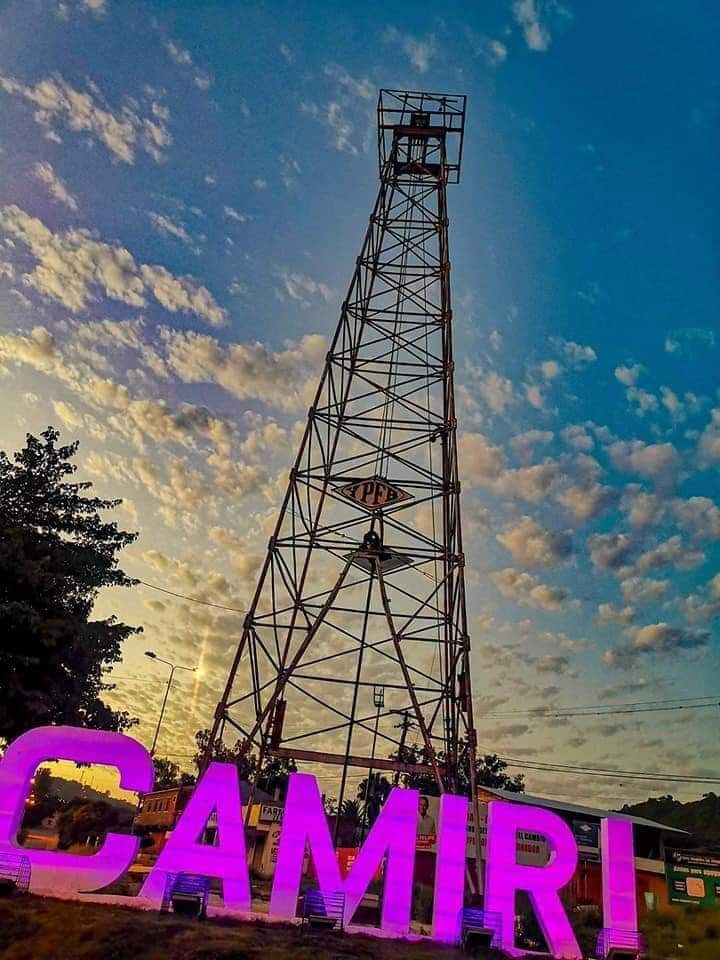
Bolivia's oil and gas fields have been running dry for years — daily oil output has fallen from about 63,000 barrels in 2015 to around 22,000 now, and Argentina, once a major buyer of Bolivian gas, now produces its own. That gutted the dollar income the government used to import fuel and defend the exchange rate. At the same time, keeping diesel and petrol artificially cheap was costing the state close to $3 billion a year it no longer had. Rodrigo Paz, sworn in as president on 8 November 2025 after 20 years of one-party rule, inherited both problems and chose to face them head-on rather than keep borrowing time.
Who benefits?
The government gains fiscal breathing room and a real shot at the IMF's $1.9 billion loan. Private fuel importers and distributors stand to gain as YPFB is pushed toward a smaller, cleaner role instead of running the whole supply chain itself. Registered small farmers get a fuel quota more than 20 times bigger than before. The clearest losers of the OLD system — anyone smuggling subsidized Bolivian fuel across the border to sell at market price elsewhere — lose their margin as prices rise toward real cost. Whether any of this adds up to a genuine recovery for the country as a whole is a separate, unresolved question.
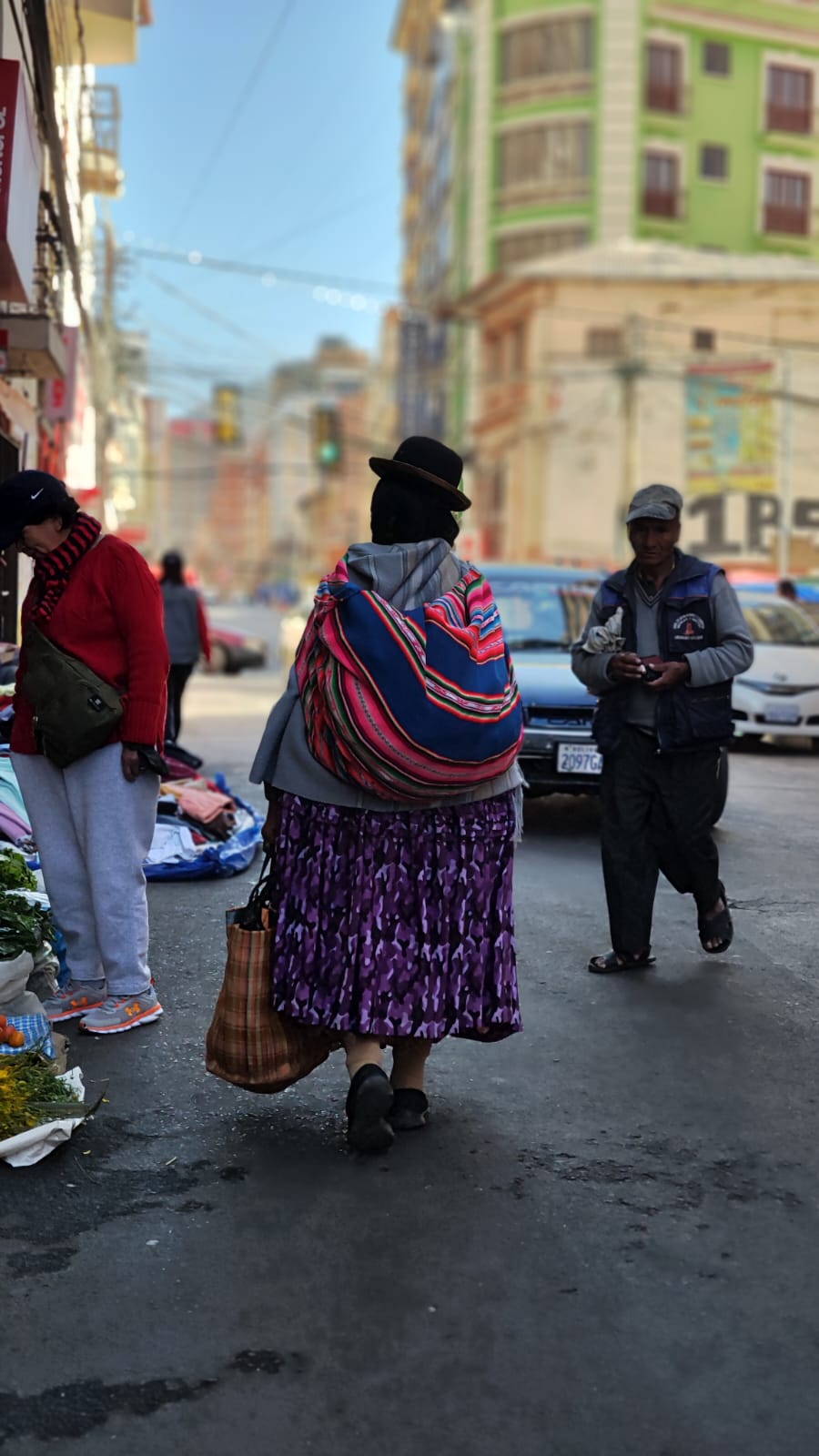
UncertainWho loses?
In the short run, drivers and transporters now pay Bs9.80 a litre for diesel instead of the old subsidized price, and truckers and farmers who blocked roads for weeks paid a direct price too — at least five people were hurt clearing one blockade in Beni on 27 August. Poultry farms cut off by 53 days of blockades couldn't restock in time, and chicken prices spiked, which is why chicken — not fuel directly — ended up driving August's inflation figure. So far, though, the losses are real but contained: Bolivia's INE reported year-on-year inflation of just 5.02% in August 2026, with prices rising six times slower in the first eight months of 2026 than over the same period in 2025.
What happened?
The float began on 26 June 2026 (Rio Times Online, 28 June), moving Bolivia's exchange rate from a peg held since 2011 (6.96 BOB/USD) to an opening market rate of 9.73 BOB/USD — about a 30% devaluation — after the parallel, black-market dollar rate had already run to nearly 20 BOB. The IMF, which had pushed Bolivia to scrap the peg, reached a staff-level agreement on 29 July 2026 for a $1.9 billion program over 36 months (Rio Times Online, 28 August); the deal still needs IMF Executive Board approval and, per the government's own framing, ratification in a Congress where the governing coalition lacks a majority. Two named decrees followed in August: Supreme Decree 5676 (announced 17 August) and Supreme Decree 5683 (27 August), which set new pricing — Bs18/litre (about $1.51) for large industrial buyers and Bs9.80 (about $0.82) for transporters and everyday drivers, with petrol at Bs6.96/litre. Clearing a blockade at the San Pablo bridge in Beni on 27 August left at least five people hurt and several detained. On 1 September, Supreme Decree 5697 placed YPFB and ANH under a five-ministry commission for up to 180 days (extendable by 90); Public Works Minister Mauricio Zamora framed the goal as getting "YPFB exits the chain and private companies bring the fuel," while the registered small-farmer fuel quota was raised from 120 to 2,500 litres a month.
Why did it happen?
The root cause is structural, not a single bad year: Rio Times Online's July reporting traces the crisis to a decade-plus decline in gas fields that were not replaced with new exploration, cutting Bolivia's main dollar-earning export just as reserves needed to be spent defending the fixed exchange rate. Economics Observatory's Carlos Gustavo Machicado Salas, writing in October 2025 before the election outcome was known, laid out the trade-off in advance: ending central-bank financing of the deficit would remove an inflationary crutch but require fiscal cuts and layoffs, while phasing out the roughly $3 billion-a-year hydrocarbon subsidy would itself push prices up even as it closed the fiscal hole — there was no version of the fix that did not hurt. He also flagged that success would depend on political support Bolivia might not have, given Evo Morales's faction still commanding an estimated 15% of the vote and real street-mobilising capacity. Scored likely rather than confirmed because the government has not published a single unified diagnosis; the case rests on converging reporting and a structural analysis written before, not after, the event.
Who benefits?
Minister Zamora's stated goal — YPFB stepping back so private companies bring in fuel — points to import and distribution firms as the intended commercial winners of the restructuring, alongside a government that gets closer to unlocking IMF financing it has pursued since at least July's staff-level deal. The farm quota increase, from 120 to 2,500 litres a month for registered small farmers, is a targeted carve-out clearly meant to protect a specific constituency from the general price rise. Officials have also pointed to smuggling networks — fuel bought at Bolivia's subsidized price and resold across the border — as a drain the subsidy cuts should close, though no independent figure for the scale of that leakage is cited in the reporting used here. Scored uncertain because every one of these is a stated intention or a structural incentive, not yet a measured outcome; the IMF program itself is still awaiting Executive Board approval as of this writing.
UncertainWho loses?
The immediate, concrete losers are road users paying the new tiered diesel price (Bs18/litre for large industrial buyers, Bs9.80 for transporters and other drivers) and the people directly caught in the blockades used to protest it — Rio Times Online's 28 August reporting records at least five people hurt and several detained clearing the San Pablo bridge in Beni. INE's own data, released 3 September, traces a second-order loss with an unusually clean mechanism: 53 days of blockades delayed restocking at poultry farms, and when supply resumed in the second week of August, chicken had the single largest impact on that month's consumer price index — an August monthly inflation reading of 1.10%. What the same INE release complicates is any narrative of an inflation spiral: year-to-date inflation for the first eight months of 2026 sits at 3.01%, against 18.09% over the same period in 2025 — roughly a sixth of the pace. Scored likely rather than confirmed because the loss to specific groups (drivers, blockade-affected communities, poultry-dependent households in August) is well documented, while the aggregate inflation picture is, on the government's own numbers so far, the opposite of a runaway crisis — a genuine tension this piece does not resolve for the reader.
Domino Effect
The causal chain so far. Read the dates against each other — that is the whole argument.
The numbers that would normally headline a currency-collapse story — a 30% devaluation, three fuel price hikes in six weeks, weeks of road blockades — sit next to an inflation reading that went the opposite direction: year-to-date price growth in 2026 is running at roughly a sixth of 2025's pace, and the single biggest driver of August's uptick was a poultry supply disruption, not the fuel prices this whole episode is nominally about. Economics Observatory's pre-election analysis warned the exact opposite could happen — that ending the peg would itself fuel inflation by raising the cost of dollar-priced imports. So far, on INE's own numbers, that has not been the dominant effect. The honest reading is that it is too early to call this either a success or a spiral: the IMF board has not yet approved the financing, the YPFB intervention is barely a week old, and a single good inflation month is not a trend. But the alternative to 'Bolivia is in crisis' is a real, evidenced possibility, not wishful spin — which is exactly why question 4 above is scored likely, not confirmed.
Corrections & revisions
noneEvery change to this analysis since publication, with the reason. We append here — we don't rewrite. A number that changes silently is indistinguishable from never having been wrong.
RSS feed- No corrections yet. When we get something wrong, the fix is logged here rather than quietly applied.
Sources
6 sources
Every source behind the Trust Index above. Follow them — a trust score you can't check is decoration.
- Bolivia Ends Its Dollar Peg, Devaluing the Boliviano 30%
- Bolivia Blames IMF as Diesel Subsidy Cut Sparks Roadblocks
- Bolivia YPFB Intervention: Fuel Crisis Explained
- Bolivia inflation: 3.01% so far in 2026
- Bolivia Economy 2026: Fuel Shortages, Inflation Surge
- From crisis to stability: what next for Bolivia's economy?
Nothing here stands alone. This story is one node in a wider web — every card is another thread you can pull.