The briefing
The newest chains, each in one line — then the whole argument if you want it.
 GEOPOLITICS
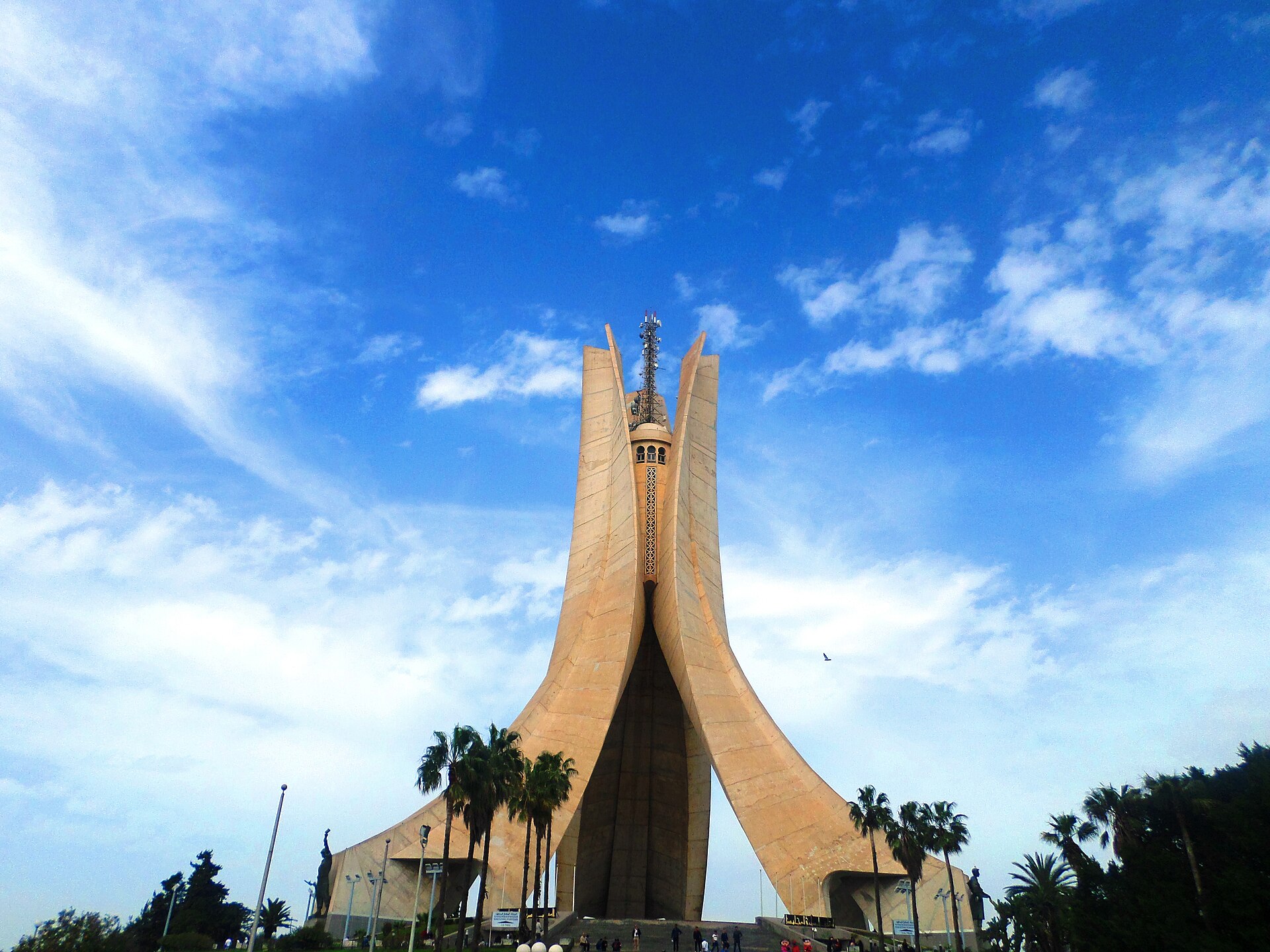
"Wherever They Set Foot, Blood Flows": Algeria Severed Ties With the UAE and Closed Its Airspace to Emirati Planes
Algeria didn't just downgrade relations with the UAE — it cut them entirely, gave the ambassador two days to leave, and shut its skies to Emirati planes, over a rivalry Tebboune himself has described in blunt, violent terms.
 GEOPOLITICS
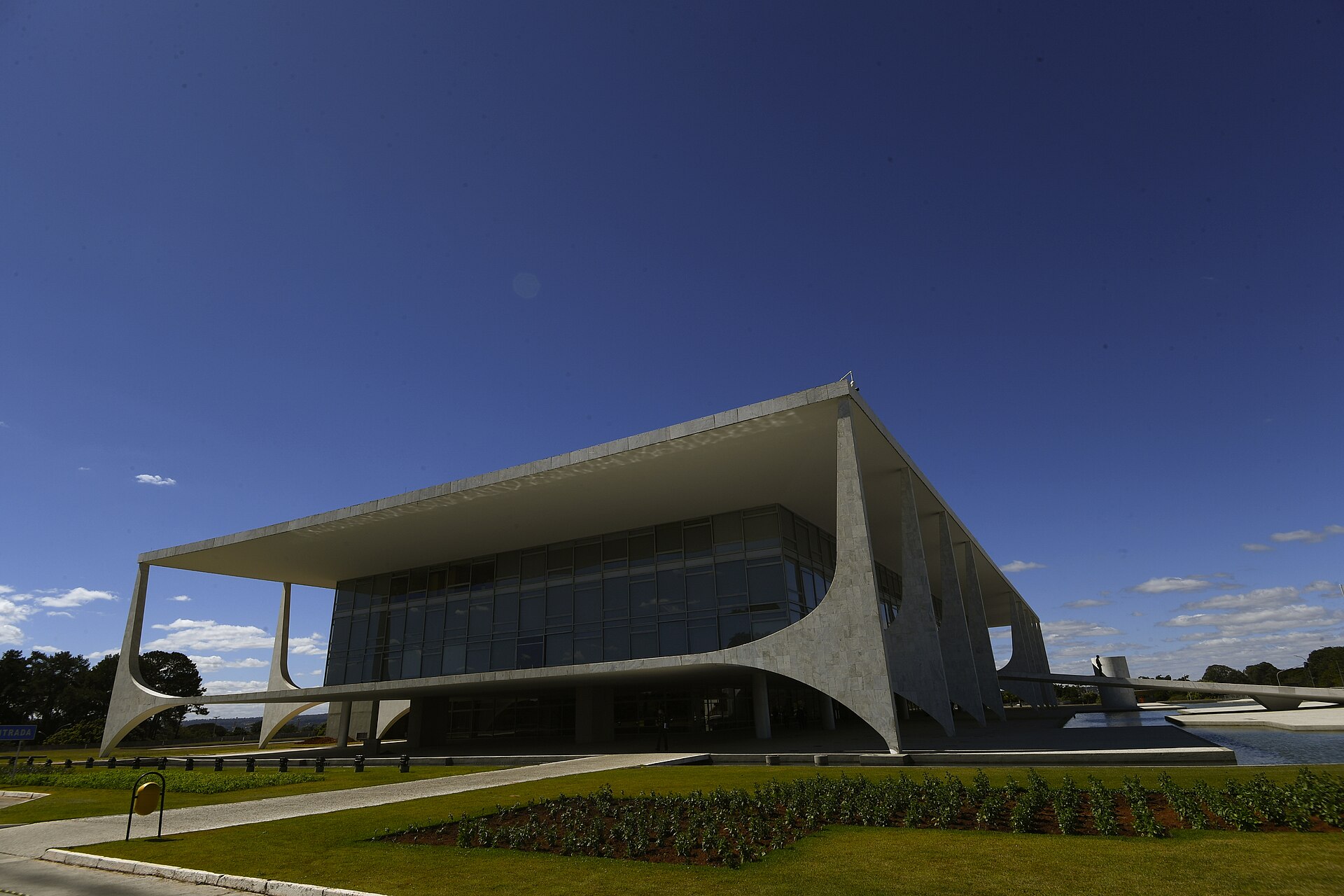
Brazil Votes October 4th. Polls Now Show Bolsonaro's Son Statistically Tied With — or Ahead of — an 80-Year-Old Lula.
A US tariff tied to one man's coup conviction may end up deciding Brazil's election through his son instead.
 ECONOMY
Ukraine Found a Weapon That Actually Hurts Russia. The World Is Paying the Diesel Bill.
Ukraine finally found a weapon that hurts Russia's economy — and it's hitting drivers at the pump from Kyiv to Kansas.
 GEOPOLITICS
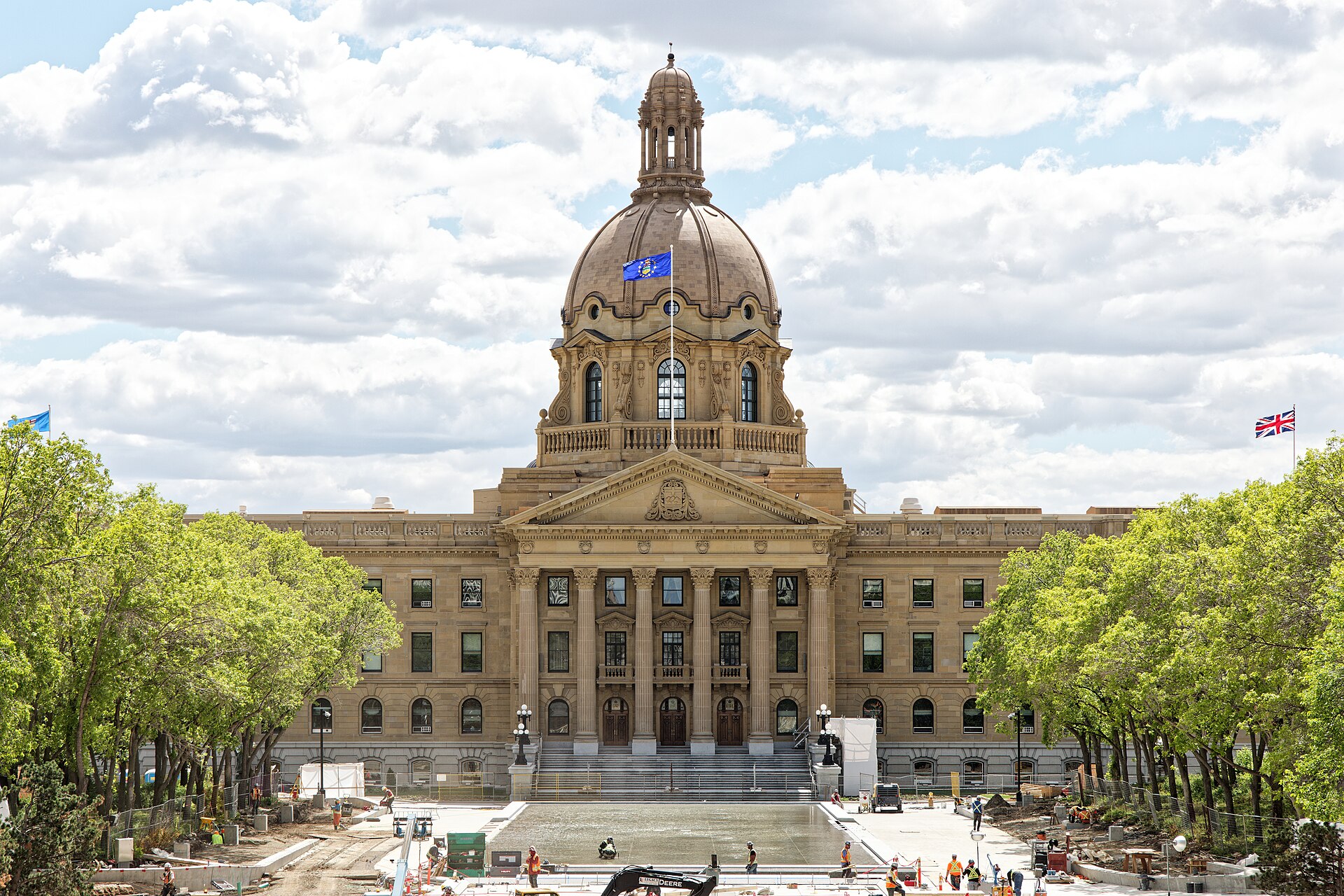
Alberta Votes on 19 October on Starting to Leave Canada. The Polls Say No. The Question Is Who Was Listening in Washington.
If you buy fuel in the US Midwest, some of it likely started as Alberta crude, and on 19 October Albertans vote on whether to begin leaving Canada.
 GEOPOLITICS
The US Has Stopped Sanctioning ICC Judges. Now It Is Sanctioning the Court Itself.
A court your country probably belongs to may soon be unable to use a US bank, a US cloud or a single dollar.
 SECURITY
The Philippines Filed a Map With the UN. China Answered With Warships and Bombers.
Two coast guards are testing how close they can get to a shooting war without starting one.
 ENERGY
The Strait of Hormuz Closed. Oil Went Back to $77 Anyway.
Your pump price — barely.
 SECURITY
Iraq Told Iran-Backed Militias: Disarm by 30 September or Face Terrorism Charges. A July Raid Shows Who Actually Has the Guns.
Iraq threatened militias with terrorism charges. The one time it tried to enforce that, its own troops retreated.
 GEOPOLITICS
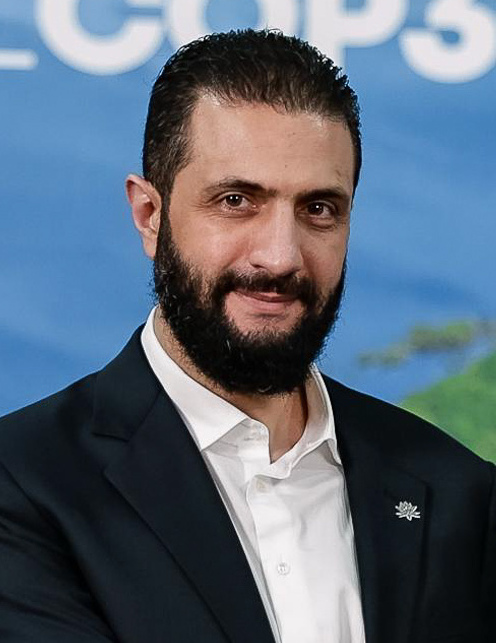
Hezbollah Fought for Assad for a Decade. Reuters Says It Just Sat Down With the Men Who Beat Him.
Two old enemies on Lebanon's border may be quietly agreeing not to fight — and the people who'd confirm it are denying it.
 SECURITY
Trump Called Taiwan's Weapons a 'Negotiating Chip.' Taiwan Says It Isn't For Sale.
Taiwan's own weapons became a bargaining chip in someone else's negotiation with China.
 TRADE
Trump and Xi Meet a Third Time in Eleven Months. The Truce Between Them Still Has No Signature.
Your store shelves and your 401(k) both run on a truce that expires in November and was never actually signed.
 SECURITY
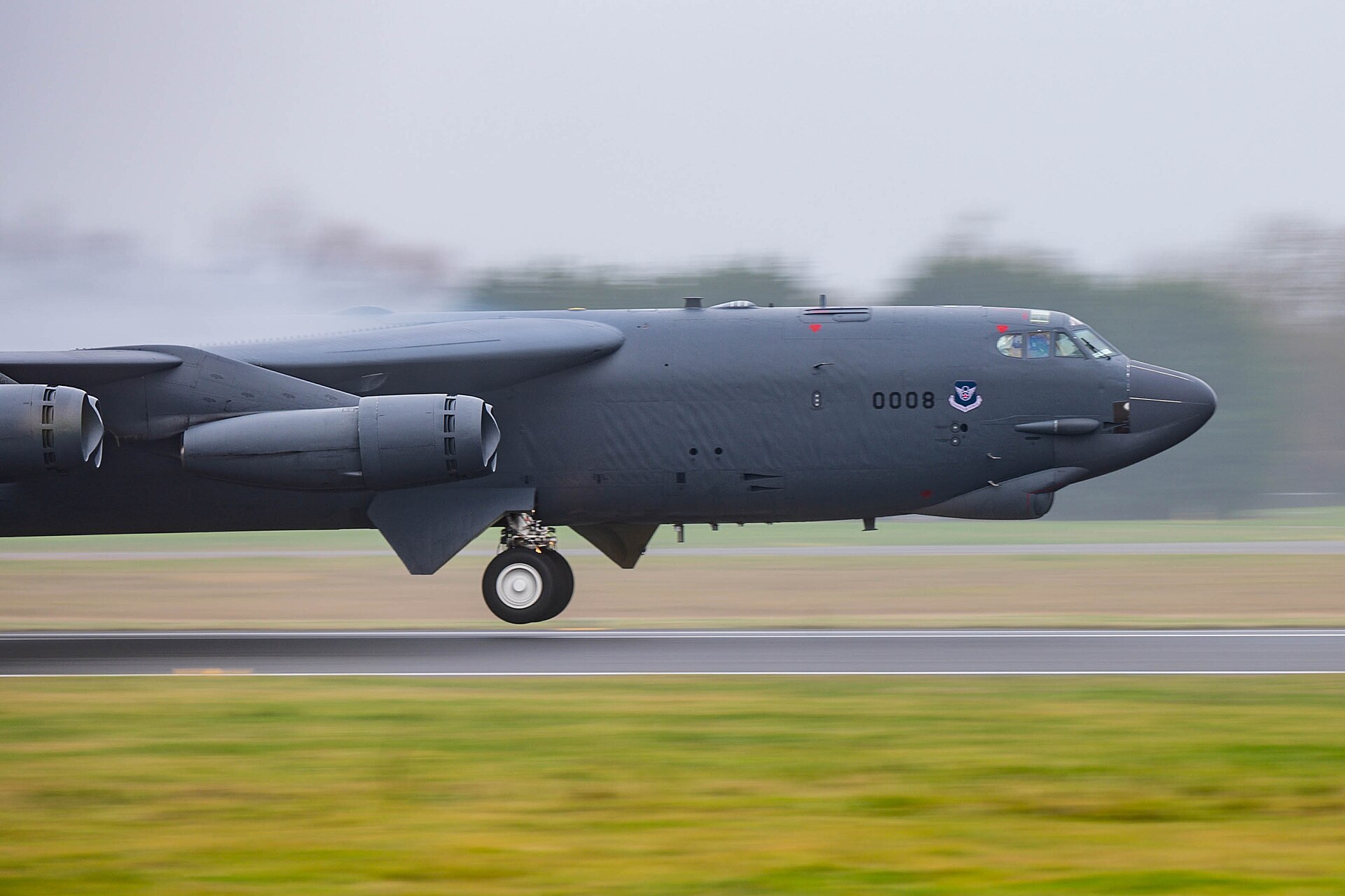
US Bombers Fly to Iran From an English Village. Britain's PM Now Says Iran Came to the Gate.
The Iran war was something Britain hosted from a distance — until it showed up at a fence in Gloucestershire.
World Pulse
Who moves the board, where it is contested, and what carries the shock.
Where it landed most recently
Cause, then effect — with the receipts
Not a feed of headlines. Each analysis traces one chain of consequence, and every claim carries its source. The Trust Index is counted from those citations, never assigned.
The method →Balance of Power
Military, economic, diplomatic, technological, energy and soft power — scored, not asserted.
Ask the archive
1226 passages. Every result says whether it is sourced fact, editorial judgment, or a projection.
Historical echo
Seven years, one line each — the moments the current chains are still answering.
- 20201The Galwan Valley clash freezes the relationship
- 20211AUKUS is announced
- 20228The Arctic Council freezes, then thaws slightly
- 20239Angola hands the operating concession to a Western consortium
- 202418A surplus with nowhere to go
- 202592Russia builds up its NATO-facing infrastructure
- 20261270Flávio Bolsonaro becomes the family's candidate
Straight answers about the method
Where the numbers come from, what they measure, and what happens when we get one wrong.
Where do these numbers come from?
Every figure is either something a named source published, or a call we made and labelled as ours. Citations are opened and read — the rule is fetch the source, never cite a search result about it.
How we split the two →What does the Trust Index measure?
How far independent sources agree about the facts: supports ÷ (supports + disputes), counted from the citation list. Nobody types it, and no citations means no score. A low number isn't a broken one — it means the record is genuinely divided.
How it's counted →Why do some answers say “likely”?
Three coarse labels: confirmed, likely, uncertain. Most causal claims are “likely” — our reading, which a competent analyst could contest. “71% confident” would imply arithmetic we haven't done.
What each label means →What happens when you get it wrong?
The correction is logged on the analysis itself, not applied silently. A changed number with no notice is indistinguishable from never having been wrong.
The corrections policy →