Sweden Called Rare Earths National Security. The Mine Is a Decade Off, and China's Grip Is Refining.
What happened?
On 23 July 2026 Sweden's government declared the mining of critical metals and rare earths a matter of national security. In plain terms: it wants to make it faster and easier to open mines, so Europe leans less on China for the minerals inside electric motors, wind turbines and weapons.
Why did it happen?
Because China holds the tap. It controls most of the world's rare-earth mining and dominates the refining, and it has used export limits as a weapon in its trade fights. Europe watched that and decided it did not want to be caught depending on a rival for the metals its green economy and its armies run on.
LikelyWhat is actually in the ground — and how far off is it?
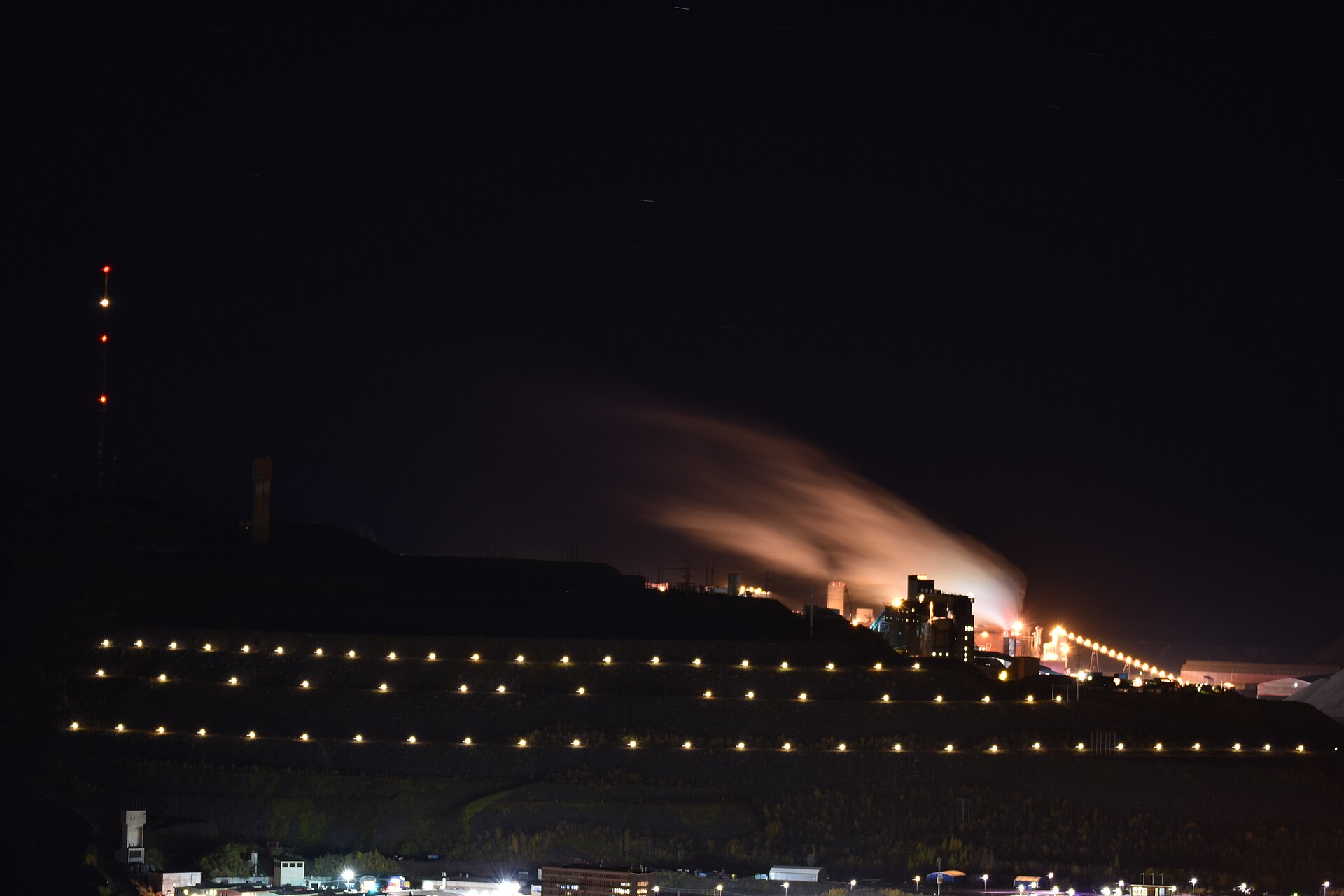
The prize is real: near Kiruna, up in the Arctic, sits Europe's largest known rare-earth deposit. The problem is the clock. LKAB, the state mining company that found it, says openly it will be 10 to 15 years before it can dig anything out and sell it — so this deal changes almost nothing this decade.
Who benefits?
LKAB and the Swedish state, first — a faster path to a big new mine and the investment that follows. The EU's drive for its own supply gets a flagship. And Western makers of magnets and clean-energy gear get, eventually, a source that is not China.
LikelyDoes faster permitting name the right problem?
This is the real argument, and it is not settled. Speeding permits is one bet: dig the ore and dependence falls. The other view: the ore was never the hard part — China's true chokehold is refining, and running a Swedish mine into a strict environmental-permit system, over land where the Sami herd reindeer, is a fight that can drag for years. A mine is not a magnet supply chain.
UncertainWhat happened?
On 23 July 2026 the Swedish government presented a new national mining strategy that designates the mining of critical metals and rare earth minerals a national security interest, saying the step was needed to counter dependence on China. Ebba Busch, Enterprise Minister and Deputy Prime Minister, said making mining a national security interest 'would speed up planning and permissions, helping attract investment'. The designation is the headline of a broader push: in June 2026 the Swedish parliament had already approved legislation to streamline permitting for the extraction and processing of nuclear materials, including uranium. Sweden is the EU's leading iron-ore producer, but ran only 13 active metal mines in 2025 — the strategy is an attempt to reverse a long decline at a moment when the minerals have become geopolitical.
Why did it happen?
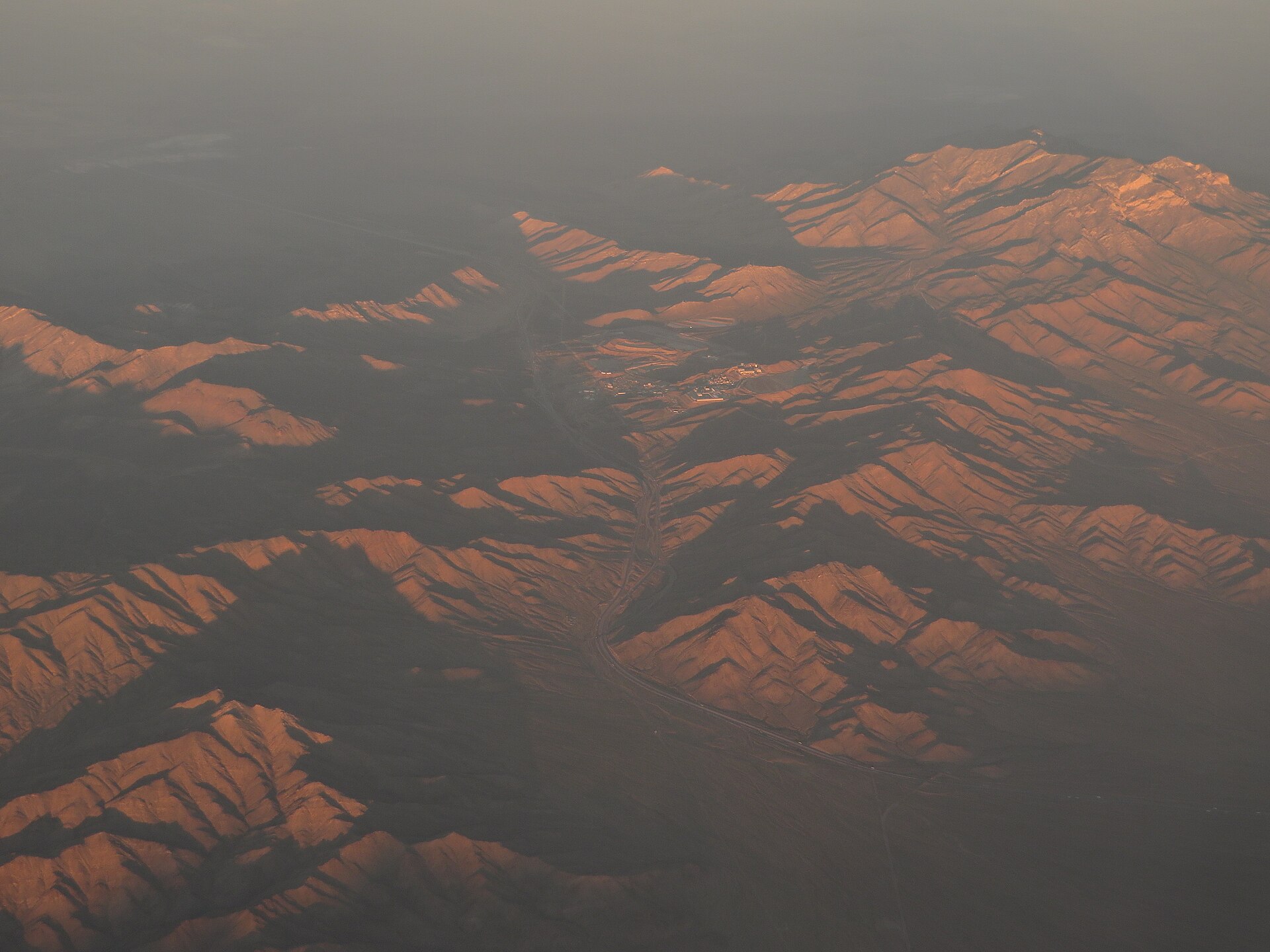
The driver is dependence on a single, strategic supplier. China controls approximately 70 percent of global rare earth mining and, in Reuters' words, 'dominates both mining and refining of rare earth minerals essential for clean energy generation, defence and electric vehicle production'. That control is not passive: China has used rare-earth export limits as leverage in its trade disputes, which turns an economic dependency into a security one. Europe's answer has been the EU's Critical Raw Materials Act and a wave of 'Strategic Project' designations to build domestic supply; Sweden's national-security designation is the same logic applied at the national level — speed the permits, attract the investment, and try to bring some of the supply chain home. That both the commercial motive (a mining industry Sweden wants to revive) and the strategic one (breaking a China dependence) are in play is on the record; the weight between them is our read.
LikelyWhat is actually in the ground — and how far off is it?
The deposit is genuine and large. The Per Geijer find, next to LKAB's existing Kiruna iron-ore mine, holds 1.2 billion tonnes of total mineral resources, of which 2.2 million tonnes are rare earth oxides — Europe's largest known deposit of the kind, first unveiled in January 2023. But LKAB itself set the timescale on day one: 'If we look at how other permit processes have worked within our industry, it will be at least 10-15 years before we can actually begin mining and deliver raw materials to the market.' A national-security designation is meant to compress that, but it starts from a decade-plus baseline, and the strategy names an aspiration, not a mine. This is the load-bearing fact of the whole story: the ore that is supposed to break the dependence cannot be sold before the 2030s.
Who benefits?
The clearest near-term winner is the policy itself: a national-security designation gives LKAB and prospective investors the faster, more predictable permitting Busch promised, and gives the EU's Critical Raw Materials Act a headline project to point at. Sweden gains on two fronts — reviving a mining sector down to 13 active metal mines, and positioning itself as the continent's rare-earth anchor. Further out, if the ore is ever mined and refined, Western manufacturers of the permanent magnets that drive EV motors and wind turbines gain a non-Chinese source. But every one of those benefits is contingent on clearing the decade of permitting in Q3 and the refining gap in Q5 — which is why the same announcement that is a win for Stockholm changes little for a European buyer this side of 2030.
LikelyDoes faster permitting name the right problem?
The critique is not that the deposit is fictional but that permitting speed may be the wrong lever. Two objections stand. First, refining: Reuters notes China 'dominates both mining and refining', and the West has repeatedly learned that owning the rock is not the same as owning the processing — a mine can ship concentrate and still send it to China to be separated into usable oxides and metals. Second, the permit itself is not a formality: LKAB 'still needs a full environmental permit under Sweden's Environmental Code, one of the strictest versions of EU environmental law', and the Per Geijer deposit 'overlaps with traditional reindeer-herding areas, triggering obligations under Sweden's constitution, the European Convention on Human Rights, and EU laws to protect minority rights'. As Euronews put it, the Strategic Project momentum meets 'uncompromising legal barriers, setting the stage for grinding, years-long delays at a time when speed is critical'. A national-security designation can lean on the first constraint; it cannot conjure a refining industry or waive minority-rights law. Whether it names the binding problem is genuinely open — so we mark it 'uncertain' and let the dispute stand.
UncertainDomino Effect
The causal chain so far, dated from what the sources actually report. New dominoes append as they fall.
Suppose every appeal vanished and Per Geijer opened this year. Europe would have ore — and still no way to turn it into the separated oxides and metals that make a magnet, because that step is overwhelmingly Chinese, and a mine does not build it. The West has been here before: Mountain Pass in California dug rare earths for years and shipped the concentrate to China to be refined. So the honest counterfactual is not 'dependence ends' but 'the dependence moves one link down the chain, from the rock to the refinery' — which is why 'faster permits' and 'less reliance on China' are not the same sentence. This is our reasoning, not a sourced counterfactual.
Corrections & revisions
noneEvery change to this analysis since publication, with the reason. We append here — we don't rewrite. A number that changes silently is indistinguishable from never having been wrong.
Subscribe to updates- No corrections yet. When we get something wrong, the fix is logged here rather than quietly applied.
Sources
4 sources
Every source behind the Trust Index above. Follow them — a trust score you can't check is decoration.
- Sweden declares mining national security interest to counter dependence on China
- Sweden Designates Critical Minerals Mining a National Security Interest
- Europe's largest rare earths mine: How EU funding clashes with environmental laws
- Europe's largest deposit of rare earth metals is located in the Kiruna area
Nothing here stands alone. This story is one node in a wider web — every card is another thread you can pull.