Britain opened to India — but the oil leak was already closing
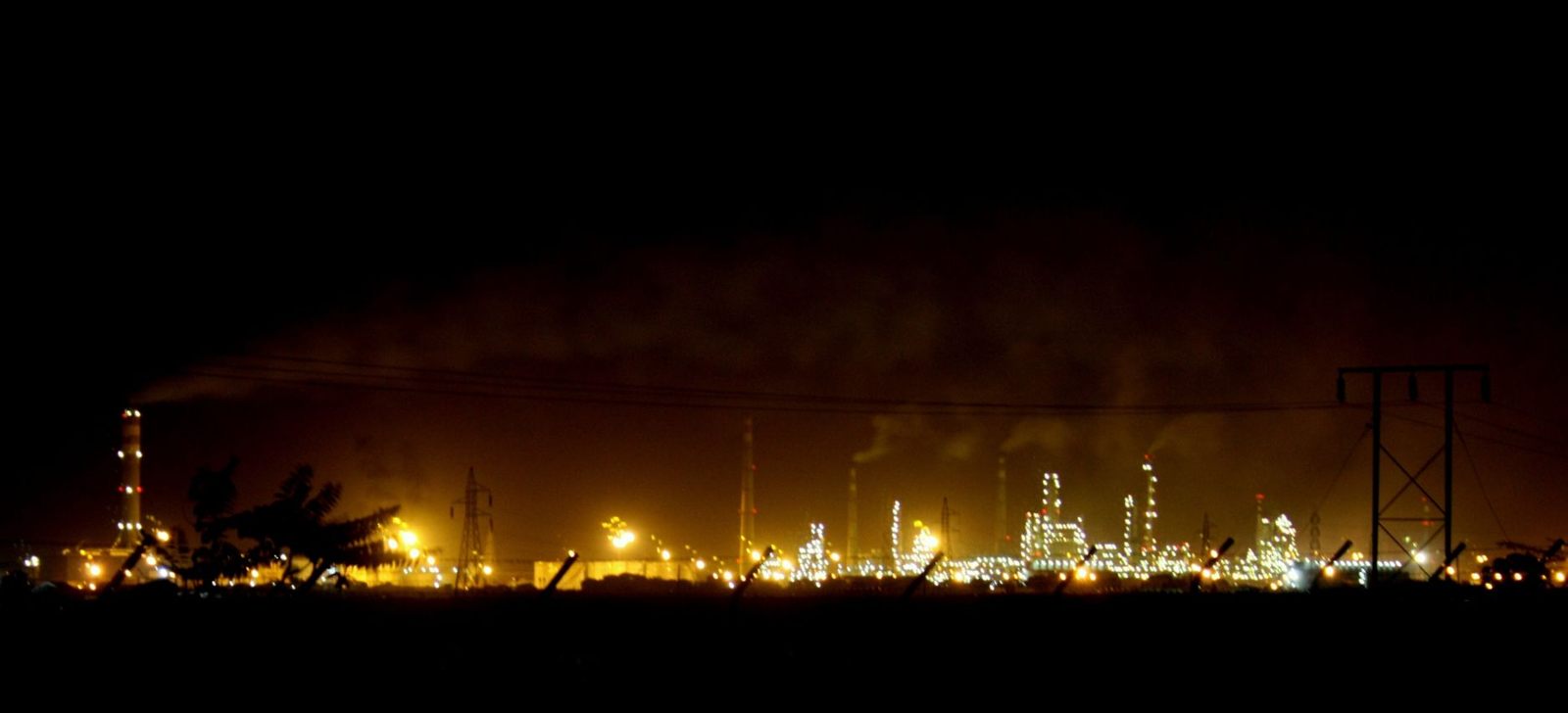
Britain opened its market to India right as the arbitrage the deal was meant to police was already closing on its own.
What happened?
Two things landed at once. Britain opened its market to India on 15 July 2026 — 99% of Indian exports now enter at zero duty. And in Washington, a bill to tariff buyers of Russian oil is still sitting there. Read together they look like allies pulling in opposite directions.
Why did it happen?
Not because Washington singled India out. The Senate bill names no country, and the number in it is 500%, not 100%. The 100% figure belongs to a different instrument entirely.
Who benefits?
Indian exporters of textiles, leather, marine products and engineering goods — immediately and measurably. Indian refiners, much less than the last three years.
LikelyWho loses?
Russia loses a buyer of last resort at the margin. But whether that is the FTA's doing, or simply Europe closing the product loophole, we cannot separate from this evidence.
UncertainWhat happened?
The UK-India Comprehensive Economic and Trade Agreement entered into force on 15 July 2026. The UK government's own guidance states the agreement gives 'duty-free access for 99% of Indian exports to the UK from entry into force'. Separately, the Sanctioning Russia Act (S.1241) would raise duties on goods from any country buying Russian energy. Both are real. The relationship between them is where the reporting goes wrong.
Why did it happen?
The widely-repeated framing — that US senators proposed a 100% tariff aimed at India — does not survive the bill text. S.1241 §17(a) directs that duties be raised 'to a rate of not less than the equivalent of 500 percent ad valorem', and §17(b) applies it to any country that knowingly purchases Russian-origin oil, uranium, gas, petroleum or petrochemical products. India is not named. The bill is also not new; it is the Sanctioning Russia Act of 2025. The 100% figure in circulation refers to executive secondary tariffs, a separate instrument with a separate legal basis. Conflating the two produces a story about India being targeted by Congress that the statute does not support.
Who benefits?
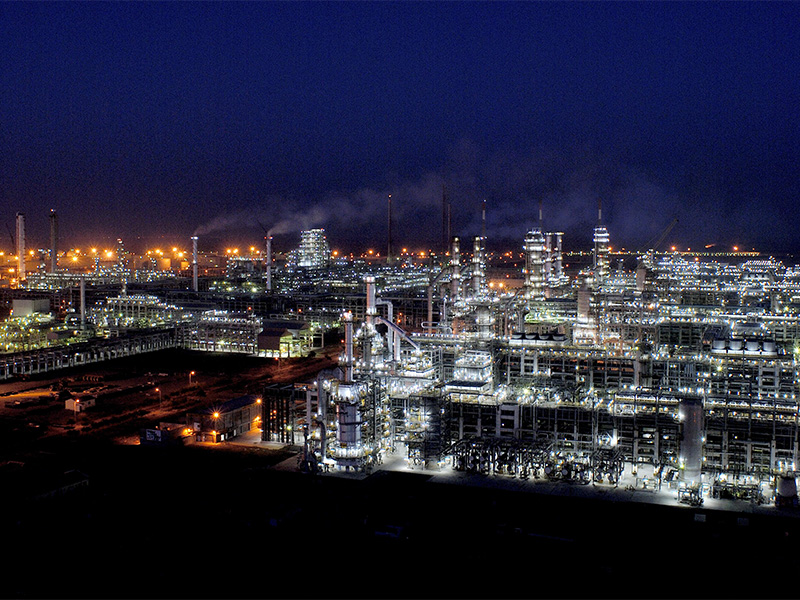
The FTA's duty-free access is concrete and dated: it began on 15 July 2026. The refining arbitrage that defined India's position since 2022 is moving the other way. The IEA reports Indian imports of Russian crude fell to 1.1 mb/d in January 2026, the lowest level since November 2022, and attributes the fall directly to EU restrictions on imports of petroleum products derived from Russian crude, which 'prompted key export refineries to look for alternative supplies'. The gain is in goods trade; it is not a gain in the oil trade.
LikelyWho loses?
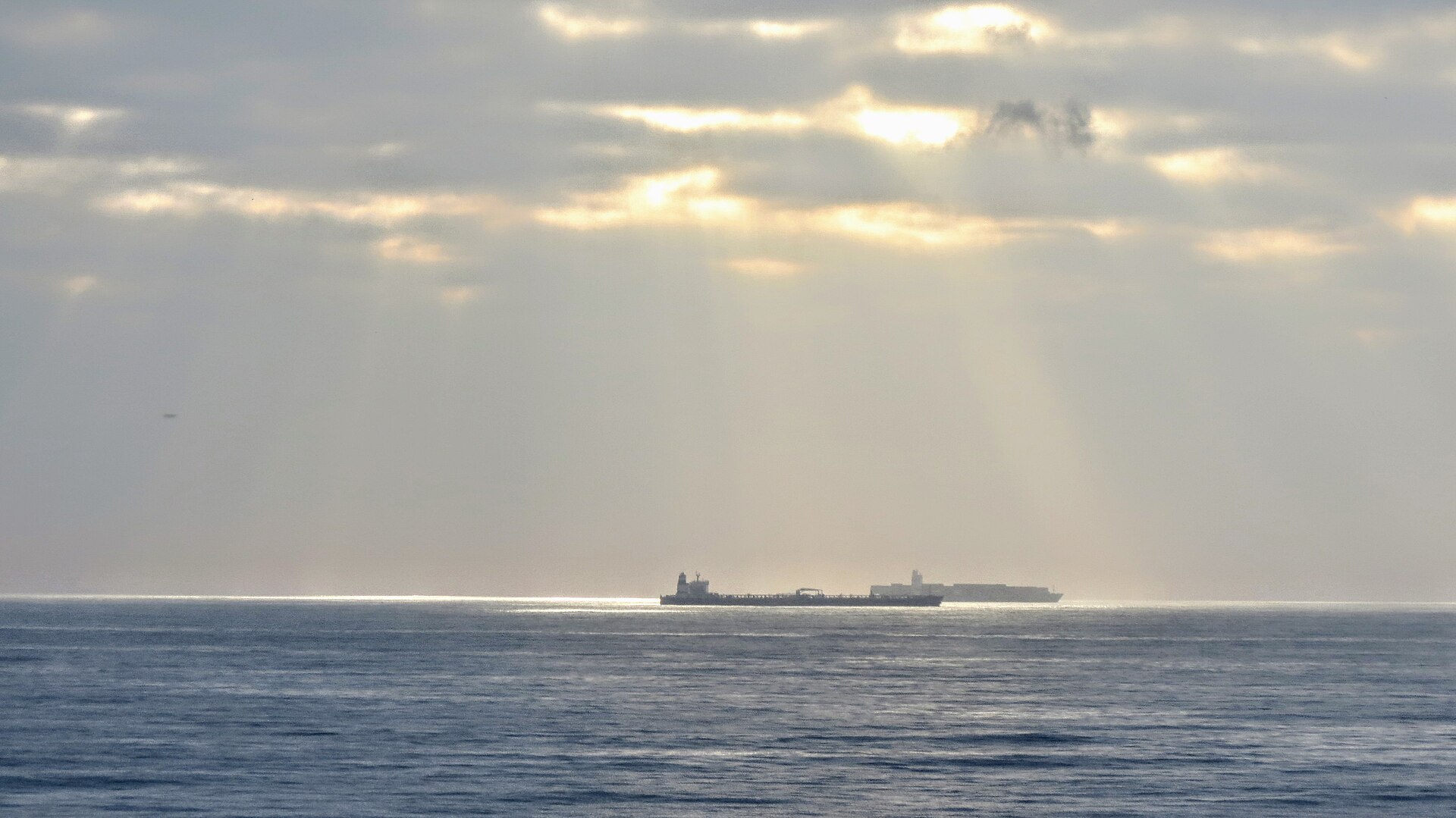
The IEA attributes January's fall to the EU product restrictions, not to any UK or US action. What this analysis cannot establish is the counterfactual: whether Russian barrels displaced from Indian refineries found other buyers at similar discounts, or cleared at a wider one. The tanker data shows the destination shifting; it does not show the price. Anyone claiming this measurably cut Russian revenue is asserting more than the cited evidence carries, and so is anyone claiming it did not.
UncertainDomino Effect
The causal chain so far. New dominoes append as they fall.
The strongest counter-read is that a single month is not a trend, and that January's fall reflects refiners repositioning ahead of the restrictions rather than exiting Russian crude. If Indian imports recover through 2026 while the FTA deepens the commercial relationship, the fracture reading gets stronger and this one gets weaker. The test is the monthly tanker data, not the rhetoric.
Corrections & revisions
1Every change to this analysis since publication, with the reason. We append here — we don't rewrite. A number that changes silently is indistinguishable from never having been wrong.
RSS feed-
REVISITRewrote the "why this matters to you" hook. The deal did not arrive into a fracturing coalition. It arrived into a market where the Russian-crude arbitrage was already contracting — which changes what the FTA is worth, and to whom. → Britain opened its market to India right as the arbitrage the deal was meant to police was already closing on its own.Operator decision, 2026-08-19: whyItMatters.outcome is now the page's primary hook and every analysis was rewritten to a single short, concrete, human-stakes sentence (docs/EDITORIAL.md, Permanent standards #4) — replacing several that had grown into full paragraphs or abstract policy-thesis phrasing.
Sources
3 sources
Every source behind the Trust Index above. Follow them — a trust score you can't check is decoration.
- The UK-India trade deal — duty-free access for 99% of Indian exports from entry into force on 15 July 2026
- S.1241 Sanctioning Russia Act of 2025, §17(a): duties of not less than 500 percent ad valorem on countries purchasing Russian energy
- Oil Market Report — February 2026: Indian imports of Russian crude fell to 1.1 mb/d in January, lowest since November 2022
Nothing here stands alone. This story is one node in a wider web — every card is another thread you can pull.