The Nuclear Program Is Gone. The US–Iran War Isn't.
What happened?
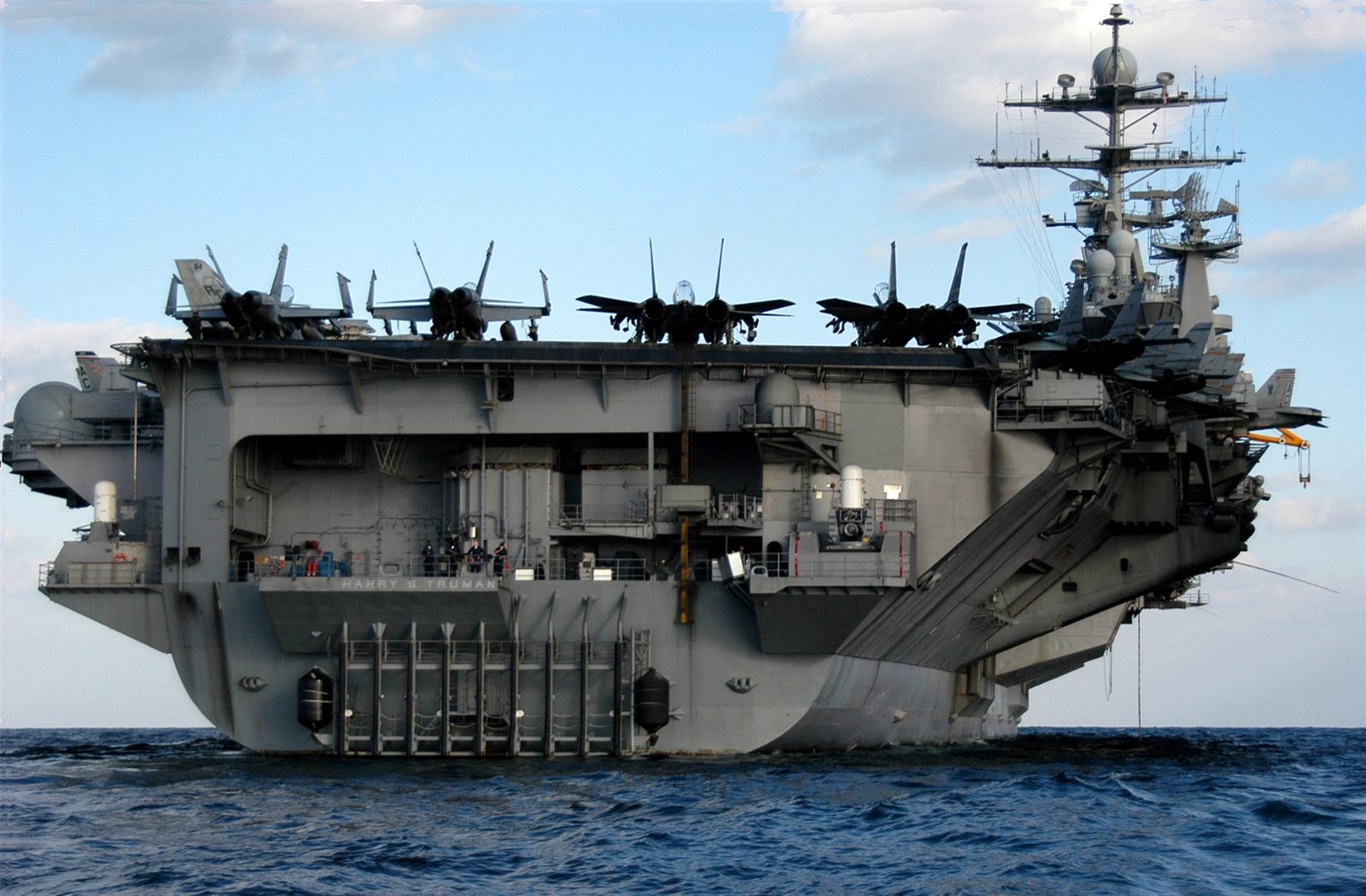
The US and Israel went to war with Iran on 28 February 2026 and, within weeks, wrecked the one thing they said they were fighting over — Iran's ability to enrich uranium. A ceasefire was signed in June. By July it had collapsed and the bombing had resumed.
ConfirmedWhy does it continue?
The war was sold as a mission to stop Iran getting a bomb. That mission was essentially finished by spring. The fighting that resumed in July is about something else — Iran's missiles and its ability to hit ships — which is why the target list changed. The read on motive is ours.
Who benefits?
Militarily, the US and Israel got what they wanted — the program is gone. But 'benefit' is doing heavy work here: a war you can start and can't end is not obviously a win, and the side that removed the nuclear threat is now stuck bombing radar stations.
UncertainWho loses?
People, on a scale the headlines rounded off. Iran says more than 3,500 of its people were killed and 26,500 injured. The US lost 17 soldiers and a contractor. Gulf states that were never party to the quarrel buried civilians in Kuwait, the UAE and Saudi Arabia.
ConfirmedIs the nuclear threat actually gone?
This is where honest people split. One reading: the centrifuges are rubble, so Iran can't build a bomb — mission accomplished. The other: the enriched uranium that actually matters was moved into a mountain before the first bomb fell, roughly 440 kilograms of it, and nobody is inspecting Iran any more. You can destroy a factory. You cannot un-move what already left it.
What happened?
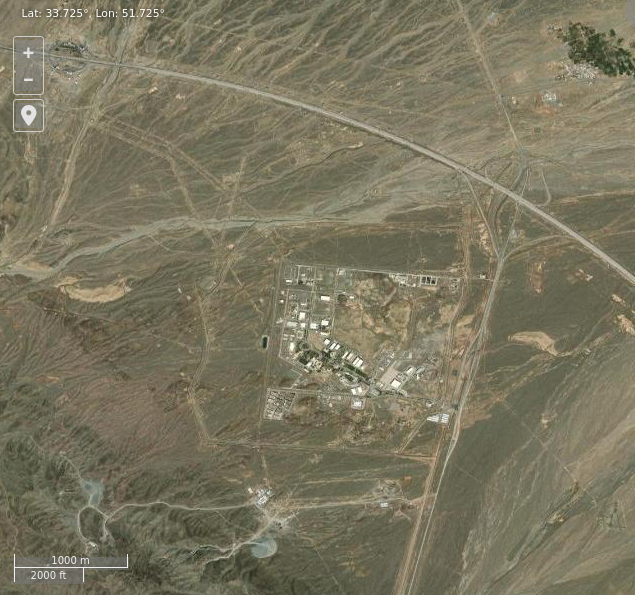
The war opened on 28 February 2026 with US–Israeli strikes; the Israeli Air Force reported hitting 500 targets with over 1,200 bombs in the first 24 hours, and Supreme Leader Ali Khamenei and thousands of Revolutionary Guard personnel were killed. The strike campaign on Natanz and Fordow destroyed almost 22,000 gas centrifuges — Iran's entire installed enrichment capacity — and IAEA verification inside Iran stopped on 28 February. A memorandum of understanding signed on 17 June opened a 60-day negotiating window, but the ceasefire collapsed on 8 July: US Central Command reported striking 90 military targets across Iran's coast in a single night and more than 80 the day before, and Iran's Revolutionary Guards said they hit US bases in Kuwait and Bahrain.
ConfirmedWhy does it continue?
The stated cause was Iran's nuclear program, and by the ISIS assessment the strikes left Iran with 'no identifiable route to produce weapon-grade uranium' in its enrichment plants for the first time in twenty years. Yet the July strikes were justified on a different basis: CENTCOM described the 13 July wave as targeting 'Iran's ability to continue attacking international shipping' through the Strait of Hormuz, not its nuclear sites. When the objective a war was declared for is already met and the war continues under a new rationale, the honest reading is that the fighting now runs on its own momentum — retaliation answering retaliation — rather than a remaining goal. That is our interpretation, not a sourced finding; nobody publishes a war's real reason for not stopping.
Who benefits?
On the narrow military metric, the strike coalition prevailed: Iran's enrichment capacity is destroyed and its senior command was decapitated. But the strategic ledger is contested. The declared threat is neutralised while the war it justified has no visible off-ramp — the 17 June memorandum's 60-day window ran down amid renewed strikes, and by mid-July the sides were trading fire over shipping rather than centrifuges. A decisive tactical outcome that produces an open-ended, low-intensity war is not a clean victory, and who ultimately benefits depends on an ending nobody can yet see.
UncertainWho loses?
The human cost is documented and large. Iran reported 3,503 killed and 26,500 injured; US and Israeli sources put Iranian military dead above 6,000 with roughly 15,000 wounded. Allied losses spread across the Gulf: the United States recorded 17 soldiers and one contractor killed and 548 wounded; the UAE 12 civilians among others killed; Kuwait 4 soldiers and 7 civilians; Saudi Arabia 3 civilians — states pulled into a war by geography, not choice. The financial loser is named too: the war had cost US taxpayers an estimated $113.3 billion by June 2026.
ConfirmedIs the nuclear threat actually gone?
The optimistic case is real and sourced: with almost 22,000 centrifuges destroyed and uranium-hexafluoride production gone, ISIS judges Iran has no enrichment route to weapon-grade material. The dissent is equally sourced. The IAEA's pre-war stockpile of about 440.9 kg of up to 60% enriched uranium is unaccounted for — the Director-General 'cannot provide any information on the current size, composition or whereabouts of the stockpile' — with an estimated 265–287 kg believed to sit in Isfahan's underground tunnels, which the strikes spared. Analysts at the Bulletin of the Atomic Scientists argue Iran likely moved as much as 540 kg to Isfahan before the strikes, and that a hidden cascade of 200 IR-6 centrifuges could take 50 kg from 60% to weapon-grade in roughly ten days. IAEA verification stopped on 28 February 2026. A destroyed program and an unmonitored stockpile can both be true at once — which is exactly why this question is not closed, and we are not going to pretend it is.
Domino Effect
The causal chain so far, dated from what the sources actually report. New dominoes append as they fall.
The military case for this war rested on a clean sequence: destroy the enrichment program, sign a deal, stop. The first two happened. The third did not. Had the 17 June memorandum held, this would read as one of the more decisive uses of force in a generation — objective met, war closed, sixty days to a settlement. Instead the ceasefire lasted three weeks, the bombing resumed over shipping rather than nuclear sites, and the war acquired a second life with no stated goal to end it on. The point is not that the strikes failed; they did what they set out to do. It is that ending a war is a separate problem from winning one, and this war solved only the first. This is our reasoning, not a sourced counterfactual.
Corrections & revisions
noneEvery change to this analysis since publication, with the reason. We append here — we don't rewrite. A number that changes silently is indistinguishable from never having been wrong.
- No corrections yet. When we get something wrong, the fix is logged here rather than quietly applied.
Sources
Every source behind the Trust Index above. Follow them — a trust score you can't check is decoration.
- 2026 Iran war
- 2026 Iran war ceasefire
- US says it is conducting new wave of strikes on Iran as ceasefire falters
- US and Iran trade strikes as ceasefire comes under growing strain
- Analysis of IAEA Iran Verification and Monitoring and NPT Safeguards Reports — June 2026
- Analysis: Iran likely transferred highly enriched uranium to Isfahan before the June strikes
There is an old, comforting idea that force is a scalpel — that you can name a threat, cut it out, and go home. This war is the cleanest test of that idea in years, and it half-passed. The centrifuges really are gone; the program three administrations failed to negotiate away was ended in a season of bombing. But a war is not surgery, because the patient shoots back and the clock does not stop when the tumour is out. The nuclear program fell in the spring and the war was still killing people in the summer — over shipping lanes, under a rationale written after the fact. And the one thing the bombs were meant to reach, the enriched uranium that is the actual road to a weapon, had been driven into a mountain before the first strike landed and now sits somewhere no inspector can see. We destroyed the factory and lost the product. That is neither a victory nor a defeat. It is the particular disappointment of using a decisive instrument on a problem that was never going to have a decisive end.
— the founderNothing here stands alone. This story is one node in a wider web — every card is another thread you can pull.