Congo's Ebola Outbreak Is the Second-Largest Ever Recorded. The City It Has to Move Through Is Run by a Rwanda-Backed Militia.
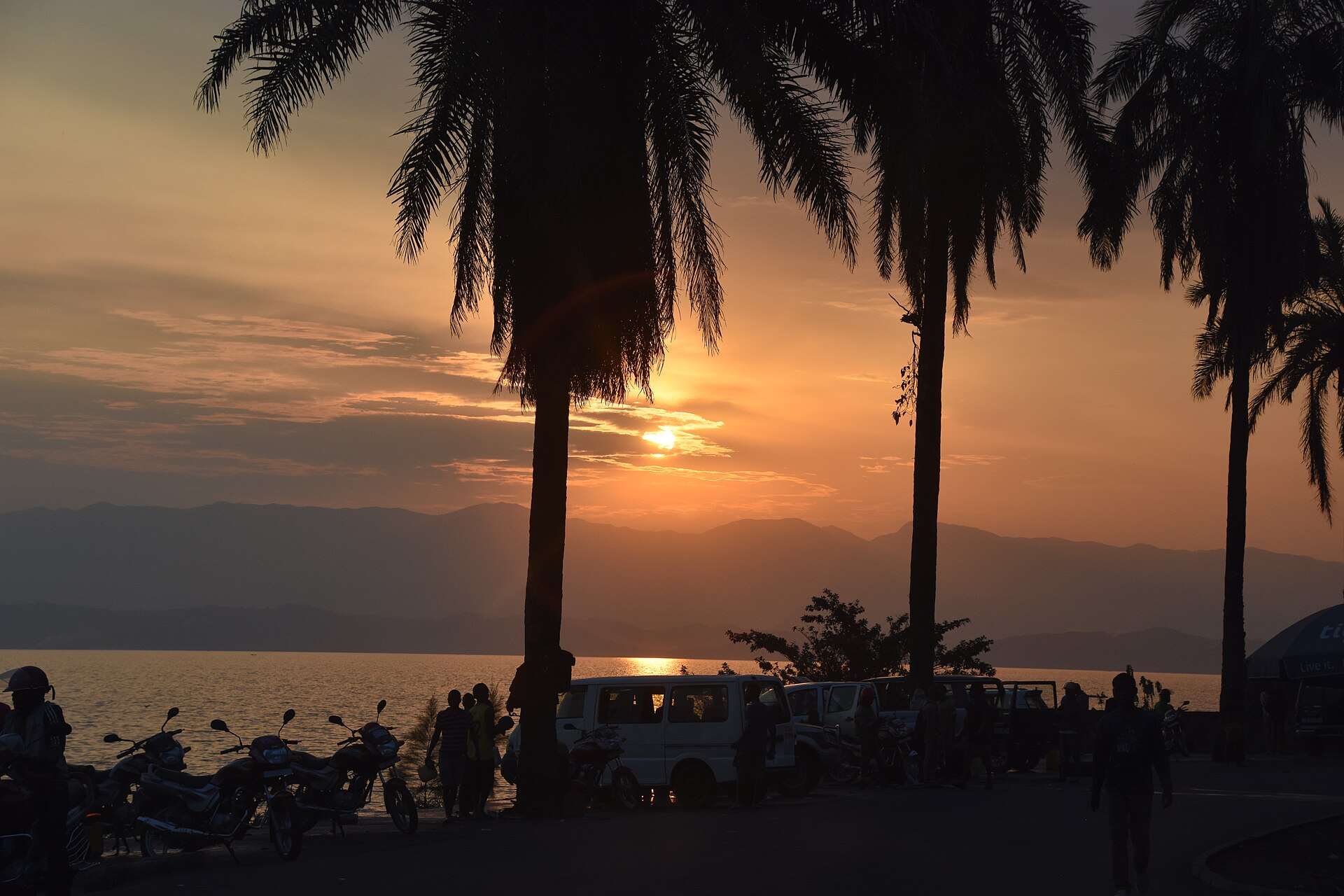
The world's worst Ebola outbreak in over a decade is being fought in a war zone whose main airport is closed by the militia running it, on a fifth of the US funding the last comparable response had.
- The DRC's Ebola Bundibugyo outbreak, declared 15 May 2026, has reached 7,258 confirmed cases and 3,510 deaths as of 15 September — the second-largest Ebola outbreak on record, moving faster than any before it.
- It is spreading through the same six eastern provinces where Rwanda-backed M23 rebels, who seized the city of Uvira in December 2025 in violation of a US-brokered peace accord, still control territory and access.
- M23 effectively governs Goma and has kept its airport closed, a lifeline the outbreak response depends on, while continuing to restrict movement across North Kivu and South Kivu.
- US humanitarian funding to the DRC fell from $906 million in 2024 to $178.8 million in 2025 after USAID's dissolution and CDC staffing cuts, and WHO's own joint appeal with Africa CDC is still roughly $1.1 billion short.
- WHO says transmission is finally declining in most affected provinces and a vaccine trial is launching within weeks — but with malaria, cholera and measles running alongside Ebola in the same displaced population, officials warn the fight is far from over.
What happened?
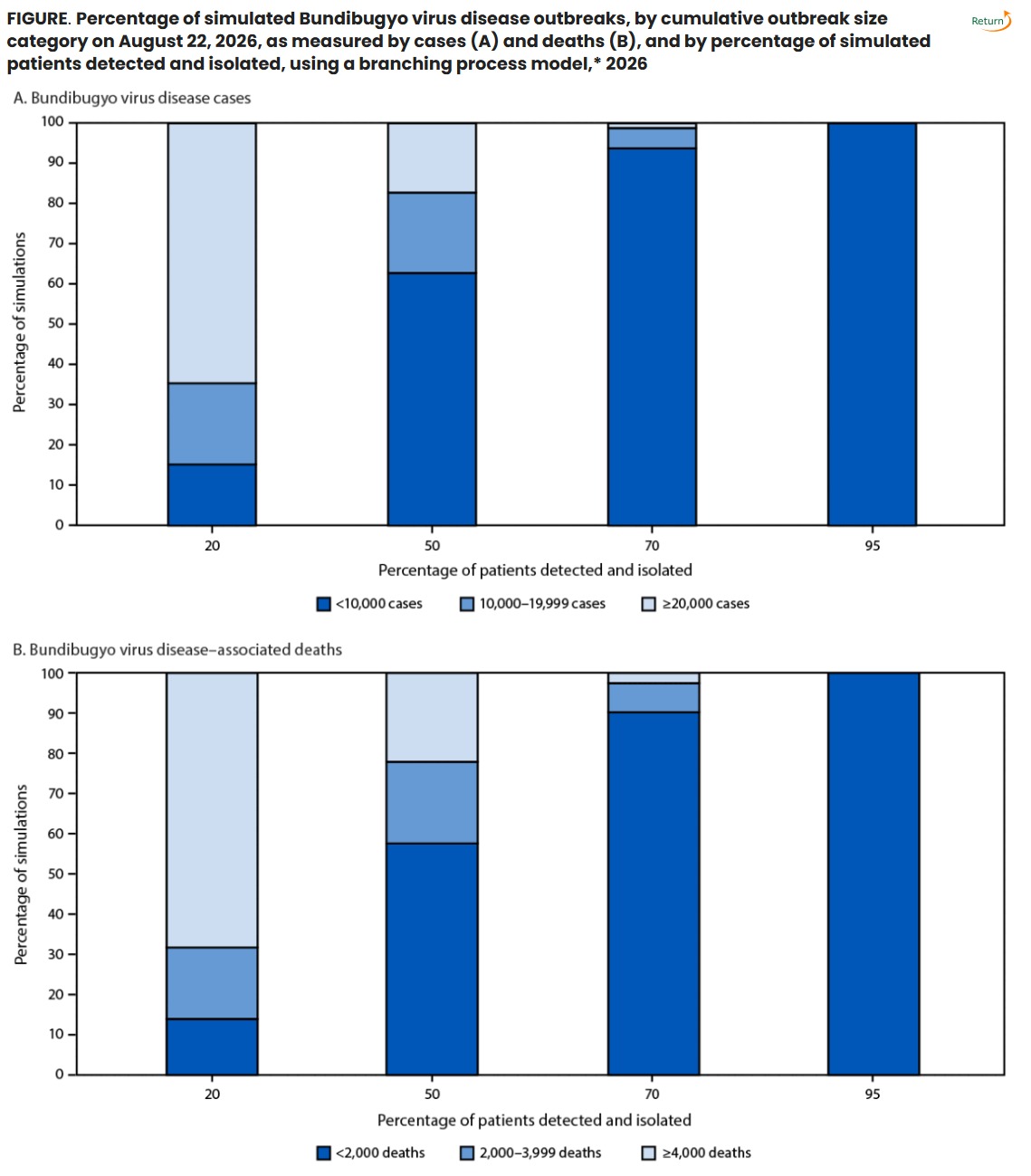
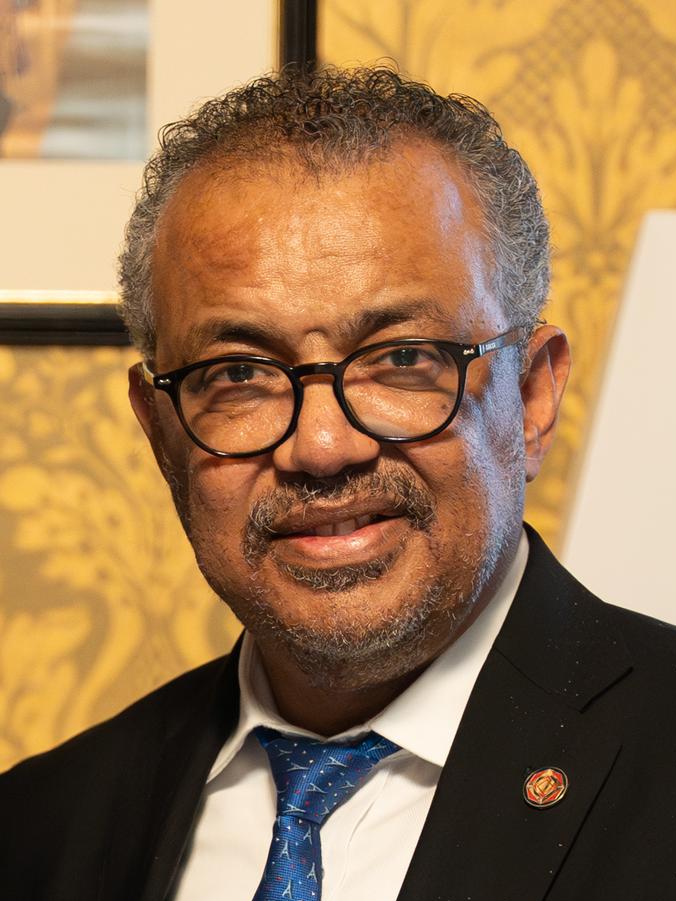
The Democratic Republic of Congo's Ebola outbreak, caused by the Bundibugyo species and declared a public health emergency on 15 May 2026, has become the second-largest Ebola outbreak ever recorded. As of 15 September 2026, it had reached 7,258 confirmed cases and 3,510 deaths across seven provinces in the northeast. WHO Director-General Tedros Adhanom Ghebreyesus says transmission is now declining in most affected provinces, though he cautions months of work remain, and a vaccine trial using Merck's Ervebo is due to launch within weeks alongside an observational trial run with Doctors Without Borders (MSF).
Why did it happen?
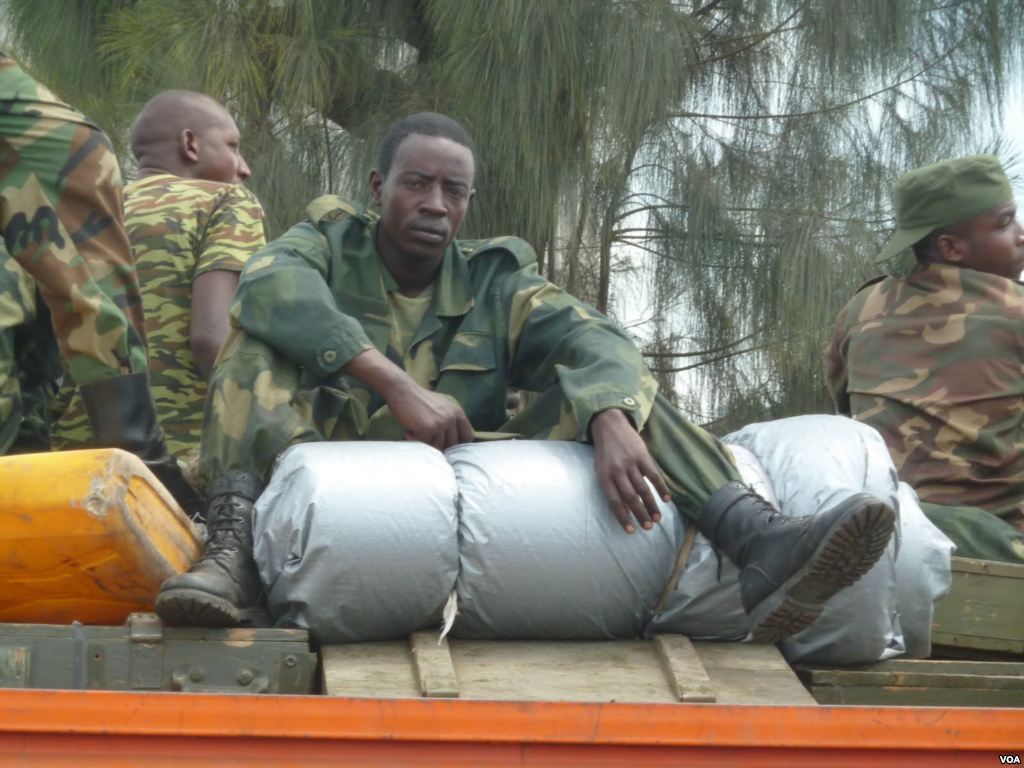
Two separate collapses are compounding each other. First, the security one: Rwanda-backed M23 fighters violated the December 2025 Washington Accords days after they were signed, capturing the city of Uvira, and the group still effectively governs Goma — keeping its airport closed and restricting movement across North Kivu and South Kivu, the same provinces carrying most of the outbreak's caseload. Second, the funding one: US humanitarian support to the DRC fell from $906 million in 2024 to $178.8 million in 2025 after the dissolution of USAID and cuts to CDC staffing, which critics say slowed the outbreak's early detection and surveillance capacity before it was declared in May.
Who benefits?
Nobody benefits from the outbreak itself, but M23 and Rwanda benefit from the leverage a humanitarian emergency running through their territory gives them — every negotiation over treatment-centre access, checkpoint passage or the Goma airport is now also a negotiation over the group's de facto authority. WHO and Africa CDC benefit reputationally if the current decline in transmission holds, after criticism for a slow initial response. MSF and frontline health workers are the closest thing to a clear beneficiary of the response itself: their treatment-centre network has already treated over 1,000 confirmed cases.
Who loses?
Civilians in eastern DRC lose most directly and on every axis at once: over 3,500 dead from Ebola so far, 200,000 displaced by M23's Uvira offensive alone, and a population caught between a militia blockade and a health system running a $1.1bn funding shortfall. MSF warns that malaria, cholera, measles and routine care are being squeezed by the same conflict and funding collapse, meaning the loss extends well beyond the Ebola case count. Frontline responders — MSF staff, Congolese health workers — bear the operational risk of both the disease and the conflict directly.
ConfirmedWhat happened?
STAT's 16 September report carries the current toll directly from Tedros: 7,258 cases and 3,510 deaths as of Sunday 14 September, with transmission 'declining in most of the affected provinces' even as he stresses the response has months of work left. MSF's own count, current to 1 September, puts confirmed cases at 6,250 with 3,039 deaths and over 1,400 survivors, and details the scale of its own operation: more than 1,700 staff across five eastern provinces, nine treatment centres with over 480 beds, and more than 2,770 patients admitted since May — 82% of them in Ituri province alone, where mortality has ranged from 43.7% to 67.6% depending on province. The UN's own relief chief, in a 1 September dispatch, frames the core problem bluntly: the response has to outpace the spread, and as of that report's baseline (day 100 of the outbreak) there were already 5,515 cases and 2,642 deaths — meaning the toll roughly doubled again over the following two weeks even as WHO's cautious optimism took hold.
Why did it happen?
Refugees International's June briefing lays out the access problem in granular terms: M23 'effectively governs Goma and has closed its airport,' described as 'a critical humanitarian lifeline,' while responders must 'negotiate militia checkpoints, navigate looted warehouses and border closures' across North Kivu and South Kivu — and separately notes M23 seized Uvira and displaced 200,000 civilians within days after the Washington Peace Accord collapsed. Public reporting on that accord's collapse confirms the timeline: President Trump presided over the 4 December 2025 signing of the Joint Declaration of the Washington Accords for Peace and Prosperity with DRC President Tshisekedi and Rwandan President Kagame, and Rwanda-backed M23 fighters captured Uvira — leaving at least 400 dead — within days, in a clear violation of the accords, with the Rwandan army reportedly providing support. On the funding side, Think Global Health's analysis attributes delayed detection partly to 'the dissolution of the U.S. Agency for International Development (USAID)' and 'staffing cuts at the U.S. Centers for Disease Control and Prevention (CDC),' which it says limited 'country-level surveillance capacity' — a claim the article does not back with a quantified before/after comparison specific to this outbreak, which is why this question is rated likely rather than confirmed.
Who benefits?
Refugees International's report frames the access negotiations as inseparable from M23's territorial control — the group's closure of Goma's airport and checkpoints are described as leverage points responders must work around, not incidental obstacles, which by definition gives the group bargaining power over aid flows it would not otherwise hold. The UN relief chief's 1 September assessment stresses the response must 'outpace' the spread, implicitly crediting WHO and Africa CDC's joint appeal and vaccine trial rollout as the mechanism that could still turn the outbreak, assuming the $1.1bn funding gap narrows. Rated uncertain because no source here states plainly that M23 or Rwanda are deliberately leveraging the outbreak rather than simply continuing a pre-existing pattern of territorial control that happens to now intersect with it — the evidence supports opportunity, not intent.
Who loses?
MSF's own figures put the direct toll at 3,039 dead as of 1 September (since risen past 3,500), with mortality rates as high as 67.6% in the worst-hit province, and its statement that 'maintaining access to routine health care is as important as controlling the outbreak itself' is a direct acknowledgment that the crisis is compounding rather than isolated — cholera, malaria and measles are named as concurrent emergencies competing for the same strained response capacity. Refugees International's figure of 200,000 civilians displaced by the Uvira offensive alone, on top of the outbreak's own toll, describes a population absorbing both the war and the disease simultaneously. Think Global Health's linkage of the US funding collapse to delayed surveillance means the loss is not confined to the outbreak's direct victims — it extends to whatever earlier, cheaper intervention a fully funded surveillance system might have made possible. Confirmed, because unlike the causal and beneficiary questions above, the scale of loss itself is not in dispute across any source cited here.
ConfirmedDomino Effect
The causal chain so far. Read the dates against each other — that is the whole argument.
WHO's own 16 September statement is the most optimistic line in any source cited here — transmission genuinely is declining in most affected provinces, four months in, and a Phase 3 trial of Merck's Ervebo vaccine is imminent. If that trend holds even without the $1.1bn funding gap closing, the outbreak could still be brought under control on epidemiology alone, the way several earlier, smaller DRC outbreaks were. What would settle this either way is whether the decline holds through the provinces M23 still restricts access to — the ones no source cited here reports current transmission data from.
Corrections & revisions
noneEvery change to this analysis since publication, with the reason. We append here — we don't rewrite. A number that changes silently is indistinguishable from never having been wrong.
RSS feed- No corrections yet. When we get something wrong, the fix is logged here rather than quietly applied.
Sources
5 sources
Every source behind the Trust Index above. Follow them — a trust score you can't check is decoration.
- WHO expresses cautious optimism about bid to control Ebola outbreak in DRC
- Ebola disease outbreak 2026: How MSF is responding
- Response must outpace spread of Ebola: UN relief chief
- Addressing the Ebola Crisis Amid the Humanitarian Emergency in Eastern DRC
- Charting Ebola Responses: How 2026 Stacks Up After Aid Cuts
Nothing here stands alone. This story is one node in a wider web — every card is another thread you can pull.