The US Traded Security Help for Congo's Minerals. The Minerals Deal Is the Part That's Moving.
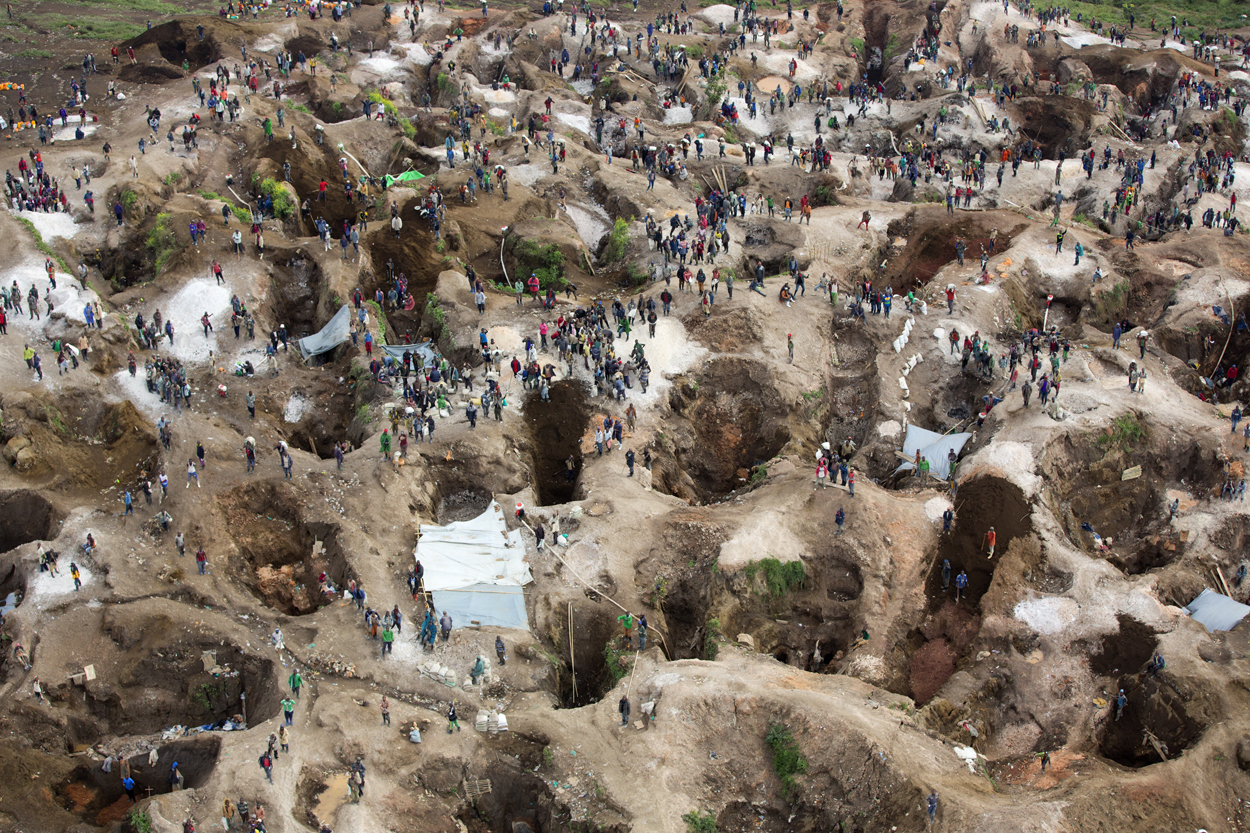
The US traded security help for Congo's minerals. Only the minerals half of that deal is actually moving.
- The US and DRC signed a Strategic Partnership Agreement on 4 December 2025 — American security help against the Rwanda-backed M23 rebellion in exchange for preferential access to Congo's cobalt, copper and lithium.
- Days after ratification, an M23/Rwandan assault on the city of Uvira killed 74 people and displaced 200,000 — while the minerals side moved forward regardless, with a US-backed consortium agreeing a $9 billion, 40%-stake deal for Congo's biggest copper-cobalt mines on 3 February.
- The DRC then listed Rubaya, a mine M23 itself controls, as a shortlist site for US investment — a senior Congolese official said the goal was to use the promise of investment to draw Washington into "recovering the area militarily."
- A new DRC export ban on raw copper and cobalt concentrate took effect in August, forcing more processing onshore and squeezing the Chinese firms that handle roughly 80% of Congolese cobalt output.
- Doctors Without Borders' international president said "generation after generation of Congolese have seen their lives and dignity sacrificed at the altars of politics and profit" — a verdict the minerals deal's fast progress against the security side's near-total stall does little to answer.
What happened?
The US and DRC signed a Strategic Partnership Agreement on 4 December 2025: Washington's help against the Rwanda-backed M23 rebellion, in exchange for American companies getting preferential access to Congo's cobalt, copper and lithium. Days later, an M23/Rwandan assault on the city of Uvira killed 74 people and displaced 200,000. The minerals side moved forward regardless: a US-backed consortium agreed a $9bn, 40%-stake deal for Congo's biggest copper-cobalt mines on 3 February, and the DRC put a mine M23 itself controls — Rubaya — on a shortlist for US investment two weeks later. In August, a new DRC export ban on raw copper and cobalt concentrate took effect, forcing more processing onshore.
Why did it happen?
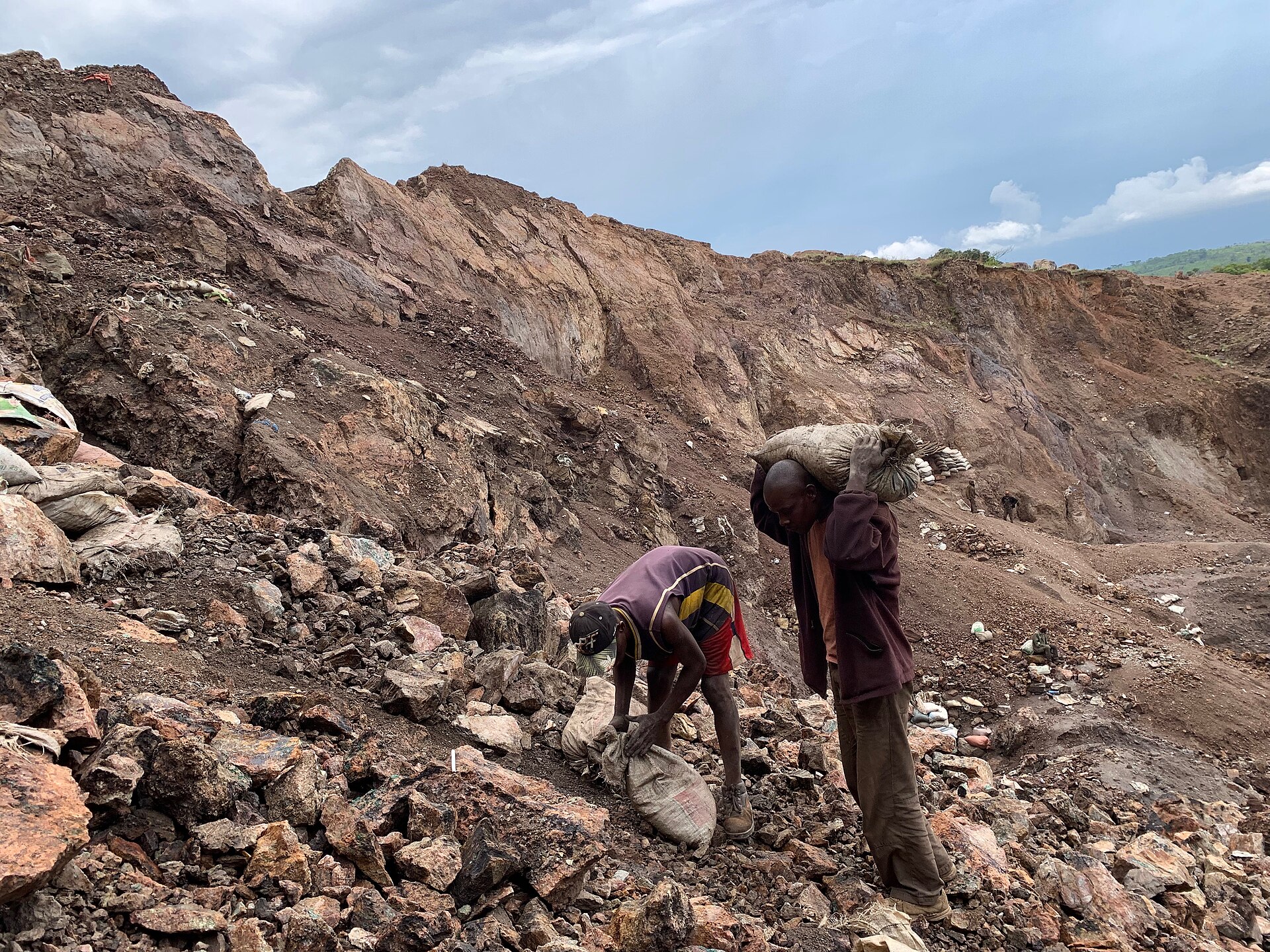
Because the minerals and the security are not actually the same negotiation, even though they were signed as one deal. Minerals contracts close on commercial and geological timelines that don't wait for a ceasefire to hold. And Kinshasa's own stated motive for listing Rubaya — a mine it does not control — is to use the promise of US investment as bait: a senior DRC official said the goal was to draw the US into 'recovering the area militarily for the Congolese government'.
LikelyWho benefits?
Orion Critical Mineral Consortium and its US government backers get preferential access to two of Congo's largest copper-cobalt mines. Glencore gets a buyer for a 40% stake without losing operational control. Chile's Codelco and Antofagasta benefit from the copper-price bump the DRC's own export ban caused. Kinshasa gets to say, credibly for once, that it controls its own mineral exports — regardless of who controls the ground at Rubaya.
Who loses?
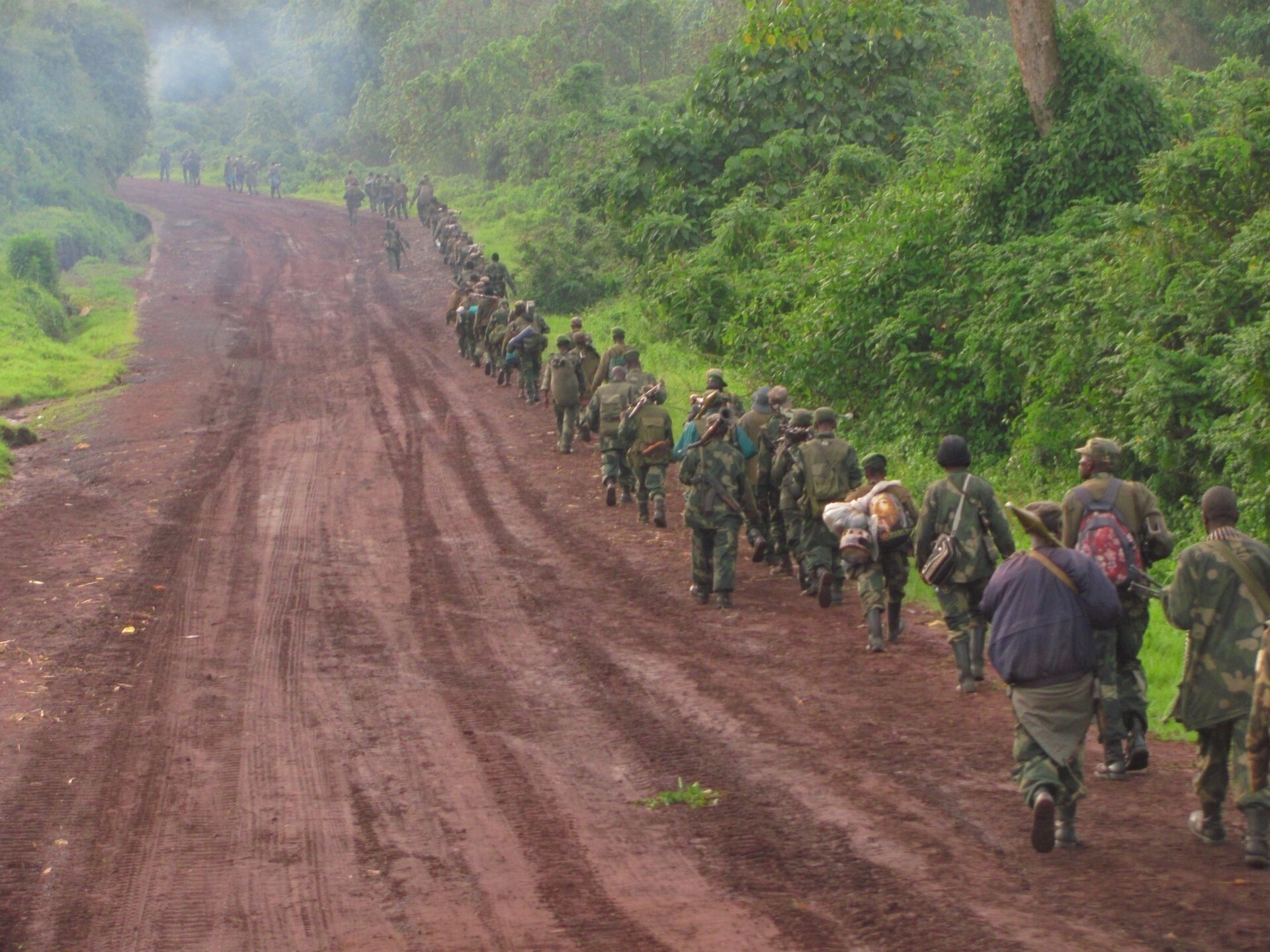
Civilians in eastern DRC, first: 74 killed and 200,000 displaced at Uvira alone, days after the deal that was supposed to make them safer was ratified. 'Generation after generation of Congolese have seen their lives and dignity sacrificed at the altars of politics and profit,' as Doctors Without Borders' international president put it. And smaller Congolese and artisanal mining operators, who face 'permanent bans and quota losses' under the new export rules if they miss compliance deadlines that Ivanhoe Mines and the largest Chinese operators have the legal and financial resources to meet.
ConfirmedWhat happened?
On 4 December 2025, Washington and Kinshasa signed a Strategic Partnership Agreement that built on a June 2025 framework: Rwandan troop withdrawal and an end to Congolese support for the FDLR militia on the security side, preferential American access to a 'Strategic Asset Reserve' of cobalt, copper and lithium deposits on the minerals side. Five to six days later, on 9-10 December, Rwandan forces and M23 attacked Uvira, South Kivu's second-largest city — at least 74 civilians killed, 83 wounded, 200,000 displaced by 10 December, per Doctors Without Borders and UN reporting. UN Under-Secretary-General Jean-Pierre Lacroix told the Security Council on 12 December that 'the growing gap between political commitments and their effective implementation on the ground undermines the credibility of the peace processes.' The minerals track did not wait for that gap to close: on 3 February 2026, the US-backed Orion Critical Mineral Consortium signed a non-binding MOU to acquire a 40% stake — roughly $9bn in enterprise value — in Glencore's Mutanda Mining and Kamoto Copper Company, two of Congo's largest copper-cobalt operations, with US Deputy Secretary of State Christopher Landau calling it a reflection of the partnership's 'core objectives'. On 5 February, a senior DRC official presented Washington with a shortlist of strategic mineral assets for US investment that included the Rubaya coltan-tantalum mine — which is not under Congolese government control at all, but held by M23 and its political wing, the Congo River Alliance, both under US sanctions and excluded from the peace process. In early March, after the US sanctioned elements of Rwanda's own military for combat support to M23, DRC and Rwanda met again in Washington and pledged 'time-bound' steps on troop disengagement and FDLR neutralisation. Then, in an order dated 29 June and disclosed by Reuters on 6 August, three DRC ministers banned copper and cobalt concentrate exports 'with immediate effect', ending Ivanhoe Mines' long-standing Kamoa-Kakula export exemption and pressuring the Chinese firms that handle roughly 80% of Congolese cobalt output to invest in local refining instead — a policy shift the government frames as proof it 'has control over exploration and production of minerals'.
Why did it happen?
The DRC's Rubaya move is the clearest evidence that Kinshasa itself does not see the minerals and security tracks as automatically linked: rather than waiting for the accord to deliver security before monetising the mine, it is trying to use a minerals offer to manufacture the security intervention it didn't get from the original deal. That the US had, a year earlier, sanctioned a different armed group (Pareco-FF) plus a Congolese firm and two Hong Kong exporters specifically for profiting from Rubaya's coltan — 'no armed group or commercial entity is immune from sanctions if they undermine peace, stability or security in the DRC', per a State Department spokeswoman — makes the February shortlisting more than a formality: it is an explicit invitation for the US to treat the same ground differently depending on who might invest in it next. On the security side, the record is not simply neglect: Washington did sanction elements of Rwanda's military in early March 2026 over M23 support, and the two governments met again to pledge troop disengagement. But the minerals deals — the $9bn Orion-Glencore stake, the August export ban — carry dollar figures, dates and named signatories; the security commitments carry verbs like 'time-bound' and 'intensified efforts' without matching specifics. Likely, not confirmed: we cannot verify from the public record whether US or DRC negotiators privately treat the two tracks as linked or genuinely parallel, only that their public pace and specificity diverge sharply.
LikelyWho benefits?
This is our own read of who is positioned to gain, not a sourced claim about intent. Orion CMC — established in October 2025 specifically to build US-aligned critical-mineral supply chains — gets the right to appoint non-executive directors at Mumi and KCC and to direct sales to nominated buyers, which Glencore's own announcement frames as 'securing critical minerals for the United States and its partners'; Glencore keeps managing both mines day to day while monetising a stake. On the export-ban side, Chile's Codelco and Antofagasta are direct beneficiaries of the supply tightening: benchmark three-month LME copper rose 1.8% to $14,369.50 a tonne on the news, near its 2026 high. Kinshasa's win is more political than financial in the short run: a ban that forces both Ivanhoe (Western) and the Chinese firms controlling roughly 80% of cobalt output to invest in domestic refining lets the government claim genuine sovereignty over its own resource, a claim that costs it nothing at Rubaya, where it has no such control to exercise.
Who loses?
The clearest, most confirmed loss sits with the people the deal named as its justification: at least 74 civilians killed and 83 wounded at Uvira on 9-10 December 2025, with 200,000 displaced within a day of a peace agreement whose entire premise was reducing exactly this kind of violence. The UN's own assessment — 'the growing gap between political commitments and their effective implementation on the ground undermines the credibility of the peace processes' — is as close to an official verdict on this asymmetry as exists on the record. A second, quieter loss sits in the minerals policy itself: the August export ban's compliance deadlines and waiver system, administered at 'the mines minister's sole discretion', are a bigger relative burden for smaller Congolese processors and artisanal supply chains than for Ivanhoe or the largest Chinese buyers, who have the capital and legal teams to seek exemptions or build refining capacity. Confirmed, not likely: the casualty and displacement figures are independently reported by UN and humanitarian sources, and the compliance-asymmetry point follows directly from the order's own stated terms.
ConfirmedDomino Effect
The causal chain so far, dated from what the sources actually report. New dominoes append as they fall.
The minerals track's pace suggests it was never actually contingent on the security track succeeding: the $9bn Orion-Glencore stake closed on a commercial timeline two months after Uvira, and the August export ban is a Congolese domestic policy choice that needed no American cooperation at all. Making US investment conditional on measurable security progress might have given Washington real leverage it does not currently appear to be using — or it might simply have delayed deals that serve US strategic interests (denying China preferential access) regardless of the ceasefire's fate. Nothing in the public record shows which effect a conditional structure would have produced; this is our reasoning about incentives, not a sourced claim about a road not taken.
Corrections & revisions
1Every change to this analysis since publication, with the reason. We append here — we don't rewrite. A number that changes silently is indistinguishable from never having been wrong.
RSS feed-
REVISITRewrote the "why this matters to you" hook. whether a security-for-minerals bargain is really two separate deals wearing one name, with only the profitable half actually being kept → The US traded security help for Congo's minerals. Only the minerals half of that deal is actually moving.Operator decision, 2026-08-19: whyItMatters.outcome is now the page's primary hook and every analysis was rewritten to a single short, concrete, human-stakes sentence (docs/EDITORIAL.md, Permanent standards #4) — replacing several that had grown into full paragraphs or abstract policy-thesis phrasing.
Sources
6 sources
Every source behind the Trust Index above. Follow them — a trust score you can't check is decoration.
- Proposed acquisition by US-backed Orion Critical Mineral Consortium of a strategic stake in Glencore's DRC assets
- DRC adds Rubaya coltan mine to US strategic minerals shortlist
- Violence in DRC endangers peace accord with Rwanda
- DR Congo Bans Copper and Cobalt Concentrate Exports, Lifting the Copper Price
- Rwanda, DRC agree to 'ease tensions' after talks in Washington
- US sanctions DR Congo armed group over illicit mining, ceasefire tested
Nothing here stands alone. This story is one node in a wider web — every card is another thread you can pull.