Germany Freed Its Defense Budget From the Debt Brake. The Bottleneck Moved, It Didn't Disappear.
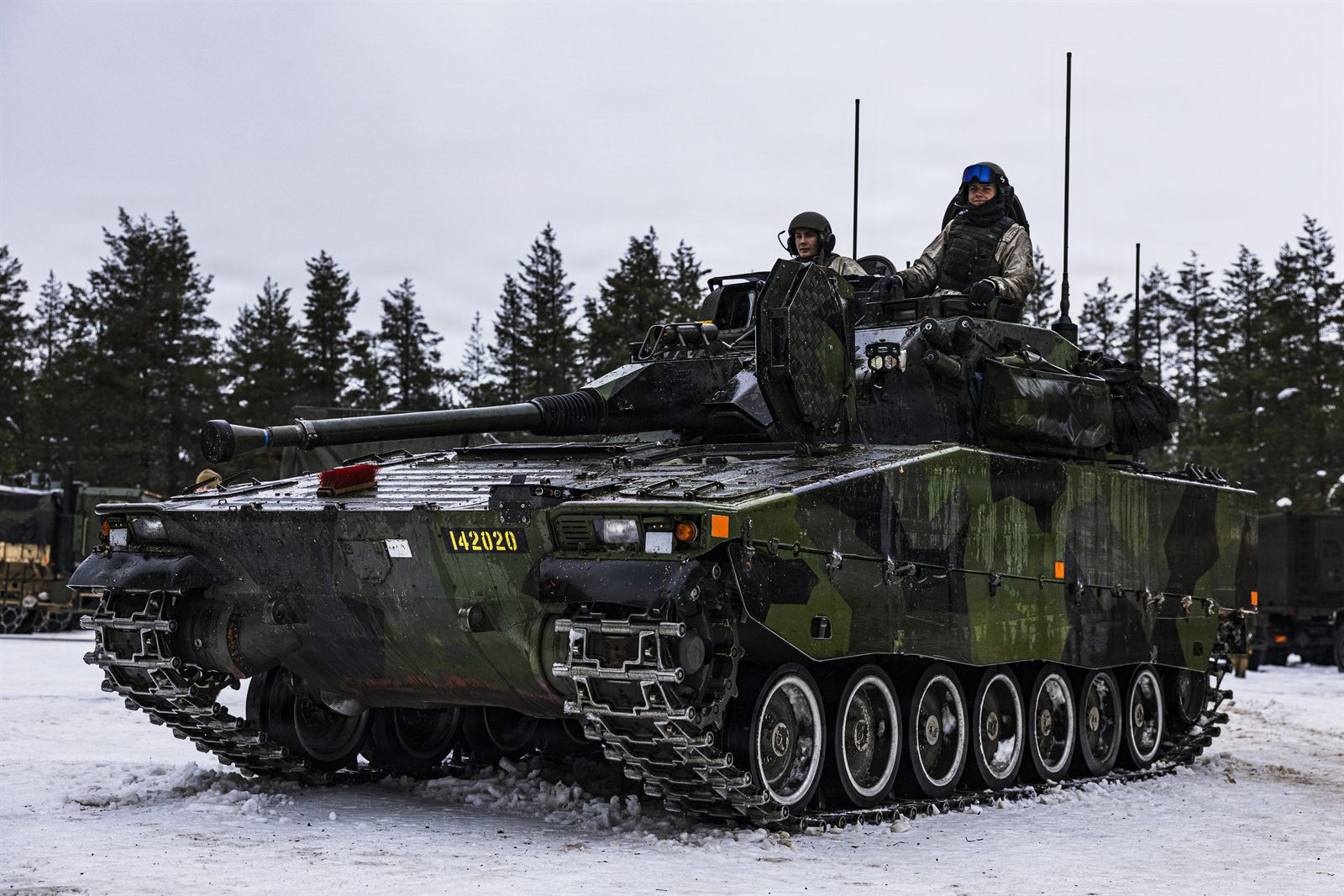
Germany found the money for rearmament fast. Finding the soldiers and the factories is taking years longer.
What happened?
On 21 March 2025 Germany's Bundestag amended the constitution to exempt defense spending above 1% of GDP from the debt brake. By 2026 that produced a regular defense budget of about €83bn (up roughly 32% from ≈€63bn in 2025) plus about €25.5bn more from the pre-existing €100bn special fund — a combined €108bn, more than the UK's and France's defense budgets added together. But the money has outpaced the machinery built to spend it: the special fund was already fully committed to contracts by the end of 2024, will run dry entirely at the end of 2026, and its intended successor — a €377bn, 12-year Bundeswehr Investment Programme, about €182bn of it earmarked directly for German industry — was still an internal planning document, not an appropriated budget, when it was first reported in November 2025. On 15 January 2026 the Bundestag passed a second law, the Planning and Procurement Acceleration Act (BwPBBG), specifically to speed up how fast contracts can be awarded.
Why did it happen?
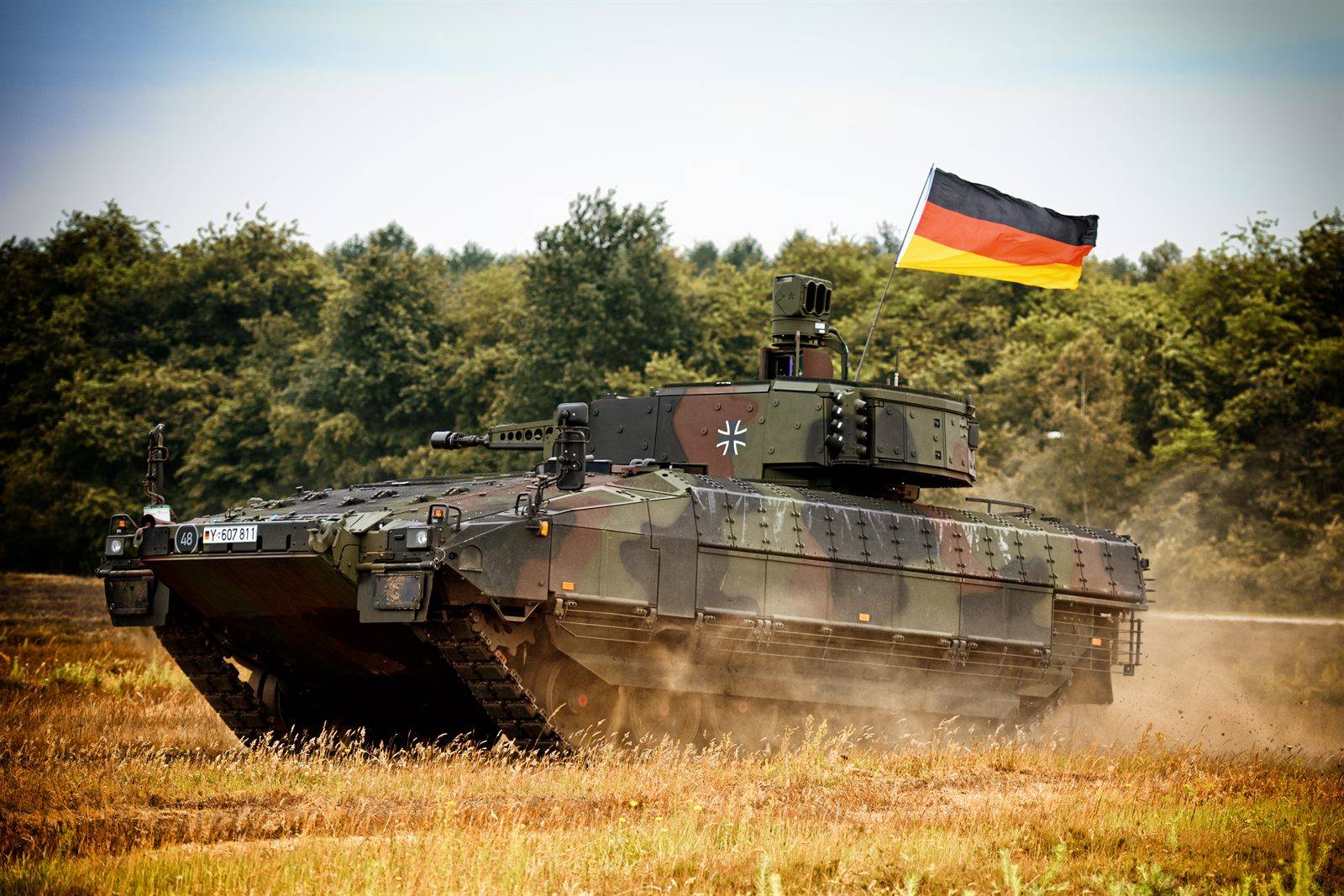
Two separate pressures collided. Externally, NATO's June 2025 Hague summit set a 5%-of-GDP target (3.5% for core defense, 1.5% broader) with a review in 2029 and a final deadline of 2035 — a number Berlin's debt-brake exemption is explicitly built to hit. Internally, Germany's own procurement system had already been diagnosed as the deeper problem: it once took the Bundeswehr seven years just to select a replacement service rifle, a case widely cited as proof that the constraint was never really the budget.
Who benefits?
German defense manufacturers most concretely — about €182bn of the €377bn successor programme is earmarked directly for domestic industry, and firms like Rheinmetall have already expanded artillery-ammunition capacity roughly fifteenfold since 2022 on the strength of these contracts. Chancellor Merz's government gains a rearmament narrative to point to. NATO allies gain a stronger frontline contributor. Whether Bundeswehr readiness itself benefits at the same pace is the open question this file is built around.
UncertainWho loses?
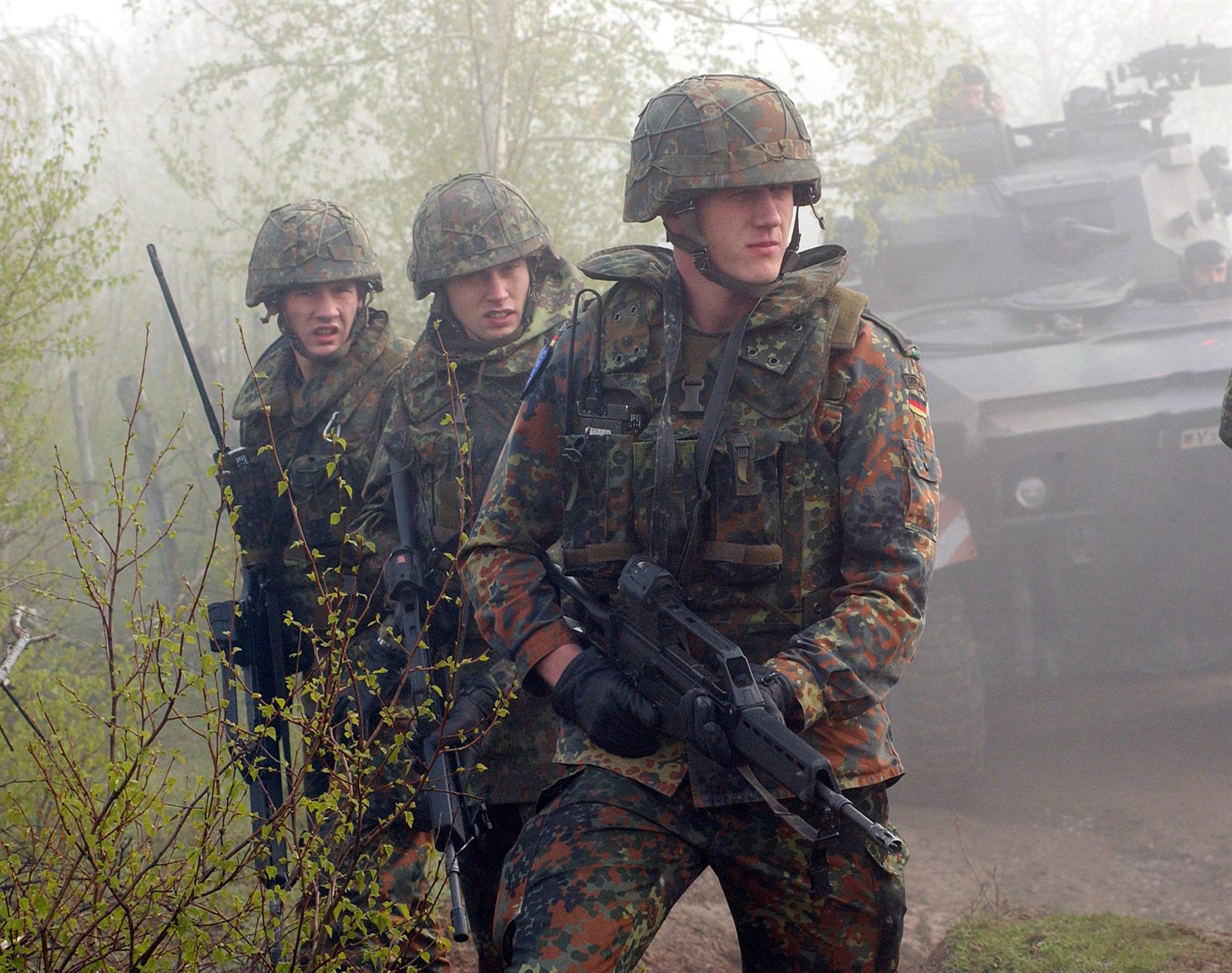
German taxpayers carry the debt the exemption unlocks, with no equivalent constitutional exemption on the interest bill. The Bundeswehr's own personnel pipeline is the most concrete strain: it ended 2025 at 184,194 active troops against a legal 2026 floor of 186,000–190,000, with roughly 20–28% of positions vacant in the most recent detailed count and a new law that writes conscription back into German law as the fallback if voluntary recruitment falls short. And skeptics of the procurement fix itself — who argue the dysfunction is cultural and structural, not legal — say a law like the BwPBBG risks 'automating dysfunction' rather than ending it.
What happened?
The debt-brake amendment did not just loosen a limit — it removed one entirely for a defined category of spending, permitting what Deutsche Bank Research calls 'effectively open-ended borrowing for defence' above the 1%-of-GDP floor. The near-term effect is visible in the numbers: Germany's core 2026 defense budget rose to roughly €82.7–83bn, a jump of about €20bn on 2025, and combined with roughly €25.5bn still flowing from the original €100bn special fund (Sondervermögen) created in 2022, total 2026 defense outlays reach about €108bn — comfortably the largest in Europe. What the budget line does not show is that the special fund had already been fully committed to industry contracts by the end of 2024, well before most of the hardware it paid for had been delivered; procurement projects for items like next-generation frigates and combat aircraft routinely run seven to fifteen years from contract to delivery. The intended bridge to a permanent higher spending trajectory — a 12-year, €377bn Bundeswehr Investment Programme covering more than 320 procurement projects, with about €182bn going directly into German industry — surfaced publicly in November 2025 as an internal 39-page planning document rather than a Bundestag-approved multi-year appropriation, meaning most of it still depends on future budget votes. Recognising that the constraint had shifted from money to process, the Bundestag passed the BwPBBG on 15 January 2026: it suspends the requirement to split large contracts into smaller lots until 2035, expands direct-award exemptions for sensitive defense technology, and — new — allows the government to make advance payments to contractors to accelerate industrial capacity, changes that only make sense if the previous bottleneck was administrative rather than financial.
Why did it happen?
The debt-brake reform and the Hague summit target are causally linked but not identical events — the constitutional amendment passed on 21 March 2025, three months before NATO allies agreed the 5% figure on 25 June 2025, which suggests Berlin was already moving in that direction and the summit gave it a number to formalise around rather than the trigger itself. Germany's coalition government, formed after the February 2025 election, treated the scale of the war in Ukraine and doubts about the durability of the US security guarantee as reason enough to act before any NATO commitment existed. What the Hague declaration did add is a fixed, monitorable benchmark — 3.5% of GDP on core defense requirements by 2035, with a collective progress review in 2029 — against which Germany's trajectory can now be judged rather than asserted. Separately, and on a longer timeline, Germany's own procurement culture had already been diagnosed as dysfunctional independent of any budget question: a widely cited case, repeated in both defense trade press and management-consulting analysis, is that it took Germany roughly seven years to select a replacement service rifle, a delay attributed to fragmented agency ownership, risk-averse over-specification and legal challenges from losing bidders that automatically halt a contract award pending appeal. That diagnosis — that the system, not the sum, was the constraint — is the more direct explanation for why Berlin passed a second, narrower law (BwPBBG) aimed specifically at contract-award mechanics only ten months after the debt brake was already lifted. Likely, not confirmed, because the sequencing of political motives (Ukraine, US doubts, NATO pressure, coalition politics) cannot be cleanly separated from the sourcing available.
Who benefits?
The clearest, most immediate beneficiary is Germany's domestic defense-industrial base: of the €377bn successor programme, roughly €182bn is earmarked to flow directly into German industry rather than foreign suppliers, and the acceleration law's own provisions — advance payments, direct-award exemptions for 'key defence industrial technologies' — are written to favour firms already inside that base over new or foreign entrants. Rheinmetall is the visible example: its own reporting describes medium-calibre ammunition capacity rising from about 800,000 to more than four million rounds a year and artillery-shell capacity from 70,000 to 1.1 million, expansion financed substantially by the same special fund and 2026 budget this file tracks. Politically, Chancellor Merz's coalition benefits from a rearmament narrative — 'Germany becomes Europe's strongest conventional military by 2039' — that is easier to defend than one built purely on debt. NATO allies benefit from a larger, better-funded German contribution to collective defense regardless of how fast delivery actually happens, since committed euros already count toward alliance benchmarks. Uncertain, because none of the sourcing available separates the political value of announcing this spending from the military value of actually fielding it — those two benefits move on different timelines, and only one of them requires the procurement bottleneck to close.
UncertainWho loses?
Three groups carry the cost side of this file. German taxpayers and future budgets absorb debt that has no equivalent constitutional carve-out on repayment — the same amendment that exempted defense spending above 1% of GDP from the debt brake did nothing to exempt the interest that debt will eventually cost. The Bundeswehr's own workforce is the more immediate strain: as of 31 December 2025 it stood at 184,194 active-duty personnel, short of the 186,000–190,000 range the Wehrdienst-Modernisierungsgesetz (passed December 2025) sets as a binding 2026 target, on top of a 2024 baseline in which nearly 20% of non-enlisted and 28% of enlisted positions sat vacant. That same law writes conscription back into German statute as a contingency mechanism, to trigger only if voluntary recruitment continues to fall short of the path toward a stated long-term target of 260,000 active troops and 200,000 reservists by the mid-2030s — a fallback that exists precisely because money alone has not solved the staffing side of this build-up. Finally, the more skeptical read on the legal fix itself, from a commerce-and-contracting analysis published in August 2025, argues that Germany's procurement dysfunction is structural and cultural — fragmented agency ownership, risk-averse over-specification, thin in-house commercial expertise — and warns explicitly that 'technology alone will not fix the problem' and that speeding up a broken process without reforming it risks 'automating dysfunction' rather than ending it. Likely, not confirmed, because the personnel shortfall and the debt exposure are documented facts, but whether the January 2026 procurement law actually closes the execution gap — as opposed to just moving it — is exactly the disputed claim no outcome data yet exists to settle.
Domino Effect
The causal chain so far. Read the dates against each other — that is the whole argument.
It is a defensible reading that the original €100bn special fund, created back in 2022 under Chancellor Scholz, was already committed to contracts by the end of 2024 regardless of the 2025 constitutional amendment — meaning the execution gap between committed money and delivered capability predates the debt-brake reform and would exist on roughly the same timeline whether or not the exemption had passed. Under that reading, the real drivers are the war in Ukraine's duration and NATO's Hague target, and the debt-brake amendment mainly regularises financing that was already happening off-budget through the special fund, rather than causing a step-change in what Germany could spend. What the debt-brake story adds, even under this reading, is durability: a special fund is a one-time pot that runs dry, while a constitutional exemption is a standing feature that makes the €377bn successor programme possible to imagine as multi-year rather than one-off — which is precisely why the money-versus-machinery gap this file tracks is now a permanent feature of German defense policy rather than a transitional one.
Corrections & revisions
1Every change to this analysis since publication, with the reason. We append here — we don't rewrite. A number that changes silently is indistinguishable from never having been wrong.
RSS feed-
REVISITRewrote the "why this matters to you" hook. Germany solved its financing constraint on rearmament well before it solved its execution constraint — and the gap between the two, not the topline euro figure, is now the thing to watch → Germany found the money for rearmament fast. Finding the soldiers and the factories is taking years longer.Operator decision, 2026-08-19: whyItMatters.outcome is now the page's primary hook and every analysis was rewritten to a single short, concrete, human-stakes sentence (docs/EDITORIAL.md, Permanent standards #4) — replacing several that had grown into full paragraphs or abstract policy-thesis phrasing.
Sources
10 sources
Every source behind the Trust Index above. Follow them — a trust score you can't check is decoration.
- Germany update: breaking from the brake
- The Hague Summit Declaration
- German Bundestag passes Armed Forces Planning and Procurement Acceleration Act
- Germany's military build-up continues, but personnel shortages remain
- Bundeswehr Personnel 2026: Full Force Structure by Branch, Rank & Gender
- Germany unveils strategy for becoming Europe's strongest military by 2039
- Germany's Historic Military Expansion: €83 Billion Defence Budget for 2026
- Germany's Defense Procurement Crisis: It's Time for Strategic Overhaul
- The end nears for Germany's 'special defence fund'. New Chancellor, new investment?
- Germany to Invest €377 Billion to Modernize Its Armed Forces
Nothing here stands alone. This story is one node in a wider web — every card is another thread you can pull.