A Drone That Never Detonated Just Cost Russia Its Cultural Centers in Germany
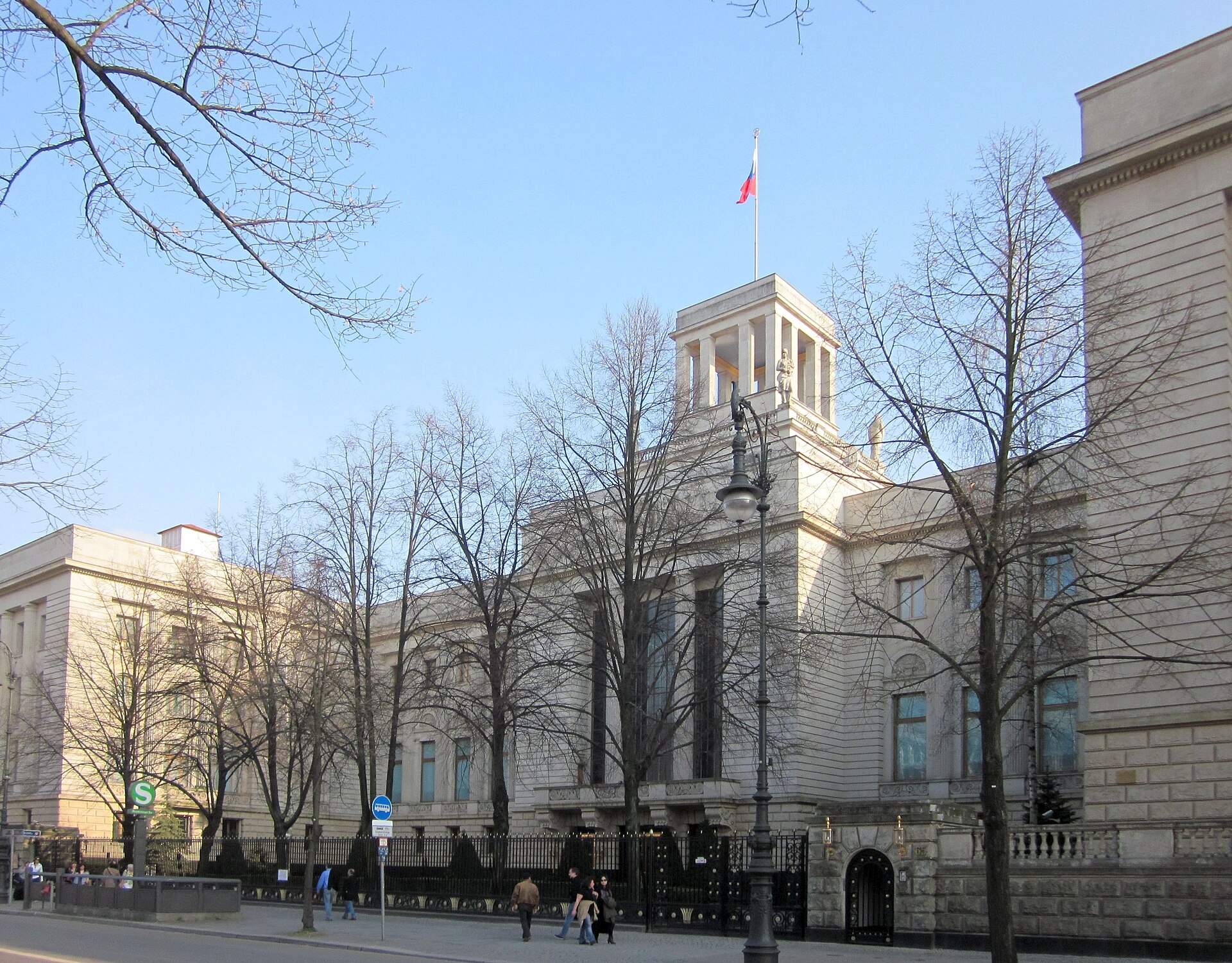
A bomb that never went off has already closed five cultural institutions across two countries and put 1,600 more names on a sanctions list.
- A drone carrying roughly 800 grams of Semtex and PETN struck a Ukrainian Antonov cargo plane's wing at Leipzig/Halle Airport on 4 August 2026 but failed to detonate; a second drone forced a passenger jet into a go-around the next morning, and a third, carrying about 50 grams of RDX, was found nearby on 14 August.
- On 1 September, German Interior Minister Alexander Dobrindt formally blamed Russia, raised the national threat assessment to "high," and ordered Russia's consulate in Bonn and its Russian House cultural centre in Berlin closed.
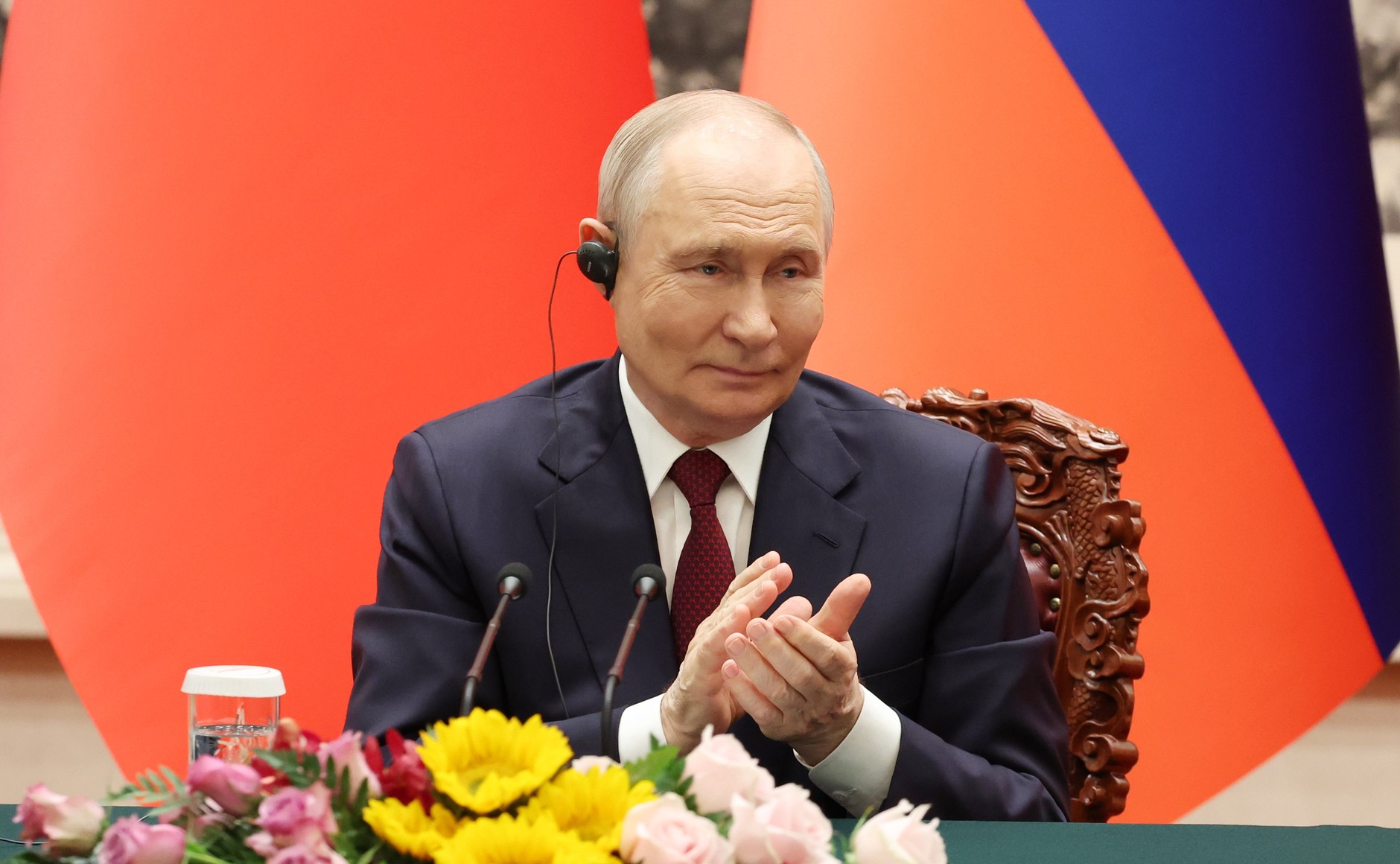
- Russia's Foreign Ministry called the case a "far-fetched, contrived pretext," and President Putin told reporters Germany "planted" the evidence, without offering evidence of his own.
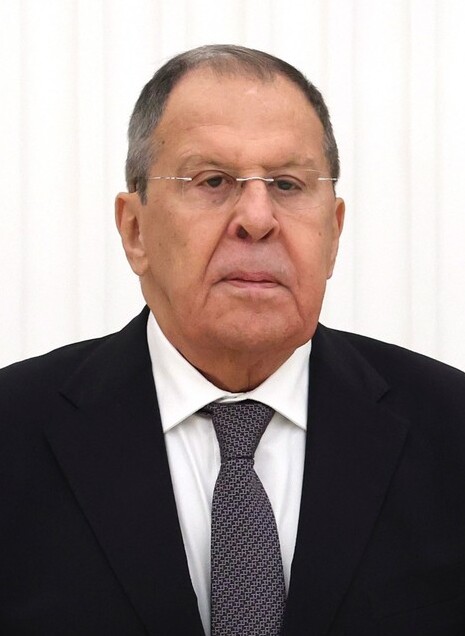
- Russia retaliated on 3 September, ordering Germany's own Goethe-Institut cultural centres in Moscow, St Petersburg and Yekaterinburg closed — while the EU separately moved toward sanctioning roughly 1,600 more Russian-linked individuals and entities.
- NATO's Secretary-General called the evidence of Russian responsibility "clear," but no forensic report has been made public, and neither government's account can be independently verified from outside.
What happened?
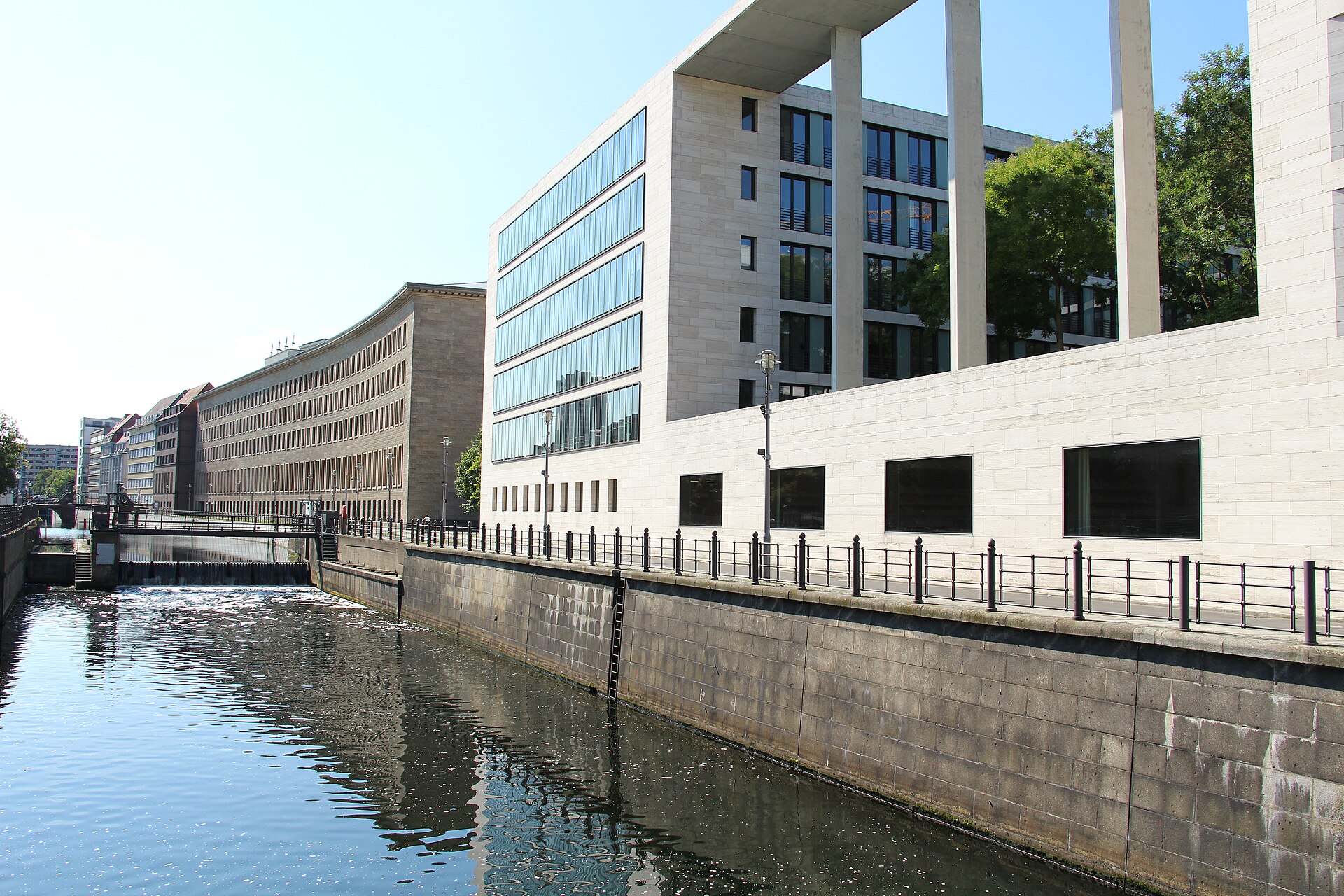
Three explosive-carrying drones turned up in and around Leipzig/Halle Airport in eastern Germany over ten days in August 2026. The first, discovered the night of 4 August, struck the wing of a Ukrainian Antonov cargo plane with roughly 800 grams of Semtex and PETN packed inside — it failed to detonate. A second drone forced a diverted passenger jet into a go-around the next morning. A third, carrying about 50 grams of RDX, was found in a field ten days later. On 1 September, German Interior Minister Alexander Dobrindt formally blamed Russia, based on what he called converging police, forensic and intelligence evidence, and ordered Russia's consulate in Bonn and its Russian House cultural centre in Berlin closed. Russia denied responsibility outright — its Foreign Ministry called the accusation a 'far-fetched and contrived pretext' — and on 3 September, Foreign Minister Sergei Lavrov ordered Germany's Goethe-Institut centres in Moscow, St Petersburg and Yekaterinburg shut in response.
Why did it happen?
Germany's official read is that this fits a known pattern: Russian 'hybrid operations' — sabotage, arson and drone incidents — have hit multiple European countries since the Ukraine war began, and this is the most serious one on German soil yet, aimed at a NATO airlift hub moving supplies toward Ukraine. NATO's own Secretary-General called the evidence of Russian responsibility 'clear.' Moscow's account is the opposite: that Germany is fabricating a pretext, for reasons Russian officials have not specified beyond gesturing at domestic distraction. Neither side's account can be independently verified from the outside — no forensic report has been made public.
Who benefits?
If Germany's account is right, Russia gets almost nothing tangible and pays a real diplomatic price — which is itself an argument some skeptics make against the German version. The clearer beneficiaries are institutional: NATO cohesion gets a visible boost (allies rallying fast behind Germany), and the EU's sanctions hawks get a fresh, concrete case to justify the next round of measures it was already building toward. Ukraine benefits from the attention landing on an attack aimed at its own supply chain.
Who loses?
The most concrete losers are the institutions actually being shut down: the Goethe-Institut, which had run cultural programming in Russia since 1992 through years of deteriorating relations, and Russia's own cultural and consular presence in Germany. More broadly, anyone counting on German-Russian civil-society and cultural ties surviving the war — the last channels that had stayed open — loses a real, working relationship in exchange for a diplomatic gesture neither government's core interests actually required.
LikelyWhat happened?
The sequence begins at Leipzig/Halle Airport, a hub for NATO's Strategic Airlift Capability and a transit point for Ukraine-bound cargo. Just before 7:30pm on 4 August 2026, a drone roughly the size of a microwave oven struck the wing of a Ukrainian-operated Antonov An-124 near its fuel tank. Investigators later confirmed the device carried Semtex and PETN explosive, with German media (Leipziger Volkszeitung) putting the charge at up to 800 grams; it did not detonate and was found on the ground hours later by an airport worker. Early the next morning, as the airport's closure forced a European Air Transport Leipzig Boeing 757 to abort its landing from Marseille, the aircraft collided with a second, still-unidentified drone during its go-around, sustaining minor nose damage before diverting safely to Hanover. On 14 August, investigators recovered a third drone in a field near Kabelsketal, this one carrying roughly 50 grams of RDX — bringing the total to three armed devices in ten days. Germany's investigation, coordinated through its Joint Centre for Countering Hybrid Threats, ran for nearly a month before Dobrindt went public on 1 September: he told reporters that 'police investigations, patterns of the offences and intelligence findings establish Russian responsibility for the attack,' and Germany raised its national threat assessment from general to high — its most serious step outside open conflict. Alongside the consulate and cultural-centre closures, Berlin summoned Russia's ambassador and pressed the EU for sanctions and travel restrictions on Russian nationals and Russia's 'shadow fleet.' Moscow's response was immediate and total denial: the Russian Embassy in Berlin called the case 'absurd,' and Putin, speaking to reporters in Kyrgyzstan at a Shanghai Cooperation Organisation summit, said flatly that 'the proof has been planted' — offering no counter-evidence. Two days later, Lavrov ordered the reciprocal closure of Germany's own cultural outposts inside Russia, telling reporters 'of course, they will be closed after our cultural center was kicked out.'
Why did it happen?
Dobrindt's own framing ties the incident to a broader pattern of what German officials call Russian hybrid warfare against Europe — sabotage attempts, arson, and drone incursions reported across Poland, the Baltic states, Denmark and elsewhere since 2025, none conclusively proven in open court but consistently attributed by Western governments to Russian state or proxy actors. Leipzig/Halle's specific role as a Strategic Airlift Capability hub moving cargo toward Ukraine gives this incident an obvious strategic logic if the German account is correct: disrupting or intimidating the logistics chain without a deniable act of open war. NATO Secretary-General Mark Rutte backed Germany's evidence as 'clear,' and EU Commission President von der Leyen pledged unified opposition, which is itself informative — allied governments converged on Berlin's account within days, before any independent forensic report was made public. On the Russian side, the denial has been categorical rather than argued: Putin's 'the proof has been planted' and the Foreign Ministry's 'far-fetched and contrived pretext' assert fabrication without presenting a competing account of what actually happened at Leipzig. That asymmetry — a specific, evidenced accusation against a blanket denial — is why this analysis rates Germany's account as likely rather than confirmed: allied convergence is suggestive, not the same as an independent, publicly released forensic finding. Lavrov has since sharpened Russia's own framing rather than softened it: on 6 September he told reporters he saw 'signals of the start of a real war' in Germany's response, explicitly comparing it to diplomatic closures before World War II, and citing Chancellor Merz's push to build up Germany's military as further evidence of Western aggression — rhetoric that escalates rather than answers the underlying evidence dispute.
Who benefits?
The 'who benefits' question cuts against a simple reading of Russian responsibility: three drones that mostly failed, a diplomatic cost (two consulates and three cultural centres closed, an EU sanctions push accelerated) with no clear military gain, is a poor trade if Moscow ordered it deliberately as a discrete operation — which is part of why Russia's denial, however unevidenced, is not dismissed out of hand by every observer. What is clearer is who benefits from the crisis regardless of who caused it. NATO's cohesion narrative gets reinforced exactly when unity is being tested elsewhere (Ukraine's front lines, EU sanctions fatigue); Rutte's fast, unqualified backing of Germany's account is itself a form of alliance-management payoff. The EU's own sanctions push was already in motion — Kallas's 1,600-target list predates this specific incident — and a fresh, vivid case (Kaja Kallas called it having 'all the hallmarks of state-sponsored terrorism') gives it political cover to move faster than the routine sanctions-renewal cycle would have. Ukraine benefits from the story reframing a strike on its own war-supply chain as an attack on Germany and NATO directly, widening the coalition that treats it as a shared problem. Uncertain, because 'benefits' here means different things to each actor and no source weighs them against each other on a common scale.
Who loses?
The Goethe-Institut's Moscow branch was one of the last visible pieces of German soft-power infrastructure inside Russia, operating continuously since 1992 through NATO expansion, the Ukraine invasion and years of sanctions escalation — its closure ends a 34-year run, not a recent or symbolic presence. On the German side, the Russian House cultural centre in Berlin loses its own decades-long footprint. Neither institution is intelligence infrastructure or war materiel; both are the kind of low-stakes cultural contact that outlasts most diplomatic ruptures precisely because it costs so little to keep open, which makes their closure now a real de-escalation signal in reverse — a decision by both governments that domestic political cover is worth more than the last surviving thread of ordinary contact. Likely rather than confirmed because the practical loss (fewer language courses, cultural events, visa/consular services in Bonn) is real and documented, while the deeper claim implied by the reciprocal tit-for-tat — that this specific incident is what tips a relationship that could otherwise have limped along — is this analysis's own reading of the sequence, not something either government states directly.
LikelyDomino Effect
The causal chain so far. Read the dates against each other — that is the whole argument.
Russia's own account offers no alternative theory of who else could have built and flown three armed drones near a NATO airlift hub — its position is flat denial, not a competing narrative. That gap matters: a state genuinely uninvolved usually has an interest in naming who else might be responsible, and neither Putin nor the Foreign Ministry has done so. Still, no independent, publicly released forensic report has confirmed state-level Russian direction as opposed to a proxy or freelance actor operating with Russian-made or Russian-linked components — a distinction Germany's own statement blurs by speaking of 'patterns' and 'intelligence findings' without publishing the underlying evidence. A forensic report naming a specific unit or command chain, if one is ever made public, would settle this far more than the current back-and-forth of assertion and denial can.
Corrections & revisions
4Every change to this analysis since publication, with the reason. We append here — we don't rewrite. A number that changes silently is indistinguishable from never having been wrong.
RSS feed-
REVISITResolved the 'Bonn consulate closure proceeds on schedule' probability as YES. open, 97% → resolved yesThe 18 September 2026 deadline this analysis was tracking has now passed with no report of reversal or extension.
-
REVISITAdded one citation and one domino step, and moved bonn-consulate-closure-proceeds, with a dated note. bonn-consulate-closure-proceeds: 92% (open) → bonn-consulate-closure-proceeds: 97% (open)Russia's own ambassador confirmed Germany refused to let Bonn consulate staff transfer to the Berlin embassy, with the closure and staff departure proceeding on schedule for 18 September — the clearest evidence yet against any last-minute reversal.
-
REVISITAdded one citation, one domino step, and moved further-expulsions, with a dated note. further-expulsions: 35% (open) → further-expulsions: 55% (open)Lavrov told reporters he sees 'signals of the start of a real war' in Germany's response, invoking pre-WWII diplomatic closures, and Russia ordered Germany's own consulate-general in St Petersburg closed by 18 September — an escalation beyond the Goethe-Institut retaliation this analysis already tracked.
-
REVISITMoved bonn-consulate-closure-proceeds and added one citation. bonn-consulate-closure-proceeds: 75% (open) → bonn-consulate-closure-proceeds: 92% (open)revisit.js flagged this estimate as judgeable within 10 days. The Bonn consulate itself has since confirmed the closure in writing, ahead of the 18 September deadline — a stronger signal than the German closure order alone.
Sources
10 sources
Every source behind the Trust Index above. Follow them — a trust score you can't check is decoration.
- Germany accuses Russia of failed drone attack on Leipzig airport in August
- Semtex Used in Leipzig Airport Drone Bomb, Investigators Confirm
- Germany Finds Third Explosive Drone Near Leipzig Airport as NATO Antonov Attack Probe Expands
- EU eyes more Russia sanctions after failed drone attack in Germany
- What to know about Germany's drone attack accusations against Russia
- Russia Will Close Germany's Goethe-Institut Cultural Centers, Lavrov Says
- Russia to close Goethe-Institut centres as Germany tensions escalate
- Russia Closes Its Last Consulate General in Germany Following Drone Incident in Leipzig Airport
- Lavrov Says 'Start Of Real War' Emerging As Russia Deepens Diplomatic Freeze With Germany
- Germany refuses to transfer employees of consulate in Bonn to Berlin — Russian ambassador
Nothing here stands alone. This story is one node in a wider web — every card is another thread you can pull.