Congo's Copper Now Has Two Railways Racing to Carry It Out. One Is Backed by the West, One by China.
The cobalt in your phone battery and the copper in your car's wiring both come from the same few mines in Congo — and two foreign-backed railways are now racing to decide which port, and which country's supply chain, they end up in.
What happened?
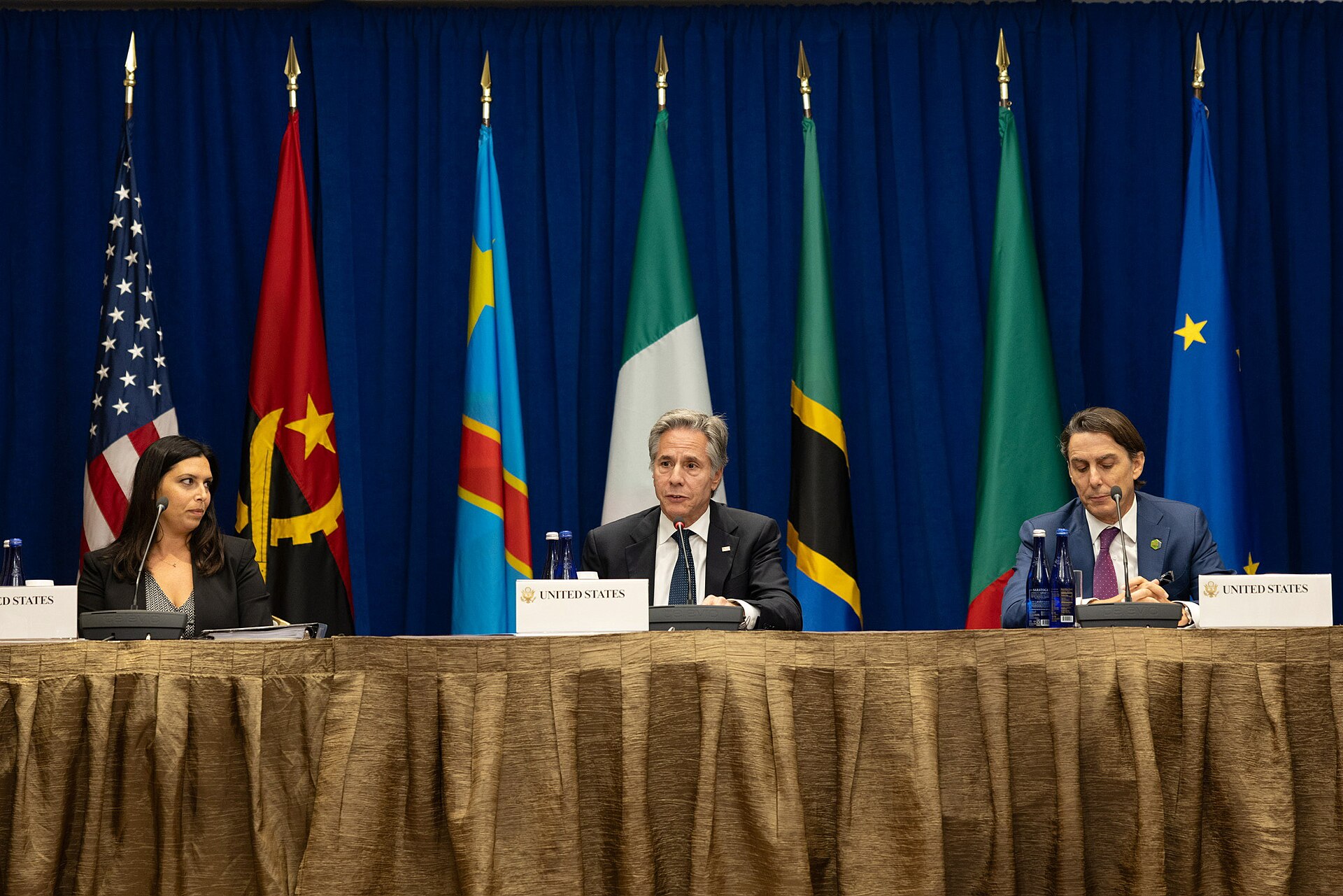
On 26 August 2026, Congo's President Félix Tshisekedi and Angola's President João Lourenço signed a roughly $1.26 billion deal to rebuild and extend the railway that links Congo's copper-and-cobalt region to Angola's Atlantic port of Lobito. This is the latest move in the 'Lobito Corridor,' a US- and EU-backed rail project worth about $6 billion in total pledges, including a $753 million loan package signed in December 2025. It runs on tracks China itself spent about $1.8 billion rebuilding between 2006 and 2014 — before Angola handed the operating rights to a Western company group in 2023. In response, China signed its own $1.4 billion, 30-year deal with Zambia and Tanzania in November 2025 to revive a rival railway, TAZARA, which carries the same kind of cargo to the Indian Ocean instead of the Atlantic.
Why did it happen?
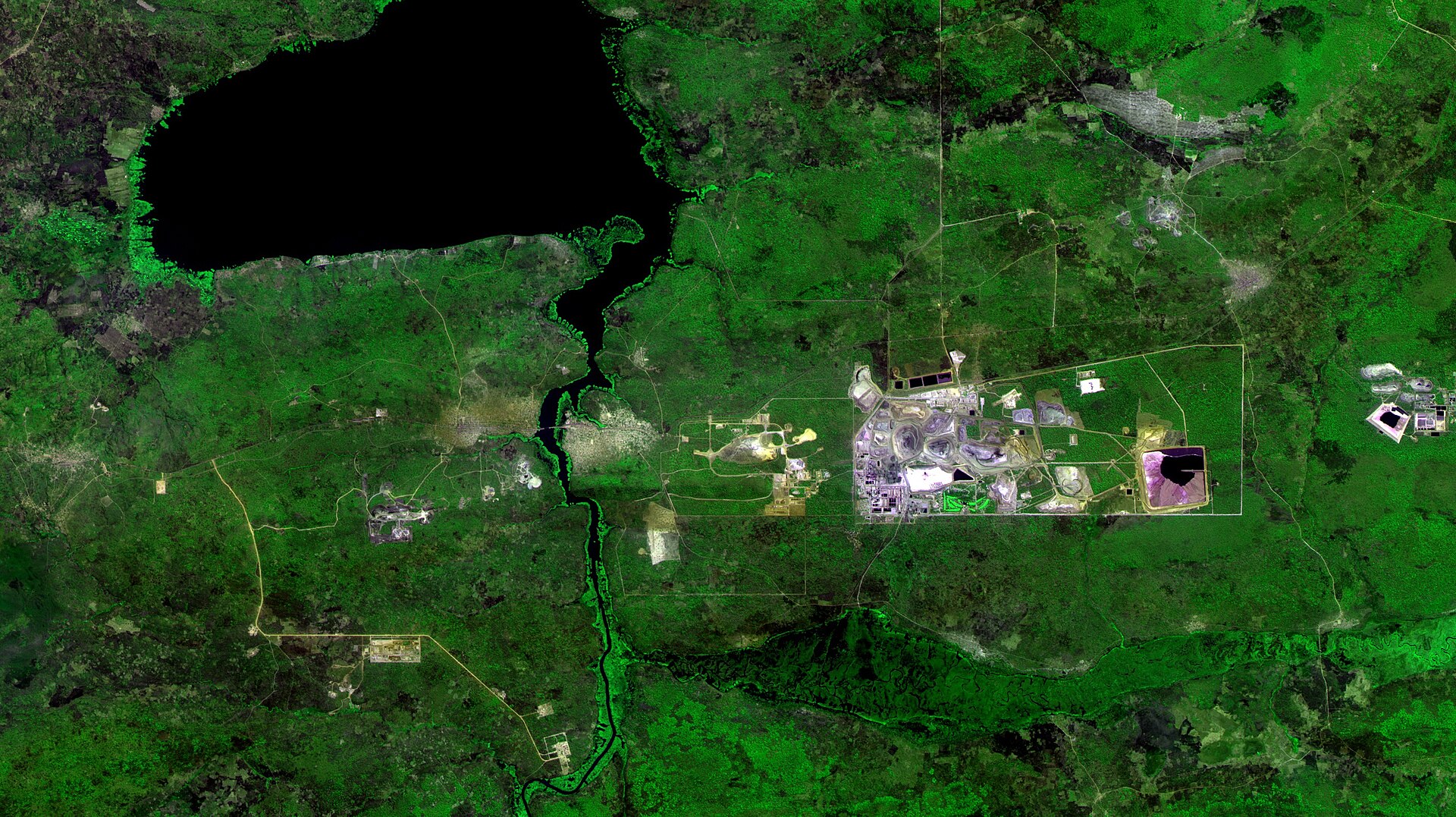
Congo produces most of the world's cobalt and is a top copper source — both essential for electric-vehicle batteries, phones and computer chips. For years, Chinese-owned or -financed companies dominated the mines and the routes carrying that cargo out. The US, worried about depending on a rival for materials it needs, calls this preventing 'monopolization by China' and is spending billions to build a route it controls instead. China, in turn, is spending on its own alternative — TAZARA — so it isn't shut out of the same minerals if the Atlantic route stops favoring it.
Who benefits?
Congo, Angola and Zambia are the clearest short-term winners: having two foreign powers competing for their minerals gives their governments more leverage to negotiate better terms than they had with only one buyer. Mining companies on both routes get a faster, cheaper way to move cargo. Whether ordinary people in the mining regions see any of that benefit — in jobs, roads, electricity — is a separate and much less certain question.
UncertainWho loses?
SOAS professor Mike Jennings warns the corridor could be 'very neocolonial in practice' — a route designed by and for outside powers to extract minerals, echoing the original Benguela Railway, built by colonial powers in 1902 for exactly that purpose. Global Witness has flagged up to 6,500 people at risk of displacement in Congo from the project. And splitting investment across two competing, only-partly-funded railways instead of one properly funded one risks neither corridor reaching its full promised capacity on schedule.
LikelyWhat happened?
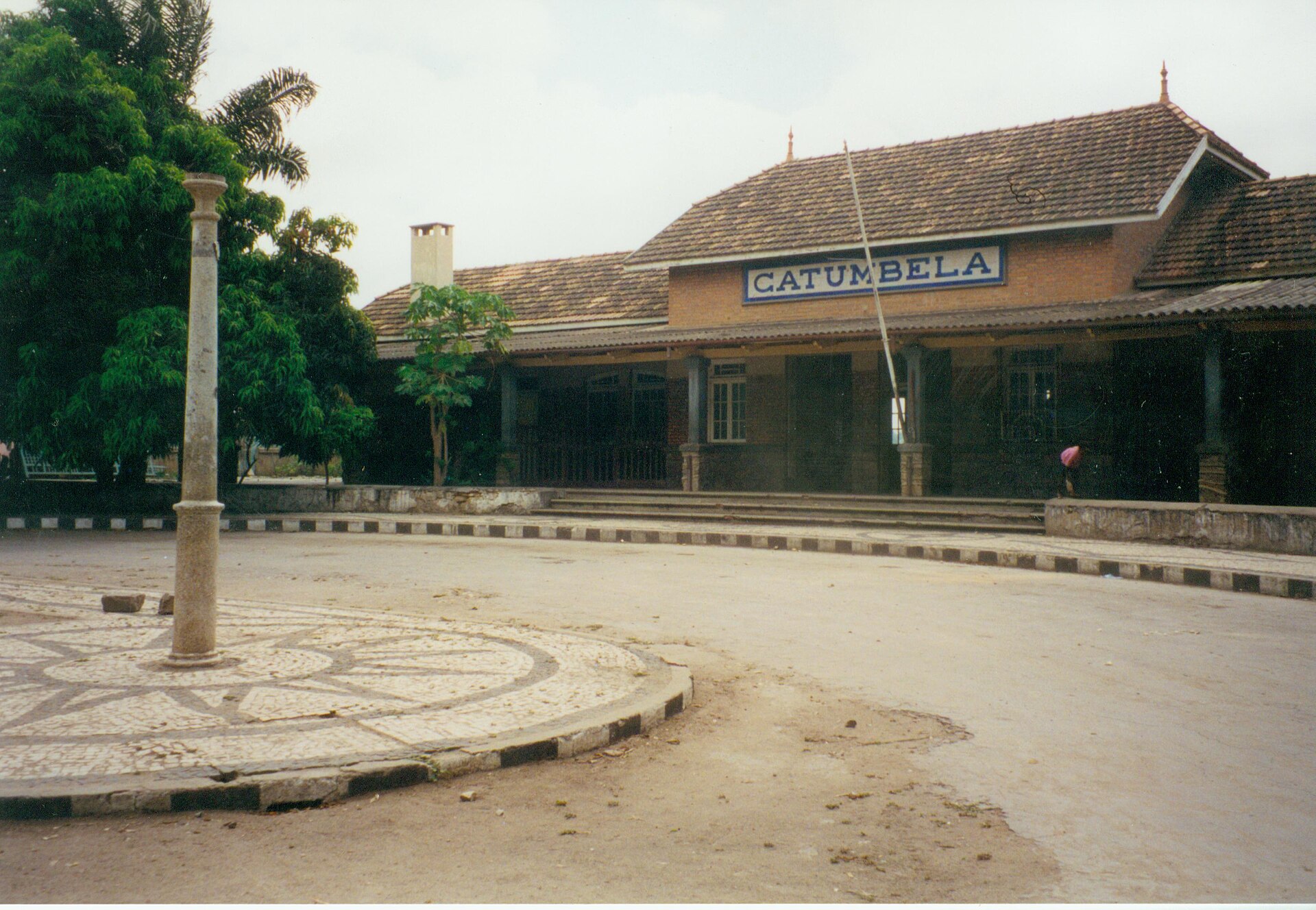
The 26 August 2026 agreement, signed by Tshisekedi and Lourenque and reported at roughly $1.258 billion (about SEK 11.8 billion) per a DRC presidency official cited by S&P Global Platts, covers 'studies, rehabilitation, modernisation and expansion' of the railway plus its future operation and maintenance. It builds on the Lobito Atlantic Railway — a 1,289km Angolan rail segment operated since a 2023 concession by a consortium of Trafigura, Mota-Engil and Vecturis — which is itself the modern name for the century-old Benguela Railway. That railway was rebuilt once already: China financed roughly $1.8 billion in reconstruction between 2006 and 2014 through a rail-for-oil arrangement, only for Angola to award the 30-year operating concession to the Western consortium in 2023. The US and EU have since folded the line into the 'Lobito Corridor,' with total Western pledges reported around $6 billion — a €2 billion EU Global Gateway commitment across nine member states plus the European Investment Bank, and roughly $4 billion in US-linked financing, concretely including a $753 million package (a $553 million DFC loan plus $200 million from the Development Bank of Southern Africa) signed 17 December 2025. In direct response, China signed a separate $1.4 billion, 30-year concession with Zambia and Tanzania in November 2025, handing state-owned CCECC operating control of TAZARA, the 1,860km railway to the Indian Ocean port of Dar es Salaam. Both lines exist to move the same commodity — copper and, especially, cobalt from Congo's Copperbelt — to two different oceans.
Why did it happen?
DFC chief executive Ben Black described the US investment as being about preventing 'monopolization by China,' framing Lobito explicitly as supply-chain competition rather than pure development aid. Congo is the source of roughly 70% of the world's mined cobalt and a top-five copper producer, both critical to EV batteries, electronics and grid infrastructure — which is why Rest of World's reporting frames this squarely as a resource race, not a transport story. China's incentive is symmetric and partly defensive: having spent $1.8 billion rebuilding the very railway it later lost the concession on, and with Chinese firms (including CMOC and Zijin) still dominating actual mine ownership in Congo, Beijing has a direct interest in an export route it operates rather than depends on. ChinaGlobalSouth's analysis frames China's model as more comprehensive — exploring, building, operating and transporting minerals in one package — against a Western model that leans on private operators (Trafigura, Mota-Engil) plus public financing. Scored likely rather than confirmed because neither government states 'countering the other' as an explicit official rationale; both frame their own investment in positive terms (jobs, transformation, supply-chain security) and the rivalry read comes from independent analysts and journalists, consistently, rather than an admitted goal.
Who benefits?
ChinaGlobalSouth's analysis is cautiously optimistic that 'African countries have far more choice' now than during single-power colonial control, and 'can set the rules and decide whom they want to partner with' — in principle capturing more investment, jobs and royalty revenue by playing two suitors against each other. Congo's government has visibly used this leverage: Tshisekedi called the corridor 'a driving force for economic and social transformation,' and Kinshasa has signed deals with both the Western consortium and, separately, continues to host major Chinese mine owners like CMOC and Zijin. Rest of World's reporting adds a caution the optimistic read undersells: the same source notes competition 'will take considerable effort and cooperation, and the track record for that in Africa is patchy at best.' Scored uncertain because the leverage is real on paper — two competing corridors is objectively more choice than one — but whether that translates into revenue, jobs or infrastructure that reaches the mining regions themselves, rather than just faster export volumes for the mines' foreign owners, has no settled evidence yet either way.
UncertainWho loses?
The clearest documented risk is displacement: Global Witness's analysis, cited in Al Jazeera's reporting, found up to 6,500 people in the DRC could face displacement from corridor construction and expansion. Jennings' broader critique is structural rather than incident-specific — he warns 'there is a real danger that the corridor exacerbates the crises rather than offering solutions' and calls the implementation 'very neocolonial in practice,' pointing to the same basic shape as the 1902 original: a foreign-financed line built to move raw minerals out to a coast, decided by outside capital rather than the mining regions themselves. Angolan journalist Rafael Marques de Morais offers the sharper rebuttal to the 'US vs China' framing itself, writing 'the Lobito Corridor is not a contest between the US and China' — meaning both readings can be true at once: a geopolitical rivalry playing out through two rail budgets, and an old extraction pattern continuing underneath it regardless of which flag funds the locomotive. Scored likely, not confirmed, because the capacity-dilution risk (two under-built corridors instead of one fully-built one) is a reasonable inference from the financing gap — Lobito's Zambia extension is still in feasibility with financial close not targeted until 2027 — rather than an outcome that has already happened.
LikelyDomino Effect
The causal chain so far. Read the dates against each other — that is the whole argument.
Angolan journalist Rafael Marques de Morais argues directly that 'the Lobito Corridor is not a contest between the US and China' — and there is a real case for that reading. Congo and Angola are the parties actually signing the deals, choosing which foreign financing to accept on which terms, and both governments have taken money and infrastructure from both sides rather than picking an exclusive side: Chinese mining companies still dominate Congo's actual cobalt and copper extraction even as Congo signs rail deals with the Western consortium. On this view, what looks from Washington and Beijing like a geopolitical rivalry is, from Kinshasa and Luanda, simply two competing infrastructure offers being played against each other for better terms — the leverage ChinaGlobalSouth's analysis describes as the real, if fragile, upside for African governments. The two readings are not fully exclusive: the rivalry is real in Washington's and Beijing's own financing decisions, but the outcome on the ground depends on choices Congo and Angola are making, not simply on which foreign capital arrives first.
Corrections & revisions
noneEvery change to this analysis since publication, with the reason. We append here — we don't rewrite. A number that changes silently is indistinguishable from never having been wrong.
RSS feed- No corrections yet. When we get something wrong, the fix is logged here rather than quietly applied.
Sources
5 sources
Every source behind the Trust Index above. Follow them — a trust score you can't check is decoration.
- New rail deal opens Atlantic route for DRC minerals
- US and EU Pour $6 Billion Into Lobito Corridor as China Revives TAZARA Rail Rival in Zambia
- What is the Lobito Corridor, cited by US Africa envoy as model for ties?
- Railroad key to U.S.-China critical metals race in Africa
- Can Africa Win as the West and China Scramble for Minerals?
Nothing here stands alone. This story is one node in a wider web — every card is another thread you can pull.