Qatar's LNG Exports Are Down 96%. It's Now Paying Over $1 Million a Cargo to Move Gas Around Its Own Front Door.
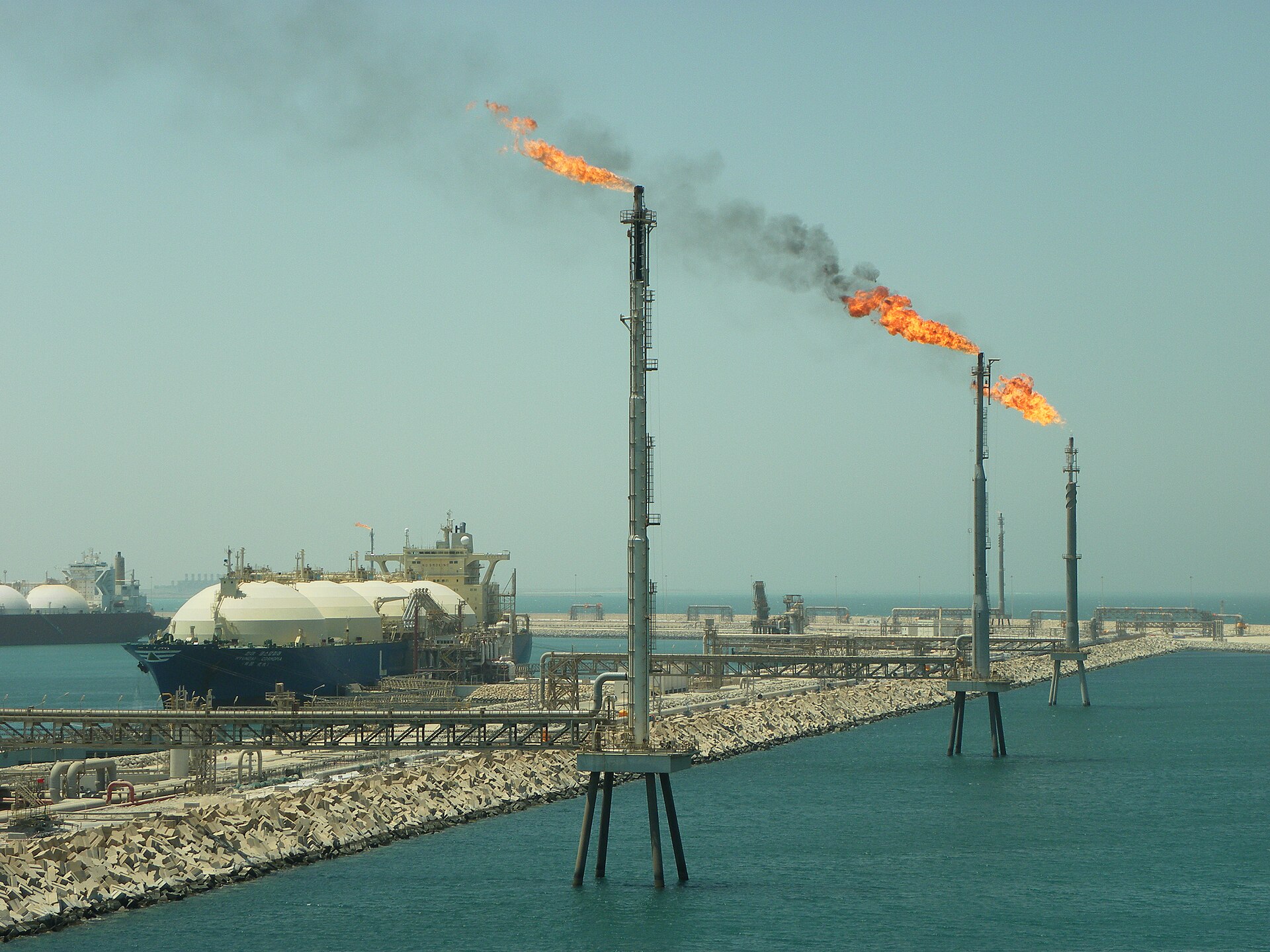
The war has cut Qatar's gas exports by 96% and is quietly handing the US Gulf Coast the market share Doha spent two decades building.
- Qatar exported just 18 LNG cargoes in the first six months of the US-Israel war on Iran, versus 509 in the same period a year earlier — a 96% collapse, with Qatar and the UAE's combined shortfall estimated at 35 billion cubic metres and Qatar's own lost gas sales put at roughly $24 billion.
- Since the war began, Iran has targeted LNG facilities, oil terminals, refineries, pipelines and power infrastructure across Saudi Arabia, Qatar, the UAE, Kuwait and Oman, and has struck tankers directly, including the QatarEnergy-run Al Rekayyat near Hormuz in July.
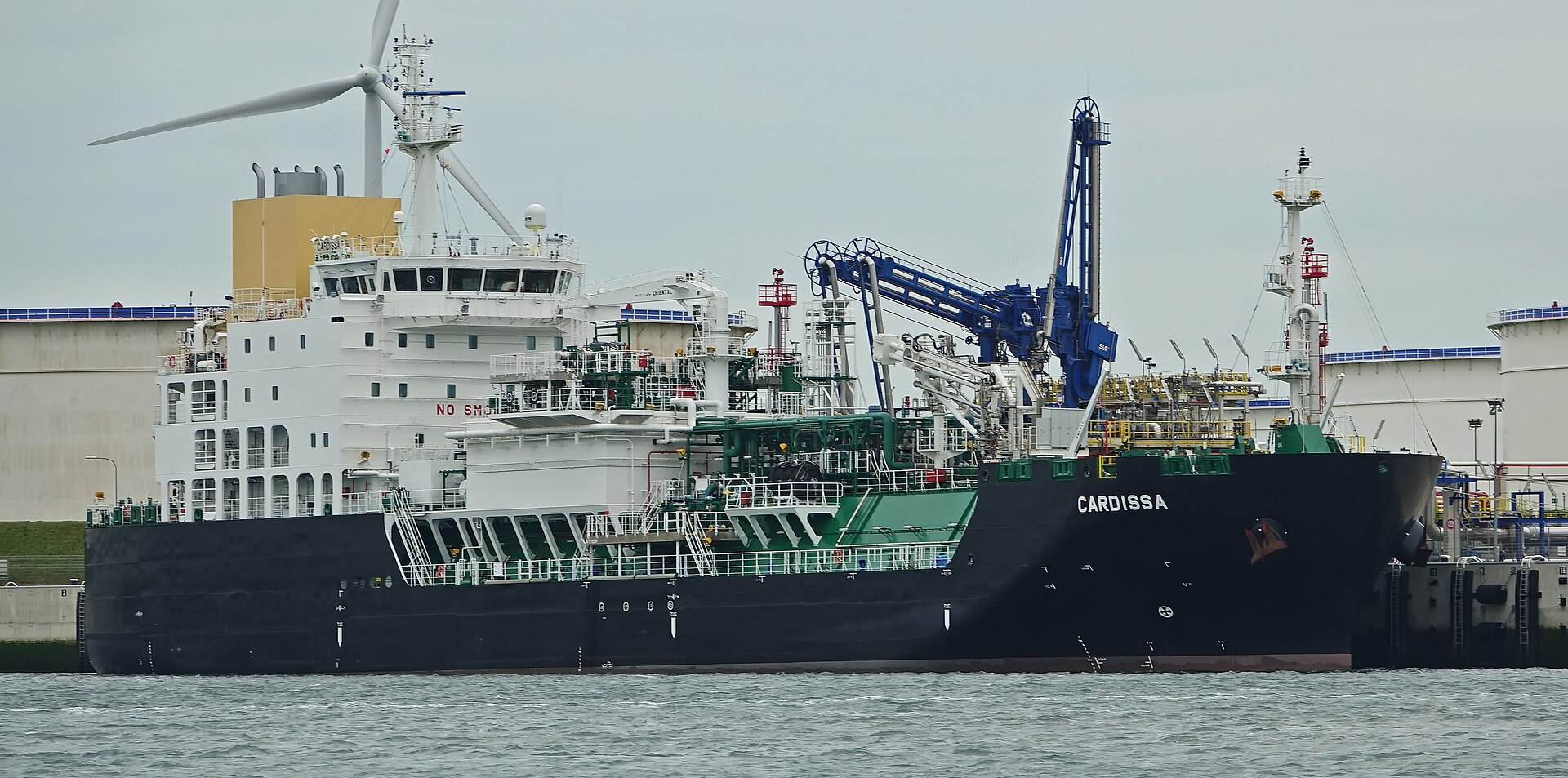
- Qatar and the UAE are now using ship-to-ship transfers to move damaged or at-risk cargo around the worst of the strait — three such transfers took place in August alone, each adding over $1 million and up to 35 hours of sailing time.
- The disruption is structural, not just an inconvenience: pre-war Ras Laffan loadings ran 140-150 cargoes a month, and the Strait of Hormuz has seen crossings fall by roughly 70% versus the pre-war baseline.
- The long-term winner sits outside the Gulf: over 120 million tonnes a year of new US LNG liquefaction capacity is under construction, positioning the US Gulf Coast, not the Gulf itself, as the supply base global buyers are increasingly building contracts around.
What happened?
Six months into the war's disruption of the Strait of Hormuz, Qatar's LNG exports have fallen 96% compared with the same period a year earlier — just 18 cargoes versus 509 — with Qatar and the UAE's combined shortfall estimated at 35 billion cubic metres of gas and Qatar's own lost sales put at roughly $24 billion. To keep some gas moving, Qatar and the UAE have begun transferring cargo ship-to-ship off Oman and the UAE coast: three such transfers took place in August 2026 alone, each adding over $1 million and up to 35 hours of extra sailing time, involving tankers including the QatarEnergy-run Al Rekayyat (struck by a projectile near Hormuz in July) and the ADNOC-controlled Mraweh.
Why did it happen?
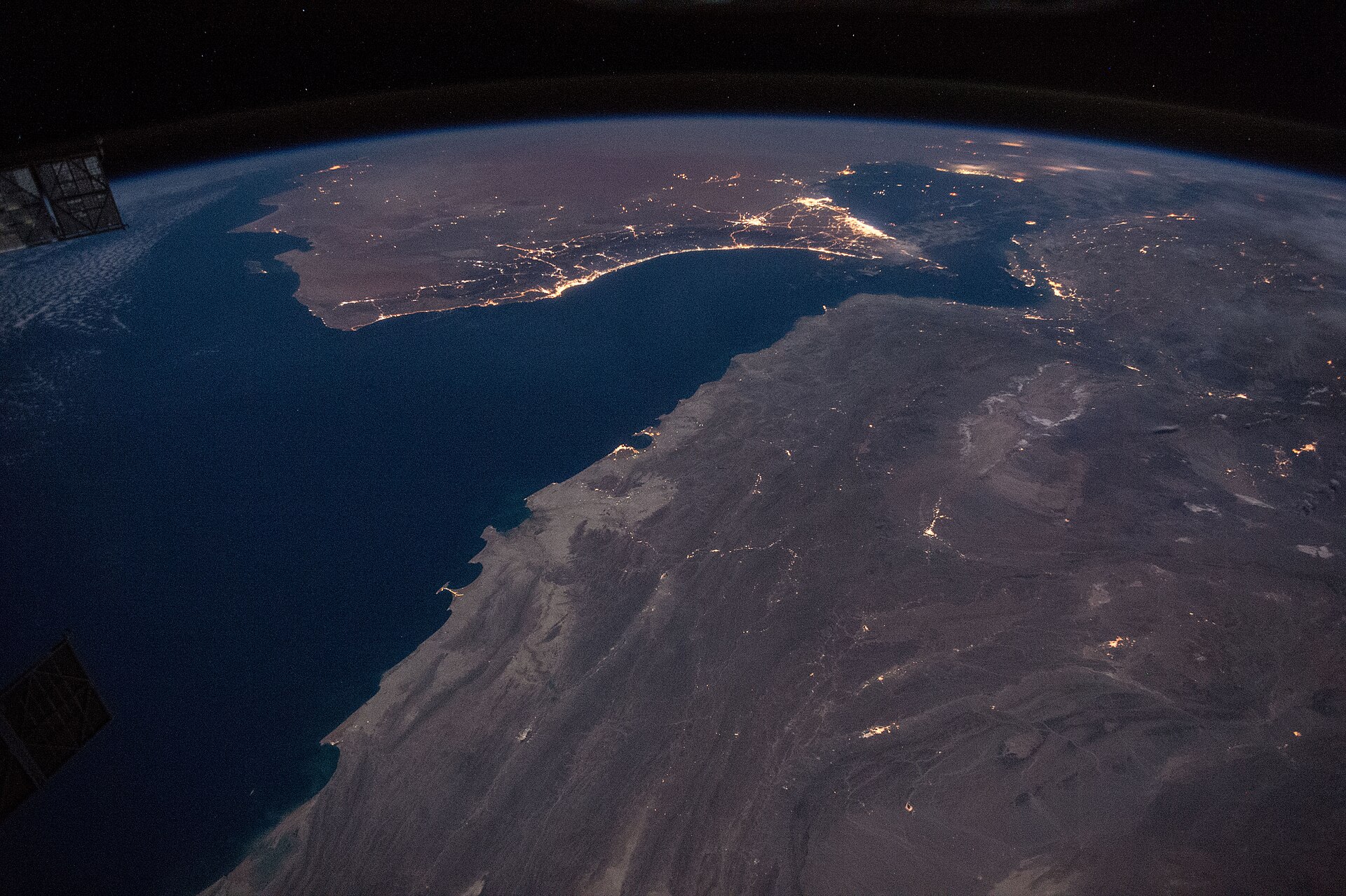
The disruption traces directly to the US-Israel war on Iran and Iran's response: since the conflict began, Iran has targeted LNG facilities, oil export terminals, refineries, pipelines, storage tanks and power infrastructure across Saudi Arabia, Qatar, the UAE, Kuwait and Oman, and has struck tankers transiting near the strait directly. The underlying dispute over the strait's legal status remains unresolved — Iran wants continued authority over tanker passage, including authorization requirements or a transit fee, while the United States wants it to remain unconditionally open — meaning the disruption is not a one-off event but an ongoing condition tied to a war without a settled endpoint.
Who benefits?
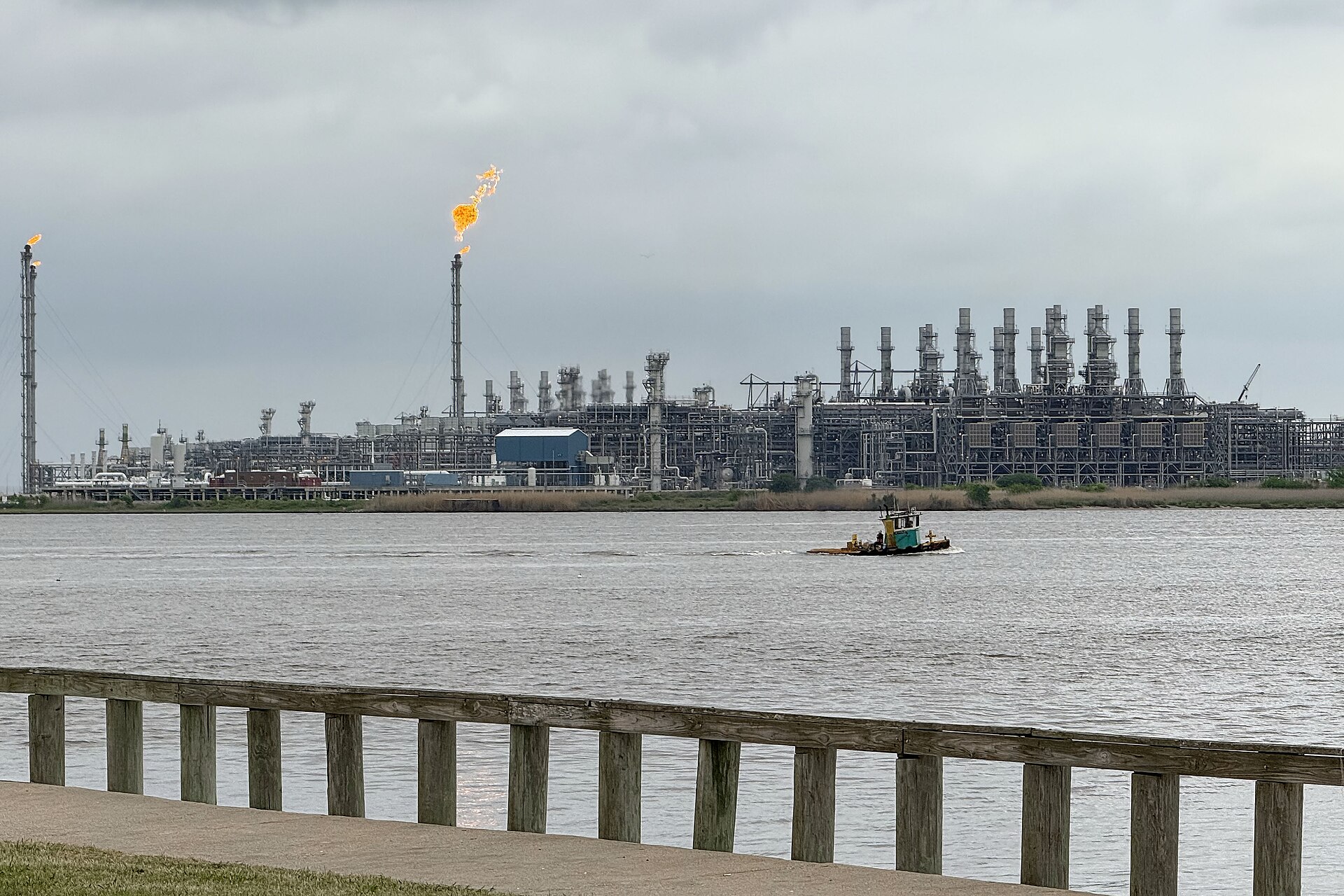
US Gulf Coast LNG capacity is the clearest structural beneficiary: with over 120 million tonnes a year of new liquefaction capacity under construction and Canada adding roughly 20 million tonnes by decade's end, buyers looking for supply security are positioned to shift contracts toward Western Hemisphere sources less exposed to a single chokepoint. Buyers who can secure alternative bilateral arrangements also benefit — Pakistan is reported to have negotiated safe passage for Qatari cargo directly with Iran, suggesting some bilateral deals can route around the broader disruption even without the US-brokered transfer mechanism.
Who loses?
Qatar loses most directly and most measurably: an estimated $24 billion in lost gas sales over six months, a 96% cargo-volume collapse, and permanently added costs (over $1 million per ship-to-ship transfer) even on the cargo it does manage to move. The UAE shares a substantial part of the same loss, with the two countries' combined shortfall put at 35 billion cubic metres. Buyers dependent on Gulf LNG who cannot secure alternative supply or bilateral workarounds face higher costs and less reliable delivery timing, even if headline global gas prices have not spiked as sharply as the physical disruption alone might suggest.
ConfirmedWhat happened?
Euronews' 8 September dispatch documents the mechanics directly: the Al Rekayyat transferred its cargo to the tanker Tembek off the UAE coast, which then delivered it to India; the GasLog Shanghai, involved in an incident leaving Hormuz in late July, transferred cargo to the GasLog Savannah off Oman; and the Mraweh transferred LNG loaded at Das Island to the LNG Enugu off Oman, with that cargo continuing on to Japan — all three transfers occurring in August, each costing over $1 million (€860,600) per LNG Synergy analyst Bogdan Ratiu, and adding 30-35 hours of sailing time. The same report puts Qatar's six-month export collapse at 18 cargoes versus 509 a year earlier (a 96% fall), a combined March-June shortfall of 35 billion cubic metres from Qatar and the UAE, and Qatar's own estimated lost gas sales at $24 billion (€20.7 billion) — against a pre-war Ras Laffan loading rate of 140-150 cargoes a month. CSIS's 5 August analysis corroborates the trajectory with independent figures: June 2026 Qatari exports around 40 loaded tankers (about 2.8 million tonnes), Strait crossings down 70% versus the prior truce period, and full-year 2026 Qatari exports tracking toward slightly under 30 million tonnes.
Why did it happen?
CSIS's analysis frames the disruption as a direct consequence of the war's targeting pattern: Iran has hit 'LNG facilities, oil export terminals, refineries, pipelines, storage tanks, and power infrastructure' across five Gulf states, and 'transit via the Strait of Hormuz will continue to experience periodic disruptions as long as the United States and Iran maintain competing visions for the future status and operation of the waterway' — specifically, Iran 'insisting on maintaining control through tanker authorization requirements or a fee,' against the US position that the strait 'should remain free and open.' Euronews' reporting on the specific July incident striking the Al Rekayyat, and the broader pattern of vessels damaged or involved in incidents before being used in the August ship-to-ship transfers, corroborates that this is an active, ongoing military risk to shipping rather than a historical or resolved event.
Who benefits?
CSIS's analysis states plainly that the disruption is reshaping the market structurally, not just temporarily: over 120 million tonnes per annum of US liquefaction capacity is under construction, plus roughly 20 mtpa from Canada by the end of the decade, which the analysis frames as strengthening 'Western Hemisphere positioning' as an alternative supply geography to Gulf-origin LNG exposed to Hormuz risk. The same analysis notes Pakistan reportedly secured 'safe passage for Qatari LNG cargo' through direct bilateral arrangement with Iran, without giving shipment volumes — a narrower, deal-specific workaround distinct from the ship-to-ship mechanism Qatar and the UAE use more broadly. Rated likely rather than confirmed because no source reviewed here provides current signed-contract data showing buyers actually shifting volume to US Gulf Coast suppliers as a direct result of this specific disruption, as opposed to broader, longer-running diversification already underway before the war.
Who loses?
Euronews' figures are unambiguous on Qatar's direct loss: $24 billion (€20.7 billion) in lost gas sales, a fall from 509 to 18 cargoes over six months, and a permanent added cost structure of $1 million-plus per ship-to-ship transfer for whatever cargo does move safely — costs that persist as long as the war does, not a one-time hit. CSIS's independent figures corroborate the scale (June 2026 exports around 2.8 million tonnes against a full pre-war capacity multiples higher, Strait crossings down 70%) without providing the specific global LNG or TTF price data that would show how much of this cost is being passed to buyers versus absorbed by Qatar and the UAE directly. The National's 14 September reporting complicates even the recovery story: Shell's Cederic Cremers says that 'even if we would see a normalisation... I don't think you would immediately go back to the type of flows that we saw before the war started,' and damaged export trains at Ras Laffan need three to five years to fully repair, meaning roughly 17% of Qatar's LNG capacity stays offline even after the strait itself reopens — though ExxonMobil's Peter Clarke expects Qatar to re-enter the market 'rapidly' once transit resumes, and Eni's Guido Brusco is openly skeptical of the longer repair-time estimates, arguing the industry 'reacts much faster than what reports say.' Confirmed for Qatar and the UAE's direct wartime losses, since those figures are independently corroborated by different sources; how much of the physical damage proves permanent is genuinely disputed among the industry executives cited here.
ConfirmedDomino Effect
The causal chain so far. Read the dates against each other — that is the whole argument.
Nothing in the sources reviewed here suggests Qatar or the UAE expect the strait to reopen fully any time soon, and a $1m-plus transfer cost that both countries are already absorbing repeatedly could calcify into a standing logistics layer rather than a stopgap — effectively a permanent tax on Gulf LNG exports for as long as the war's underlying dispute over the strait's status remains unresolved. What would settle this either way is whether a ceasefire or settlement on Hormuz's legal status is reached; no source here reports one being close.
Corrections & revisions
noneEvery change to this analysis since publication, with the reason. We append here — we don't rewrite. A number that changes silently is indistinguishable from never having been wrong.
RSS feed- No corrections yet. When we get something wrong, the fix is logged here rather than quietly applied.
Sources
3 sources
Every source behind the Trust Index above. Follow them — a trust score you can't check is decoration.
Nothing here stands alone. This story is one node in a wider web — every card is another thread you can pull.