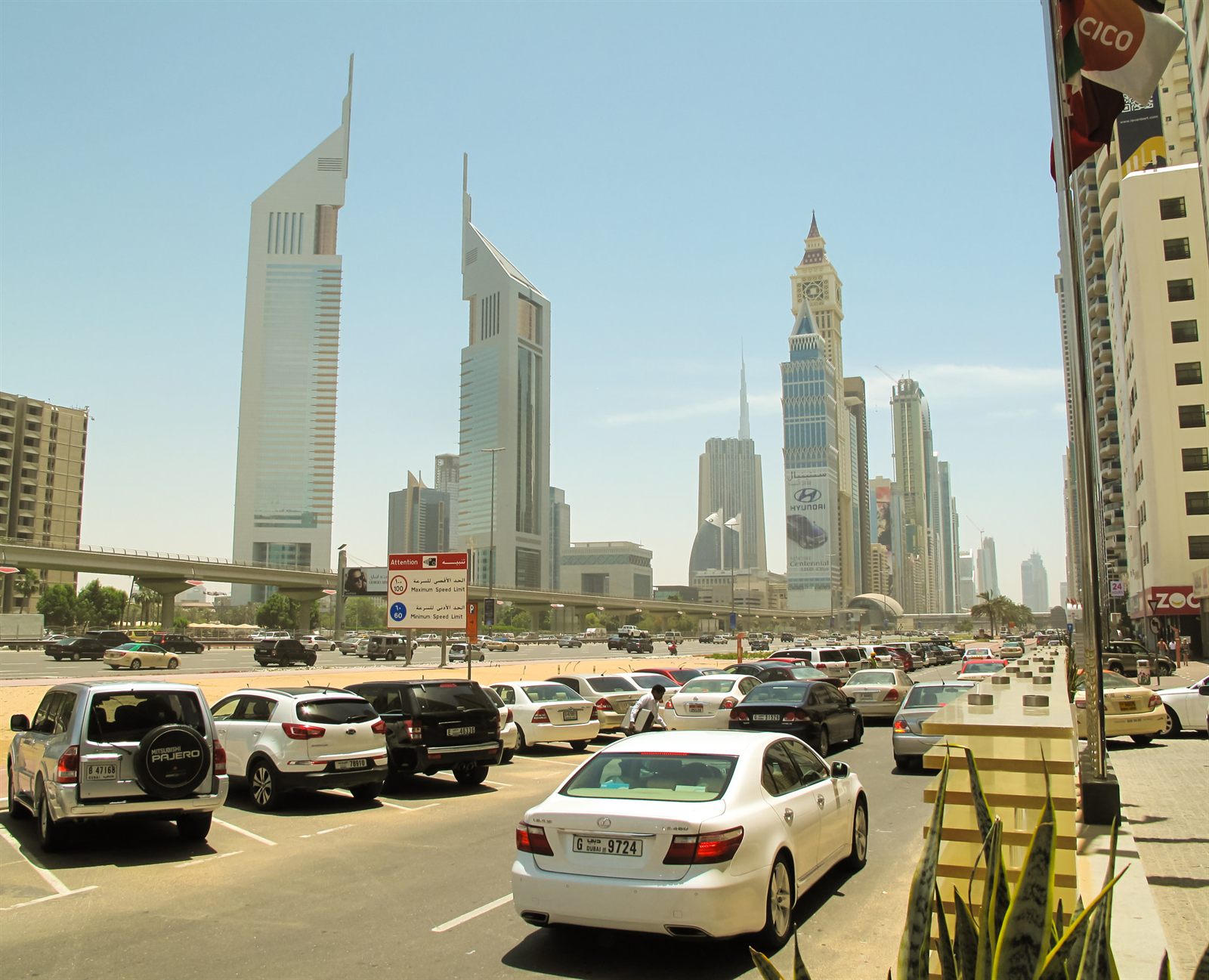
Middle East
The region that sets the price of everything else, now fighting the war the rest of this map runs downstream of. When the Strait of Hormuz closed, German factory bills moved — and the world learned how much of its energy exposure runs through one 33km channel.
→ Europe hub→ China hubSubscribe to updatesOur own considered read. Scored 0–100 against what is normal for this region — 50 is trend, not a global average. Conflict Risk is inverted: higher means more. No source publishes these three numbers; they are our synthesis of the indicators below, which are real and followable. Editorial judgment, and ours to defend. how we score
No trend arrows yet. The figures these replace were placeholders, so there is nothing honest to measure movement against — the previous number was not a worse reading, it was not a reading at all. Trends appear at the next assessment.
Who competes here
arena · not an actorNo single power speaks for this region, so there is no regional Influence Score to give. What there is: four outside and inside powers with incompatible aims, and one waterway that gives the argument global consequences.
The figures are each actor's global Influence Score, not their weight inside Middle East — we do not have that number and will not estimate one. What is specific to this region is why each power is here. how we score
Active connections
Showing all 3 connections
What we intend to cover
Editorial intent, not findings. Nothing below has been analysed yet.
- Whether Hormuz leverage is single-use — the closure moved less price than anyone modelled.
- Gulf LNG as the swing supply in Europe's post-Russian gas mix.
- Where Saudi Arabia, Israel and Turkey sit on the six dimensions, scored individually rather than as a bloc.
Nothing here stands alone. This story is one node in a wider web — every card is another thread you can pull.