The UK Is on Track to Import 80% of Its Oil and Gas by 2030. Industry Says a Tax Change Could Slow That — the Government Hasn't Said Yes.
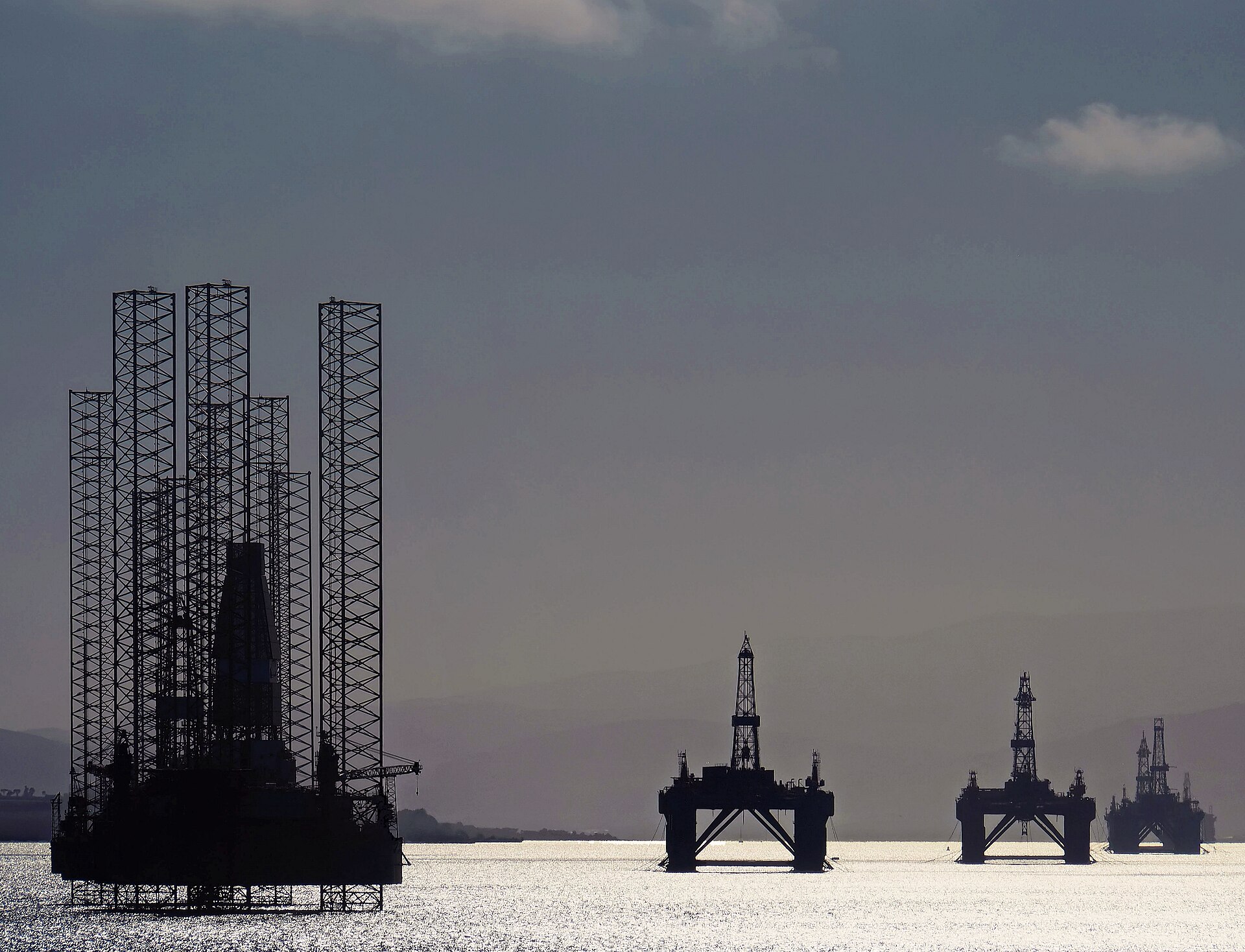
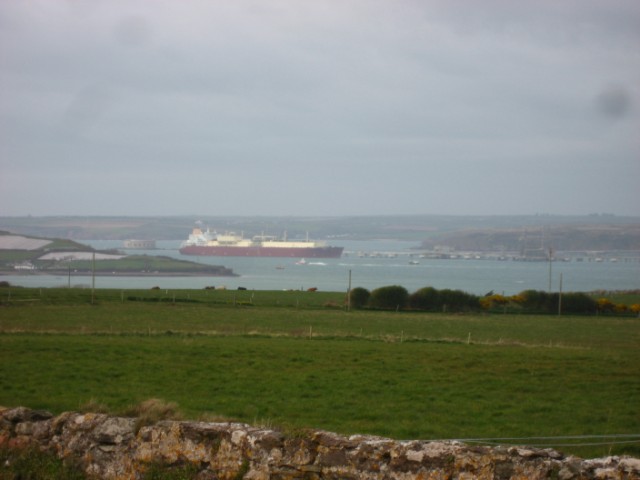
Britain built an LNG import terminal for exactly the dependency its own tax and drilling policy is now accelerating toward.
- UK North Sea gas production is projected to fall from 77.7 million cubic metres a day in 2025 to 58.4 million in 2026, part of a roughly 40% decline over five years that industry blames on the 75% Energy Profits Levy and a ban on new exploration licences.
- The UK is now on track to import about 80% of its oil and gas by 2030, up sharply from current levels, as domestic production keeps falling.
- Offshore Energies UK is lobbying Chancellor John Healey to replace the levy with a permanent, price-triggered Oil and Gas Revenue Levy starting in 2027 — three years ahead of its legislated March 2030 end date — claiming it could unlock £50 billion in investment and 111 further projects.
- Prime Minister Andy Burnham's government has not committed to the early replacement; it has instead cut VAT on household electricity bills and is reviewing individual field decisions, including the Rosebank and Jackdaw developments, under its Energy Independence Bill's proposed permanent ban on new exploration licences.
- A broad coalition spanning industry, consumer groups and environmental organisations (including Greenpeace) has separately told the Treasury the current funding model for energy and decarbonisation policy is fundamentally flawed — meaning Healey's 28 October budget has to reconcile competing multi-billion-pound asks from opposite directions.
What happened?
UK North Sea gas production has fallen from 80.3 million cubic metres a day in 2024 to 77.7 in 2025, with a further drop to 58.4 forecast for 2026 — part of a roughly 40% five-year decline the industry says is being accelerated by government policy rather than driven by geology alone. On 15 September 2026, Offshore Energies UK (OEUK) publicly urged Prime Minister Andy Burnham's government to replace the Energy Profits Levy with a permanent Oil and Gas Revenue Levy starting in 2027, three years ahead of its scheduled March 2030 end, arguing it could unlock £50 billion in investment and 111 further projects ahead of the Chancellor's 28 October budget.

Why did it happen?
Two deliberate policy choices, not just geological maturity, are named across the reporting as accelerating the decline: the Energy Profits Levy, which pushes the UK's combined upstream tax rate to 75% with no price indexing, and Labour's ban on new exploration drilling, formalized in the proposed Energy Independence Bill. Industry frames this as an investment deterrent that has caused companies including BP to reassess or exit UK operations; the government's own policy documents frame the same choices as a deliberate transition away from fossil-fuel dependence, consistent with a 2021 joint report's recommendation to 'end all support for new fossil fuel extraction.'
Who benefits?
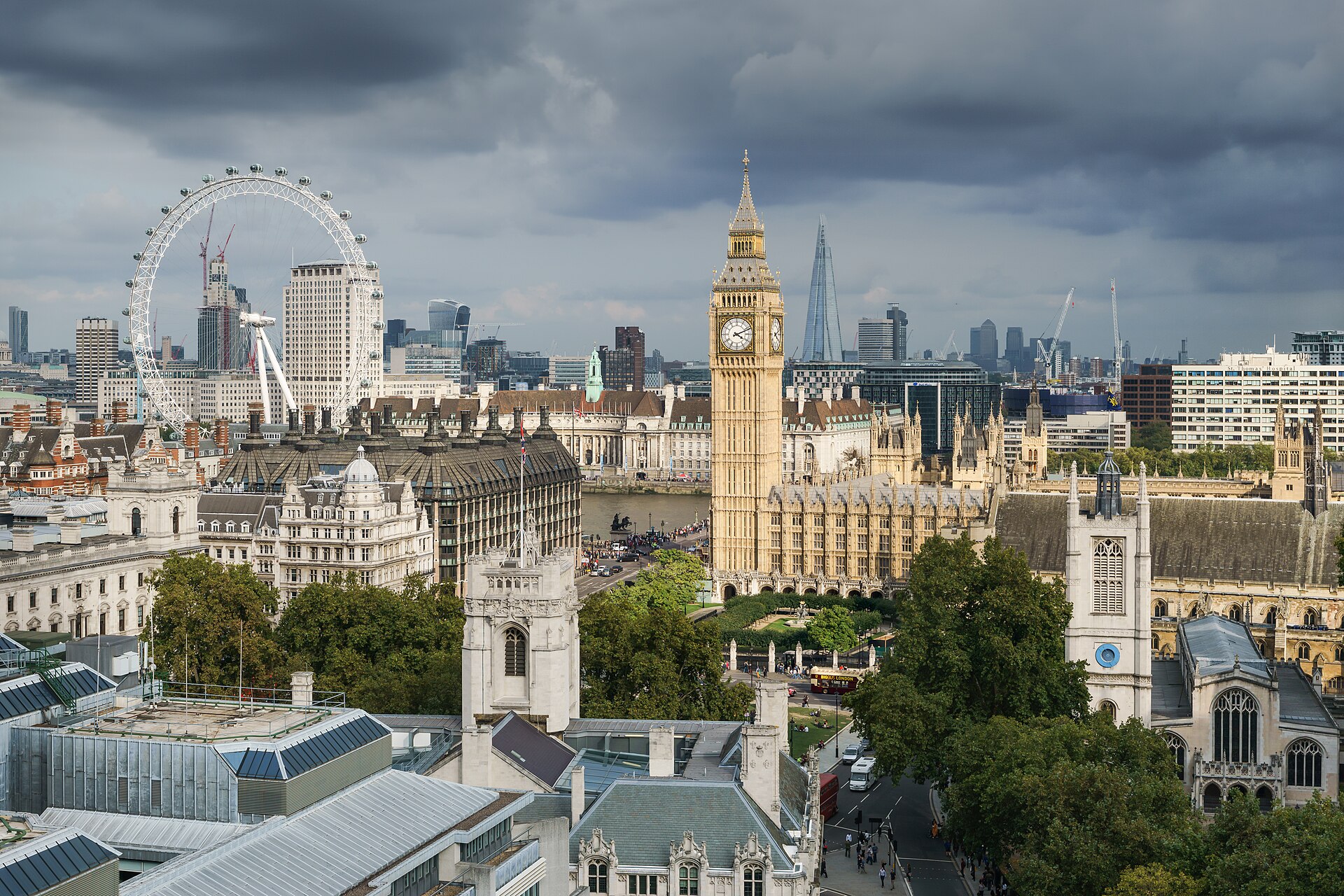
If Healey adopts OEUK's proposal, North Sea operators and their supply chains benefit most directly — the £50 billion investment figure and 111 unlocked projects are industry's own claims of what an early levy replacement would produce, alongside the Treasury's projected extra tax take. If the government holds its current course, climate and consumer groups who argue the funding model needs a broader overhaul (not a fossil-fuel-friendly one) get to claim the government sided with the transition rather than industry lobbying, ahead of the 28 October budget.
UncertainWho loses?
UK energy-security planning loses the most clearly regardless of the budget outcome in the near term: production keeps falling either way in 2026, and the country's own trajectory toward 80% import dependency by 2030 is already locked in by investment decisions made years earlier. North Sea workers and communities lose if the decline continues unchecked — job losses tied to the EPL have already been reported in earlier years of the levy. If the government does accelerate the levy replacement, it risks a domestic political cost with the climate coalition explicitly warning that easing fossil-fuel taxation would slow the energy transition it has committed to.
What happened?
Energy Connects' 15 September report lays out OEUK's own numbers precisely: the proposal could generate roughly £15 billion (about $20 billion) in additional tax revenue over the next decade, including £2.4 billion more in industry taxes through 2035 and £12.6 billion from additional payroll taxes, on top of the headline £50 billion private-investment and 111-project figures — and separately claims the change could lift UK gas production to 288 billion cubic metres between 2025 and 2035, meeting roughly half of national demand and cutting LNG import reliance. The same report confirms the timing pressure: OEUK's ask is explicitly framed against Chancellor Healey's 28 October budget, his first since taking office alongside Burnham. Separately, Discovery Alert's July 2026 reporting on Burnham's energy policy confirms the underlying production figures (80.3 → 77.7 → 58.4 million cubic metres/day, 2024-2026) and the government's other live decisions in the same window: a VAT cut on household electricity effective 1 October 2026, and open reviews on the Rosebank (roughly 300 million barrels of oil equivalent) and Jackdaw (4.85 million cubic metres/day gas capacity) field developments, alongside a proposed Energy Independence Bill that would permanently ban new exploration licences.
Why did it happen?
Industry-side reporting attributes the accelerated decline directly to the EPL's 75% combined rate applying 'at any price above break-even with no price indexing,' which it characterizes as 'a structural investment deterrent rather than a targeted windfall measure,' and separately notes several companies — including BP, which has said it is working to exit the area — have reassessed, sold or scaled back UK North Sea activities as a result. Discovery Alert's coverage of Burnham's policy confirms the government side of the same choice is deliberate rather than incidental: the proposed Energy Independence Bill would make the ban on new exploration licences permanent, while allowing narrower 'Transitional Energy Certificates' for areas adjacent to existing licensed blocks, and cites a 2021 joint report's conclusion that government should 'end all support for new fossil fuel extraction' and 'revoke undeveloped licences' as the policy lineage behind the current approach. Rated likely rather than confirmed because the reporting reviewed here does not include a direct government statement explaining the EPL and exploration ban as a deliberate acceleration tool, versus an incidental byproduct of a primarily climate-driven policy.
Who benefits?
OEUK's own figures, as reported by Energy Connects, are explicit about who gains from its proposal: 111 additional projects, £50 billion of private capital investment, and specific Treasury revenue gains of £2.4 billion through 2035 from industry taxes plus £12.6 billion from payroll taxes — a case built entirely around the industry and Treasury benefiting together. On the other side, the reporting on the broader coalition — Energy UK, Which? and Greenpeace jointly calling for an electricity-levy overhaul — frames the current funding model as flawed for consumers and the energy transition alike, implying that a government decision NOT to accelerate the EPL's replacement would be read as a win for that coalition's framing, even though no source here quotes the coalition celebrating a specific government commitment. Uncertain, because as of this writing the government has taken no decision — Healey's 28 October budget is still ahead — so any 'who benefits' answer describes what each side is positioning to claim, not who has actually won anything yet.
UncertainWho loses?
Discovery Alert's production figures alone — a fall from 80.3 to 58.4 million cubic metres a day across just two years — describe a decline that continues regardless of what happens at the October budget, since any tax change now would take years to translate into new production; the 80%-import-by-2030 trajectory cited in industry reporting is consistent with that lag. The climate-side framing, per reporting on the Energy UK/Which?/Greenpeace coalition, holds that removing or softening the EPL 'would slow down the transition from fossil fuels by enhancing the investment attractiveness of new oil and gas projects' — meaning if Healey does accelerate the levy's replacement, the position that loses ground is the government's own stated decarbonisation trajectory, at least as that coalition frames it. Rated likely rather than confirmed because the precise scale of any near-term job or investment loss under either scenario is not quantified by a single source reviewed here — the two sides' competing figures (OEUK's £50bn upside; the coalition's transition-delay warning) are both framed as consequences of a decision that, as of 17 September 2026, has not yet been made.
Domino Effect
The causal chain so far. Read the dates against each other — that is the whole argument.
Nothing in the reporting reviewed here rules out a middle option: adjusting the Energy Profits Levy's rate or price-indexing it without moving the legislated 2030 end date OEUK wants brought forward to 2027. That would partially answer industry's investment-certainty complaint without the full political cost of reopening the Energy Independence Bill's framework. What would settle this either way is the actual text of the 28 October budget — nothing currently public commits the government to either OEUK's proposal or the status quo.
Corrections & revisions
noneEvery change to this analysis since publication, with the reason. We append here — we don't rewrite. A number that changes silently is indistinguishable from never having been wrong.
RSS feed- No corrections yet. When we get something wrong, the fix is logged here rather than quietly applied.
Sources
2 sources
Every source behind the Trust Index above. Follow them — a trust score you can't check is decoration.
Nothing here stands alone. This story is one node in a wider web — every card is another thread you can pull.