The Fed Just Defied Trump. The Reason Was a War in Iran.
Your mortgage, car loan and credit card — pricier, for longer.
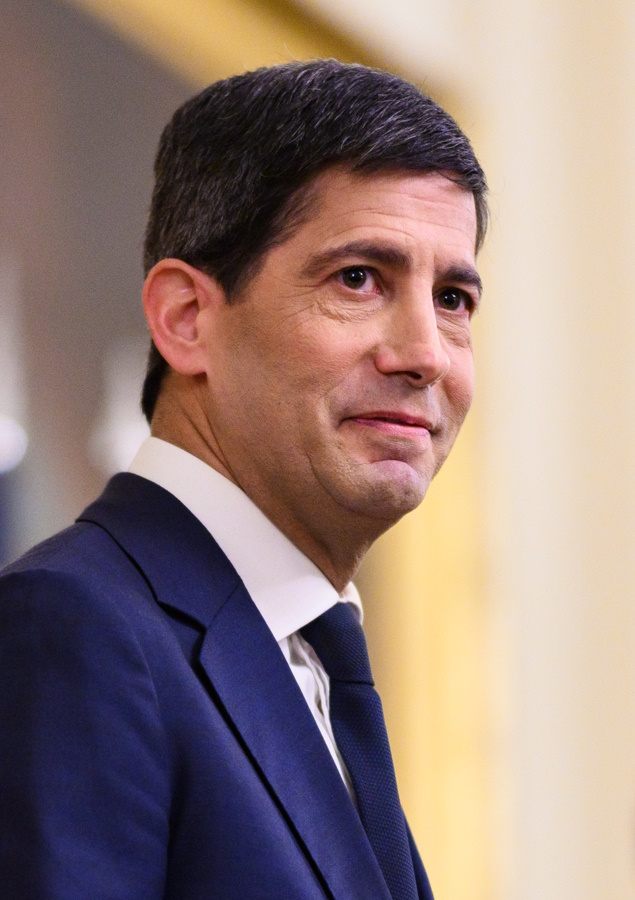
- The Federal Open Market Committee voted 12-0 on 16 September 2026 to raise the federal funds rate a quarter point to 3.75%-4% — the first hike since 2023 — with newly sworn-in Chair Kevin Warsh casting his first rate vote in favour.
- Warsh is Trump's own pick, sworn in four months earlier; Trump has since said he told Warsh to 'vote with the board because it's not going to matter' and that rates 'should be 1%, or less.'
- The Fed's updated projections put the year-end 2026 rate at 4.1% (one more hike likely) and hold the 2027 median at 4.1% too — meaning no cuts next year, a materially more hawkish path than June's forecast.
- Reporting ties the hike to inflation running hot on the back of the US-Iran war's oil shock and a resilient jobs market; at Jackson Hole in August, Warsh noted 54% of the 199 components in the PCE price index had risen more than 3% over the prior year.
- The immediate cost is already visible: mortgage applications to purchase a home fell 19% year-over-year the week of the decision, and the 10-year Treasury yield rose to just under 5%.
What happened?
The Fed raised interest rates for the first time in three years, and the man Trump picked to run it voted for the hike Trump didn't want.
Why did the Fed move now?
War and a strong job market pushed prices up broadly enough that the Fed judged waiting would cost more than acting.
LikelyWhy did Trump's own pick vote against him?
Trump told Warsh to vote for the hike anyway, because the other eleven votes made his one vote pointless to spend on a losing fight.
Who pays for this?
Anyone about to borrow money. Mortgage applications already fell 19% in a week, and the Fed's own forecast says relief isn't coming next year either.
LikelyDoes the Fed's independence survive this presidency intact?
One vote against the president doesn't settle it. Trump has already tried to remove one governor over a paperwork dispute the Supreme Court didn't fully back him on — this is where honest people disagree on what happens next.
UncertainWhat happened?
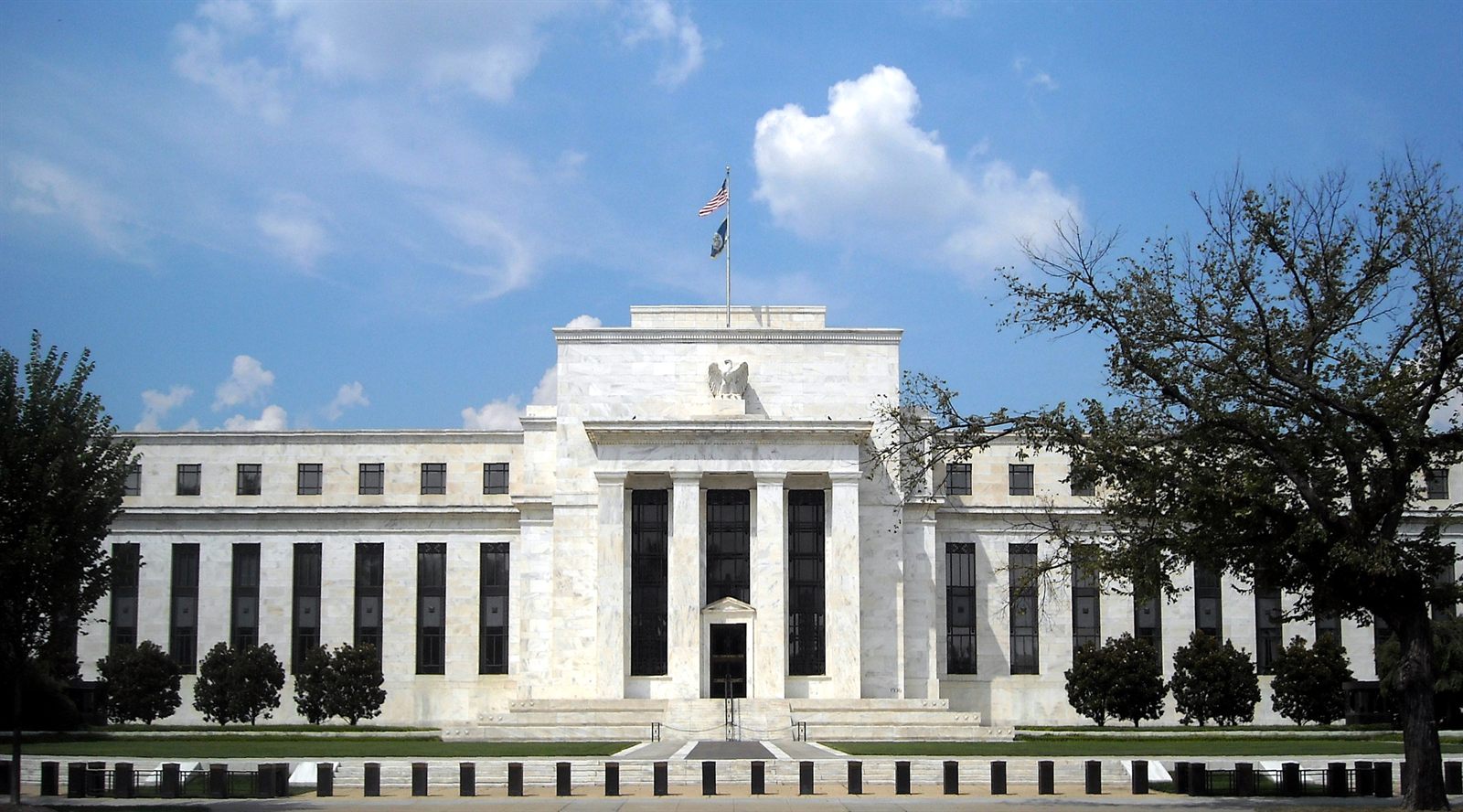
The Federal Open Market Committee voted 12-0 on 16 September 2026 to raise the federal funds rate target range a quarter point, to 3.75%-4.00%, effective 17 September — the first increase since 2023. The Fed's own implementation note directs the Open Market Desk to hold the rate in that range and continue reinvesting maturing Treasury and agency holdings. It was the first rate vote cast by Kevin Warsh, sworn in as Fed chair on 22 May 2026 after Trump nominated him. Updated projections released the same day put the median year-end 2026 rate at 4.1% — implying one more quarter-point hike before December — and, more strikingly, hold the 2027 median at the same 4.1%, meaning the committee does not currently expect to cut next year either.
Why did the Fed move now?
The Fed's own implementation note gives no explicit reasoning — it is a mechanical directive, not an explanation. Reporting attributes the move to inflation running hot on 'a war in Iran and strong jobs reports.' Warsh had signalled the direction at Jackson Hole in August, noting that 54% of the 199 components in the PCE price index had risen more than 3% over the prior twelve months — evidence, in his framing, that price pressure was broad rather than concentrated in one or two volatile categories (energy chief among them, given the Strait of Hormuz shock this site has tracked separately). This is a judgment about which of several concurrent pressures did the most work, not a figure anyone published outright — treat the attribution as considered, not certain.
LikelyWhy did Trump's own pick vote against him?
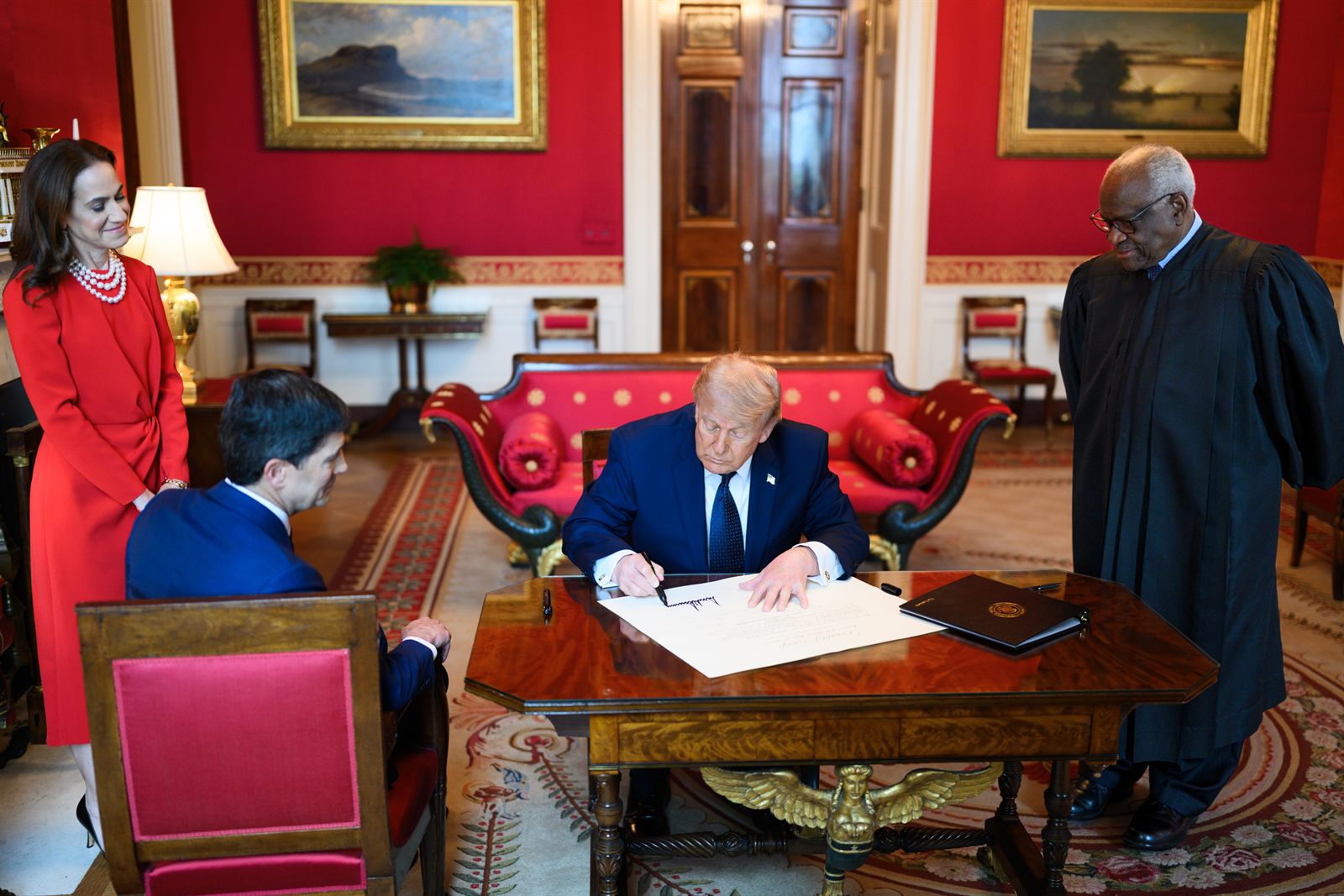
Trump's account, given directly to reporters, is that he told Warsh before the meeting: 'You might as well vote with the board because it's not going to matter' — a concession that Warsh lacked the votes to stop a hike he and Trump both knew was coming regardless. Trump maintained that rates 'should be 1%, or less, because we are the Best Credit in the World,' and called the board 'very hostile, very political.' He said he retains confidence in Warsh personally while blaming 'a hostile board' for the outcome — a frame that lets Trump criticise the decision without breaking with the chair he installed four months earlier.
Who pays for this?
The rate move's clearest immediate cost fell on borrowers: mortgage applications to purchase a home dropped 19% year-over-year in the week of the decision, and mortgage rates — which had already been climbing since March in anticipation of the hike — sit at their highest level in over a year, with some reporting suggesting a return toward 7% is plausible. The 10-year Treasury yield rose to just under 5% the same day. Savers and holders of dollar-denominated assets are the visible beneficiaries: a higher policy rate lifts yields on savings and money-market instruments, and the dollar strengthened on the announcement. The dot plot's 2027 median holding at 4.1% — no projected cuts — is the detail that turns this from a one-time cost into a longer one: households and small businesses waiting for cheaper credit are now being told, by the Fed's own numbers, not to expect it next year either.
LikelyDoes the Fed's independence survive this presidency intact?
The optimistic reading: a unanimous 12-0 vote, including the chair Trump personally selected, is exactly what an independent central bank is supposed to produce — Warsh voting his read of the data over the president's stated preference is the institution working as designed, and Trump's own framing ('vote with the board, it's not going to matter') reads as an acknowledgment that he could not move the outcome. The more cautious reading: Trump's leverage over the Fed has already been tested once this year in the Lisa Cook removal fight, where the Supreme Court found he had skipped a procedural step without ruling out that he could not eventually succeed on the substance — see fed-independence-lisa-cook for that dispute in full. A president who has shown willingness to test removal authority against one governor over process, and who now says a 'hostile board' is 'doing the wrong thing,' has not conceded the argument merely by declining to fight this particular vote. We do not think this is settled, and the probability estimates below track it going forward rather than assume an answer.
UncertainDomino Effect
The causal chain so far, dated from what the sources actually report. New dominoes append as they fall.
The most likely near-term effect would have been a weaker dollar and a market read that the Fed's independence was already compromised — arguably a worse outcome for the administration's own stated goal (a strong dollar, 'Best Credit in the World') than the hike it got. Trump's own framing — voting with the board because dissent 'wasn't going to matter' — reads as an implicit admission that a hold was never realistically on the table with an 11-1 or wider margin against it. This is our reading of the incentives, not a sourced counterfactual.
Corrections & revisions
noneEvery change to this analysis since publication, with the reason. We append here — we don't rewrite. A number that changes silently is indistinguishable from never having been wrong.
RSS feed- No corrections yet. When we get something wrong, the fix is logged here rather than quietly applied.
Sources
5 sources
Every source behind the Trust Index above. Follow them — a trust score you can't check is decoration.
- Implementation Note issued September 16, 2026
- The Fed just delivered a unanimous rate hike, the first in three years, and no cuts through 2027
- President Trump Reveals He Told Fed Chair Kevin Warsh to Vote for Rate Hike
- The Fed Voted 12-0 to Raise Interest Rates for the First Time in 3 Years. Here's How a 3.75%-4% Fed Funds Rate Impacts Housing Stocks.
- Will the Fed Hike Again in October? Dot Plot Median Points to One More Hike This Year
The interesting failure here isn't Trump's — it's the market's, and ours. Everyone spent a year assuming a Trump-picked Fed chair meant a captured Fed, and the test case delivered the opposite result on the first vote that mattered: 12-0, with the chair himself in the majority. That doesn't prove the institution is safe. It proves that 'independent' and 'never pressured' are different claims, and this site has been sloppy about which one it was making. Warsh was pressured, visibly and by name, and voted his read of the data anyway — then let Trump save face by pre-announcing that the pressure never really applied. That is what independence looks like when it's working: not the absence of a fight, but a fight whose outcome the fighting didn't change.
— the founderNothing here stands alone. This story is one node in a wider web — every card is another thread you can pull.