The Supreme Court Said Trump Skipped a Step Firing the Fed's Lisa Cook. It Never Said He Can't.

If a president can remove the one Fed governor voting against him, every future rate decision starts to look political — and the first place that shows up is not in Washington, it's in the interest rate on the next mortgage.
- Trump fired Fed governor Lisa Cook in August 2025 over a mortgage-fraud referral she denies; in June 2026 the Supreme Court ruled 5-4 that he skipped a required procedural step, without ruling on whether he can remove her once he follows it.
- The White House restarted the process in August 2026, giving Cook three weeks to respond; she answered on the 26 August deadline calling the claim baseless and the effort an attempt to make the Fed 'bend to his will.' No new firing order has followed.
- This site currently estimates a 28% chance Cook is actually removed before 31 December 2026, down from an initial 35% — revised after the Fed's own 16 September rate vote gave a real-world test of how far Trump goes when a Fed official votes against him.
- That test case wasn't Cook: Kevin Warsh, Trump's own pick for Fed chair, joined a unanimous 12-0 vote to hike rates over Trump's objection. Trump responded by telling reporters he'd instructed Warsh to 'vote with the board' rather than threatening removal.
- The underlying stakes are unchanged: whether a president can remove officials who vote against him at the Fed is a question about every future rate decision's credibility, not just Cook's own case — see fed-rate-hike-war-inflation for how that credibility question plays out in practice.
What happened?
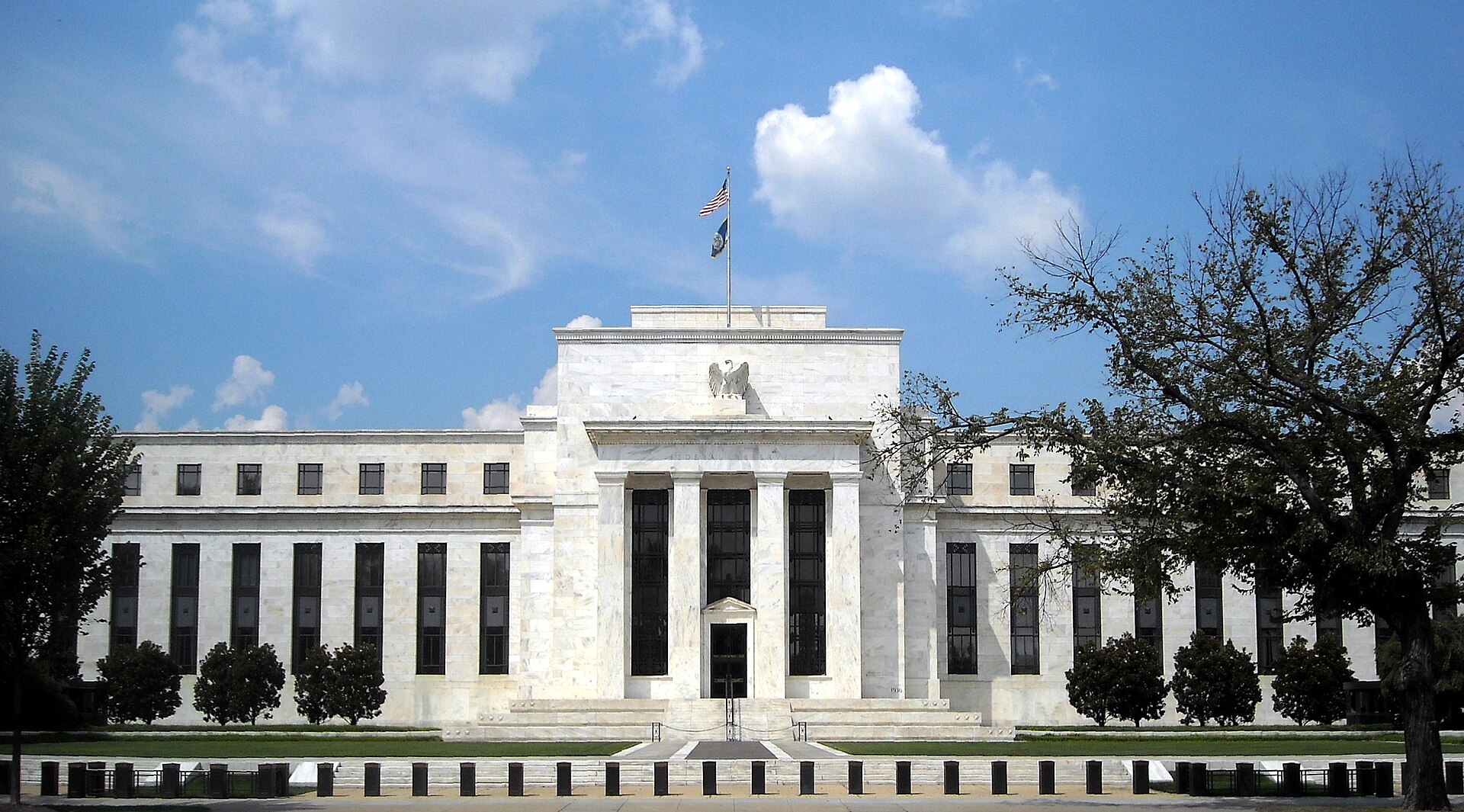
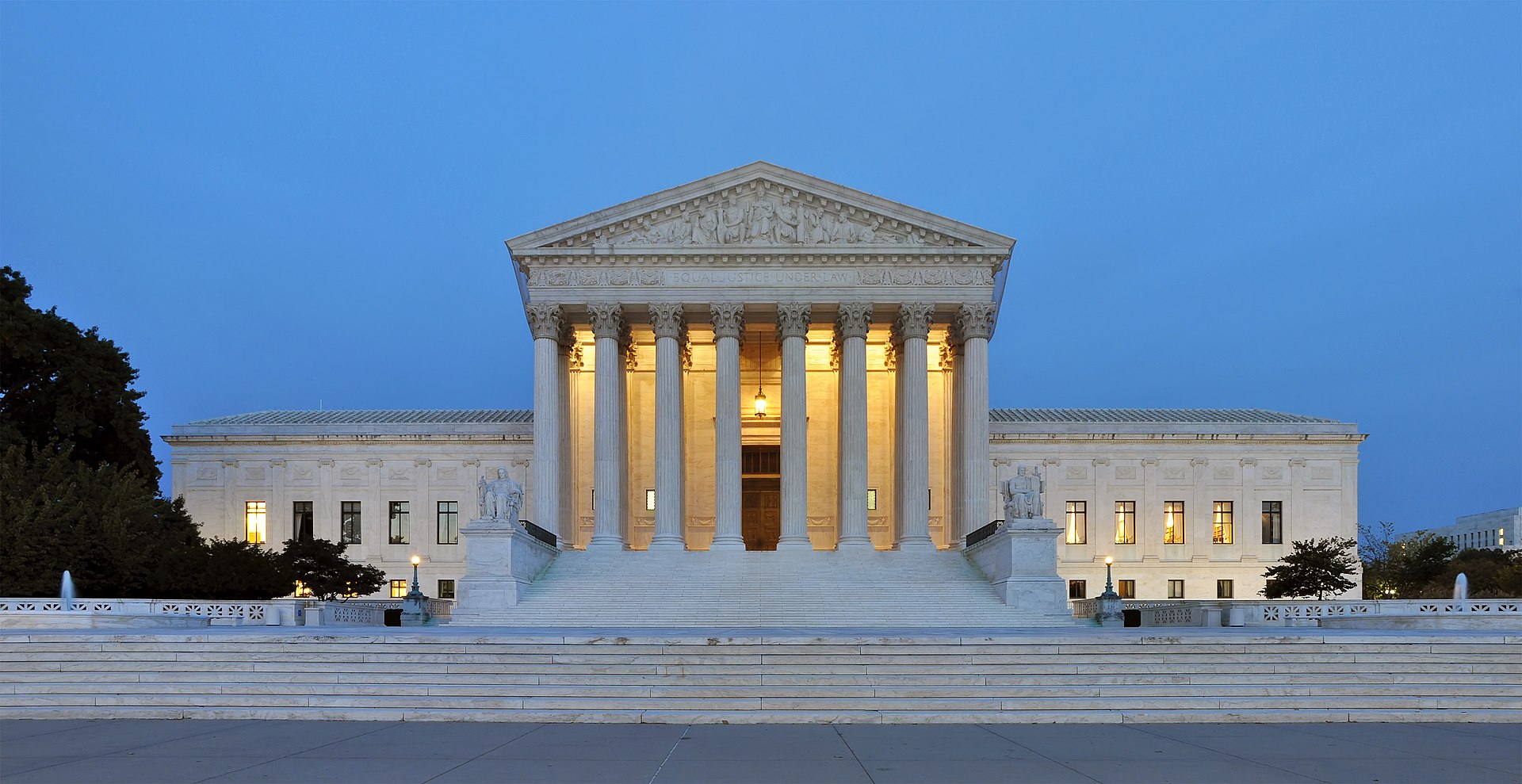
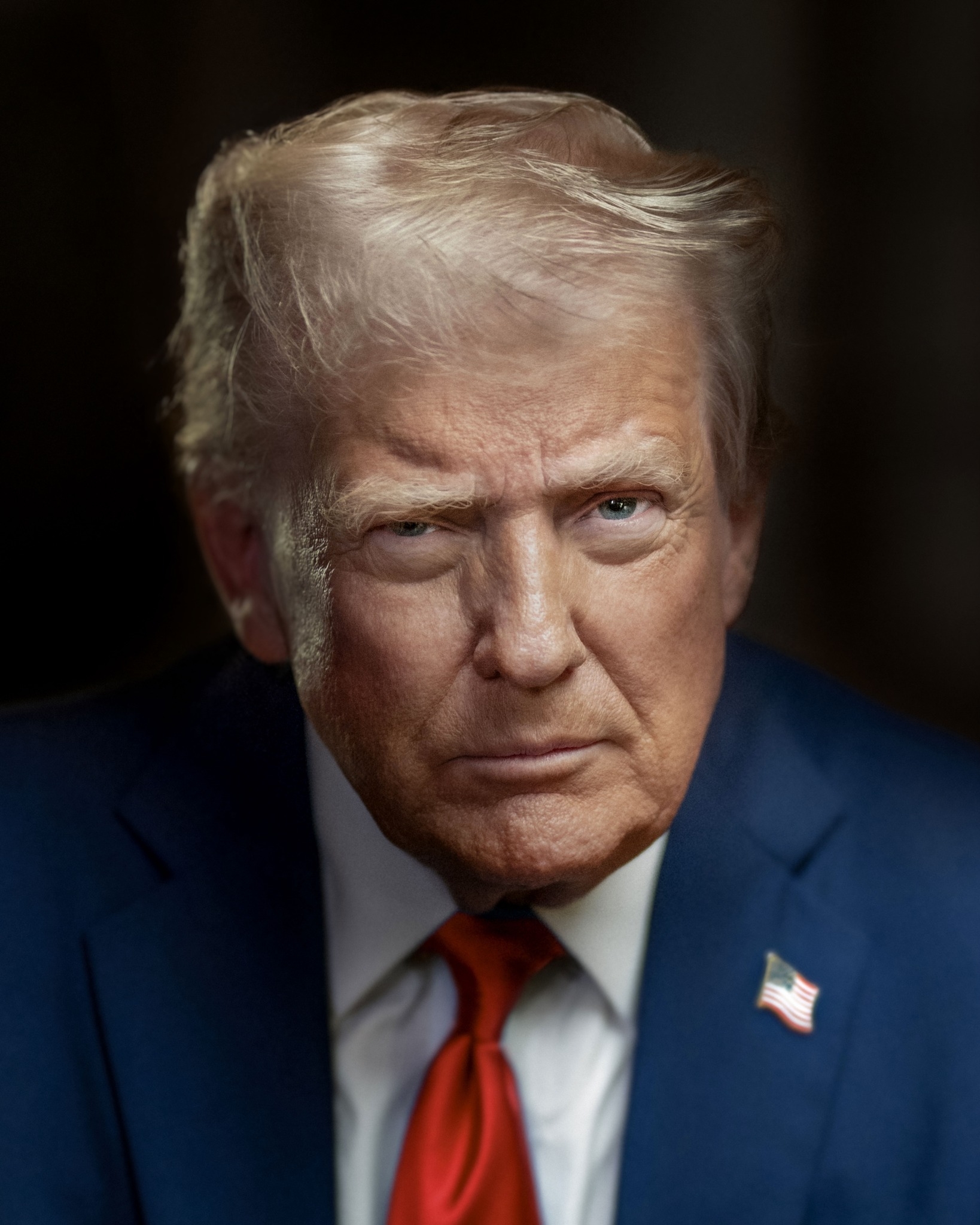
Donald Trump is trying, for the second time in a year, to remove Lisa Cook from the Federal Reserve's Board of Governors. He tried once in August 2025, citing a mortgage-fraud accusation from a housing regulator. Courts blocked it, and in June 2026 the Supreme Court ruled 5-4 that Trump had skipped a legal step — Cook was entitled to be told the charge and given a chance to answer before being fired, and she wasn't. The Court did not say whether Trump can fire her once he does follow that process. So on 5 August 2026, the White House sent Cook a new letter giving her until 26 August to respond to the same mortgage allegations. She answered on the deadline, denying wrongdoing and calling it a pretext. As of this writing, no new firing order has followed — the fight is expected to go back to court.
Why did it happen?
The administration's stated reason is the mortgage paperwork: it says Cook broke the law by claiming two homes as her primary residence at once. Cook's side says it was an honest error, not fraud, and points out Trump has publicly demanded lower interest rates from the Fed for over a year — including from Cook directly. The mortgage claim gives the administration a legal-sounding reason to remove a specific vote on the Fed's board, at a time when that board has been resisting the rate cuts Trump wants. Likely rather than confirmed, because the administration has never said out loud that this is about rate policy — only about the mortgage allegation.
Who benefits?
If Trump succeeds, he gets to replace a vote he doesn't control with one he does, on a seven-seat board where every seat matters to whether rates go up or down. That would make it easier to get the rate cuts he has been publicly demanding. Beyond that, it's unclear — a Fed board that can be reshaped this way is a weaker institution for everyone, including, eventually, whoever is in the White House next.
Who loses?
Cook loses the most directly and immediately — she is fighting to keep her job and her reputation against a fraud accusation she calls baseless. More broadly, anyone who depends on the Fed being seen as independent from the White House stands to lose if this succeeds: savers, mortgage holders and anyone holding US dollars or Treasury bonds, because interest rates and inflation expectations are priced partly on trust that the Fed isn't taking political orders. That trust is genuinely at stake here; whether it has already been damaged, or only would be if a firing succeeds, is not yet settled.
LikelyWhat happened?
The dispute traces back to a criminal referral William Pulte, director of the Federal Housing Finance Agency, sent the Department of Justice in August 2025, alleging Cook had listed two properties — one in Michigan, one in Georgia — as her 'primary residence' on mortgage applications filed before her 2021 Fed nomination. Trump moved to fire her days later, the first removal attempt against a sitting Fed governor in the institution's history. Cook sued, and the case reached the Supreme Court, which ruled 5-4 on 29 June 2026. Chief Justice Roberts, writing for a majority that included Kavanaugh alongside the Court's three liberal justices, held that accepting the administration's argument would 'transform the Federal Reserve's for-cause protection into at-will employment' — but the ruling turned on procedure: Cook was entitled to 'notice and some opportunity to respond' before termination, not a trial, and she never got even that. The Court explicitly left open whether Trump can remove her once due process is followed. On 5 August 2026, deputy White House chief of staff Dan Scavino sent a new letter stating there was 'sufficient reason to believe' Cook made false statements on her mortgage applications, and gave her 21 days — until 26 August — to respond. Cook's attorneys, Abbe Lowell and Norm Eisen, replied that day: 'For the second time in a year, we have explained why there is no legal basis for President Trump to remove Governor Cook for cause... An inadvertent error is not fraud,' adding that the effort amounts to 'an attempt by President Trump to force the Federal Reserve to bend to his will.' Cook remains in her seat and spoke at the Fed's Jackson Hole symposium on 28 August, two days after the deadline passed. Confirmed, because every step here is a matter of dated public record — court rulings, letters, and on-the-record statements from both sides.
Why did it happen?
On the record, the case is narrow: William Pulte's referral and the White House's 5 August letter both rest entirely on the two mortgage applications, with no broader stated rationale. Cook's lawyers argue the underlying facts don't support even that: they call it 'an inadvertent error,' not fraud, and note pointedly that 'the President and a third of his cabinet' have reportedly made similar residency errors on their own paperwork without facing removal proceedings. What the administration's own filings do not address is timing and context: the mortgage applications date to 2021, before Cook's Fed nomination, and the referral surfaced in 2025 — four years later — only after Trump had spent months publicly pressuring the Fed to cut rates faster than it has. Forbes' reporting on Fed independence risk cites ING's currency desk warning that 'were the Fed to be seen cutting rates inappropriately, we could see a run on the dollar' — the exact scenario a Fed reshaped by selective removals would risk. Cook's own statement makes the inference explicit from her side: this is, in her lawyers' words, an attempt 'to force the Federal Reserve to bend to his will,' not a fraud case that happens to involve a Fed governor. Likely, not confirmed: the mortgage allegation is real and unresolved on its own facts, and no administration official has stated a rate-policy motive on the record — the rate-pressure context is documented but the causal link is inference, not admission.
Who benefits?
The narrowest and clearest beneficiary, if the removal succeeds, is whoever fills Cook's seat with a replacement more aligned with the administration's preference for faster rate cuts — tilting a seven-member board that has resisted the pace of cuts Trump wants. Beyond that the picture is genuinely unclear. A Fed board seen as removable-by-displeasure does not obviously benefit even the administration seeking it: Forbes' reporting notes market pricing already reflects roughly 50 basis points of expected cuts, meaning some easing is priced in regardless, while ING's warning about a 'run on the dollar' describes a cost that would fall on the same administration if credibility breaks. Uncertain, because 'benefits' here depends entirely on an outcome that hasn't happened — Cook has not been removed, no replacement has been named, and whether markets treat a reshaped Fed as more dovish-friendly or simply less credible is not something any source has settled.
Who loses?
Cook's personal loss is immediate and already happening: she has now had to publicly relitigate the same mortgage allegations twice in a year, alongside the professional cost of serving under an open removal threat. The larger, structural loss is institutional. Financial commentary gathered by Forbes frames Fed independence as load-bearing for the dollar's role as the world's reserve currency and for the Treasury market's status as a global safe haven — the argument being that a central bank seen as taking direction from the White House on interest rates invites exactly the kind of inflation-expectation and currency risk that independence exists to prevent. SCOTUSblog's read of the June ruling underlines how unresolved the underlying question still is: Roberts stopped the first firing on due-process grounds without ever answering whether a president can remove a Fed governor for cause once procedure is satisfied — meaning the institutional exposure this case describes doesn't close no matter how the Cook matter individually resolves. Likely rather than confirmed: the mechanism (independence supports currency and rate credibility) is well-established economics, but no cited source has yet measured actual market damage from this specific 2026 episode as opposed to the general risk it represents.
LikelyDomino Effect
The causal chain so far. New dominoes append as they fall.
Corrections & revisions
1Every change to this analysis since publication, with the reason. We append here — we don't rewrite. A number that changes silently is indistinguishable from never having been wrong.
RSS feed-
REVISITAdded a domino step for the 16 Sep Fed rate vote, moved cook-removed-2026 with a dated note, and added a related link to the new fed-rate-hike-war-inflation analysis. cook-removed-2026: 35% (open) → cook-removed-2026: 28% (open)The rate vote was the first real test of how Trump responds to a Fed official defying him outside the Cook case itself, and it bears directly on this file's open question of whether he escalates against Cook.
Sources
7 sources
Every source behind the Trust Index above. Follow them — a trust score you can't check is decoration.
- Trump Informs Lisa Cook That He Is "Considering" Her Removal
- Trump Mounts New Effort to Oust Lisa Cook From Fed Board After Supreme Court Ruling
- Trump Administration Proceeds With Efforts to Fire Federal Reserve Governor Lisa Cook
- Lisa Cook Defends Herself Against White House Mortgage Fraud Allegations
- The Fed's Independence Problem: What It Means For Rates, Inflation, And Market Confidence
- President Trump Reveals He Told Fed Chair Kevin Warsh to Vote for Rate Hike
- The Fed just delivered a unanimous rate hike, the first in three years, and no cuts through 2027
Nothing here stands alone. This story is one node in a wider web — every card is another thread you can pull.