The Strait of Hormuz Closed. Oil Went Back to $77 Anyway.
Your pump price — barely.
- Traffic through the Strait of Hormuz collapsed from roughly 130 vessels a day before the war to as low as one on 16 August, even as Brent crude — the whole point of this analysis — kept returning close to its pre-war price rather than spiking.
- The 60-day truce window that opened on 17 June collapsed by early July; a 16 August deadline for a final deal passed unresolved, and fighting escalated again in September with US strikes on roughly 100 IRGC-linked targets and a new 'tanker for tanker' policy.
- Brent climbed back to $94.52 by 1 September and diesel hit a record $5.85/gallon on 4 September — the clearest sign the price calm this analysis is built around has partly reversed since its original mid-July finding.
- The war's inflationary pressure reached the US economy directly: reporting on the Federal Reserve's 16 September rate hike (see fed-rate-hike-war-inflation) names 'a war in Iran' alongside a strong jobs market as a driver of the decision.
- This site's own probability track record: hormuz-reopen (traffic back above 100/day by 30 Sep) has fallen to 1%, and final-deal (signed by 16 Aug) resolved no — both moved the direction the escalation implied, not the direction the original ceasefire optimism implied.
What happened?
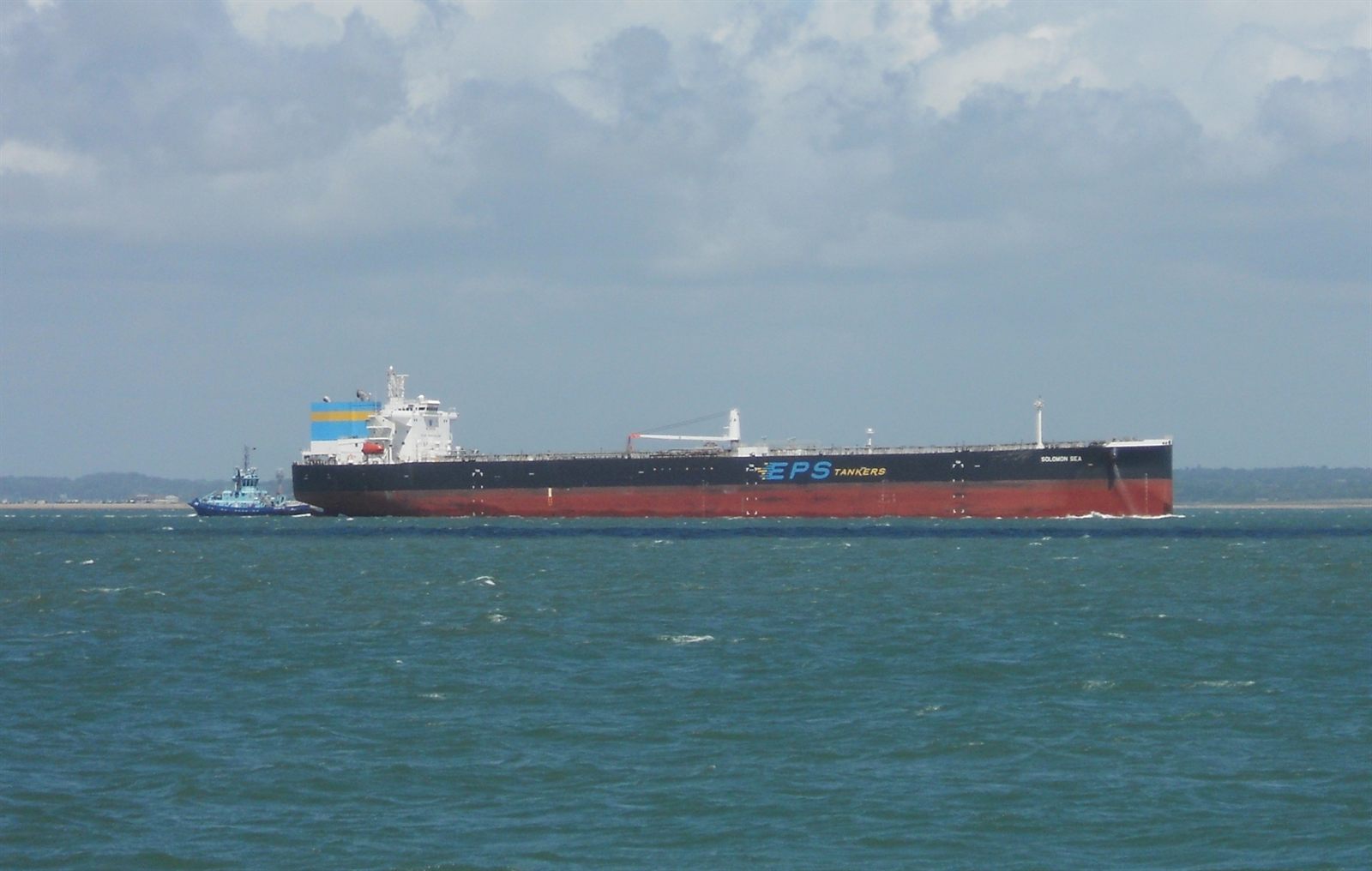
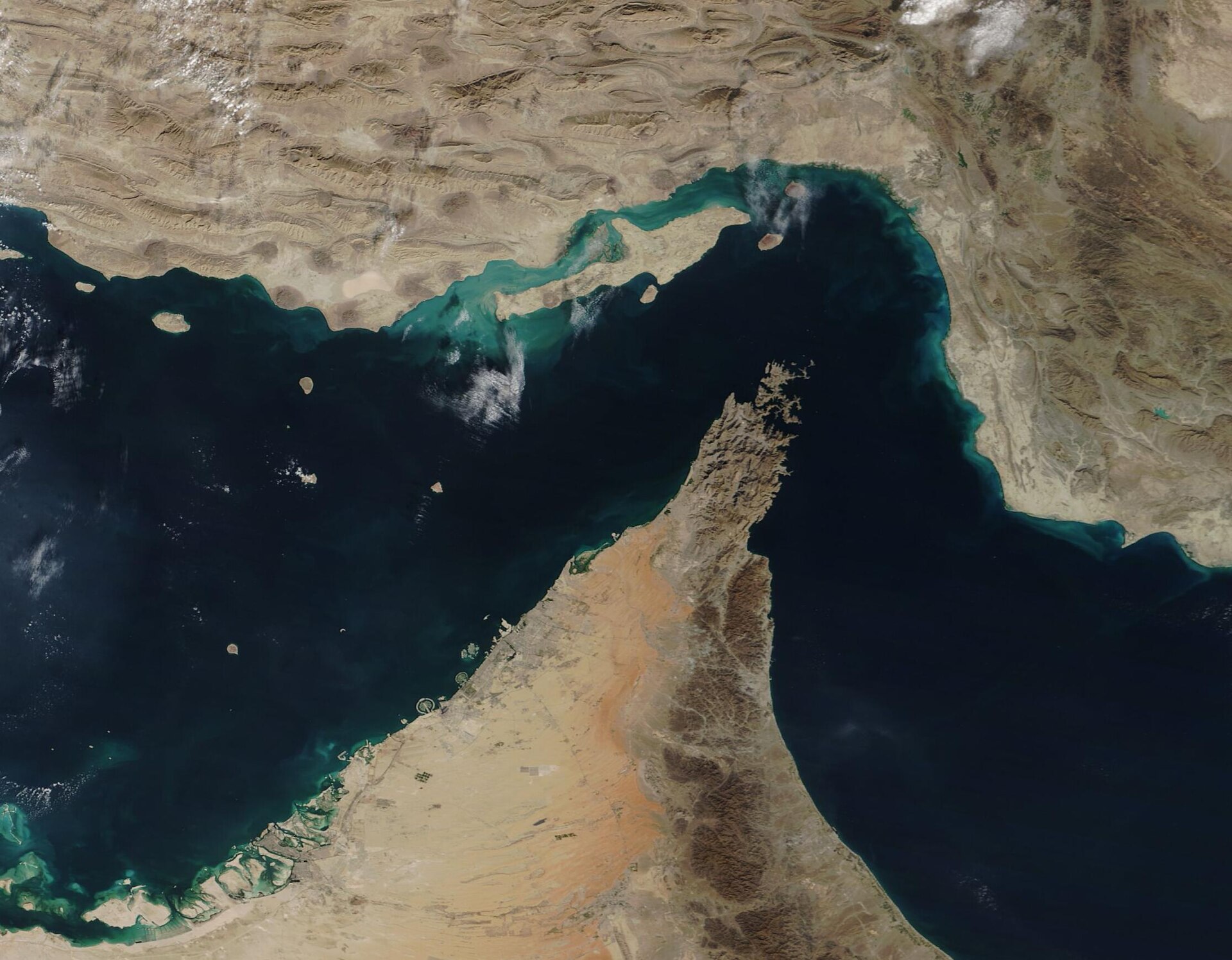
Iran's biggest weapon is a narrow stretch of water that a fifth of the world's oil sails through. It used it. Traffic through the Strait of Hormuz has collapsed — on one day in July, five ships crossed where 130 a day used to.
Why did it happen?
Leverage. The strait is the one card that hurts everyone else immediately, and Iran played it. The read here is ours — nobody publishes a country's intentions.
LikelyWho benefits?
Anyone selling oil that doesn't have to sail past Iran. US exporters hit a record. Saudi Arabia and the UAE pushed more oil out through routes that bypass the strait entirely.
LikelyWho loses?
The crews, first — around 6,000 seafarers are stuck on ships that cannot move. And Iran, which spent its most feared weapon and found out the world could absorb it.
Is the chokepoint still a weapon?
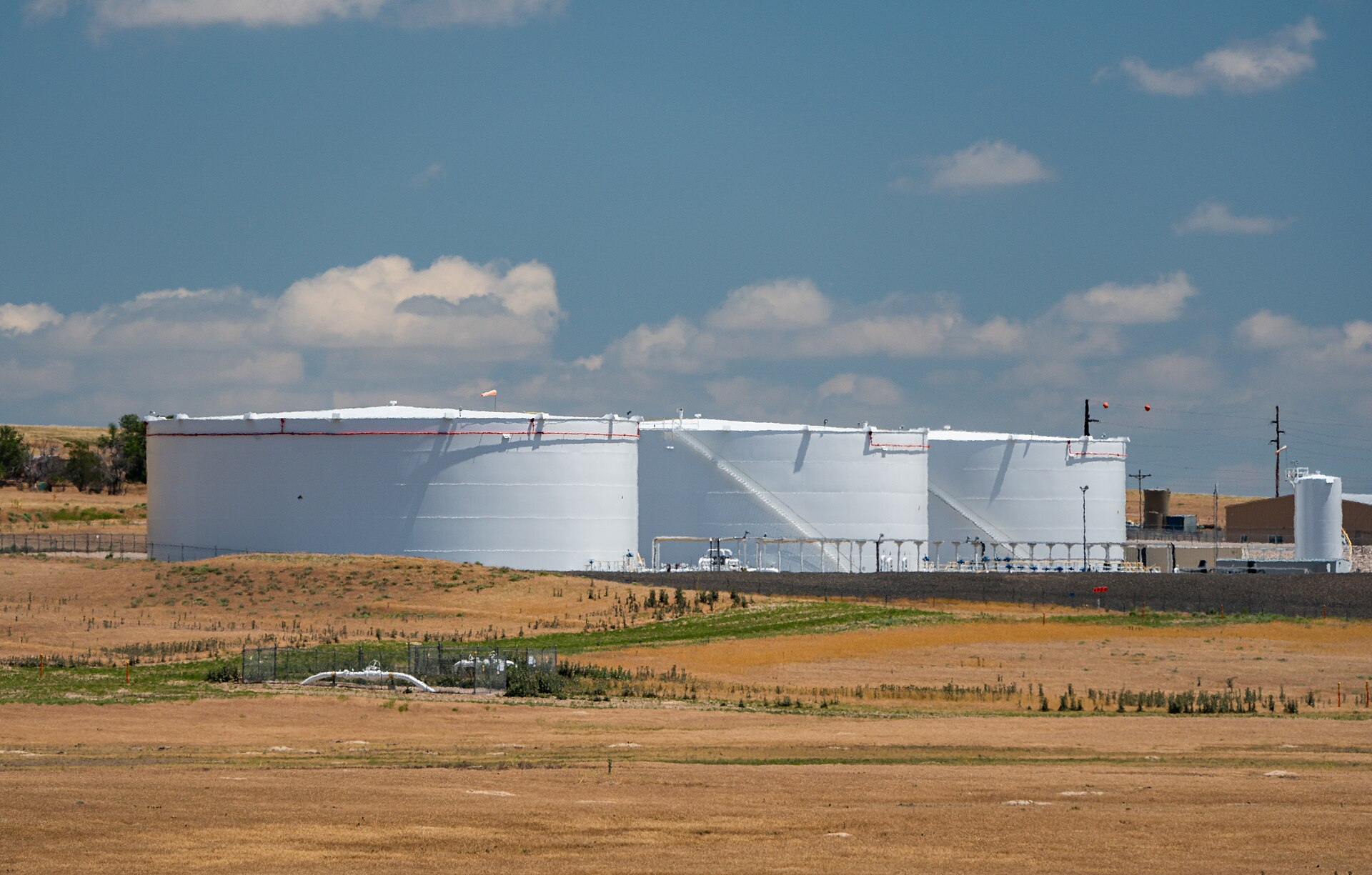
This is where honest people disagree. One reading: the world adapted, so the strait was never as decisive as everyone assumed. The other: it only looked survivable because demand collapsed and reserves were burned — neither of which can happen twice.

What happened?
Following the outbreak of war in late February 2026, crude flows through the Strait of Hormuz fell from around 20 million barrels per day before the conflict to an average of 2.7 million barrels per day across March, April and May. After a 14-point memorandum of understanding signed on 17 June opened a 60-day negotiating window, fighting resumed in July: three merchant ships were struck while transiting the strait, and tracked crossings fell to five vessels against 45 two days earlier, versus roughly 130 daily before the war.
Why did it happen?
Closing or threatening the strait imposes immediate, globally distributed cost at low marginal effort, which is what makes it Iran's highest-value instrument under sustained military pressure. This is an interpretive reading of motive, not a sourced finding: the transit collapse and the ship strikes are documented, the intent behind them is inference. Treat it as our judgment and discount it accordingly.
LikelyWho benefits?
Producers with export capacity outside the chokepoint captured the redirected demand: Saudi exports from Yanbu rose from 2 million barrels per day before the war to more than 5 million in early June, UAE exports went from 1.9 million in March to 4.3 million in early June, and US exports reached a record 13.1 million barrels in May. Whether these are durable gains or a temporary premium on being on the correct side of a blockade is not yet resolvable.
LikelyWho loses?
The immediate cost fell on people with no stake in the dispute: roughly 6,000 seafarers stranded aboard hundreds of vessels, 136 ships and 2,900 seafarers evacuated, and 14 killed in two days of exchanges in July. The strategic loser is harder to call but points at Iran: cumulative Middle East supply losses exceeding 1.3 billion barrels bought a price that returned to roughly its pre-war level, and the strait's closure has now invited a US claim to run it. A weapon that can be absorbed is a weapon that can only be used once.
Is the chokepoint still a weapon?
The optimistic reading is evidenced: supplies readjusted, with China cutting crude imports by 40% (4.6 million barrels per day) between February and May, IEA members releasing 400 million barrels of emergency stocks peaking at 2.5 million barrels per day, and rerouted Gulf exports filling much of the gap — and Brent traded at $76.58 on 10 July, near pre-war levels. The dissent is that this misreads the mechanism: spare capacity sitting behind a blockaded chokepoint is not deliverable supply, global inventories still fell by 3.8 million barrels per day since the conflict began, and the adaptation ran on one-time buffers rather than structural resilience. We do not think this question is settled, and we are not going to pretend otherwise to sound decisive.
Domino Effect
The causal chain so far, dated from what the sources actually report. New dominoes append as they fall.
Iran's leverage was always a threat rather than an act — its value lay in never being tested. Using it converted a permanent deterrent into a one-time expenditure, and the test returned an answer nobody in Tehran wanted published: the world absorbed a 17-million-barrel-a-day hole and paid about a dollar for it. Left untouched, the strait would still be a loaded gun. Fired, it is now a US-policed waterway that Washington is openly proposing to run. This is our reasoning, not a sourced counterfactual.
Corrections & revisions
9Every change to this analysis since publication, with the reason. We append here — we don't rewrite. A number that changes silently is indistinguishable from never having been wrong.
RSS feed-
REVISITResolved hormuz-reopen as NO and added two citations and one domino step; moved brent-100. hormuz-reopen: 1% (open) · brent-100: 63% → hormuz-reopen: resolved no · brent-100: 70%The 30 September deadline passed with transits at single digits, not above 100. Brent closed September at $97.68, close to the $100 line, with new tanker strikes.
-
REVISITAdded the 3-minute digest section, a domino step for the 16 Sep Fed rate hike, and a related link to the new fed-rate-hike-war-inflation analysis.revisit.js flags hormuz-reopen as judgeable within 13 days, and the war's oil-driven inflation reached a new, concrete milestone — the Fed's first rate hike since 2023, with reporting naming the Iran war as a driver — that belongs in this file's own causal chain, not only in the new analysis it spawned.
-
REVISITAdded a domino step for the 5 Sep tanker strikes and diesel record, two citations, and moved brent-100 with a dated note. brent-100: 46% (open) → brent-100: 63% (open)Brent jumped to $94.52 on 1 Sep and the war escalated further on 5 Sep with an IRGC missile attack on a US carrier and three Iranian tankers hit in reply under a newly declared 'tanker for tanker' policy — directly relevant new evidence for this file's central open question, whether Brent closes above $100 before year-end.
-
REVISITAdded a domino step for the 1-2 Sep escalation, two new citations, and moved hormuz-reopen, with a dated note. hormuz-reopen: 3% (open) → hormuz-reopen: 1% (open)revisit.js flagged hormuz-reopen as judgeable within 45 days. The conflict re-escalated rather than cooling: Iran attempted new mine-laying and struck a US base in Jordan, the US answered with a 'tanker for tanker' policy and strikes on roughly 100 IRGC-linked targets, and NBC's own tracker still shows traffic nowhere near the pre-war baseline six days out from a 30 September deadline that already looked out of reach.
-
REVISITRewrote the "why this matters to you" hook. your pump price — barely → Your pump price — barely.Operator decision, 2026-08-19: whyItMatters.outcome is now the page's primary hook and every analysis was rewritten to a single short, concrete, human-stakes sentence (docs/EDITORIAL.md, Permanent standards #4) — replacing several that had grown into full paragraphs or abstract policy-thesis phrasing.
-
REVISITResolved final-deal (no) — the 16 Aug deadline passed with no signature — and moved hormuz-reopen down, each with a dated note and two new citations. final-deal: 6% (open) → final-deal: resolved norevisit.js flagged final-deal as 2 days overdue with the estimate still open. IMF PortWatch's latest count (1 vessel on 16 Aug, ~1% of the pre-crisis baseline, per straits.live) and the absence of any announced deal both point the same direction as the deadline having lapsed.
-
REVISITAdded a fourth image (framework Q5), three domino steps (10-14 Aug ADNOC vessel attacks, the 'declare it US territory' / 'will remain Iranian' exchange, and Brent's climb to $89.53), four new citations, and moved hormuz-reopen/final-deal/brent-100, each with a dated note.The 16 Aug final-deal deadline is one day off. Real news moved against the 12 Aug optimism: three more ADNOC vessels were struck and both principals hardened their rhetoric rather than converging, which argues hormuz-reopen and final-deal back down. Separately, Brent's climb to $89.53 — up from the $76.58 this analysis's headline finding rests on — is new evidence the price calm that finding described has partly reversed, which the brent-100 estimate had flagged as the residual risk since its initial write-up; all three needed recording, not just the one the deadline was about.
-
REVISITAdded a domino step for the 7-11 Aug reparations dispute and Oman route-map progress, four new citations, and moved hormuz-reopen/final-deal/us-transit-fee, each with a dated note.revisit.js flagged final-deal as judgeable in 6 days. Real news split in two directions since 2 Aug: technical progress on an Iran-Oman Hormuz route map (moving hormuz-reopen up), and a harder reparations dispute that Bloomberg reports is dimming deal hopes with the 16 Aug deadline days away (moving final-deal back down) — both needed recording rather than only the one the deadline was about.
-
REVISITAdded a domino step and two citations for the 1-2 Aug ceasefire framework, and moved hormuz-reopen/final-deal, each with a dated note.Trump's 1-2 Aug announcement named Hormuz's full reopening as an explicit deal term and moved the final-deal question with only two weeks left on its 16 Aug deadline — revisit.js flagged final-deal as judgeable soon, and the news warranted a real update rather than letting the deadline pass unremarked.
Sources
23 sources
Every source behind the Trust Index above. Follow them — a trust score you can't check is decoration.
- How global oil supplies have readjusted to help fill the huge gap left by the Strait of Hormuz shock
- Strait of Hormuz traffic plunges as US, Iran resume fighting
- US-Iran war leaves shipping at near-standstill in Hormuz again
- U.S.-Iran War Latest: U.S. blockade on Iranian ports restarts as Trump angles for control over Strait of Hormuz
- A Barrel Trapped Behind Hormuz Isn't Spare Capacity
- Trump signals deal to end Iran war may be imminent, agrees to 'cancel the attack'
- Trump Says US to Cancel Iran Attack Subject to a Rapid Deal
- The emerging deal to reopen the Strait of Hormuz reportedly recognizes Iran's control
- Trump demands compensation from Iran as talks on Strait of Hormuz continue
- Pakistan signals progress on U.S.-Iran deal as Washington and Tehran trade reparation demands
- UAE accuses Iran of attacks on two ADNOC vessels in Strait of Hormuz
- Iran targets tankers in 'unprovoked attacks' in Strait of Hormuz, UAE says
- Iran live updates: Trump says he'll declare Strait of Hormuz a US territory
- Current price of oil as of Aug. 14, 2026
- Strait of Hormuz Closed, Day 172 — Live Tracker & Monitor
- Iran war latest: Trump insists naval blockade of Hormuz remains in force
- Strait of Hormuz Brief: 19 August, 2026
- U.S.-Iran War Updates: Jordan and Bahrain face Iranian missiles and drones as hostilities flare
- Tracking ship traffic through the Strait of Hormuz
- U.S. crude oil hits $90 per barrel following latest U.S. attacks against Iran
- U.S. Forces Strike 3 Iranian Oil Ships Under Newly Authorized 'Tanker For Tanker' Policy
- Hormuz Shipping Traffic Falls To 7 Vessel Transits
- Strait of Hormuz Status: September 30, 2026
The uncomfortable lesson of this war is not that Iran was weak. It is that a chokepoint is a story about fear, and fear has a shelf life. For fifty years the Strait of Hormuz worked as a weapon precisely because it was never fired; every oil analyst carried a private number for what closing it would cost, and no one had to test it. Iran tested it. The world lost seventeen million barrels a day and the price moved a dollar. Deterrence, it turns out, is a claim about the future that only survives while it stays unfalsified — and Iran has now falsified its own. That is a far worse outcome than losing a battle. Battles can be re-fought. You cannot un-demonstrate that the thing everyone feared was survivable.
— the founderNothing here stands alone. This story is one node in a wider web — every card is another thread you can pull.