Britain pays more than India — the tariff graded on a US law
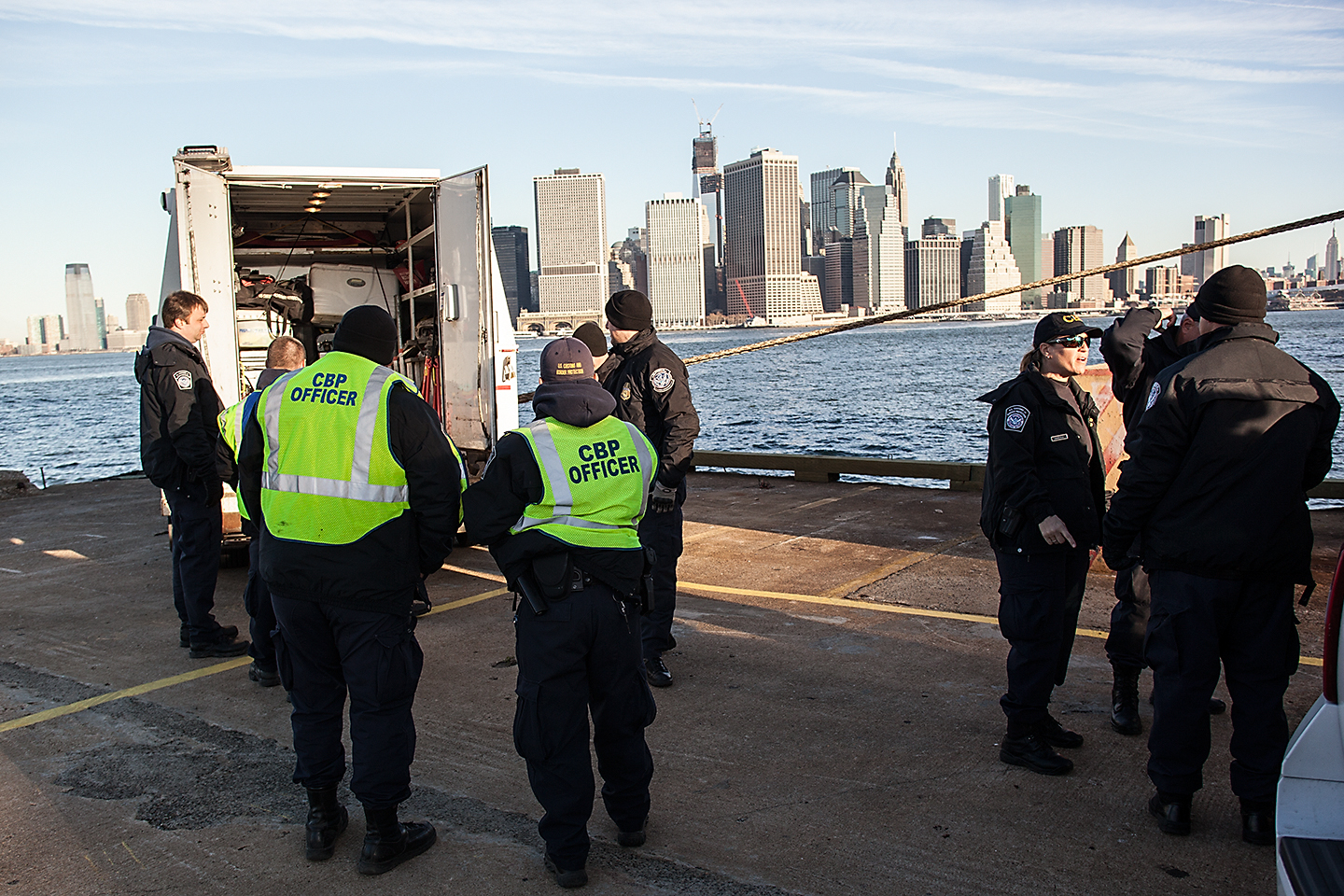
A tariff sold as human rights actually just grades countries on whether they copied a US law.
What happened?
From Friday 24 July 2026 the US put new tariffs on 60 countries — about 99% of everything it imports. The rate is 10% or 12.5%, and which one you get depends on a single thing: whether your country has its own ban on importing goods made with forced labour.
Why did it happen?
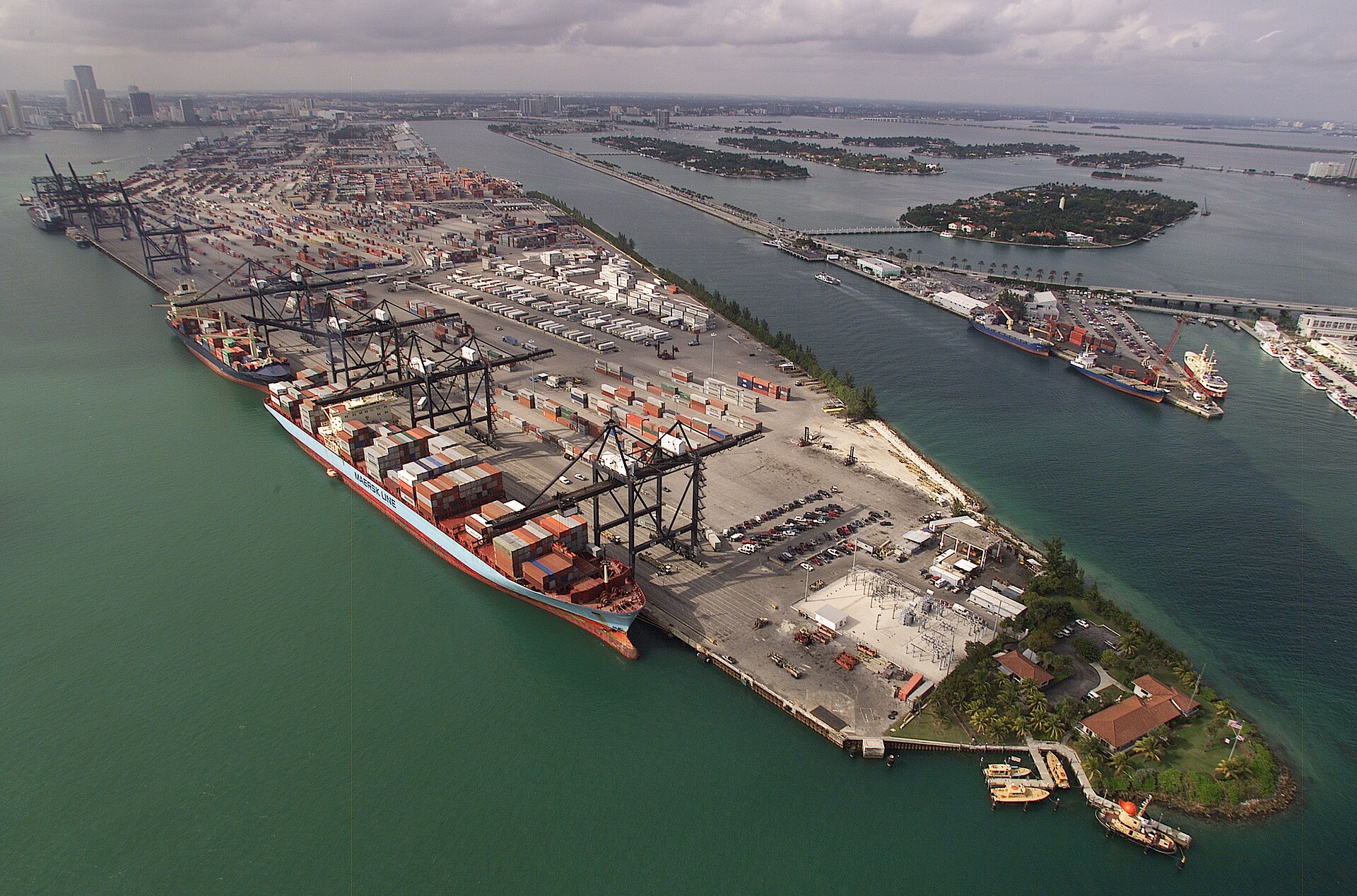
Because the courts took the old weapon away. In February 2026 the Supreme Court struck down Trump's emergency-powers tariffs. So the administration rebuilt the same wall on a different, sturdier law — Section 301 — and needed a trade-practice to point at. Forced labour is that pretext.
Who benefits?
The US Treasury, which collects a tariff on nearly everything the country imports. And, on paper, any exporter in a country that has already passed a forced-labour import ban — it pays the lower 10% while a neighbour without one pays 12.5%.
LikelyWho loses?
Consumers and importers in the US, who pay the duty. And close allies who assumed the relationship bought them cover — Britain, a treaty partner with a US trade deal, is in the higher 12.5% band alongside China.
UncertainWhat happened?
At 12:01am on Friday 24 July 2026 the United States imposed duties of 10 to 12.5 percent on imports from 60 economies accounting for 99 percent of US imports. The split is not by trade balance or by alliance: countries that have adopted a forced-labour import prohibition are charged 10 percent, and those that have not are charged 12.5 percent. Al Jazeera's breakdown places India, Pakistan and Argentina in the 10 percent band and China and the United Kingdom in the 12.5 percent band. The measure replaces a temporary 10 percent worldwide tariff that expired the same day.
Why did it happen?
In February 2026 the Supreme Court struck down the tariffs Trump had imposed under emergency powers. The administration pivoted to Section 301 of the 1974 Trade Act, which — as The Conversation notes — 'sets no limit on the tariff amount; lets the president discriminate among targeted countries; and generates tariff revenue without violating the Constitution's taxation clause, a major element in the Supreme Court's February decision.' USTR opened Section 301 investigations into 60 economies in March, concluded they failed to 'effectively enforce a forced labour import prohibition,' and set the rates. The stated rationale is enforcement — 'it's well past time for our trading partners to do the same,' said USTR Jamieson Greer — but The Conversation reads the case selection as chosen 'primarily to establish a permanent tariff regime by providing all-purpose bargaining leverage, not correcting damaging foreign trade practices.'
Who benefits?
The immediate beneficiary is US revenue: Section 301 was chosen partly because it 'generates tariff revenue without violating the Constitution's taxation clause.' The mechanism also hands a relative advantage to partners that have already adopted forced-labour import prohibitions — India, Pakistan and Argentina at 10 percent — over those that have not. That is the twist worth naming: the tariff rewards adopting an American regulatory standard, so the winners are defined by regulatory alignment, not by how close an ally a country is. Whether the 2.5-point gap is large enough to actually move any government to legislate is the open question the probabilities below try to price.
LikelyWho loses?
The clearest losers are US importers and, downstream, US consumers — a tariff on 99 percent of imports is a broad price. The sharper political loss falls on allies who find alliance did not buy a lower rate: the United Kingdom sits in the 12.5 percent band with China, while India pays less. What this analysis cannot establish is durability and incidence: whether the tariffs survive the legal challenges The Conversation flags as likely, and how much of the cost each economy ultimately eats versus passes on. Anyone asserting this is a lasting realignment, and anyone dismissing it as a bluff, is claiming more than the cited evidence carries.
UncertainDomino Effect
The causal chain so far. New dominoes append as they fall.
The administration's case is that the tariff is exactly what it says: a century-old US forced-labour import ban, now demanded of trading partners. If partners respond by legislating genuine import bans and the rates fall as they comply, the 'pretext' reading weakens and this becomes a story about the US exporting a labour standard through market access. The test is behavioural: watch whether any 12.5% country buys down to 10% by adopting a ban, and whether the tariffs survive the legal challenges rather than being quietly narrowed.
Corrections & revisions
1Every change to this analysis since publication, with the reason. We append here — we don't rewrite. A number that changes silently is indistinguishable from never having been wrong.
RSS feed-
REVISITRewrote the "why this matters to you" hook. Read as a labour-rights measure, the tariff makes little sense — few believe 60 major economies run on forced labour. Read as what analysts say it is — a durable, all-purpose tariff regime rebuilt on firmer legal ground — it makes complete sense, and it sorts allies and rivals alike by whether they have copied an American law. → A tariff sold as human rights actually just grades countries on whether they copied a US law.Operator decision, 2026-08-19: whyItMatters.outcome is now the page's primary hook and every analysis was rewritten to a single short, concrete, human-stakes sentence (docs/EDITORIAL.md, Permanent standards #4) — replacing several that had grown into full paragraphs or abstract policy-thesis phrasing.
Sources
4 sources
Every source behind the Trust Index above. Follow them — a trust score you can't check is decoration.
- Trump's latest 'forced labour tariffs': Who's been hit, how badly? — 10% for countries with forced-labour import laws, 12.5% for those without
- Trump imposes new double-digit tariffs on dozens of countries — 10–12.5% on 60 economies under Section 301, replacing the post-Supreme-Court stopgap
- How Trump is relaunching a tariff war citing 'forced labour' concerns — the Section 301 investigation timeline and the 10%/12.5% compliance split
- How Trump plans to keep tariffs at the center of his economic policy despite stinging court losses — Section 301 as a durable, discriminatory tariff base
Nothing here stands alone. This story is one node in a wider web — every card is another thread you can pull.