The US Fought Iran to Stop Enrichment. Its Saudi Deal Leaves the Door Open.
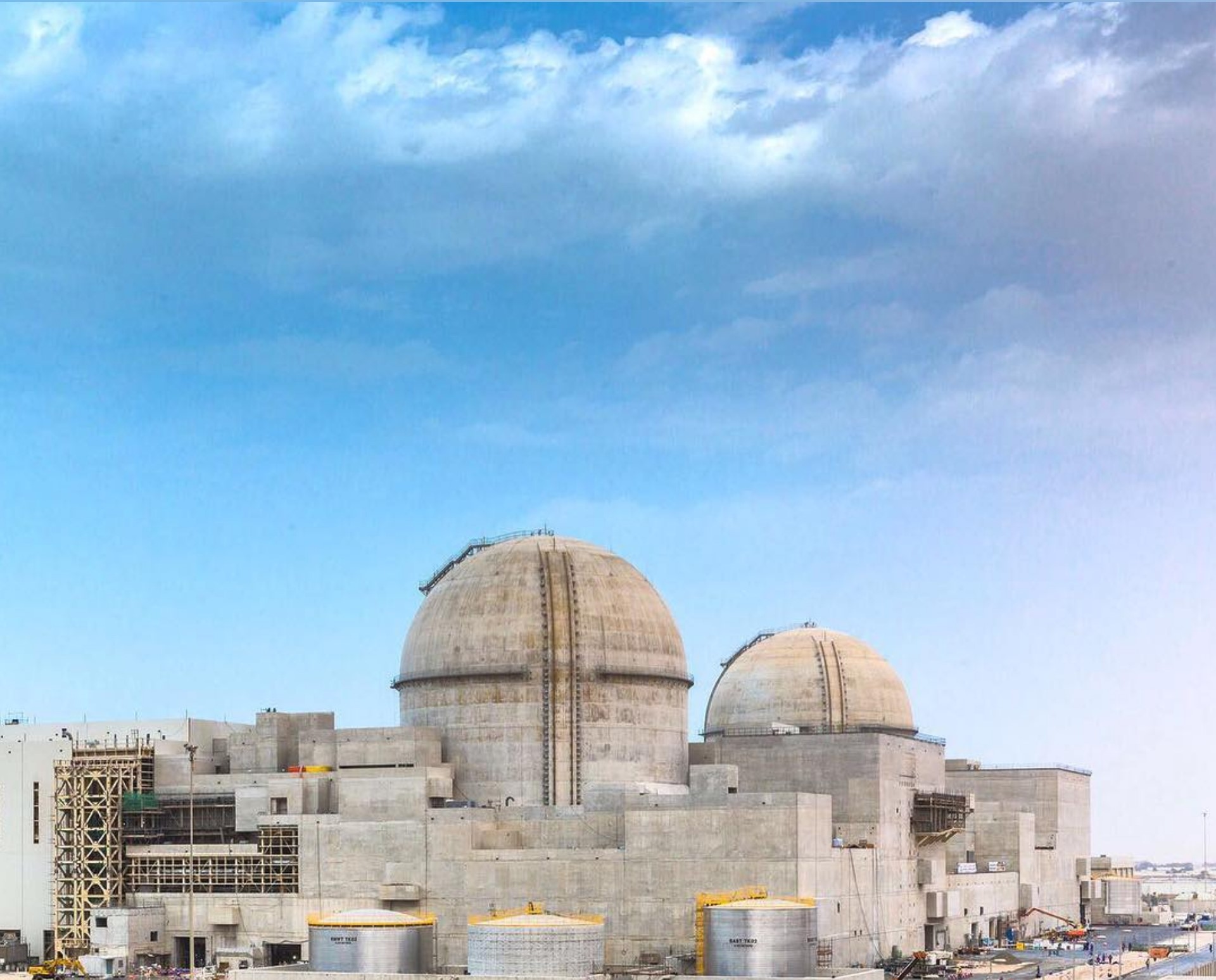
An arms-race clock the war with Iran was supposed to stop.
What happened?
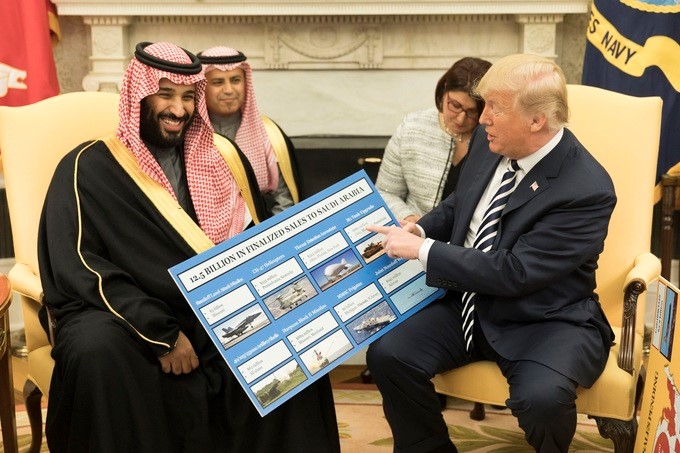
On 22 July 2026 the United States and Saudi Arabia signed a civil nuclear cooperation deal — the framework, called a 123 agreement, that any US company needs before it can sell reactors or nuclear technology to another country.
Why did it happen?
Saudi Arabia has chased American nuclear technology for years, and the crown prince announced back in November that the negotiations had succeeded. Washington gets a deeper, decades-long tie with Riyadh — and US firms get the contracts.
LikelyWhat is actually in the deal — and what is left open?
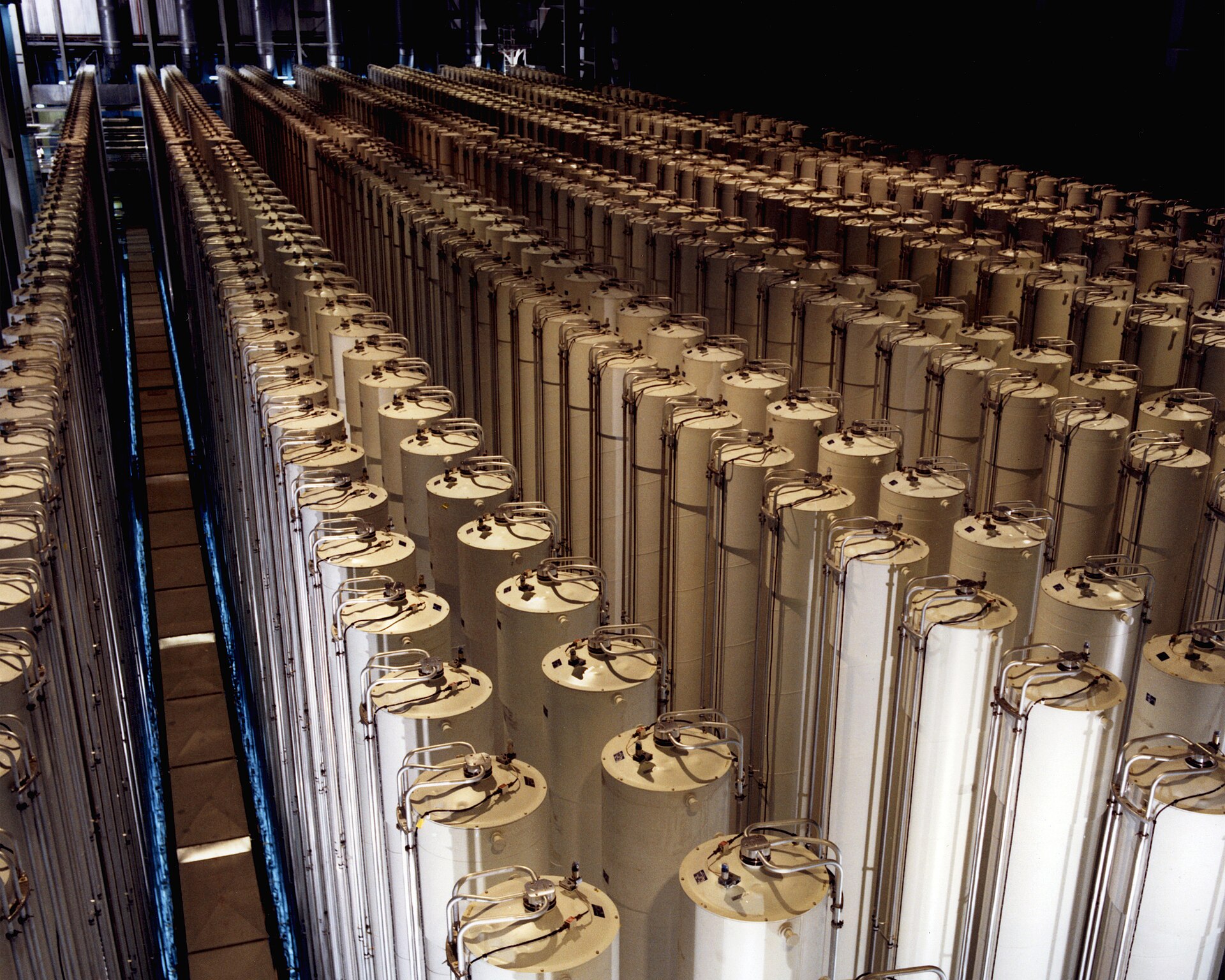
The one thing that matters most is the one thing nobody has confirmed: whether Saudi Arabia may enrich uranium on its own soil. A 123 agreement is meant to prevent weapons — but reports say this one opens the door to a Saudi enrichment plant, and the official texts released so far don't settle it.
Who benefits?
The crown prince, first — he gets the American technology Riyadh wanted and a deal that ties the two countries together for decades. US reactor companies get the contracts, and Washington keeps a customer that could otherwise buy Russian or Chinese.
LikelyWho loses — and is the alarm justified?
Israel is alarmed, and nonproliferation experts warn that centrifuges spinning in Saudi Arabia could open a path to a bomb. Saudi Arabia and the US insist it is peaceful and meets the highest nonproliferation standards. The honest answer: it depends on terms nobody has published — and it lands in the same season the US bombed Iran to stop it enriching.
UncertainWhat happened?
On 22 July 2026 Washington and Riyadh announced a civilian nuclear cooperation deal: a Section 123 agreement under the Atomic Energy Act of 1954, paired with a bilateral safeguards agreement, described as a 'decades-long, multi-billion-dollar partnership'. Signed by Saudi Energy Minister Prince Abdulaziz bin Salman and US Energy Secretary Chris Wright, the Saudi side called it a 'cooperation agreement for the peaceful use of nuclear energy' that 'strengthens cooperation between the two countries in the fields of energy and advanced technologies'. The US administration said it would 'reinforce global nonproliferation standards'. The agreement will be submitted to Congress for review. Both governments released, in the words of one report, 'scant details of the deal' — which is the crux of everything below.
Why did it happen?
The deal is the payoff of a long Saudi push: Arab News frames the signing as following Crown Prince Mohammed bin Salman's November announcement of successful bilateral nuclear cooperation negotiations, and the wider reporting notes Riyadh has for years sought a deal to obtain American nuclear technology. Two motives converge. For Saudi Arabia, civil nuclear power is part of diversifying an oil economy and matching a Gulf neighbour — the UAE already runs the region's first nuclear plant at Barakah. For Washington, Energy Secretary Chris Wright cast it as strengthening 'US-Saudi commercial relations', a decades-long, multi-billion-dollar partnership that keeps American reactor vendors in a market otherwise open to Russian and Chinese suppliers. The weighting between Saudi ambition and US commercial and strategic interest is our read; that both are in play is on the record.
LikelyWhat is actually in the deal — and what is left open?
A 123 agreement is the legal instrument designed to keep civil nuclear cooperation civil — its 'gold standard' form bars the partner from enriching uranium or reprocessing plutonium, the two routes to a bomb. Whether this deal holds that line is exactly what the released details do not say. Al Jazeera reports that 'some US media reports have suggested that the deal will allow Saudi Arabia to enrich uranium domestically rather than import nuclear fuel from the US', while the Energy Department's official statement 'provided no details confirming' it. The Times of Israel goes further, describing an agreement that 'paves the way for the building of a uranium enrichment facility in Saudi Arabia after a joint US-Saudi study'. The Saudi ministry, for its part, says the pact meets 'the highest international standards for nuclear safety, nuclear security and nonproliferation'. Two readings of the same document, and the congressional review still to come, are what make this the load-bearing question — and why our confidence here is 'uncertain', not higher.
Who benefits?
The clearest winner is Mohammed bin Salman: the reporting frames the deal as a coup for the crown prince, delivering the American nuclear technology Saudi Arabia has sought for years and, in the words of the coverage, an agreement that 'could deepen US-Saudi ties for decades to come'. American industry benefits from a multi-billion-dollar market and the commercial relationship Wright emphasised; the US government benefits strategically from locking in a partnership a rival supplier would otherwise contest. Whether Saudi Arabia also gains a latent weapons option depends entirely on the enrichment terms in Q3 — which is why the same fact that makes this a win for Riyadh is what alarms others.
LikelyWho loses — and is the alarm justified?
The disputing evidence is real and sits on both sides. The Times of Israel reports the deal 'paves way for construction of uranium enrichment facility that could eventually be converted to develop nuclear bombs', and that 'nonproliferation experts warn any spinning centrifuges within Saudi Arabia could open the door to a possible weapons program for the kingdom'; Israeli officials have voiced deep concern. Against that, Saudi Arabia frames the pact as strictly peaceful and nonproliferation-compliant, and Washington calls it a reinforcement of global standards. The sharpest loss is to the coherence of US policy itself: the administration launched operations against Iran in February 2026 to prevent Iranian uranium enrichment, and Israel remains the only regional nuclear power — so a US deal that could enable enrichment in Saudi Arabia invites every neighbour to ask why the rule is not the same for all. Whether the alarm is justified turns on the enrichment terms and the congressional review, neither settled by anything published this week — so we mark it 'uncertain' and let the dispute stand on the page.
UncertainDomino Effect
The causal chain so far, dated from what the sources actually report. New dominoes append as they fall.
The alarm rests on reports of domestic enrichment, not on published treaty text — and the agreement still faces congressional review. If the final terms carry the traditional 123 'gold standard' — no enrichment, no reprocessing on Saudi soil — then this is a commercial civil-energy deal and the weapons-path fear is moot. That reading is entirely live right now, because the one detail that would decide it is precisely the detail neither government has released. This is our reasoning, not a sourced counterfactual.
Corrections & revisions
1Every change to this analysis since publication, with the reason. We append here — we don't rewrite. A number that changes silently is indistinguishable from never having been wrong.
RSS feed-
REVISITRewrote the "why this matters to you" hook. an arms-race clock the war with Iran was meant to stop → An arms-race clock the war with Iran was supposed to stop.Operator decision, 2026-08-19: whyItMatters.outcome is now the page's primary hook and every analysis was rewritten to a single short, concrete, human-stakes sentence (docs/EDITORIAL.md, Permanent standards #4) — replacing several that had grown into full paragraphs or abstract policy-thesis phrasing.
Sources
3 sources
Every source behind the Trust Index above. Follow them — a trust score you can't check is decoration.