Canada's crude is already sailing to Asia — its gas is sold for 2032
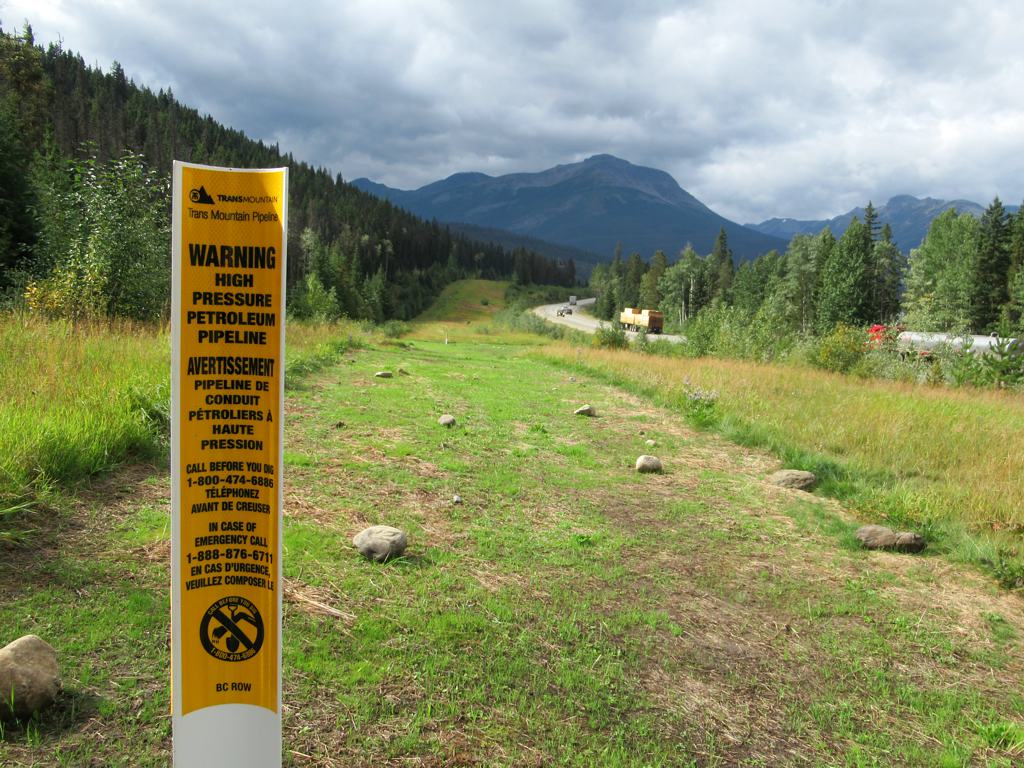
One of Canada's two new pipelines is already full. The other is a 2032 promise on paper.
What happened?
Canada started selling its energy to people other than Americans. Japan's biggest oil refiner bought a cargo of Canadian crude, and on 29 July Germany's state-owned gas company signed up for twenty years of Canadian gas. The gas part does not start until 2032.
Why did it happen?
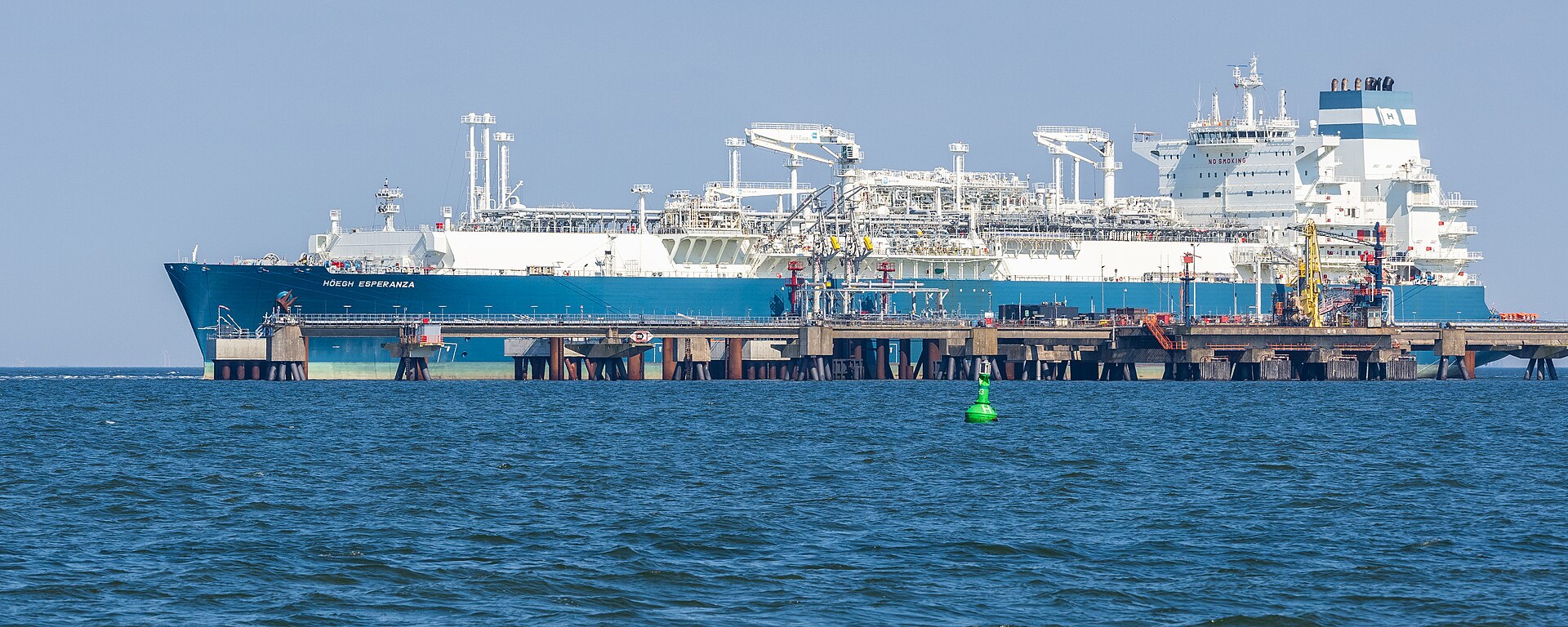
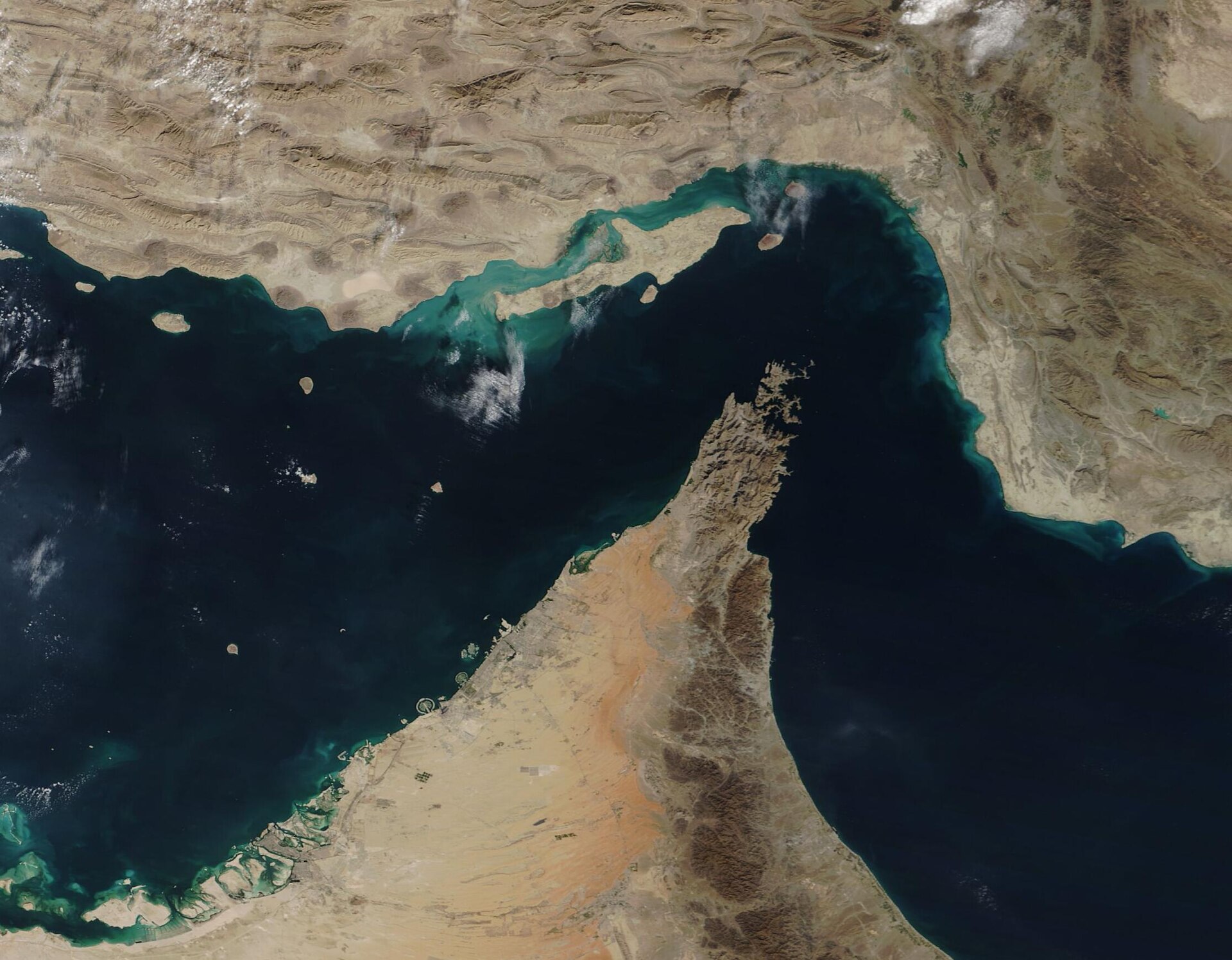
Because both buyers were leaning on one supplier and got frightened. Japan was bringing more than 90% of its oil through the Strait of Hormuz, which the Iran war put in doubt. Germany, cut off by Russia in 2022, ended up taking 96% of its LNG from the United States. Canada is the third option.
Who benefits?
Canadian producers, who now have somewhere else to sell. Japanese and German buyers, who get a supplier outside both the Gulf and the US. And the Nisga'a Nation and the developers behind the Ksi Lisims terminal, who now have a twenty-year customer to show a bank.
LikelyWho loses?
American refiners lose their captive discount, at the margin. Qatari and US gas sellers lose a slice of the German market — in 2032. And if the Ksi Lisims terminal is never built, the loser is whoever counted the gas.
UncertainWhat happened?
Two things happened in the same week, on very different timescales. Al Jazeera reports that the latest crude cargo leaving the Trans Mountain marine terminal at Burnaby was bought by Eneos, Japan's largest refiner, and that India, Malaysia and Singapore have all returned to buying TMX barrels since the Iran war began at the end of February; exports via TMX to Asia now account for nearly 77 percent of total oil exports from Vancouver this year, against about 51 percent in 2024. Separately, Reuters reports that Germany's Uniper has firmed up a purchase of 2 million tonnes of LNG a year from Canada's proposed Ksi Lisims project for up to 20 years, with first deliveries from 2032. An earlier German contract covers a further one million tonnes annually from 2030. The Trans Mountain line is federally owned, carries up to 890,000 barrels a day and has run at almost 90 percent of capacity since the third quarter of 2025.
Why did it happen?
The cause is concentration, in three places at once. Al Jazeera reports that uncertainty over supplies through the Strait of Hormuz is what pushed Asian states towards TMX crude, and that Japan had been importing more than 90 percent of its oil through that chokepoint. Reuters is explicit about the German motive: Uniper was buying Canadian gas 'to diversify away from U.S. supplies that accounted for 96% of Germany's LNG imports last year' — a dependence created, in Reuters' own framing, when 'former main supplier, Russia's Gazprom, stopped delivering in 2022.' Germany did not reduce its exposure in 2022; it moved it. The third concentration is Canada's own: it exports roughly 4.3 million barrels a day and sends about 3.9 million of them to the United States, which is the same fact read from the selling end.
Who benefits?
The clearest gain is Canadian: a country that sends about nine of every ten exported barrels to a single buyer has, for the first time, a second market taking a majority of one export route's volume. The buyers gain optionality rather than cheaper molecules — Reuters frames the Uniper deal as diversification away from a 96% American share, not as a price play, and the Asian refiners are buying a barrel that does not transit Hormuz. The subtler beneficiary is the Ksi Lisims project itself: a signed twenty-year offtake from a state-owned German utility is exactly the document a $10bn facility needs before a final investment decision. That is also the reason to read the announcement carefully — the contract is an input to getting the terminal financed, not evidence that it will be.
LikelyWho loses?
The US position erodes slowly rather than breaks: 3.9 of 4.3 million barrels a day still go south, so what changes is bargaining position, not volume — and EnergyNow's context matters here, with the Strategic Petroleum Reserve down to roughly 319.5 million barrels by early July, its lowest since the early 1980s. Incumbent LNG sellers into Germany lose a contracted share, but not before 2032. The honest uncertainty is upstream of all of it: the Gitanyow Hereditary Chiefs, who say they 'have never ceded or surrendered title' to the territory the project's pipeline crosses, state that consent 'has not been granted for Ksi Lisims LNG by four of the six participating Nations' and are urging banks and pension funds not to finance it. Global News notes the $10bn facility 'has not yet broken ground.' Anyone treating the 2 million tonnes as supply — or treating the opposition as a formality — is claiming more than the cited evidence carries.
UncertainDomino Effect
The causal chain so far. New dominoes append as they fall.
Then this is a crude story wearing a gas story's headline. The Trans Mountain leg stands on its own — the pipe exists, the cargoes are loading, and the Asian share is measurable today — but it is capped at 890,000 barrels a day and already near full, so without new liquefaction Canada's diversification tops out at roughly a fifth of what it exports. The test is specific and dated: whether Ksi Lisims announces a final investment decision, whether the Gitanyow title case is settled or lost, and whether a bank actually lends against the Uniper offtake. If none of that happens by 2028, the twenty-year contract is a press release and the honest number for Canada's non-US energy capacity is the one already flowing.
Corrections & revisions
1Every change to this analysis since publication, with the reason. We append here — we don't rewrite. A number that changes silently is indistinguishable from never having been wrong.
RSS feed-
REVISITRewrote the "why this matters to you" hook. Both legs get called diversification, and only one of them can be counted. The crude is moving now, on infrastructure that is already built and already near full — which also means the room left to grow it is the 10% of capacity still spare, not the 3.9 million barrels a day still heading south. The gas is a twenty-year commitment resting on a project with no final investment decision, an unresolved Aboriginal title claim, and a start date six years out. A supplier can sign its way out of a single-customer problem long before it can build its way out. → One of Canada's two new pipelines is already full. The other is a 2032 promise on paper.Operator decision, 2026-08-19: whyItMatters.outcome is now the page's primary hook and every analysis was rewritten to a single short, concrete, human-stakes sentence (docs/EDITORIAL.md, Permanent standards #4) — replacing several that had grown into full paragraphs or abstract policy-thesis phrasing.
Sources
5 sources
Every source behind the Trust Index above. Follow them — a trust score you can't check is decoration.
- Japan turns to Canadian crude as Asia feels Hormuz supply pinch — Asia's share of Vancouver oil exports rises from ~51% (2024) to ~77%; TMX at ~90% of its 890,000 b/d
- Germany's Uniper firms up 20-year LNG purchase deal with Canada — 2 million tonnes a year from 2032, to diversify away from US supply that was 96% of German LNG imports
- Canada signs LNG deal with Germany, the first with a European buyer — one million tonnes a year for 20 years from 2030, from a $10bn terminal that has not broken ground
- Gitanyow Hereditary Chiefs to major banks and pensions: investing in Ksi Lisims LNG a major risk — consent not granted by four of six participating Nations
- Canada supplies 63.4% of US crude imports as Trump drains the emergency reserve — 4.3 mb/d exported, ~3.9 mb/d to the US; SPR at ~319.5m barrels
Nothing here stands alone. This story is one node in a wider web — every card is another thread you can pull.