Iran Flew In the Weapons. Seven Days Later, the Houthis Blockaded Saudi Arabia — Not Iran's War.
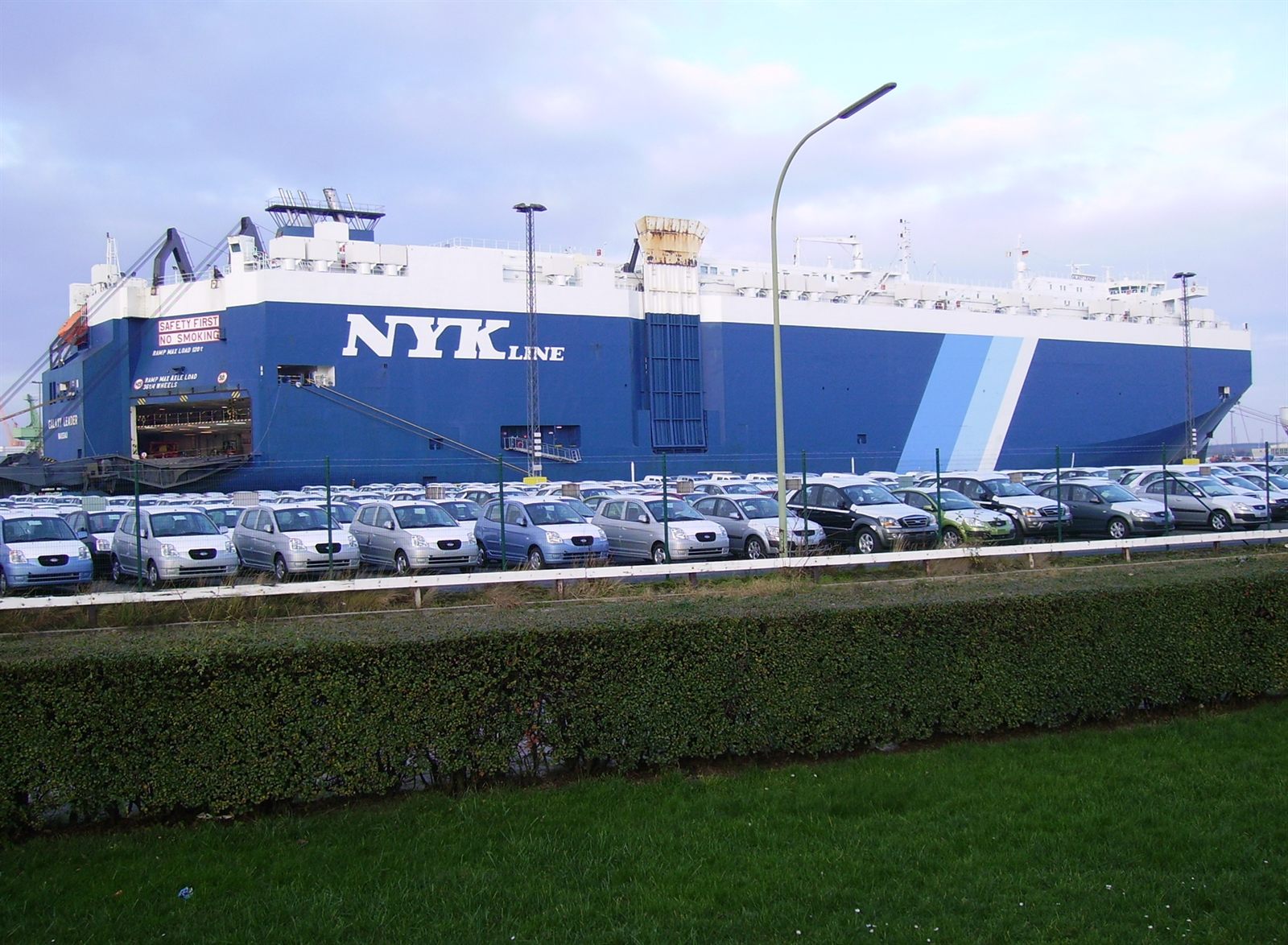
Iran armed a militia it doesn't fully control — now global shipping is paying for a fight that isn't even Iran's.
What happened?
On 20 July 2026 the Houthis declared a naval blockade against Saudi Arabia and, within three days, struck two Saudi oil tankers with missiles and drones — reversing a Red Sea shipping recovery that, the week before, had just reached its best level since December 2023.
Why did it happen?
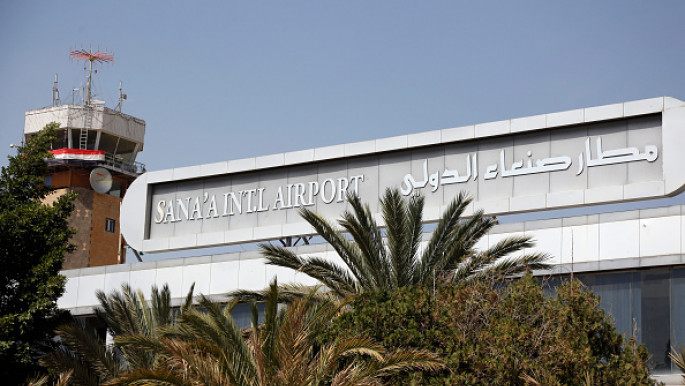
The Houthis call it retaliation for a Saudi-backed government strike on Sanaa airport on 13 July — the same strike that forced an Iranian arms flight to divert. But weeks of rising rhetoric and a bloody ground battle before that suggest the airport strike was a trigger, not the only cause.
Who benefits?
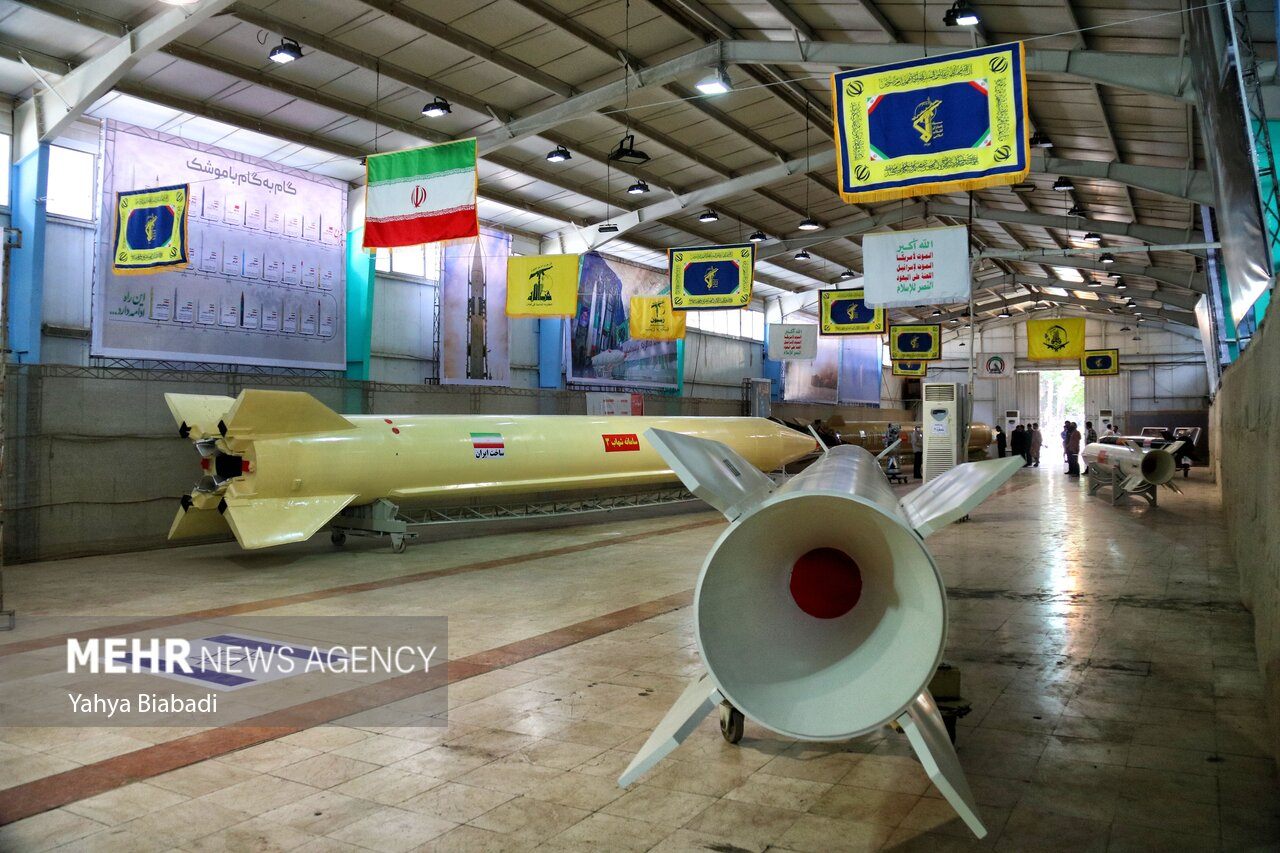
Iran gets a live demonstration that its proxy can pressure a regional rival on its own initiative, without Tehran risking its own navy or its separate war footing. The Houthis get leverage in Yemen's own unresolved conflict with the Saudi-backed government. But crediting Iran with 'ordering' this outcome overstates what the evidence shows.
Who loses?
Shipowners and insurers who had just started routing back through the Red Sea, Saudi Arabia's Red Sea oil exports, and the crews on ships now going dark to avoid being targeted. The UN says it is 'deeply alarmed' and is calling for de-escalation.
What happened?
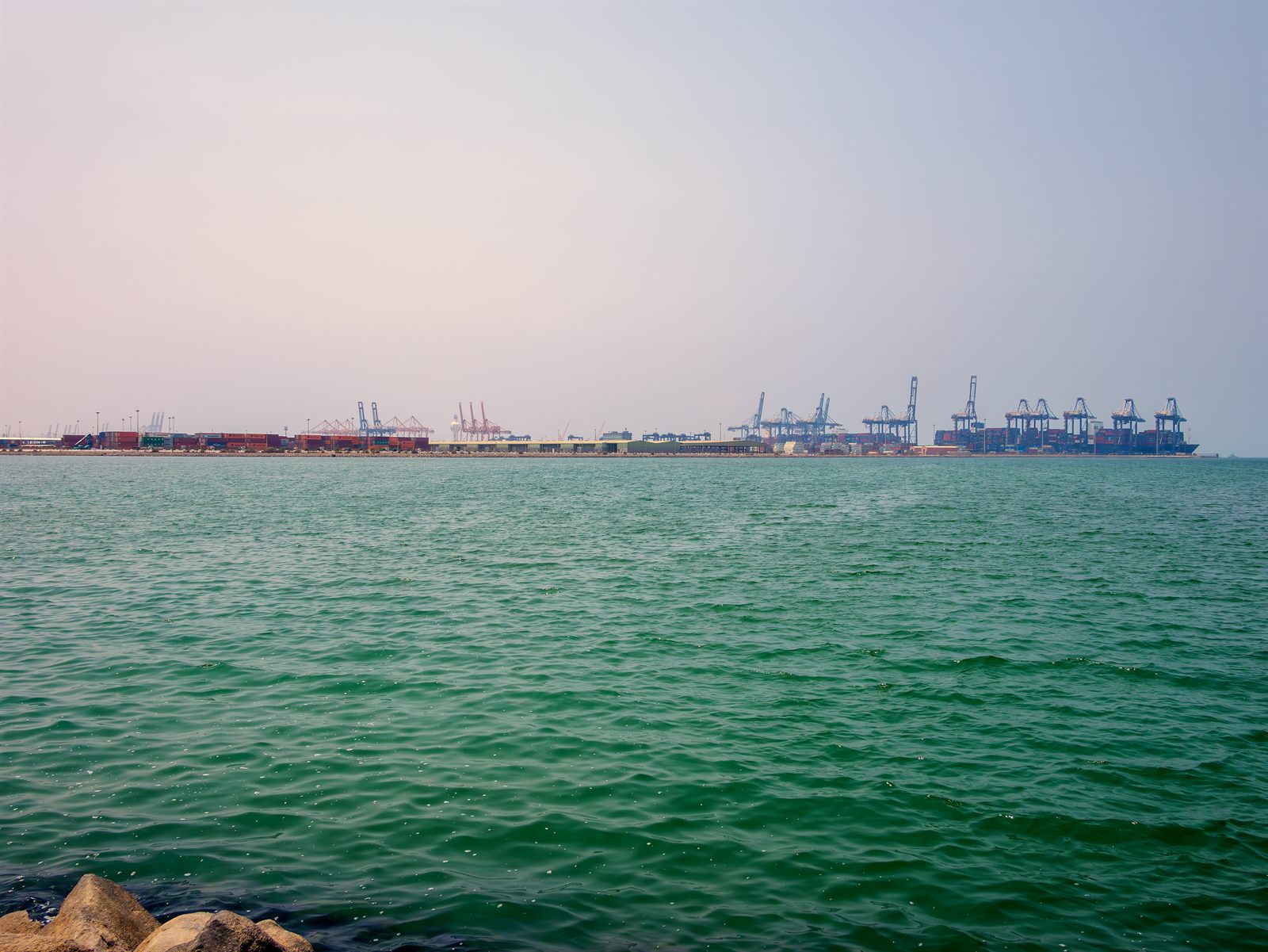
The Houthis suspended their two-year Red Sea campaign on 11 November 2025, tied to the Gaza ceasefire. Recovery was slow even with the shooting stopped: a hundred days later, in the first week of January 2026, Suez Canal traffic remained roughly 60% below its 2023 pre-crisis baseline. By the week ending 19 July 2026, Bab el-Mandeb daily transits had finally climbed to their highest level since December 2023, per Lloyd's List Intelligence. That recovery broke days later. Effective 20 July at 12:00 UTC, the Houthis announced a naval blockade targeting vessels linked to Saudi Arabia, and on 22-23 July claimed missile and drone strikes on the Saudi-flagged tankers Encelia and Layla, with Encelia confirmed struck and on fire (crew reported safe). By 23 July, roughly 23 Saudi-flagged vessels had switched off their AIS transponders to avoid identification, and daily Bab el-Mandeb transits had fallen to 33 against a July average of 40 — a real, if so far partial, reversal of the recovery that had just peaked.
Why did it happen?
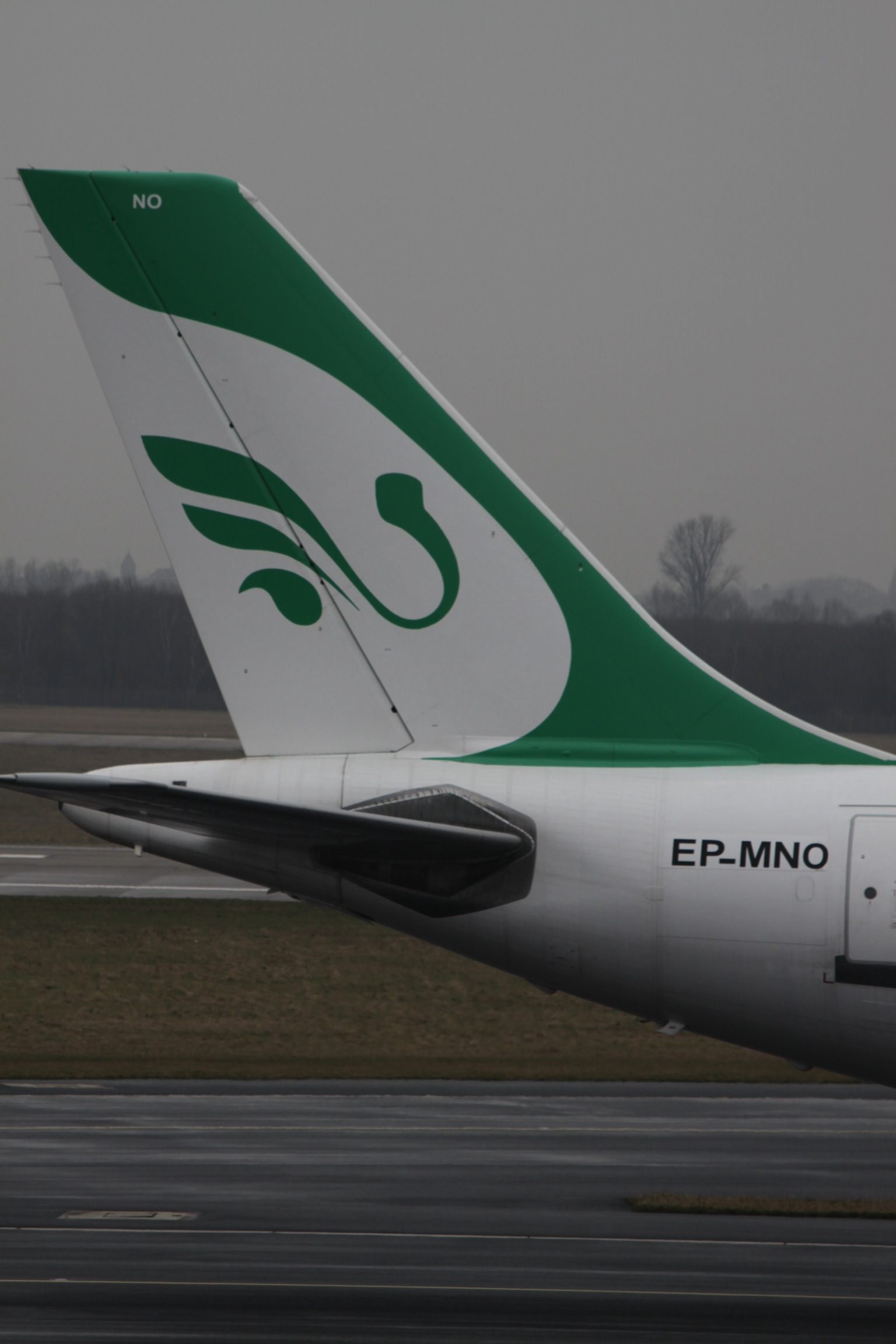
On 13 July 2026 a Mahan Air flight carrying between 10 and 21 IRGC commanders and military advisers, missile- and drone-related equipment, and gold to fund Houthi operations departed Iran for Sanaa. Before it could land, the internationally recognised, Saudi-backed Yemeni government struck Sanaa International Airport; the aircraft diverted to Houthi-controlled Hodeidah. One source told Reuters the commanders travelled 'to support Houthi operations and provide training on new missile systems.' Seven days later, on 20 July, the Houthis declared their blockade, framing it explicitly as 'an eye for an eye' for the airport strike and the wider Saudi-led restrictions on Yemen. That is the Houthis' own stated reasoning, and it is credible on its face — but it was not a sudden rupture: the Atlantic Council's reporting describes 'weeks of escalating rhetoric' and missile exchanges before the declaration, and on 5 July, more than a week before the airport strike, the Houthis killed 16 pro-government troops south of Hodeidah in what one government officer called the deadliest such attack in years. The airport strike is the incident the Houthis named; the ground fighting and rhetoric that preceded it make a single-cause reading hard to sustain, which is why this is scored likely rather than confirmed.
Who benefits?
Iran's interest in a Houthi force that can threaten Red Sea shipping is not in dispute — the resupply flight, gold included, is direct evidence of continued investment, resumed within the same week the blockade's trigger occurred. Where the record gets uncertain is causation: Al Jazeera's reporting on the Houthi-Iran relationship found that Iran 'lacks control over Houthi behavior,' that the group 'likely decided to impose their blockade on Saudi Arabia to advance their own interests' even if 'Iran probably encouraged' it for Tehran's own purposes, and — concretely — that the Houthis had already declined an earlier Iranian request that they close Bab el-Mandeb during the US-Iran war, only moving on Saudi Arabia after their own grievance (the airport strike) arrived. That pattern argues for strategic alignment, not command: Iran supplies capability the Houthis then deploy on a timetable and against a target of their own choosing. Both readings leave Iran better off than if the Houthis had no capability at all, which is why 'benefits' is scored uncertain rather than a clean answer either way.
Who loses?
The clearest losers are measurable. Bab el-Mandeb daily transits, which had just reached their best level since December 2023, fell to 33 against a 40-per-day July average within a day of the blockade taking effect, and roughly 23 Saudi-flagged vessels went dark on AIS to avoid identification — a direct cost to the transparency that keeps the strait's insurers pricing risk accurately. Saudi Arabia's Red Sea oil trade, run through the port of Yanbu, is exposed by name in the blockade's own scope. Shipowners who had begun re-routing through Suez after a hundred days of calm face the same choice they faced in 2024: eat a longer, costlier Cape of Good Hope diversion or risk a strait a designated blockade now covers. At the UN, Secretary-General Guterres said he was 'deeply alarmed' by the resumed attacks, and Special Envoy Hans Grundberg voiced similar concern, both calling for immediate de-escalation. None of this run's sources documents casualties from the Encelia or Layla strikes specifically, which is the one piece of good news in an otherwise costly week for the corridor.
Domino Effect
The causal chain so far, dated from what the sources actually report. New dominoes append as they fall.
Weeks of rising rhetoric and, on 5 July, the deadliest Houthi-government ground attack in years preceded 13 July — the Atlantic Council's reporting and the Houthis' own framing both point to a broader grievance over the Saudi-led restrictions on Yemen, not a single incident. The airport strike is the trigger the Houthis named; it is harder to establish it as the only cause. Iran's resupply flight being diverted the same day is most plausibly a coincidence of timing rather than the reason for the blockade — the flight was already inbound before the strike occurred, which is itself evidence that Tehran's investment in Houthi capability was already underway, independent of whatever triggered the blockade seven days later. This is our reasoning, not a sourced counterfactual.
Corrections & revisions
1Every change to this analysis since publication, with the reason. We append here — we don't rewrite. A number that changes silently is indistinguishable from never having been wrong.
RSS feed-
REVISITRewrote the "why this matters to you" hook. Iran's years of investment in the Houthis pays off as leverage the group uses on its own account against Saudi Arabia — not as an order Tehran gave — and global shipping absorbs the cost of a fight it isn't party to. → Iran armed a militia it doesn't fully control — now global shipping is paying for a fight that isn't even Iran's.Operator decision, 2026-08-19: whyItMatters.outcome is now the page's primary hook and every analysis was rewritten to a single short, concrete, human-stakes sentence (docs/EDITORIAL.md, Permanent standards #4) — replacing several that had grown into full paragraphs or abstract policy-thesis phrasing.
Sources
8 sources
Every source behind the Trust Index above. Follow them — a trust score you can't check is decoration.
- Yemen's Houthis claim attack on two Saudi oil tankers
- Yemen's Houthis coordinate with Iran, but retain independence, despite war
- Iran flew IRGC commanders, missile gear to Yemen's Houthis
- The Houthis just announced a blockade on Saudi Arabia. What does it mean for the global economy?
- Middle East: UN warns against wider escalation after Houthi attacks in the Red Sea
- Suez Canal Traffic Stalls at 60% Below Normal Despite 100 Days Without Houthi Attacks
- Red Sea Brief: 23 July, 2026
- Yemen's Houthis kill 16 government troops; British agency reports attack on cargo ship in Red Sea
Nothing here stands alone. This story is one node in a wider web — every card is another thread you can pull.