Two of the World's Shipping Shortcuts Were Already Squeezed. Panama Just Started Rationing the Third.
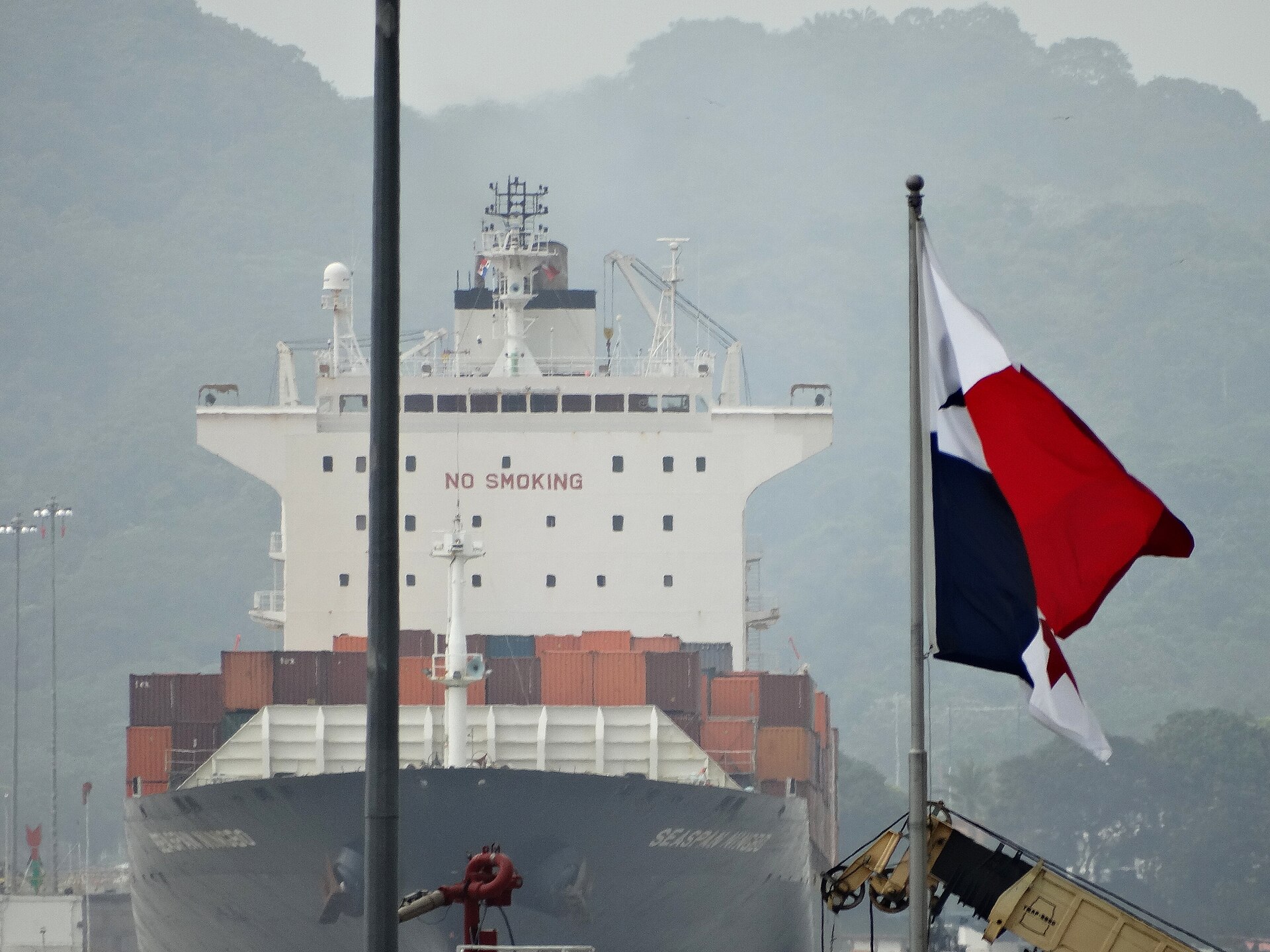
One gas carrier paid $4.6m just to skip the queue at Panama this month — and that cost does not stay on the ship.
- On 20 August 2026 the Panama Canal Authority began cutting daily transit slots — from about 36 to 34 on 4 September and to 32 on 15 September — and stepping the maximum ship draft down from 49.5 to 47.5 feet, after water flowing into the watershed basin came in 44% below average between May and August.
- As recently as May, the Canal Authority told Reuters it had no plans to limit crossings this year; forecasters now expect the 2026-27 El Niño to be among the strongest on record.
- Slot auction prices have spiked accordingly: last-minute slots that cost roughly $135,000-$140,000 rose to about $385,000 in March and April, and a gas carrier paid a record $4.6 million for one on 14 August.
- The usual escape valve is blocked on both sides: Suez traffic is still running 41% below pre-crisis levels because of Red Sea attacks, and the Strait of Hormuz is in the middle of a war.
- Shipping lines MSC and CMA CGM have already added or raised Panama Canal surcharges, a cost that keeps moving until it reaches a price tag somewhere down the chain.
What happened?
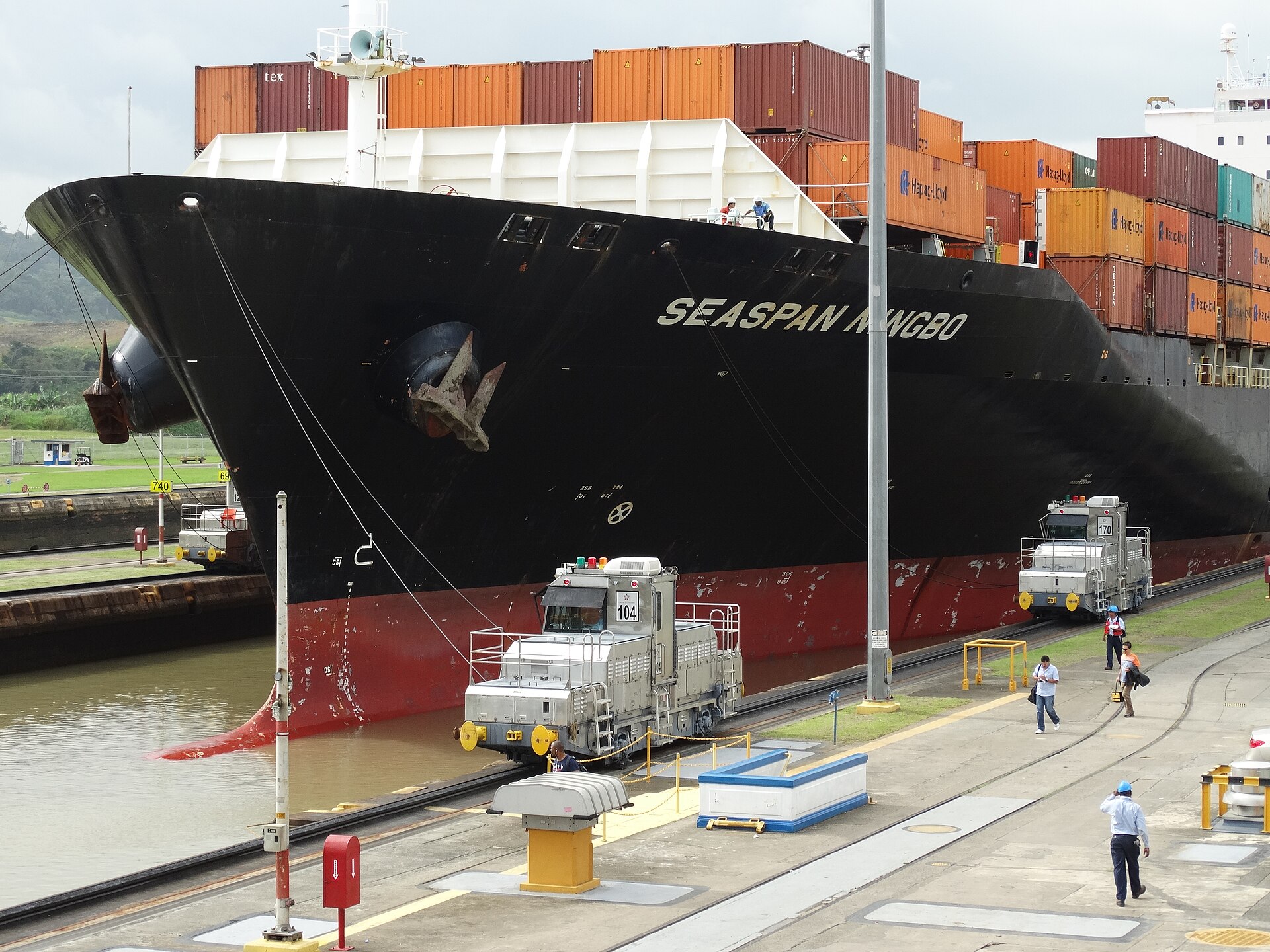
On 20 August 2026 the Panama Canal Authority told shipping lines it is cutting the number of vessels it will let through each day. From 4 September there are 34 slots instead of about 36; from 15 September there are 32. The maximum depth a ship can sit in the water is being stepped down too, from 49.5 feet in early July to 47.5 feet. The reason is water: between May and August, rain over the canal's watershed was 34% below normal and the water reaching the basin was 44% below normal.
Why did it happen?
El Niño. It is a periodic warming of the Pacific that shifts rainfall patterns, and for Panama it means drought. The last strong one, in 2023-24, forced the canal down to 24 ships a day from a normal 38. Forecasters expect the 2026-27 El Niño to be among the strongest on record, and the canal is acting before the dry season rather than during it.
Who benefits?
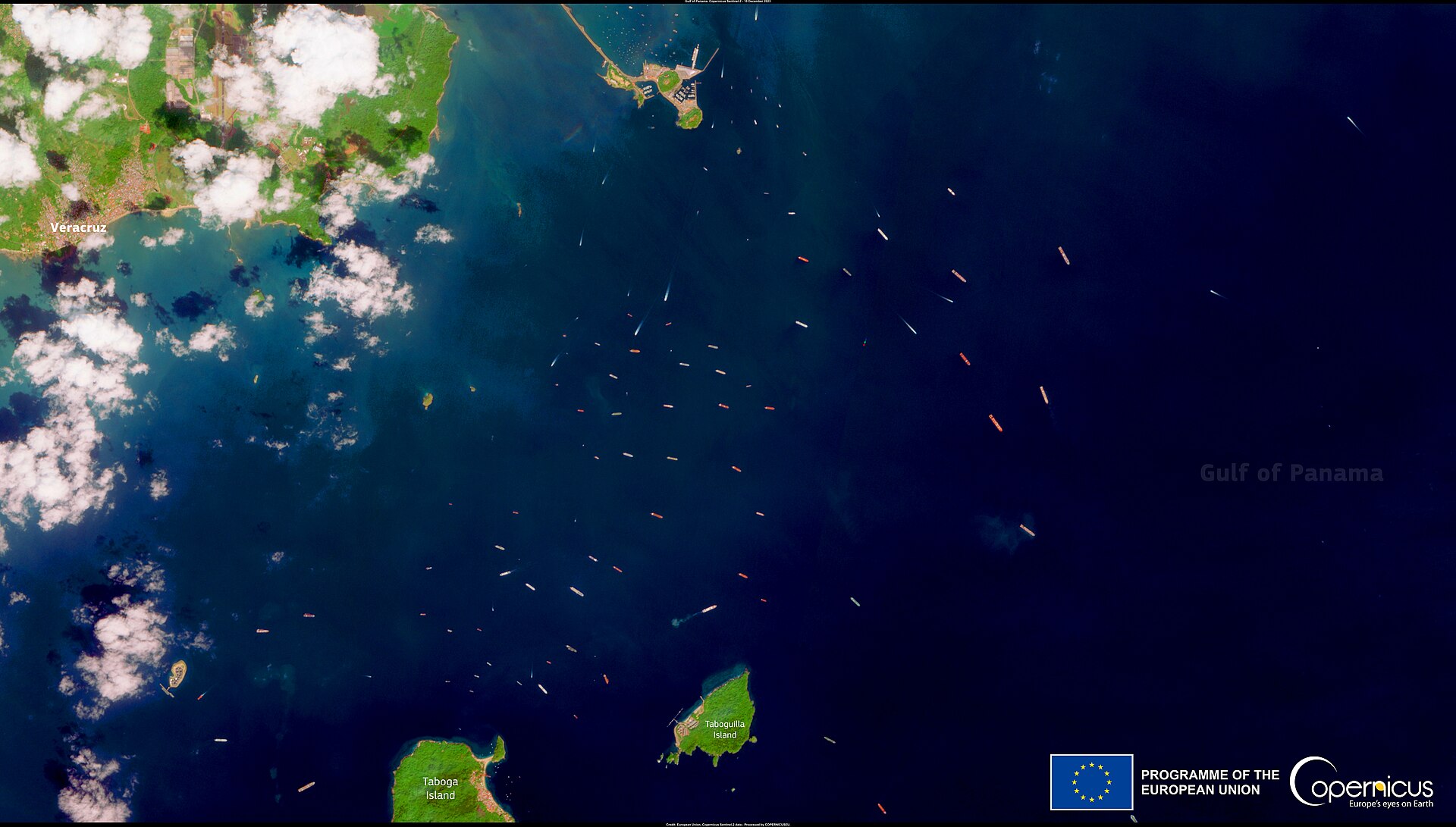
The canal itself, and whoever can afford to bid. Slots are auctioned, and scarcity is what makes an auction expensive: last-minute slots went from roughly $135,000-$140,000 to about $385,000 in March and April, and on 14 August a gas carrier paid a record $4.6m for one. Big carriers with long-term contracts and deep pockets get through. Small operators bidding at the last minute do not.
LikelyWho loses?
Anyone at the end of the chain. MSC and CMA CGM have already added or raised Panama Canal surcharges, and a surcharge is a cost that keeps moving until it reaches a price tag. The deeper problem is that the usual escape route is blocked: Suez traffic is still 41% below where it was before the Red Sea attacks, and the Middle East alternative runs past a war. There is no cheap way around this one.
What happened?
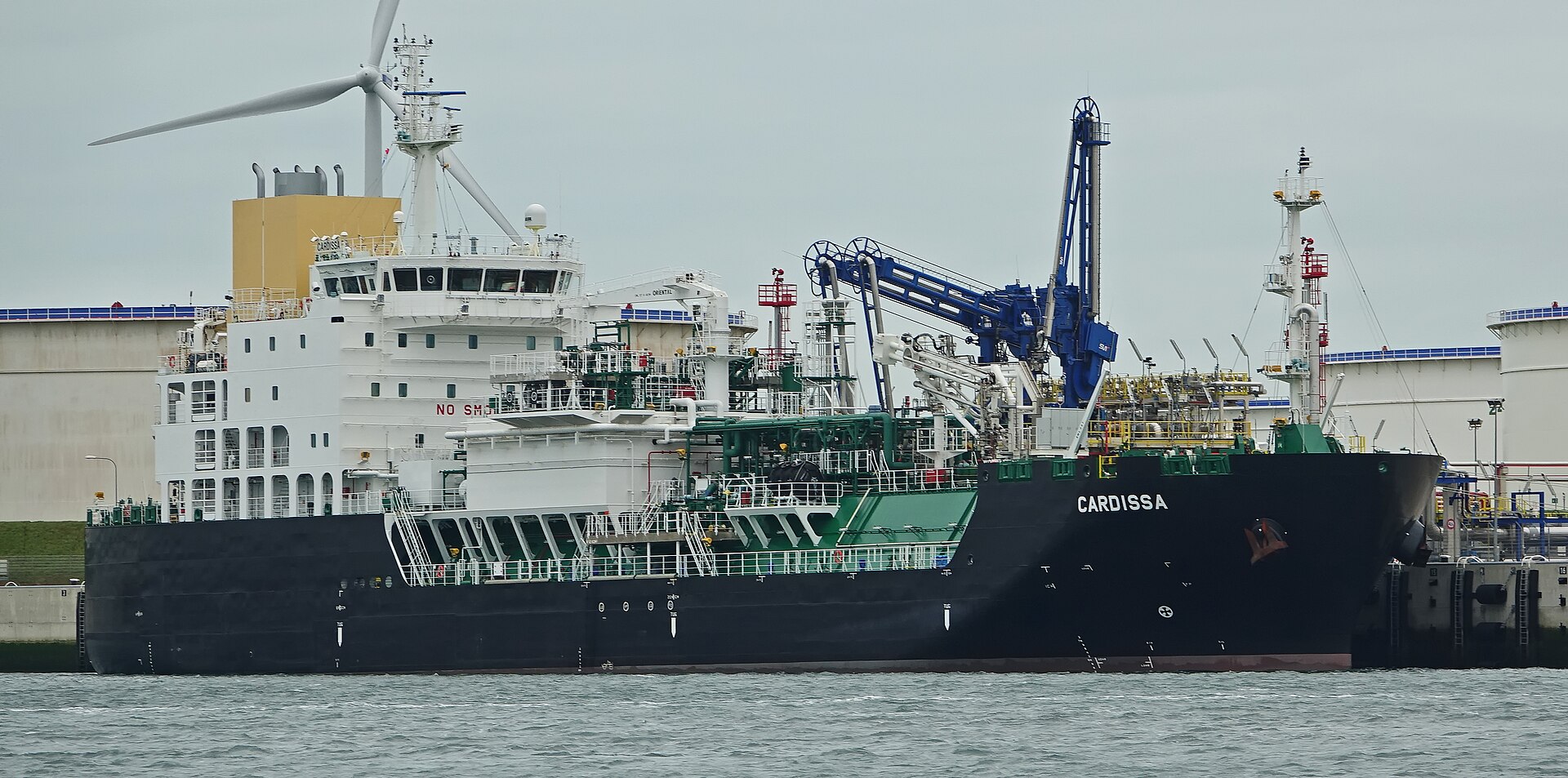
The advisory splits the cut into two phases. Phase one, for reservation dates from 4 September, sets nine daily slots in the larger Neopanamax locks and 25 in the older Panamax locks — 34 in total, against the 10 and 26 that had been on offer. Phase two, from 15 September, holds Neopanamax at nine and drops Panamax to 23 (five regular and 18 'super'), for 32. Draft has been ratcheting down all summer in the Neopanamax locks: 49.5 feet on 3 July, 49 feet on 24 July, 48.5 feet on 15 August, 48 feet on 26 August and 47.5 feet thereafter — a limit whose start date has itself moved, from 3 September to 1 October. The Authority has been running water-saving measures since December 2025 — cross-filling lock chambers, using short chambers, sending vessels through together, and suspending hydraulic assistance where it can. Those measures are why, in May, it told Reuters it saw no need to limit crossings this year. Al Jazeera puts the canal's normal ceiling at roughly 40 vessels a day and its average since June at 35; gCaptain reports 6,288 transits in the first half of fiscal 2026, with March averaging 37 a day and some days above 40. Whichever baseline you take, the September numbers are a cut, and the Authority is explicit that it may cut further: officials warn the 2026-27 El Niño could deepen the deficit through the January-April dry season.
Why did it happen?
The mechanism is not complicated and not disputed. Gatún Lake is both the canal's water supply and the drinking-water source for Panama City and Colón; a lock transit consumes fresh water that only rain replaces. El Niño suppresses rainfall over the isthmus, so a strong El Niño is a direct constraint on how many ships can be lifted over Panama. The 2023-24 event is the reference case: Woodwell Climate's analysis recorded passages capped at 24 a day until April 2024 against a normal 38, with transits about 30% below usual by the end of 2023, and attributed the drought to El Niño compounded by climate change. What is different in 2026 is the sequencing. In 2023 the restrictions followed the shortfall; here the Authority is rationing on a forecast, having spent the intervening two years on conservation measures and having publicly expected them to hold. Confirmed rather than likely: the Authority states the hydrological cause in its own advisory, the deficit figures are its own, and no source contests the physical mechanism.
Who benefits?
The Authority's booking system ranks vessels into priority groups — LNG and LPG carriers; dry bulk and general cargo; containerships and vehicle carriers; chemical and product tankers — with full containerships allocated on TEU capacity. That structure means the cost of scarcity is not distributed evenly: a large containership on a booked slot sails on schedule, while an unbooked vessel either bids into a thin auction or waits. The auction record set on 14 August is the clearest single number in this story, and it was set by a gas carrier — for LNG and LPG, where cargo value per voyage is high and delivery windows are contractual, an eight-figure detour or a missed window can cost more than the slot. The second beneficiary is the rerouting economy. Lloyd's List Intelligence records Asia-Europe volumes drifting back to Suez — more than 30% of what Maersk had been sending around the Cape of Good Hope has returned — and every ship that leaves the Panama queue for a longer route consumes more ship-days, which is a benefit to owners in a market priced on tonne-miles. Likely rather than confirmed: the auction figures and the priority structure are documented, but 'who nets out ahead' across carriers and shipowners is an inference from how the mechanism distributes cost, not something any source has totalled.
LikelyWho loses?
The canal handles about 5% of global maritime trade, and its principal lanes — the US East Coast to East Asia first among them — have no short substitute. Normally a Panama constraint is absorbed by rerouting: ships go the long way, freight rates rise a little, and the system copes. What makes 2026 different is that the rerouting capacity has already been spent. Lloyd's List Intelligence's 20 August brief counts nearly 1,090 Suez transits over four weeks, 88.6m deadweight tonnes, and puts that at 41% below pre-crisis levels; Bab el-Mandeb traffic fell from an average of 296 weekly transits to 265 after the Houthi blockade of 20 July. Carriers are only tentatively returning. So cargo squeezed out of Panama meets alternatives that are themselves rationed by risk rather than by water — and the cost shows up as surcharges, which Supply Chain Dive confirms MSC and CMA CGM have already implemented or updated. Likely rather than confirmed on the consumer end: the surcharges, the transit deficits and the auction prices are all documented, but no source yet quantifies what share of them reaches a shelf price, and claiming a number for that would be inventing one.
Domino Effect
The causal chain so far. Read the dates against each other — that is the whole argument.
It is the stronger case than it looks. The 2023-24 drought took the canal to 24 transits a day; 32 is nowhere near that, and the difference is not luck — it is two years of cross-filling, joint transits and short-chamber operation that the Authority put in place precisely so the next El Niño would cost less. Acting on a forecast in August rather than an emergency in January is what competent water management looks like, and Woodwell Climate's own numbers from the last event are the best evidence that this one is milder. Two things keep that from settling the question. The first is that the Authority itself expected the measures to be enough as recently as May, and was wrong — which is a fact about forecasting, not about competence. The second is the part that has nothing to do with Panama: a mild squeeze at one chokepoint is absorbed by the others, and this time the others are absorbing a war and a blockade. The same 11% cut in a calm year would barely register.
Corrections & revisions
noneEvery change to this analysis since publication, with the reason. We append here — we don't rewrite. A number that changes silently is indistinguishable from never having been wrong.
RSS feed- No corrections yet. When we get something wrong, the fix is logged here rather than quietly applied.
Sources
7 sources
Every source behind the Trust Index above. Follow them — a trust score you can't check is decoration.
- Because of El Niño and a Rainfall Deficit, the Panama Canal Reduces Daily Transit Slots to 34
- Panama Canal to Cut Daily Transits as Optimistic Water Outlook Fades
- Panama Canal to trim daily shipping slots due to El Niño
- Panama Canal to limit shipping ahead of extreme weather during El Nino
- Red Sea Brief: 20 August 2026
- Panama Canal — Statistics
- Drought, Climate, and the Panama Canal
Nothing here stands alone. This story is one node in a wider web — every card is another thread you can pull.