Yemen's Four-Year Truce Just Broke. The Houthis Are Fighting for the Port That Decides Who Uses the Red Sea.
The Houthis just captured the port this fight was over. Saudi Arabia shut down an oil pipeline in response, and oil prices broke $100 a barrel for the first time since May.
- A UN-brokered truce that had held in Yemen since April 2022 collapsed in July 2026 after Saudi airstrikes hit Sanaa airport to stop an Iranian flight carrying Houthi delegates and suspected IRGC officers from landing.
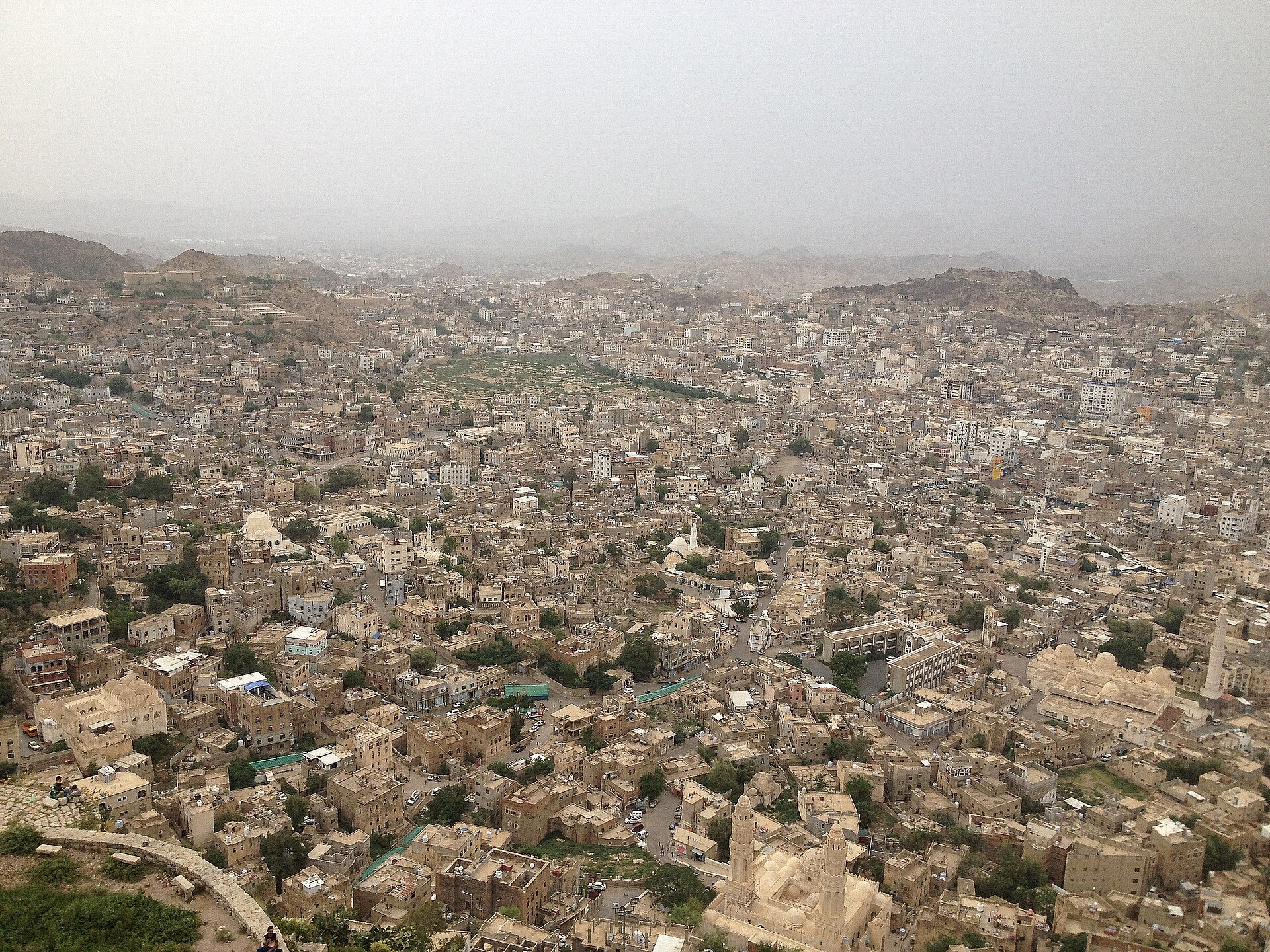
- On 4 September, the Houthis launched their largest coordinated offensive since the truce — artillery, ballistic missiles and drones aimed at cutting the road linking Taiz city to the Red Sea port of al-Makha (Mocha); AFP counted at least 129 dead in the first two days alone.
- Nearly 1,800 families fled their homes in under 48 hours, even as Yemen's government said it had recaptured several hilltop positions west of Taiz.
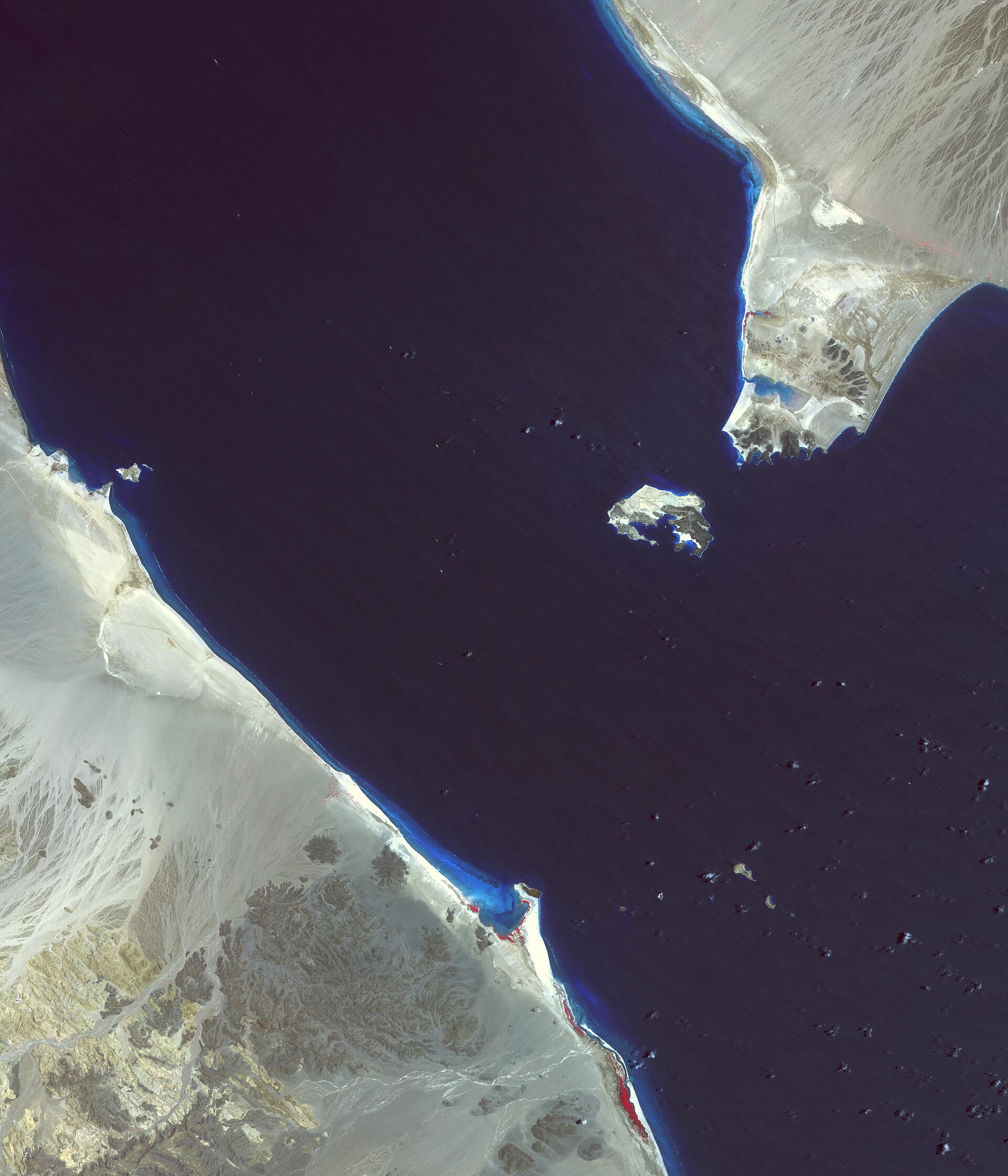
- The offensive kept moving: the Houthis took the port of Mokha on 10 September and Perim Island, in the Bab al-Mandeb strait, the next day — giving them effective control of Yemen's side of the chokepoint.
- Saudi Arabia shut its East-West oil pipeline as a precaution against missile and drone strikes, oil prices broke $100 a barrel for the first time since May, and UN-reported displacement from the wider offensive reached roughly 46,000.
What happened?
A UN-brokered truce that had held in Yemen since April 2022 broke down in July 2026, after Saudi airstrikes hit Sanaa airport to prevent an Iranian flight carrying Houthi delegates and suspected IRGC officers from landing. Houthi attacks resumed across several provinces through August, then escalated sharply on 4 September into what regional reporting calls the largest coordinated offensive since the 2022 truce: heavy artillery, ballistic missiles and drone strikes aimed at cutting the road between Taiz city and the Red Sea port of al-Makha (Mocha). AFP's tally put deaths at 129 within the first two days — 66 government soldiers, 62 Houthi fighters, and civilians killed separately in a ballistic missile strike near a Mokha-area restaurant. By 5 September, UN OCHA reported nearly 1,800 families had fled their homes in under 48 hours, even as Yemen's government said it had recaptured hilltop positions in the Jabal Habashi district west of Taiz.
Why did it happen?
The Houthis appear to be converting years of quiet military buildup, protected by a truce they no longer feel bound by, into a bid for a concrete strategic asset: a Red Sea port and the coastline around Bab al-Mandeb, one of the world's most important shipping chokepoints. Controlling it would hand them direct leverage — the ability to threaten or permit shipping — going into any future negotiation with the Yemeni government and Saudi Arabia, on top of the leverage they already exercise over Red Sea traffic from further north.
Who benefits?
If the Houthis succeed in cutting the Taiz-Mokha road and pressuring the port, they gain a genuinely new form of leverage over both the Yemeni government and Saudi Arabia — control that would extend, rather than just echo, their existing grip on Red Sea shipping routes further north. Right now, though, the fighting is contested rather than settled: the Yemeni government says it has retaken several positions, so any read of who is actually winning this specific round is provisional.
UncertainWho loses?
Civilians in and around Taiz, unambiguously. Nearly 1,800 families displaced in under 48 hours, camps in Maqbanah and Jabal Habashi emptying under shelling, and a ballistic missile strike killing bystanders on a crowded road — this is the immediate, measured cost, layered on top of a population that was already inside one of the world's worst humanitarian crises before this offensive began.
ConfirmedWhat happened?
Yemen's 2022 truce, brokered by the UN, was not a peace deal — it was a ceasefire that both sides had, unusually for this conflict, mostly observed for four years even after its formal terms lapsed. That held until July 2026, when Saudi airstrikes targeted Sanaa's airport specifically to stop an Iranian flight believed to be carrying Houthi delegates and suspected IRGC personnel from landing — an act the Houthis treated as a rupture significant enough to abandon restraint. Attacks resumed through August across Marib, Taiz, Hodeidah and al-Dhale governorates: missiles, drones and ground skirmishes building toward the offensive that began early on 4 September. That day's assault targeted the road linking Taiz city — Yemen's third-largest — to the government-held Red Sea port of al-Makha, fighting across the Maqbanah mountains, Jabal Habashi district, and the al-Ma'afer front. Analyst Mohammad al-Basha, of the Basha Report, framed the Houthi objective directly: 'The Houthis feel that if they capture Bab al-Mandab or Mokha port, they will be in a better position to negotiate with the government and the Saudis.' AFP's casualty count over the first two days reached 129 — a toll Al Jazeera's own reporting separately corroborated with government and Houthi-side medical-source figures (24 government troops near the west coast, at least 42 Houthi fighters). A Houthi ballistic missile strike on a crowded road near Mokha on 5 September killed at least four civilians and wounded nine more, per local medical sources. UN OCHA's displacement figure — nearly 1,800 families in under 48 hours — came from camps in Maqbanah and Jabal Habashi emptying under shelling, with aid stocks described as 'severely depleted.'
Why did it happen?
The trigger sequence is fairly direct in the reporting: Saudi Arabia's July airstrikes on Sanaa airport, aimed at a specific Iranian flight rather than at Houthi positions generally, gave the Houthis a discrete grievance to point to in abandoning a truce that had otherwise held through years of separate tension (the Gaza war, the Red Sea shipping crisis, the Israel-Iran conflict) without breaking. But the target the Houthis chose — the Taiz-to-Mokha corridor and the hills overlooking Bab al-Mandeb — is not incidental to that trigger; it is a long-standing strategic objective independent of it. Al-Basha's analysis frames the logic plainly: physical control of the strait or the port converts into negotiating leverage the Houthis do not currently have in full, layered on top of the leverage they already project over Red Sea shipping from the north. Al Jazeera's own correspondent reporting from the ground described both sides as 'scrabbling to gain territory and gain control not just on land, but at sea' — language that treats this as a leverage-building operation, not merely retaliation for the July strikes. Likely rather than confirmed, because no Houthi official statement in the cited reporting states the port-and-strait objective as explicit strategy — that reading comes from analyst assessment and the pattern of where the fighting is actually concentrated, not a stated Houthi position.
Who benefits?
The strategic logic favors the Houthis if the offensive succeeds on its own terms: al-Basha's assessment is that capturing Bab al-Mandeb-adjacent territory or the port itself would materially improve their negotiating position, not just symbolically but by giving them physical chokepoint control they do not currently hold over this specific stretch of coast. That would compound rather than duplicate the leverage they already have from operations against shipping further north in the Red Sea — a genuinely new card, not the same one played twice. But the government's own claims — recapturing al-Khazan and al-Makahna hills in Jabal Habashi, per its Friday announcement — mean the offensive has not yet delivered the outcome that would make this leverage real. Government reinforcements (National Shield Forces, Giant's Brigades) are actively contesting the ground. Uncertain, because the fighting described in the most recent reporting (5 September) is still active and contested on both sides, and no source in this analysis's citations describes a settled outcome either way.
UncertainWho loses?
The displacement figures here are not estimates from either combatant but UN OCHA's own count: nearly 1,800 families fleeing in under 48 hours, on top of the 'hundreds of families' Al Jazeera separately documented fleeing al-Rahabah camp alone. Displaced resident Abdullah Saeed's account — 'we have fled for the second time, but there are also families who fled for the first time' — captures a population being displaced repeatedly by a conflict that had, until July, been mostly frozen. Aid infrastructure is reported as 'severely depleted' even before this specific wave, meaning the families now moving are arriving into camps and host communities with fewer resources than the last time fighting forced people to move. The 5 September missile strike near Mokha killed civilians on what was reported as an ordinary crowded road, not a military target — a reminder that even in an offensive framed around territorial and strategic objectives, the confirmed, immediate casualties are civilians going about ordinary movement. This is rated confirmed rather than likely because it rests on directly reported casualty and displacement figures from UN and news-agency sources, not on an inference about motive or strategy.
ConfirmedDomino Effect
The causal chain so far. Read the dates against each other — that is the whole argument.
That reading has real support in the same reporting this analysis cites: the Yemeni government says it has retaken al-Khazan and al-Makahna hills in Jabal Habashi, and has deployed reinforcements (National Shield Forces, Giant's Brigades) that are actively contesting Houthi gains. If those recaptures hold and the Houthis cannot reach the coast or the Taiz-Mokha road, the offensive would end as a costly failure to achieve its stated objective rather than the leverage-building success al-Basha's analysis anticipates. What would settle this either way is the status of the Taiz-Mokha road itself and the port of Mokha in the weeks ahead — both still contested, per the most recent (5 September) reporting available.
Corrections & revisions
2Every change to this analysis since publication, with the reason. We append here — we don't rewrite. A number that changes silently is indistinguishable from never having been wrong.
RSS feed-
REVISITAdded a related link to the new us-saudi-f35-sale analysis.The State Department's 18 September approval of a $24.3bn F-35 sale to Saudi Arabia is reported as a direct response to this offensive's push toward Bab el-Mandeb — the two stories share a causal chain worth linking.
-
REVISITAdded two citations, two domino steps, rewrote whyItMatters.outcome, and moved both open probabilities, with dated notes. whyItMatters.outcome: "The truce that held for four years just broke, and the fight underway now is for the port that would let the Houthis decide who gets to use the Red Sea." → whyItMatters.outcome: "The Houthis just captured the port this fight was over. Saudi Arabia shut down an oil pipeline in response, and oil prices broke $100 a barrel for the first time since May."The offensive this analysis tracks reached its stated objective: the Houthis captured Mokha port on 10 September and Perim Island on 11 September, and Saudi Arabia shut its East-West oil pipeline in response as oil passed $100/barrel. The hook described a fight 'underway' for the port; the port is now held.
Sources
7 sources
Every source behind the Trust Index above. Follow them — a trust score you can't check is decoration.
- Yemen's Houthis launch first major offensive in four years
- Houthi fighters clash with Yemeni government forces in country's southwest
- Houthi attacks on Yemen's Taiz escalate, triggering new displacement wave
- Yemen's army says recaptured key territory as clashes with Houthis continue
- At least four civilians killed in Houthi missile strike near Yemen's Taiz
- Houthis take control of Bab el-Mandeb as Yemen war widens toward Saudi Arabia
- Houthi advance in Yemen is about more than just the Red Sea
Nothing here stands alone. This story is one node in a wider web — every card is another thread you can pull.