Japan Called a Taiwan Attack 'Existential.' China Answered With Everything but a Shot.
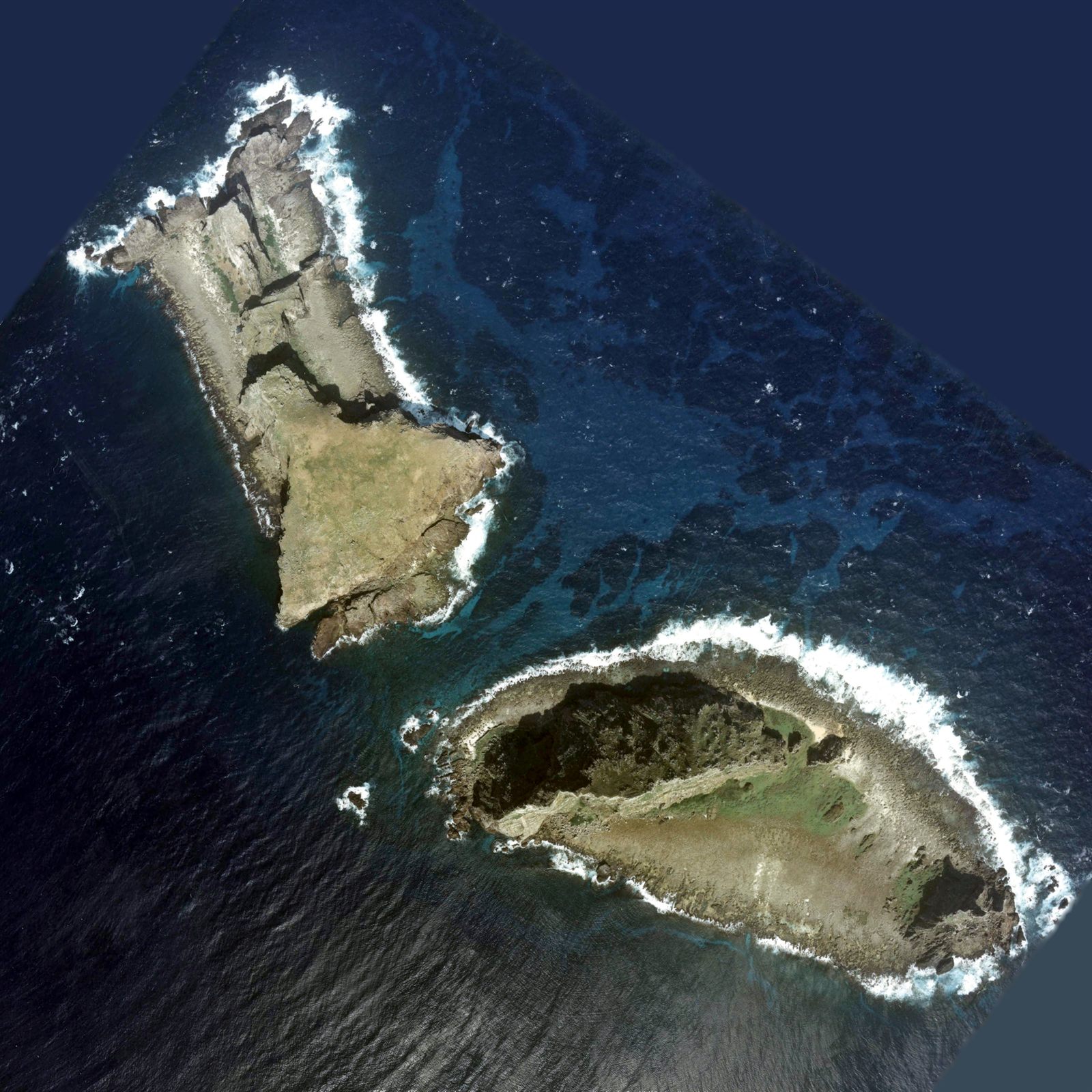
Japan and China are testing, in public, how far they can push each other before someone fires first.
What happened?
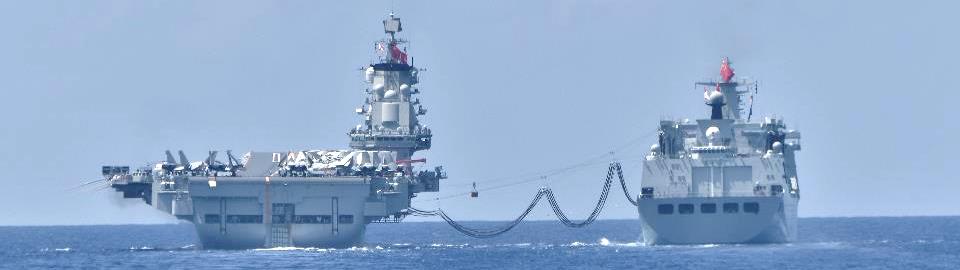
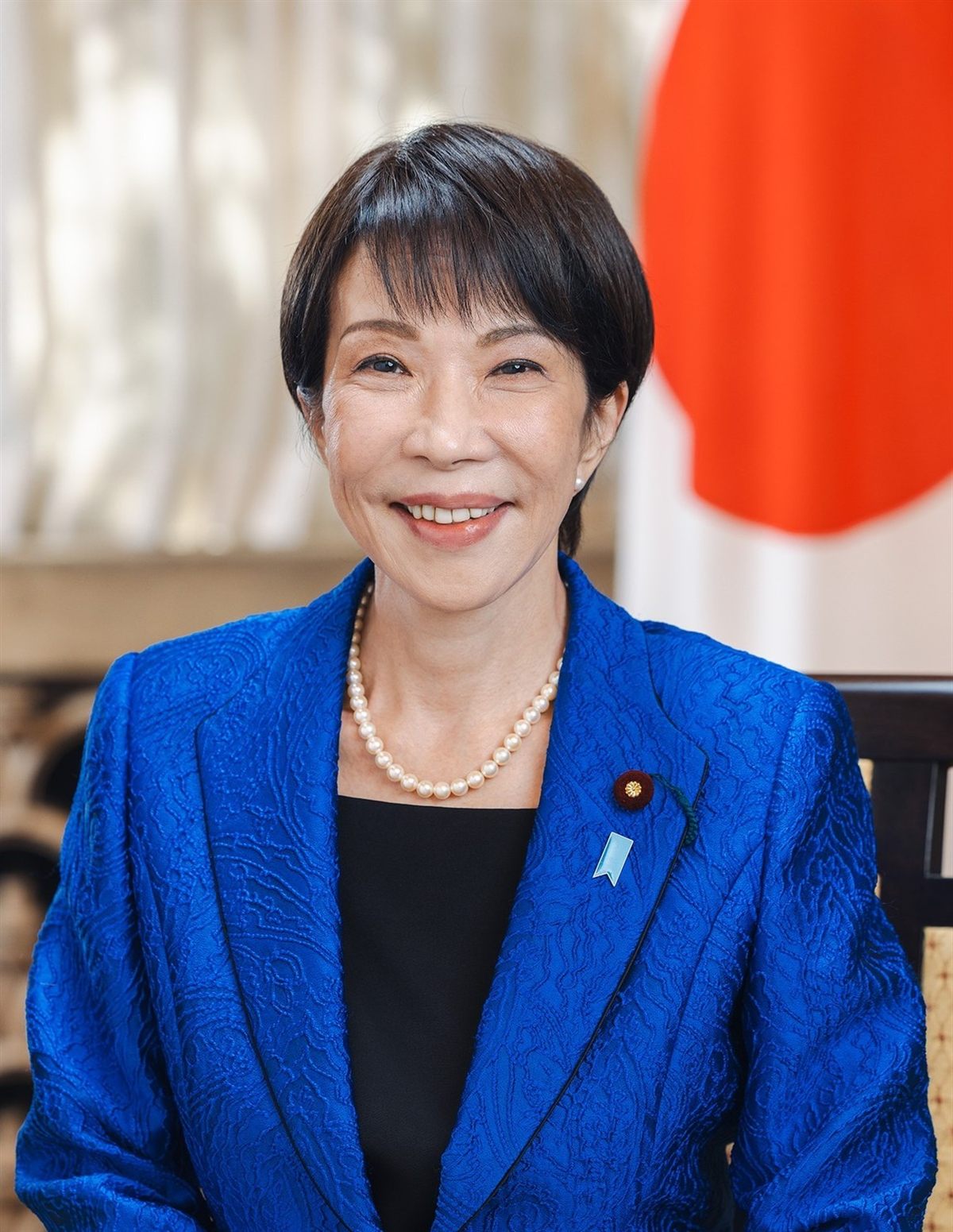
On 7 November 2025, Japanese Prime Minister Sanae Takaichi told parliament that a Chinese blockade or attack on Taiwan could be a 'survival-threatening situation' letting Japan use force in collective self-defence. China has spent the eight months since suspending Japanese seafood imports, gutting tourism, banning dual-use exports, cutting rare-earth shipments to zero, and sailing warships — including a joint drill with Russia — through waters off Japan. Neither government has backed down.
Why did it happen?
Takaichi's team first framed the remark as consistent with Japan's existing 2015 security law, not a new policy. But she has since conceded the comment went 'beyond the government's established stance' — while still refusing to withdraw it. Beijing rejects the 'nothing new' framing entirely, calling it a revival of Japanese militarism that 'crossed a red line'.
Who benefits?
Beijing gets a live demonstration of economic leverage over Japan and a nationalist rallying point at home. Takaichi gets the clearest possible case for a defence build-up her party wanted anyway, with approval ratings that rose rather than fell. Australia gets Japanese frigates, as Tokyo deepens security ties with partners China cannot pressure the same way.
UncertainWho loses?
Japan's seafood exporters, its tourism industry — Chinese arrivals fell 45% year-on-year in December alone — and its rare-earth-dependent defence and electronics manufacturers, who have had zero heavy rare-earth shipments from China for eight months and counting. Ordinary diplomacy loses too: Japan's own 2026 diplomatic assessment reportedly downgrades China from one of its most important relationships.
LikelyWhat happened?
Takaichi's remark, made answering a question in the National Diet, named a specific scenario — a Chinese attempt to blockade Taiwan or block US forces from reaching it — as one that could trigger Japan's 2015 collective self-defence law. Beijing's response arrived within days and has not let up since: a travel advisory and halted seafood imports by 19 November 2025; hundreds of flight cancellations and a 45% year-on-year fall in Chinese tourists to Japan by December; a ban on dual-use exports to Japan on 6 January 2026, followed by a rare-earth squeeze that has left shipments of heavy rare earths — terbium and dysprosium oxide, both critical to permanent magnets used in defence systems and electric-vehicle motors — at zero since the weeks after the original remark; and, by 24 February 2026, 40 Japanese companies including subsidiaries of Mitsubishi Heavy Industries, Kawasaki Heavy Industries, IHI and JAXA placed on export-control lists. The dispute spilled into diplomacy beyond the two capitals too: both governments traded formal letters at the United Nations disputing each other's account of the remarks and the response, a paper argument that ran from November into February without either side conceding a point. Military signalling has escalated in parallel: a Chinese J-15 locked fire-control radar on a Japanese F-15 near the Miyako Strait on 6 December 2025; Chinese and Russian bombers and fighters flew a joint exercise through the same strait three days later; and on 19 July 2026 a Chinese destroyer, Kaifeng, conducted a live-fire drill with a Russian frigate inside Japan's exclusive economic zone near Okinotorishima — the first time China has live-fired inside a Japanese EEZ. Japan has answered with record defence spending, a Taiwan-related supplemental budget, its first domestic intelligence agency since the Second World War, and frigate sales to Australia. Neither side has offered the other an off-ramp: China wants the remark retracted, and Takaichi has not retracted it.
Why did it happen?
Two incompatible accounts sit on the table. Japan's official position is that Takaichi named a scenario — Chinese action against Taiwan that also threatens Japan or blocks US forces — already covered by the 2015 Legislation for Peace and Security, and that nothing legally new was announced. Chinese Foreign Minister Wang Yi rejected that framing directly, calling the remarks 'shocking', saying Japan 'crossed a red line that should not have been touched', and arguing every country has a 'responsibility to prevent the resurgence of Japanese militarism' — a framing that treats the statement as a substantive break, not a restatement. The claim that nothing changed is also hard to square with Takaichi's own later concession, reported in the weeks after, that her remarks went 'beyond the government's established stance' — even as she declined China's demand to retract them, telling reporters only that Japan remained open to dialogue and that 'it's important for Japan to state clearly what needs to be said'. Domestically, the gamble paid off: her approval ratings held between 59% and 70%, with one poll finding 74% backing a firmer line on the Taiwan Strait. That gives China's account and Japan's account something in common neither will say aloud — the remark was politically costed in Tokyo before it was made, whatever its legal status. Likely, not confirmed: whether Takaichi under-anticipated Beijing's response, or fully priced it in as the point, is not something either government's public statements resolve.
Who benefits?
For Beijing, the dispute doubles as a rehearsal: every lever pulled against Japan — seafood, tourism, rare earths, export controls on named companies — is also a demonstration of what economic coercion against a G7 economy actually looks like in practice, information with obvious value beyond this one dispute. For Takaichi, the political arithmetic is hard to read as a loss: her approval sat at 59-70% through the crisis, with 74% of one poll's respondents backing firmer engagement on Taiwan, and the confrontation hands her defence establishment — which had already been pushing for a Taiwan-related supplemental budget, a new intelligence agency, and export-restriction rollbacks — an unambiguous external justification it did not have to manufacture. Japan's security partners also gain: Australia is now buying Japanese Mogami-class frigates, a sale that deepens precisely the trilateral alignment (with the US) that China's pressure campaign is meant to discourage. Uncertain, because 'benefits' here means different things on each side — Beijing's leverage demonstration and Tokyo's domestic mandate are both real, and the reporting gives no way to say which government is more satisfied with where this stands eight months in.
UncertainWho loses?
Japan imports roughly 63% of its rare earth metals from China, and for the heavy rare earths — terbium and dysprosium, both essential to the permanent magnets used in missile guidance, radar and EV motors — dependency runs close to total, because China dominates not the mining but the processing capacity. Japan's own embassy officials estimate the country holds only about 15% of global advanced rare-earth-magnet manufacturing, 'second only to China' but a distant second, and firms including Citizen Watch and Omron have begun flagging the restriction as a risk to production in corporate filings. Tourism and food exports absorbed the earliest and clearest damage: seafood imports halted from 19 November 2025, and Chinese visitor numbers fell 45% year-on-year by December and as much as 55-61% in the months since, with airlines cutting capacity to match. Beyond the balance sheet, the diplomatic relationship itself is the casualty with no repair path yet visible: Japan's Foreign Ministry is reported to be downgrading China from 'one of its most important' bilateral relationships in its 2026 diplomatic assessment, a formal, on-the-record demotion that will outlast whichever economic measure is lifted first.
LikelyDomino Effect
The causal chain so far. Read the dates against each other — that is the whole argument.
The 2012-2014 precedent suggests it might not have mattered much. That dispute, over the same Senkaku Islands, cooled only after both governments spent over a year rebuilding the relationship piece by piece — it did not turn on a single retraction. What is different this time is the instrument: rare-earth exports at zero for eight months and counting is an economic lever with its own momentum, independent of the political dispute that triggered it. Even a retraction now would leave China's Ministry of Commerce holding export licences it has shown no sign of wanting to give back quickly. The remark opened the door; the rare-earth squeeze is what is now keeping it open.
Corrections & revisions
2Every change to this analysis since publication, with the reason. We append here — we don't rewrite. A number that changes silently is indistinguishable from never having been wrong.
RSS feed-
CORRECTIONFixed a dead citation URL (aljazeera-un-spar) — Al Jazeera's own link had grown a suffix since this analysis was written. https://www.aljazeera.com/news/2025/12/5/japan-china-continue-to-spar-at-un-over-takaichi-remarks → https://www.aljazeera.com/news/2025/12/5/japan-china-continue-to-spar-at-un-over-takaichi-remarks-on-taiwanA site-wide link check found the citation 404ing; the article itself is still live at a slightly longer URL, confirmed by re-fetching and re-reading it before restoring the link. No claim in the analysis changed — only the link that was supposed to prove it.
-
REVISITRewrote the "why this matters to you" hook. the two governments most exposed to Taiwan's status are testing, in public, how far pressure can go without a shot fired → Japan and China are testing, in public, how far they can push each other before someone fires first.Operator decision, 2026-08-19: whyItMatters.outcome is now the page's primary hook and every analysis was rewritten to a single short, concrete, human-stakes sentence (docs/EDITORIAL.md, Permanent standards #4) — replacing several that had grown into full paragraphs or abstract policy-thesis phrasing.
Sources
9 sources
Every source behind the Trust Index above. Follow them — a trust score you can't check is decoration.
- Japan and China trade barbs after PM Takaichi says an attack on Taiwan would be an existential threat
- Chinese foreign minister says Takaichi's remarks 'crossed a red line that must not be touched'
- Japan, China continue to spar at UN over Takaichi remarks on Taiwan
- Japanese PM's Taiwan comments prompt China to ban certain exports to Japan
- Takaichi's Taiwan Gamble Escalates Japan-China Tensions
- China squeezes Japan over rare earths in repeat of 2010 showdown
- Why Japan's rare earth warnings are getting louder
- China & Taiwan Update, July 24, 2026
- Confrontation Over Taiwan — Global Conflict Tracker
Nothing here stands alone. This story is one node in a wider web — every card is another thread you can pull.