Trump and Xi Meet a Third Time in Eleven Months. The Truce Between Them Still Has No Signature.
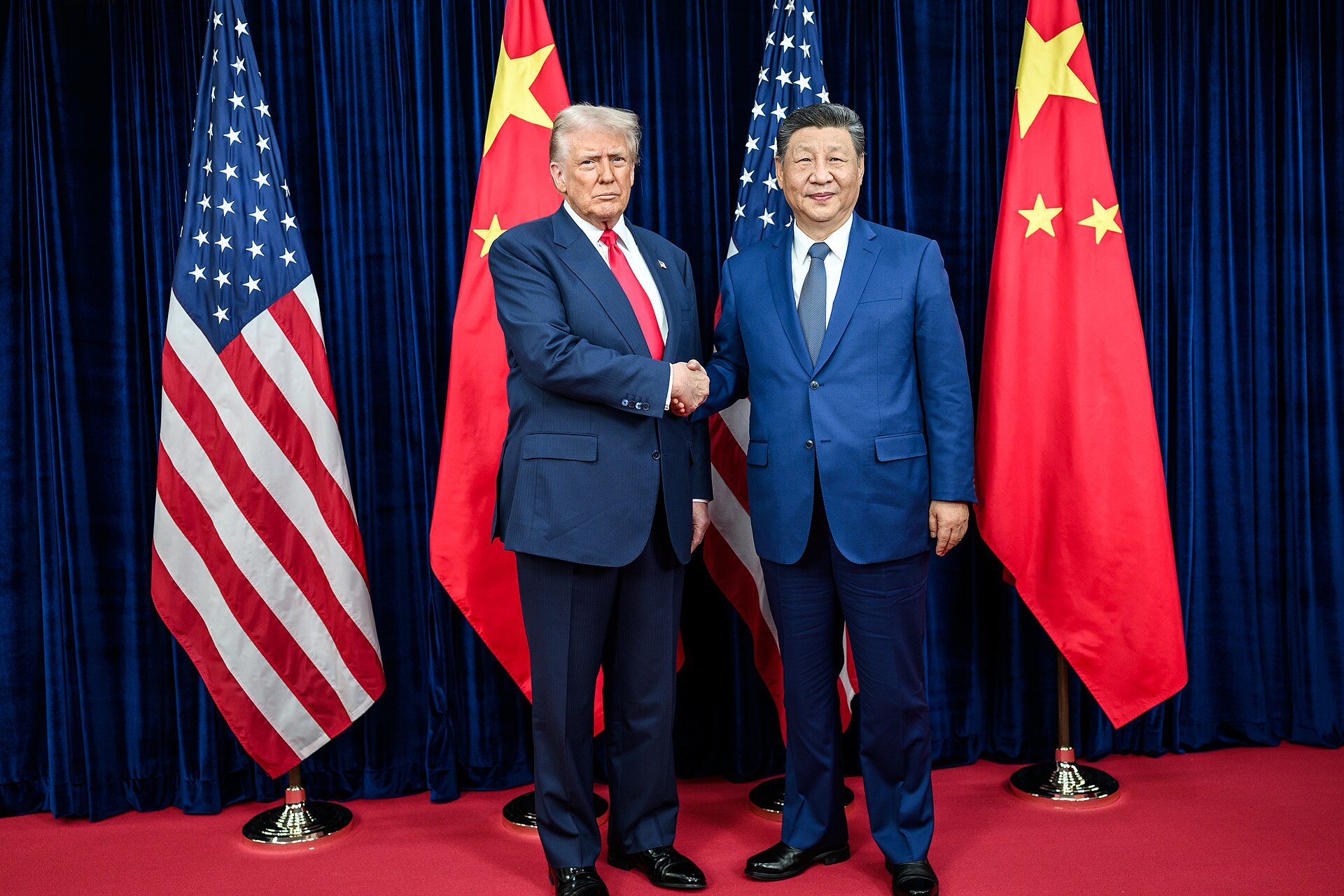
Your store shelves and your 401(k) both run on a truce that expires in November and was never actually signed.
- Trump and Xi Jinping met at the White House on 24 September 2026, their third meeting in eleven months, managing a truce rather than a settlement: tariffs on Chinese goods had peaked near 145% in spring 2025 before the two leaders stepped back at a 30 October 2025 Busan summit.
- That truce cut a fentanyl-linked tariff from 20% to 10%, secured Chinese soybean-purchase commitments, and paused China's toughest rare-earth export rules — but only through set expiry dates: the tariff pause runs to 10 November 2026, the rare-earth pause to 27 November.
- A second summit in Beijing in May 2026 covered five fronts — Iran, Taiwan, tariffs, rare earths, AI — and left all five unresolved and unsigned.
- In June 2026, even as the broader truce held, China added MP Materials and USA Rare Earth — the two companies the Pentagon is funding to break its rare-earth dependency — to its own export control list.
- TIME's review of Trump's negotiating pattern counts 28 separate tariff reversals inside a single four-month stretch in 2025 alone, underscoring how provisional any "deal" from these summits tends to be.
What happened?
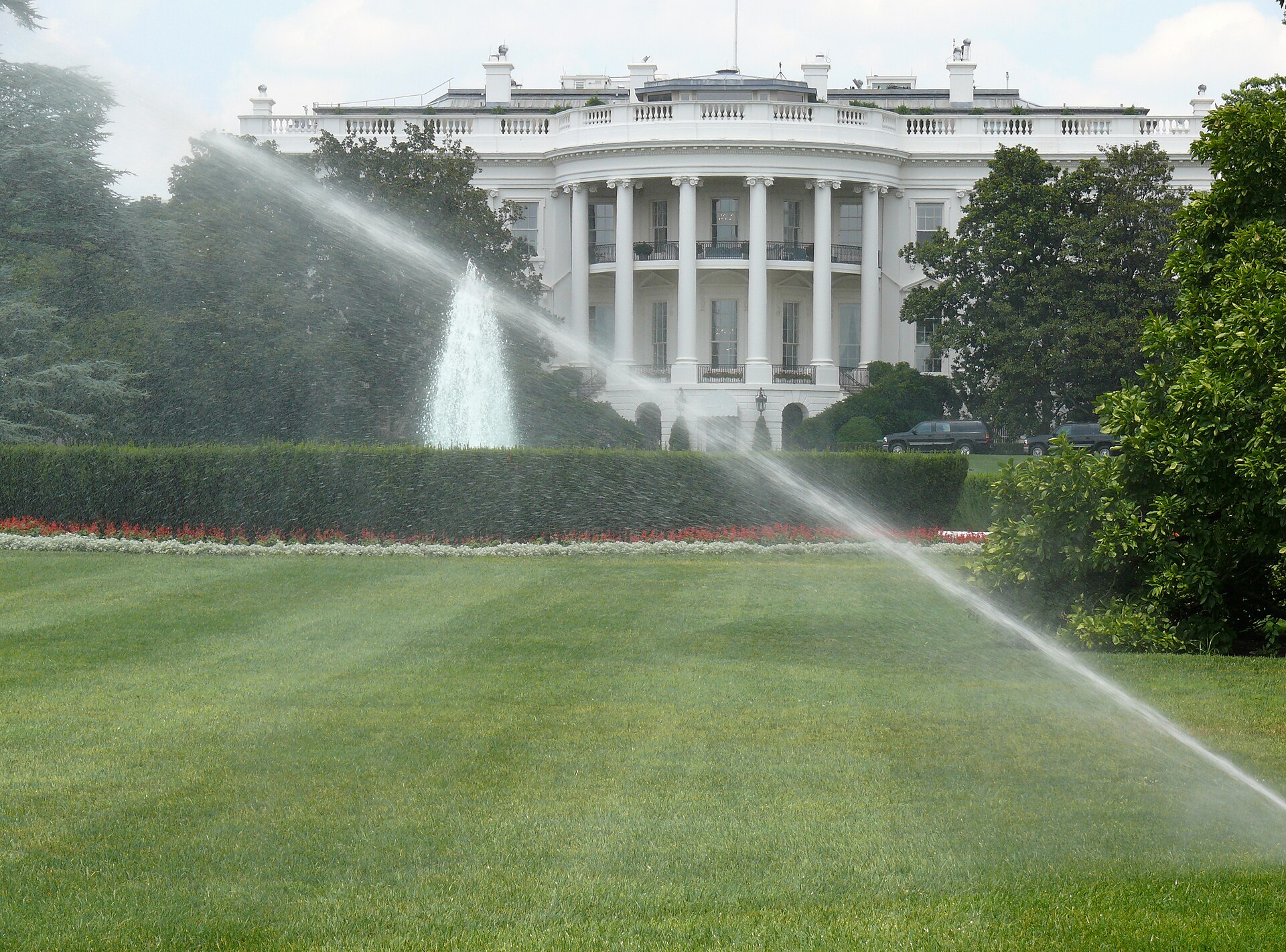
Trump and Xi Jinping meet at the White House on 24 September 2026 — their third meeting in eleven months. The relationship they're managing is a truce, not a settlement: after tariffs on Chinese goods peaked near 145% in spring 2025, the two leaders met in Busan, South Korea on 30 October 2025 and agreed to step back. The White House's own fact sheet, issued the next day, cut a fentanyl-linked tariff from 20% to 10%, secured Chinese commitments to buy US soybeans, and got China to pause its toughest new rare-earth export rules — but only through set expiry dates: the reciprocal-tariff pause runs to 10 November 2026, the rare-earth licensing pause to 27 November. A second summit in Beijing in May 2026 covered five fronts — Iran, Taiwan, tariffs, rare earths, AI — and left all five open. The September meeting arrives with both deadlines still on the calendar and unresolved.
Why did it happen?
Neither government can afford to let the relationship collapse again, but neither has been willing to fix it either. China's leverage — its grip on rare-earth processing — works best as a threat it doesn't have to use twice; using it again risks accelerating the exact Western diversification it's trying to prevent. Trump wants visible wins (soybean and Boeing purchases) and, per reporting around the May summit, Chinese help leaning on Iran. A third meeting inside eleven months is what happens when both sides need to manage a standoff neither is ready to settle.
Who benefits?
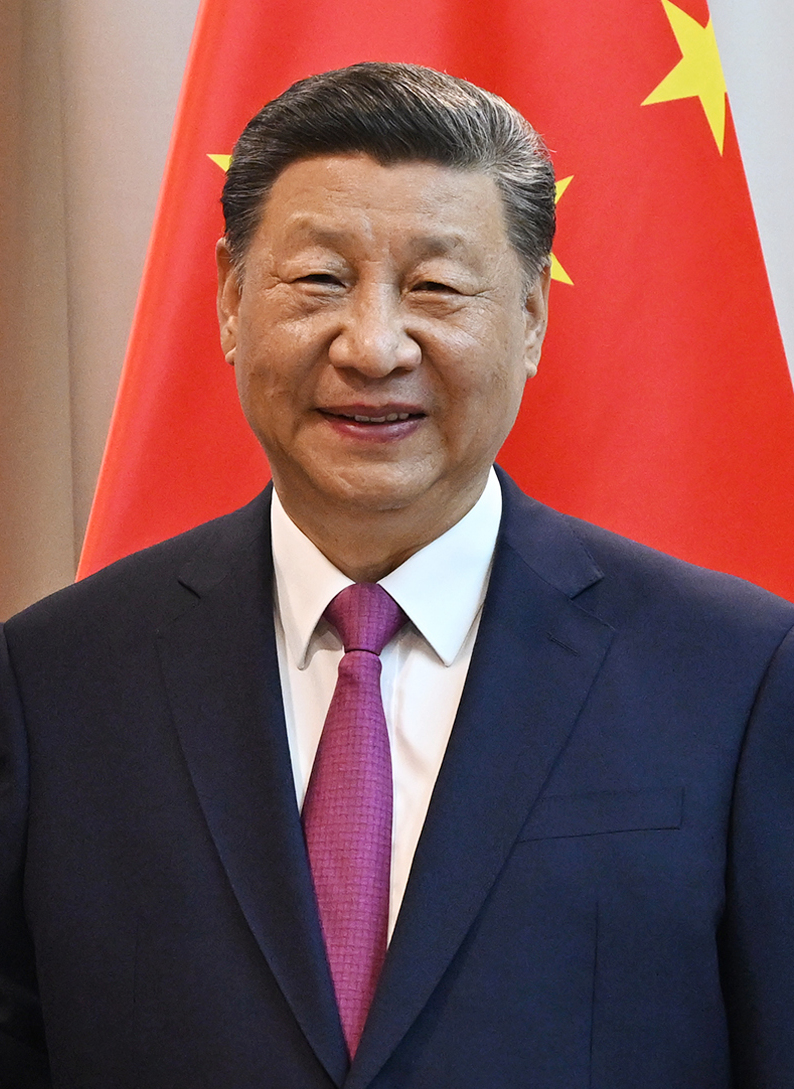
China, on the balance of the analysis that exists: it holds the harder-to-replace leverage and has already shown it can extract US concessions without giving up anything irreversible. Trump gets things he can point to — soybean and Boeing purchase numbers, a lower fentanyl tariff, a photographed summit — that read as wins without requiring China to change anything structural about its economy. Whether either side's gain outlasts the November deadlines is exactly what remains unproven.
Who loses?
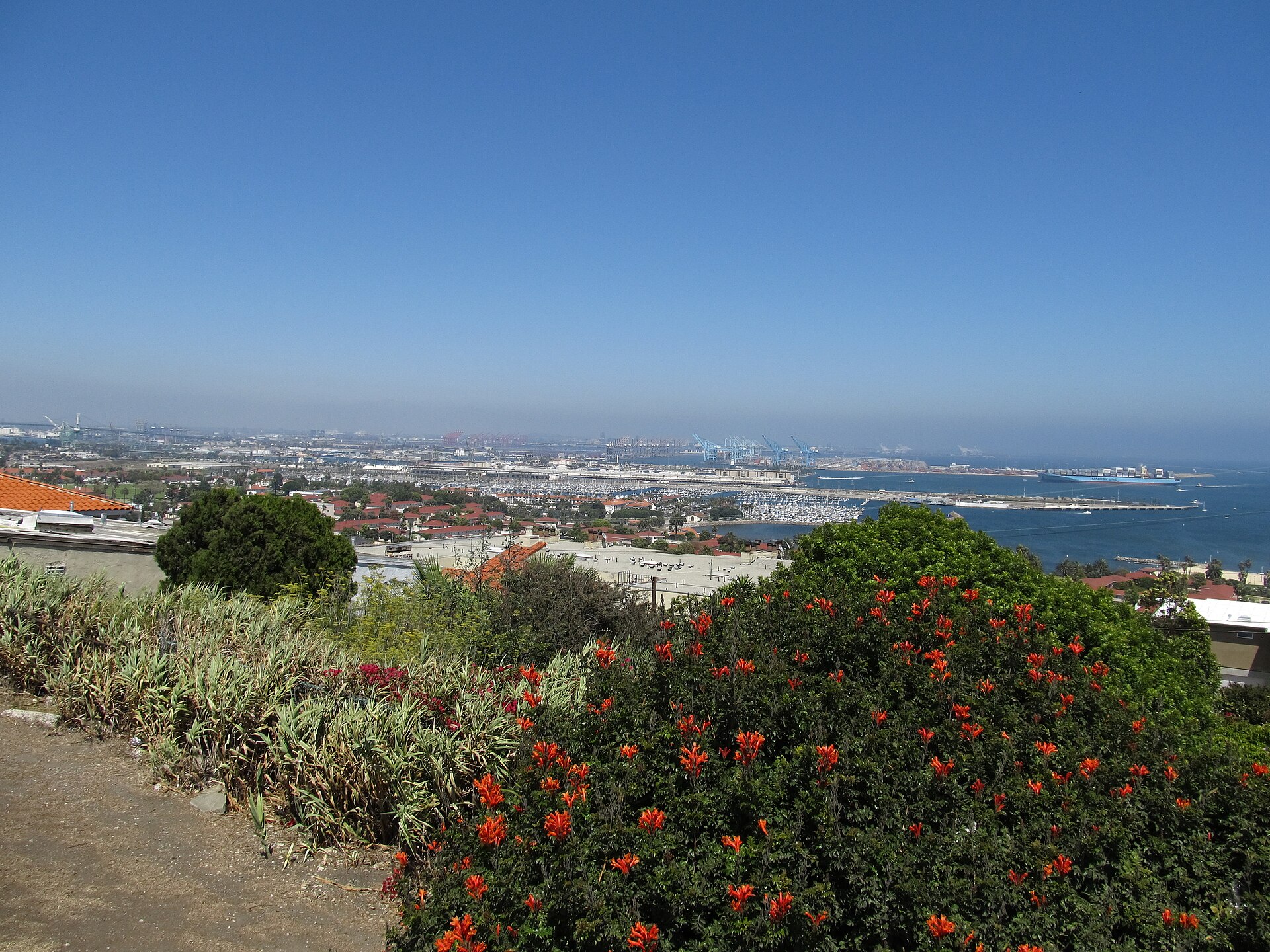
Anyone planning further out than the next deadline. US farmers holding purchase commitments that are politically revocable, manufacturers on both sides absorbing tariffs that are paused rather than repealed, and — per one skeptical read of Trump's own trade record — nobody who assumes a Trump-era deal is actually final. TIME's review of his negotiating pattern counts 28 separate tariff reversals inside a single four-month stretch in 2025 alone.
LikelyWhat happened?
The sequence starts with escalation, not diplomacy. By spring 2025, US tariffs on Chinese goods had climbed to roughly 145% at their peak, and China's response was to tighten rather than negotiate: it moved toward broader rare-earth export controls rather than making trade concessions. The two governments met at Gimhae International Airport near Busan on 30 October 2025, and the White House's fact sheet of 1 November 2025 laid out the terms in writing: the US would lower its fentanyl-related tariff on Chinese imports from 20% to 10% effective 10 November, while the pre-existing 10% reciprocal tariff would be suspended through 10 November 2026 — one year, not indefinitely. China committed to buying 12 million metric tons of US soybeans before the end of 2025 and at least 25 million tons annually through 2028, to resuming sorghum and log purchases, and to suspending its own retaliatory tariffs on US chicken, wheat, corn, cotton, pork, beef and dairy. On rare earths specifically, China agreed to suspend new export controls and issue general licenses for rare earths, gallium, germanium, antimony and graphite — a commitment later formalized as running to 27 November 2026. Atlantic Council analysts reviewing the Busan outcome called it 'real results' that mostly restored the position both sides held before the spring's escalation, not a net gain for either. The second summit, in Beijing in mid-May 2026, was framed by MercoPress as turning on five fronts at once — Iran (Trump wanted Chinese pressure on Tehran), Taiwan (Beijing's 'core interest'), tariffs (technical talks continuing in South Korea, the US pushing Boeing and agricultural purchases), rare earths (a bare US request for continued cooperation), and AI safety (a token first conversation). PBS's coverage of that trip noted both sides were explicitly trying to avoid a repeat of the spring's 145%-tariff, rare-earth-control spiral, describing the October truce as still 'fragile.' None of the five fronts closed. The September date itself — 24 September, at the White House — was floated by Trump directly and reported by Transport Topics on 2 September, with reporting elsewhere describing the run-up to it as a 'low-expectations summit' focused on managing the standoff rather than resolving it. That standoff sharpened further on 13 September, when the Taipei Times reported China had threatened to cancel the summit itself if Washington approved a pending Taiwan arms package first — meaning the meeting's own occurrence, not just its output, became a live question in the run-up.
Why did it happen?
Council on Foreign Relations analysts Rush Doshi, Chris McGuire, Heidi Crebo-Rediker, David Sacks and David Hart argue China enters these meetings with the stronger hand specifically because of what happened in 2025: Xi 'successfully resisted Trump's tariff escalation by threatening to restrict rare earth supplies,' demonstrating that Beijing can compel American concessions without a shot fired. That is a card worth keeping rather than spending — hence a pause, not a permanent stand-down, with a hard expiry date. On the American side, PBS's May 2026 reporting on the Beijing trip describes Trump pressing Xi, without success, to use China's position as Iran's largest oil buyer to help end the US-Israeli war then still running, alongside the standard trade asks — Boeing orders, agricultural purchases — that Washington has sought at every meeting in this sequence. MercoPress's account of the same summit frames the whole five-front agenda as items neither side is ready to resolve outright: Taiwan is a 'core interest' Beijing won't trade away, rare earths are a lever China won't fully surrender, and AI safety talks are, in the reporting's own words, unlikely to produce 'meaningful dialogue.' Likely rather than confirmed: the pattern — truce, pause, summit, no resolution, repeat — is documented across three meetings, but no official on either side has stated the strategy of managed non-resolution as a stated policy; it is this analysis's reading of a repeated pattern, not a claim either government has made about itself.
Who benefits?
CFR's analysts are direct about the imbalance: US and allied efforts to build alternative critical-mineral supply chains 'face years, if not decades, to realize,' while China's processing dominance is usable leverage today — an asymmetry that doesn't disappear because a truce paused its use. Xi's stated aims for the September meeting, per the run-up reporting, are to have the summit validate China's standing as a US-level power and to lock in 'tariff predictability' on terms Beijing can live with — both achievable without China giving up anything it would miss. On the US side, the November 2025 fact sheet is a genuine list of deliverables Washington can point to: a specific, falling fentanyl tariff rate, specific tonnages of agricultural purchases, specific commodities exempted from Chinese retaliation. Whether those deliverables represent durable market access or a purchase schedule China can quietly under-deliver on — as it has with past soybean commitments in other administrations — is not something the reporting resolves either way. Uncertain, because 'benefits' here means different things on each side — structural leverage for Beijing, an itemized scoreboard for Washington — and no source compares the two on a common scale.
Who loses?
The structural problem is that every concession in this relationship carries an expiry date rather than a repeal. The reciprocal-tariff pause lapses 10 November 2026; the rare-earth licensing pause lapses 27 November. Businesses on both sides that adjusted contracts, pricing or sourcing around the October 2025 truce are planning around dates that require a fourth renegotiation to survive, not a settled policy. TIME's October 2025 analysis, published before the Busan meeting even concluded, argued that 'sticking to a deal doesn't seem to be Trump's game' — citing 28 separate tariff reversals between his April 2025 'Liberation Day' announcement and mid-July, plus a abruptly terminated Canada trade talk and a snap 10% tariff hike over an advertising dispute — and extending the same skepticism to whatever comes out of a Trump-Xi meeting specifically. Even a nominal ally fared no better: Japan secured an auto-tariff cut from 27.5% to 15% in exchange for a $550bn investment pledge, only for Trump to later reserve the right to reopen it. Likely, not confirmed, because the specific outcome of the 24 September meeting had not happened as this analysis was written — the pattern of reversal is documented across many prior deals, but this one has not yet had the chance to be broken.
LikelyDomino Effect
The causal chain so far. Read the dates against each other — that is the whole argument.
It is not impossible — both governments have real incentives to stop re-litigating the same five fronts every few months, and a signed agreement would remove the recurring deadline risk this analysis is built around. But the base rate argues against it: TIME's review of Trump's own negotiating record counts 28 separate tariff reversals in a single four-month stretch in 2025, and this exact relationship has already produced two prior 'breakthrough' summits (Busan, Beijing) that left the core disputes — rare earths, Taiwan, the tariff schedule itself — unresolved rather than settled. A durable deal on 24 September would be the first of its kind in this cycle, not a continuation of the pattern documented so far.
Corrections & revisions
3Every change to this analysis since publication, with the reason. We append here — we don't rewrite. A number that changes silently is indistinguishable from never having been wrong.
RSS feed-
REVISITResolved no-joint-statement as NO; resolved tariff-truce-extended as YES and added two citations and two domino steps. no-joint-statement: 55% (open) · tariff-truce-extended: 58% (open) → no-joint-statement: resolved no · tariff-truce-extended: resolved yesThe summit is over. No joint text was agreed, but each side published its own fact sheet, which this label's wording counts as a written output. Bessent announced on 23 September that the truce due to end on 10 November now runs to 10 January 2027.
-
REVISITAdded one citation and one domino step, and moved tariff-truce-extended, with a dated note. tariff-truce-extended: 50% (open) → tariff-truce-extended: 58% (open)Eleven days before the summit, Trump has still not approved the Taiwan arms package specifically to protect the meeting — a costly signal he wants it to succeed — while Beijing has not withdrawn from the date either.
-
REVISITAdded one citation and one domino step, and moved tariff-truce-extended and no-joint-statement, with dated notes. tariff-truce-extended: 65% (open); no-joint-statement: 40% (open) → tariff-truce-extended: 50% (open); no-joint-statement: 55% (open)China's Foreign Ministry publicly threatened to cancel the 24 September summit itself if the US approves a pending Taiwan arms package before then — a direct new risk to the summit taking place at all, not just to what it produces.
Sources
11 sources
Every source behind the Trust Index above. Follow them — a trust score you can't check is decoration.
- Fact Sheet: President Donald J. Trump Strikes Deal on Economic and Trade Relations with China
- Experts react: What does the Trump-Xi meeting mean for trade, technology, security, and beyond?
- At the Trump-Xi Summit, China Will Have the Upper Hand
- The Trump-Xi summit in Beijing turns on five fronts: Iran, Taiwan, tariffs, rare earths, and AI
- Trump and Xi appear intent on keeping Iran war from overshadowing China summit
- Trump floats Sept. 24 date for Xi visit
- Why Any Deal at the Trump-Xi Summit Is Unlikely to Last
- China threatens US meeting over arms sales
- Xi-Trump summit set for September 24, but Taiwan arms sale threat looms over it
- Takeaways from the Trump-Xi White House Summit
- U.S. and China agree to extend trade truce through Jan. 10, Bessent says
Nothing here stands alone. This story is one node in a wider web — every card is another thread you can pull.