China Froze Its Harshest Rare-Earth Rules to Get a Trade Truce — Then Blacklisted the Two US Firms Built to End the Dependency
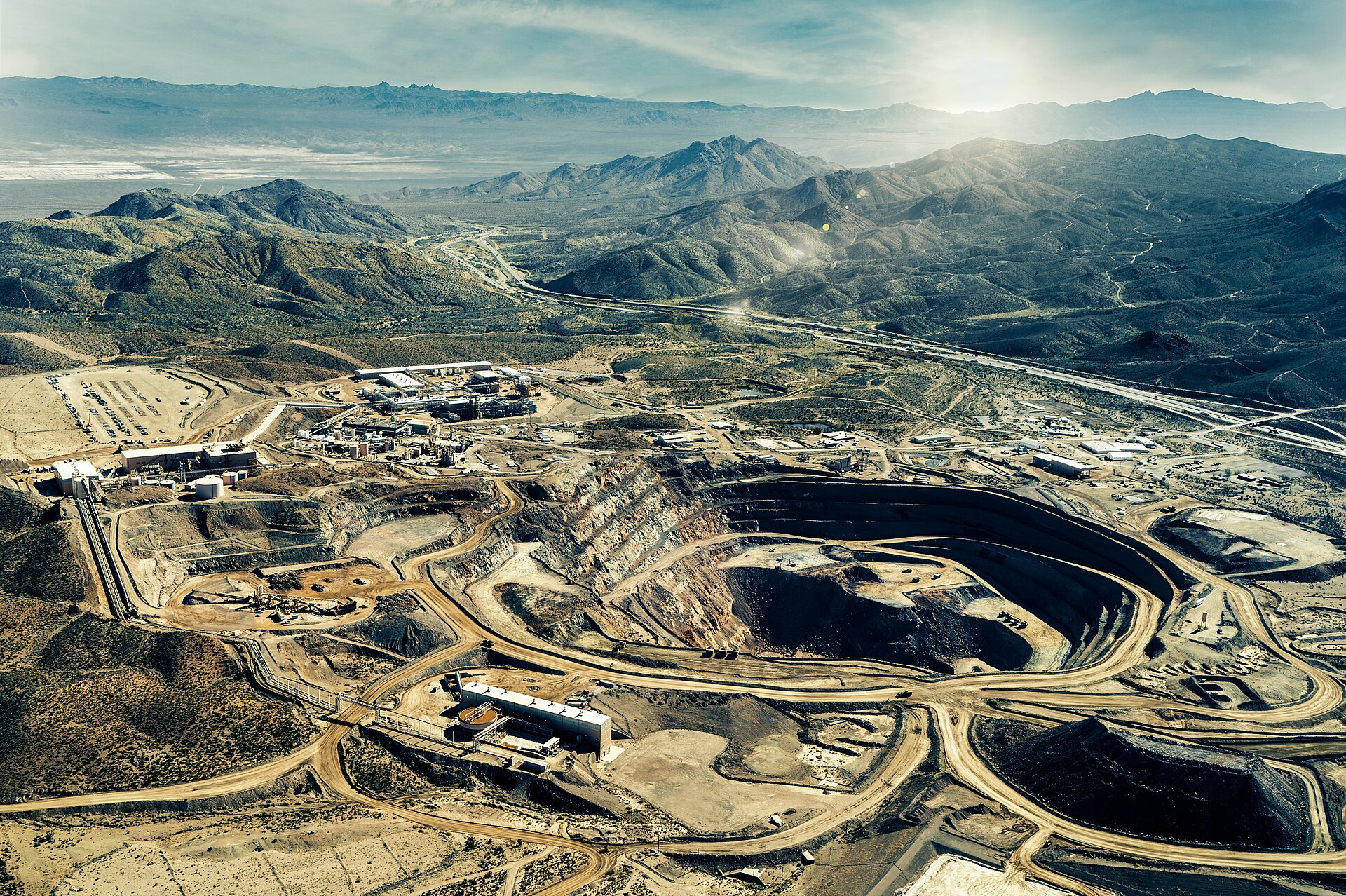
The magnets in your car, your phone and the fighter jet defending you almost all pass through one country's factories — and that country just blacklisted the two American companies trying to change that.
- China controls roughly 90% of global rare-earth processing and, by one industry estimate, 99% of heavy rare-earth separation, and formalized licensing controls on seven medium and heavy rare earths in April 2025.
- In October 2025 Beijing moved to tighten further with six new directives, including one reaching foreign-made products containing Chinese rare earths anywhere in the world; within a month, as part of a trade truce struck at tariffs' near-145% peak, it suspended all six — but only to 27 November 2026.
- In June 2026, even as the broader truce held, China added MP Materials and USA Rare Earth — the two companies the Pentagon is funding to build a US alternative — to its own export control list.
- The Pentagon took a $400 million equity stake in MP Materials in July 2025, guaranteeing a $110/kg price floor and a decade of purchases; the Government Accountability Office puts the cost of closing the resulting US defense supply-chain gaps at $18.5 billion.
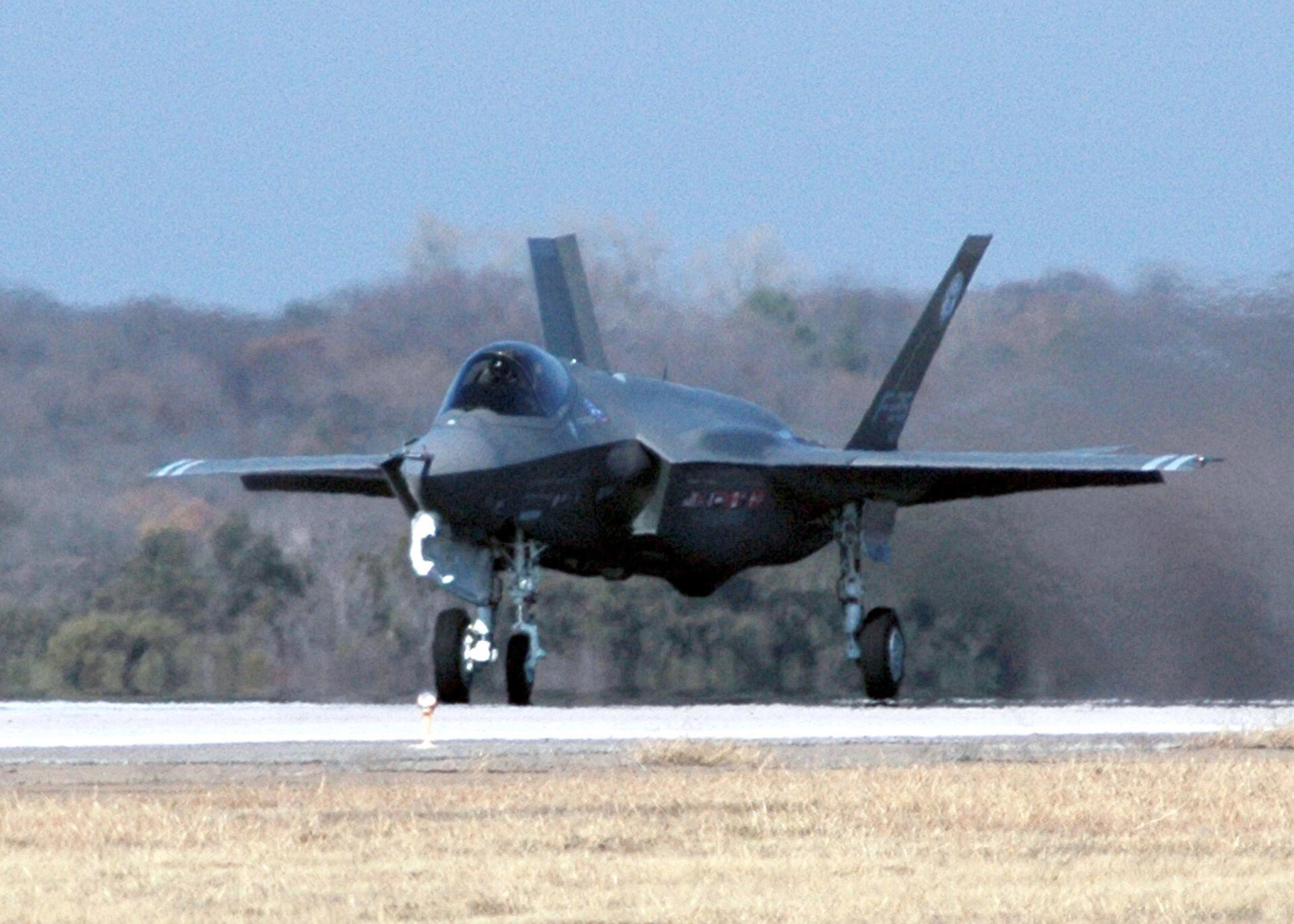
- A single F-35 needs more than 900 pounds of rare earth elements and a Virginia-class submarine roughly 9,200 pounds; Japan, after more than a decade of deliberate diversification, still sources 76% of its rare earths from China.
What happened?
China controls roughly 90% of global rare-earth processing and, per one industry estimate, 99% of heavy rare-earth separation — the step that turns mined ore into usable material. In April 2025 it formalized licensing controls on seven medium and heavy rare earths. In October 2025 it moved to tighten further with six new directives, including one reaching foreign-made products containing Chinese rare earths anywhere in the world. Within a month, as part of a trade truce with Washington, China suspended all six — but the US-specific version of the toughest rule runs only to 27 November 2026, a deadline, not a repeal. Then in June 2026, China added MP Materials and USA Rare Earth — the two companies the Pentagon is funding to build an alternative — to its own export control list.

Why did it happen?
China's April 2025 licensing regime was a real, planned formalization of dual-use export controls it had been tightening since 2023. The October escalation and its swift reversal look like something else — using the threat of even tighter rules as a bargaining chip at the exact moment US tariffs peaked near 145%, then trading the threat away for the Busan truce once it had done its job. The June 2026 blacklisting of MP Materials and USA Rare Earth reads as Beijing punishing the specific US response to that leverage, even while leaving the broader truce intact.
Who benefits?
China benefits in the near term simply by having leverage that costs nothing to hold and everything to lose access to — every month the crisis doesn't fully land is a month its market position keeps compounding. MP Materials benefits regardless of what China does: a federal price floor and a guaranteed decade of purchases insulate it from the market prices Beijing's own supply could otherwise crush. But one skeptical read argues the entire premise may overstate the danger — rare earths, on this account, aren't actually scarce, and the US is paying billions to defend against a threat partly of its own tariff policy's making.
Who loses?
The US defense industrial base sits at the sharpest edge: a single F-35 needs more than 900 pounds of rare earth elements, a Virginia-class submarine roughly 9,200 pounds, and the Government Accountability Office puts the cost of closing the resulting supply gaps at $18.5bn. European manufacturers saw licensing approval rates fall below 25% in some sectors during the tightening, and Japan — after more than a decade of deliberate diversification — still sources 76% of its rare earths from China.
ConfirmedWhat happened?
The scale is the starting fact: China controls approximately 90% of global rare-earth processing, alongside roughly 80% of tungsten refining and 60% of antimony production, and — per a separate industry assessment focused specifically on the hardest-to-replace elements — close to 99% of heavy rare-earth separation capacity for elements like dysprosium and terbium. China's Ministry of Commerce formalized licensing requirements on seven medium and heavy rare earths (samarium, gadolinium, terbium, dysprosium, lutetium, scandium and yttrium) in April 2025. Then, on 9 October 2025, MOFCOM issued six further directives — Announcements 55 through 58, 61 and 62 — that would have extended controls to magnet materials, lithium-battery precursors and super-hard materials, with one provision reaching any foreign-made product containing 0.1% or more Chinese-origin rare earths regardless of where it was manufactured. Following talks between Trump and Xi in Busan in late October, China suspended all six October directives on 7 November (Announcement 70) and separately suspended the US-specific extraterritorial licensing requirement on 9 November (Announcement 72) — but only until 27 November 2026, framed at the time as a 'temporary, confidence-building measure.' The seven elements licensed since April 2025 remain controlled; only the October escalation was rolled back. Then, on a date in June 2026, China added ten US entities — including rare-earth miners MP Materials and USA Rare Earth — to its own export control list, restricting anyone anywhere from transferring Chinese-origin dual-use items to them. The listing followed the US Department of Defense updating its own Section 1260H list of Chinese military-linked companies; China's public rationale for naming these two firms specifically was not stated in the reporting reviewed for this analysis.
Why did it happen?
CFR's own account of China's negotiating position describes the underlying logic directly: Xi 'successfully resisted Trump's tariff escalation by threatening to restrict rare earth supplies' in 2025, without needing to fully carry the threat out — a demonstration that the mere prospect of tighter controls could extract concessions. On that reading, the six October 2025 directives were never necessarily meant to stay in force; a credible, six-directive escalation announced just as talks resumed is consistent with maximizing leverage into the Busan meeting, then trading the escalation away as the price of the truce Beijing also wanted. The specific timing supports this: the directives were suspended within four to six weeks of being announced, once a trade framework was in hand. The June 2026 blacklisting is harder to read as pure negotiating theater, because it targets two named companies rather than a category of goods, and follows a US action (the DoD's Section 1260H update) rather than preceding a US concession. The more consistent explanation across both moves is that China treats its rare-earth position as leverage to be managed continuously — tightened when useful, eased when a truce is worth more, and turned specifically against the US programs most likely to erode that leverage permanently. Likely, not confirmed, because no Chinese official statement reviewed for this analysis states either the October escalation or the June blacklisting as a deliberate negotiating tactic in those terms — this is this analysis's synthesis of the pattern, not an admitted strategy.
Who benefits?
The clean beneficiary case belongs to China's negotiating position: CSIS's one-year assessment concludes Beijing 'retains significant leverage over critical mineral supply chains' specifically because it dominates processing and refining rather than mining, which is the harder and slower capacity to replace — new heavy-rare-earth separation capacity is not expected to come online at scale before mid-2026 at the earliest anywhere outside China. MP Materials is the clearest named winner among US firms: the Pentagon's July 2025 deal guarantees a $110/kg price floor for MP's NdPr output for ten years and commits the department to buying 100% of its planned 10,000-tonne magnet facility's output once built — protection from exactly the kind of Chinese price undercutting that killed the last generation of US rare-earth mining. Against both readings sits TIME's more skeptical assessment: rare earths, it argues, are 'the opposite of rare' and often overproduced, with existing mining operations leaving 'half of what they dig out' as recoverable waste rather than facing genuine geological scarcity; on this account, China's 2025 escalation was 'primarily a response to US tariffs' rather than evidence of an inherent supply chokehold, and the US rare-earth build-out amounts to paying to avoid being 'held hostage' rather than achieving a real competitive advantage. Uncertain, because the sources disagree not on the facts but on the frame: whether this is a genuine scarcity crisis China can keep exploiting, or a manufactured one the US is now overpaying to solve.
Who loses?
The Modern War Institute's assessment lays out the military exposure in concrete terms: a Virginia-class submarine requires approximately 9,200 pounds of rare earths, an F-35 fighter jet more than 900 pounds, and critical systems across guided missiles and hypersonic weapons rely on magnets containing neodymium, samarium and dysprosium that are overwhelmingly processed in China. The Government Accountability Office has estimated $18.5bn as the cost of closing the resulting supply-chain gaps, and domestic capacity is not expected to be 'fully stood up until 2027 at the earliest' — a timeline under which, in the same assessment's own framing, the US military could exhaust many munitions stockpiles within a week of a serious Taiwan Strait conflict scenario. The pain is not confined to defense: rare-earth-exchanges' April 2026 analysis records price spikes of up to sixfold outside China during the tightening and licensing approval rates for European firms falling below 25% in some sectors, with more than 80% of European manufacturers in dependent sectors reporting reliance on Chinese supply. CSIS's one-year review adds a harder number on the US side specifically: domestic rare-earth production reached only 8,900 tons in 2025 against roughly 27,000 tons of consumption, leaving 71% of US demand still filled by imports, the large majority of it Chinese. And Japan — cited across multiple sources as the country that has tried longest and hardest to diversify — still gets 76% of its rare earths from China after more than a decade of deliberate effort, the clearest evidence available that diversification is real but slow, not a problem solved by announcing it.
ConfirmedDomino Effect
The causal chain so far. Read the dates against each other — that is the whole argument.
TIME's April 2026 assessment makes this case seriously rather than dismissively: rare earths are not geologically scarce, current mining operations discard roughly half of what they extract as recoverable waste, and China's own 2025 escalation reads as retaliation for US tariffs rather than an independent demonstration of chokehold power. On that reading, the billions the US is now spending — the MP Materials price floor, the 10X facility subsidy — buy insurance against a threat rather than solve an unfixable scarcity, and success looks like paying a permanent premium to avoid dependence rather than achieving a cheaper alternative. The case has to survive one fact that cuts the other way: China's June 2026 decision to blacklist MP Materials and USA Rare Earth specifically, rather than a broader category of goods, is difficult to explain as pure retaliation for a tariff dispute — it reads as a targeted move against the two companies most likely to erode the leverage TIME's own analysis says is really about processing capacity, not raw material scarcity.
Corrections & revisions
noneEvery change to this analysis since publication, with the reason. We append here — we don't rewrite. A number that changes silently is indistinguishable from never having been wrong.
RSS feed- No corrections yet. When we get something wrong, the fix is logged here rather than quietly applied.
Sources
8 sources
Every source behind the Trust Index above. Follow them — a trust score you can't check is decoration.
- China Hits "Pause" on Rare-Earth Export Controls and What it Means for Supply Chains
- China's 2026 Export Controls Redraw the Global Supply Chain Map
- MP Materials Announces Transformational Public-Private Partnership with the Department of Defense
- Minerals, Magnets, and Military Capability: China's Rare Earth Weaponization Should Be a Wake-Up Call
- Recent China Export Control Actions Signal Active Enforcement for Rare Earths and Strategic Minerals
- Rare Earth Export Restrictions One Year Later
- At the Trump-Xi Summit, China Will Have the Upper Hand
- The Sobering Truth About Rare Earths
Nothing here stands alone. This story is one node in a wider web — every card is another thread you can pull.