China Blamed Its Growth Miss on the Iran War. Its Own Exports Say Otherwise.
China is blaming a war on the other side of the planet for a slowdown that started at home.
- China's economy grew 4.3% year-on-year in Q2 2026, the slowest pace since late 2022 and short of the 4.5% consensus forecast; the National Bureau of Statistics blamed "external instability," language read as pointing at the Iran war's oil shock.
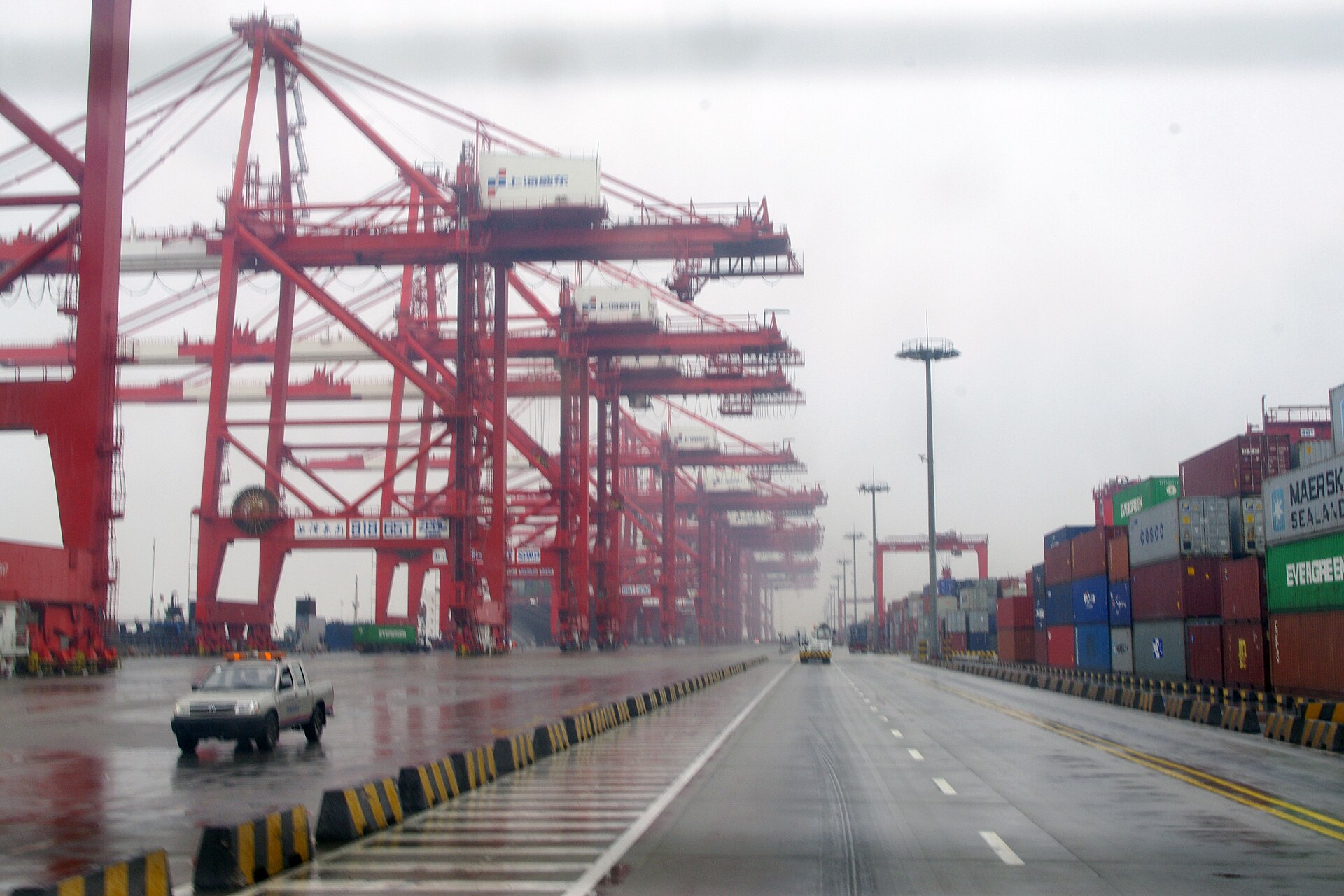
- The same data release cut against that framing: June exports rose 27% year-on-year and industrial output beat forecasts, while property investment fell 18% and fixed-asset investment fell 5.7% over the first half.
- An analyst quoted by IBTimes said growth is "very much powered by manufacturing" rather than the consumer-demand rebalancing Beijing set as a goal, with domestic demand "at a pretty fragile stage."
- Beijing's late-July policy response was, by its own account, "incremental," with the property sector — which just posted its worst first-half investment figure of the year — mentioned only briefly and no new step announced on unsold-home purchases.
- If the slowdown is mostly domestic, as the export and property numbers suggest, a policy response calibrated for an external shock is calibrated for the wrong problem.
What happened?
China's economy grew 4.3% year-on-year in the second quarter of 2026 — the slowest pace since late 2022, down from 5.0% in Q1, and short of the 4.5% consensus forecast. China's National Bureau of Statistics pointed to 'more external instability and uncertainty factors', language most wire coverage read as the Iran war's effect on oil prices. The same release showed June exports up 27% year-on-year and industrial output beating forecasts, while property investment fell 18% and fixed-asset investment fell 5.7% over the first half.
Why did it happen?
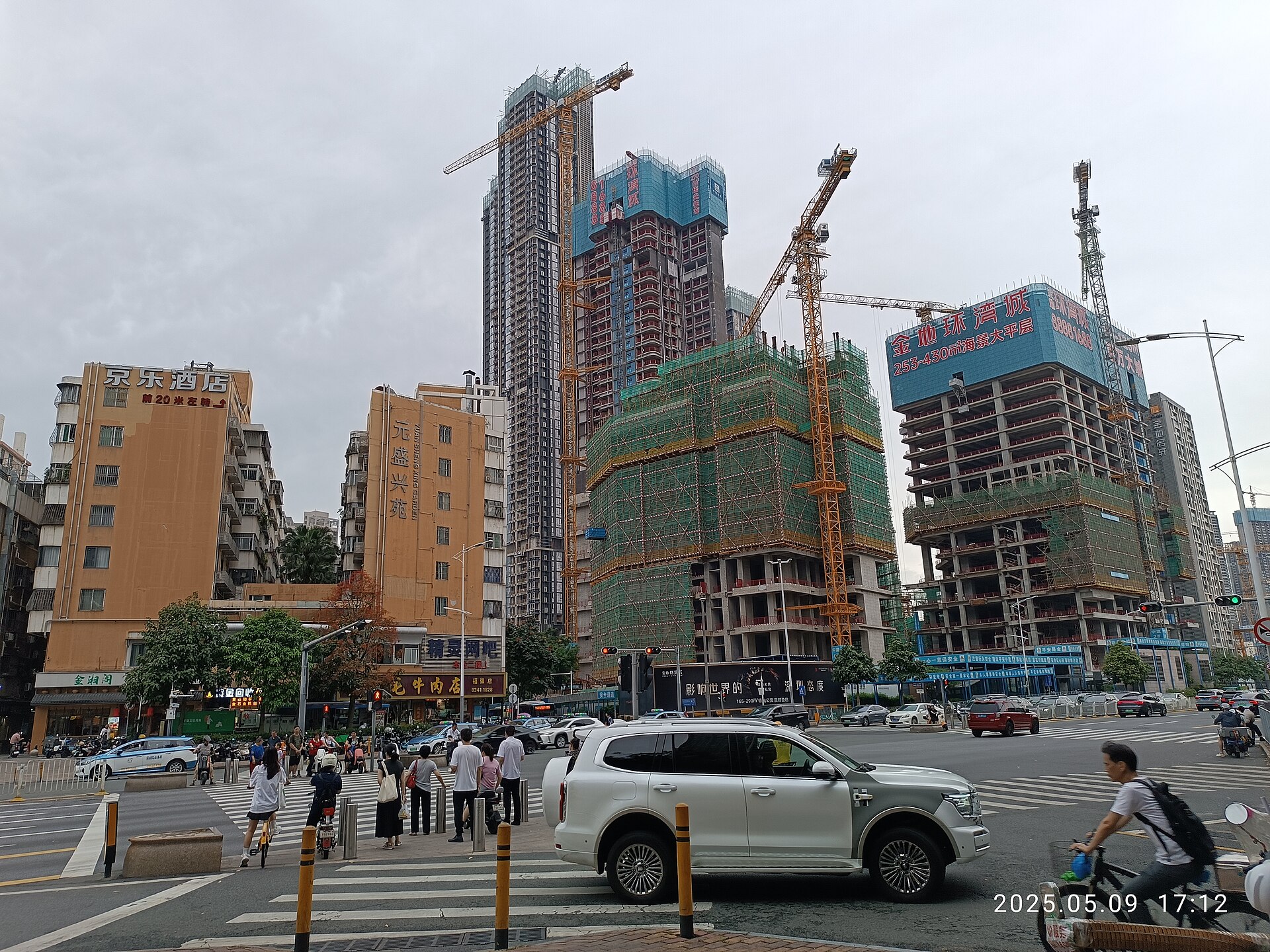
The honest answer, on the numbers: mostly domestic. South China Morning Post's own reporting on the same release argues the shortfall traces to 'weak domestic demand, a prolonged downturn in the property market' — not the war — noting exports stayed strong through the same disruption the Iran-war framing blames. An analyst quoted by IBTimes put it plainly: growth is 'very much powered by manufacturing' rather than the consumer-demand rebalancing Beijing itself set as a goal, with domestic demand 'at a pretty fragile stage'.
LikelyWho benefits?
Whoever prefers the smaller policy response. An external-shock diagnosis argues for waiting the war out rather than a large, politically harder property bailout or a big consumption-voucher programme — and the Politburo's late-July response was exactly that: 'incremental', per its own readout, with property only 'briefly mentioned'. The export-led growth model itself benefits too: another quarter of manufacturing carrying the number is another quarter without forced political pressure to rebalance toward consumption.
Who loses?
Chinese households waiting on consumption support, and the property sector, which just posted its worst first-half investment figure of the year (-18%) and got a Politburo response that mentioned it only briefly, with no new step on unsold-home purchases. If the drag really is domestic — as the evidence here suggests — then a policy response calibrated for an external shock is calibrated for the wrong problem.
LikelyWhat happened?
The National Bureau of Statistics released the figures on 15 July 2026: 4.3% year-on-year GDP growth for Q2, 0.9% quarter-on-quarter, against a Reuters poll consensus of 4.5% and ING's own forecast of 4.6%. Several outlets — CNN, IBTimes, Columnist24 among them — reported this as the growth target being missed for the first time since Beijing stopped setting a hard annual figure during the pandemic, and linked it explicitly to 'the Iran war [that] pushed up oil prices'. That framing needs one correction most of the same pieces did not make: the official target is an annual 4.5–5% band, and first-half 2026 growth came in at 4.7% — still inside it. What is real and not in dispute is the composition underneath the headline number. Industrial output rose 5.3% year-on-year in June, beating a 4.7% forecast. Exports rose 27% year-on-year in June and 17.6% across the first half, led by semiconductors (+25.4%, a 17-month high) and rail, ship and aerospace equipment (+18.2%). Against that, retail sales grew only 1.0% in June as government subsidy effects waned, fixed-asset investment fell 5.7% over the first half (worse than the -4.9% forecast), and property investment fell 18.0% — worse than January–May's -16.2%, and ING calls it 'a major drag on growth' with inventories still elevated. ING also notes net exports were negative on the year despite the strong headline export figure, because imports rose even faster — a genuine complication for a pure 'exports are fine' reading, though it does not touch the property and consumption numbers, which are the real story here.
Why did it happen?
Two readings of the same data release point in different directions, and the disagreement is real rather than semantic. The external-shock reading, closest to the NBS's own stated language and the wire framing that followed it, holds that 'more external instability and uncertainty factors' — the Iran war's disruption to oil prices and shipping since the February outbreak — pushed up input costs and dampened business confidence at the margin. The domestic-weakness reading, argued explicitly by SCMP, holds that this externalises a problem the data does not support externalising: exports rose through the same period the oil shock is blamed for suppressing activity, which is the opposite of what an external supply shock should do to an export-dependent economy if it were the dominant force. What both readings agree on is the composition: a prolonged property downturn (-18% investment), fragile consumption (+1.0% retail sales in June, down from stronger pandemic-subsidy-driven months), and an export sector still 'very much powered by manufacturing' rather than the household-consumption pivot Beijing has targeted for years, per Fabien Yip's analysis cited by IBTimes. We read the domestic case as the stronger one, on the evidence available, without treating the external contribution as zero — likely, not confirmed, because apportioning exactly how much of a 0.2-point consensus miss is oil-price cost pass-through versus structural drag is not something either side's own numbers actually settle.
LikelyWho benefits?
This is our own read of incentives, not a sourced claim about anyone's intent. An economy that reads its own slowdown as externally caused has a ready-made reason to respond with the tools it was already going to use rather than the ones a domestic diagnosis would demand: at the 30 July Politburo meeting, leadership pledged 'targeted stimulus measures' and 'counter-cyclical policy adjustments' — concretely, a reported 6 trillion yuan hidden local-government debt swap, a 100 billion yuan special fund for domestic demand, and an 800 billion yuan quota for new policy financial instruments 'largely undeployed as of July 30' per Caixin. ING's read of the same readout is that it offered 'a supportive tone but few tangible measures' — no detail on consumption vouchers or tax benefits, and property 'only briefly mentioned' with no acceleration of local-government purchases of unsold homes. Both accounts describe the same meeting; they disagree on whether the numbers attached amount to a real commitment or a restatement of tools already in motion. Either way, the manufacturing- and export-side of the economy — which just posted a strong quarter — faces no new pressure to change, while the property sector gets a readout, not a rescue.
Who loses?
The immediate losers are the ones the data already shows losing: households, whose retail spending grew just 1.0% in June as subsidy effects faded, and the property sector, where H1 investment fell 18.0% — worse than the -16.2% recorded through May, with inventories, per ING, still elevated. Both were the explicit targets of the domestic-demand rebalancing Beijing has stated as a multi-year goal, and both got the thinner half of the July Politburo readout: fiscal and monetary language was concrete enough to name figures (a 6 trillion yuan debt swap, an 800 billion yuan instruments quota), while property support and consumption measures were, in ING's assessment, not detailed at all. The second-order loser is harder to name but easy to state: if the true cause of a growth miss is misdiagnosed as external and temporary rather than domestic and structural, the policy response calibrated to that misdiagnosis will keep under-treating the actual problem — a risk that compounds every quarter it isn't corrected, not a one-time cost.
LikelyDomino Effect
The causal chain so far, dated from what the sources actually report. New dominoes append as they fall.
A domestic diagnosis would have made the July Politburo meeting a different kind of event — one where property and consumption measures carried the numbers the fiscal and debt tools got instead, because the political case for treating a structural problem as structural is a case for spending on it directly. An external diagnosis lets the same meeting sound supportive while committing mainly to tools (debt swaps, financing instrument quotas) that manage the state's own balance sheet rather than a household's. Nothing here proves the diagnosis chosen caused the response's shape rather than merely matching it — that is our reasoning about incentives, not a sourced claim about anyone's deliberation.
Corrections & revisions
1Every change to this analysis since publication, with the reason. We append here — we don't rewrite. A number that changes silently is indistinguishable from never having been wrong.
RSS feed-
REVISITRewrote the "why this matters to you" hook. whether the world's second-largest economy treats a domestic structural problem as a passing external shock — and stimulates accordingly, or doesn't → China is blaming a war on the other side of the planet for a slowdown that started at home.Operator decision, 2026-08-19: whyItMatters.outcome is now the page's primary hook and every analysis was rewritten to a single short, concrete, human-stakes sentence (docs/EDITORIAL.md, Permanent standards #4) — replacing several that had grown into full paragraphs or abstract policy-thesis phrasing.
Sources
6 sources
Every source behind the Trust Index above. Follow them — a trust score you can't check is decoration.
- Instant View: China's second-quarter economic growth misses market forecast
- China Q2 2026 GDP Growth Slows to 4.3%, Weakest Since Q4 2022
- China reports 4.3% GDP growth in second quarter, falling short of expectations
- China's GDP Growth Slows to 4.3% in Second Quarter as Iran War Hits Oil Prices
- China's Politburo Pledges Incremental Policy Support to Bolster Economy
- China's Politburo strikes a supportive tone but offers few tangible measures
Nothing here stands alone. This story is one node in a wider web — every card is another thread you can pull.