Trump Broke Decades of US Neutrality on Northern Ireland in One Sentence: "It May as Well Happen Now."
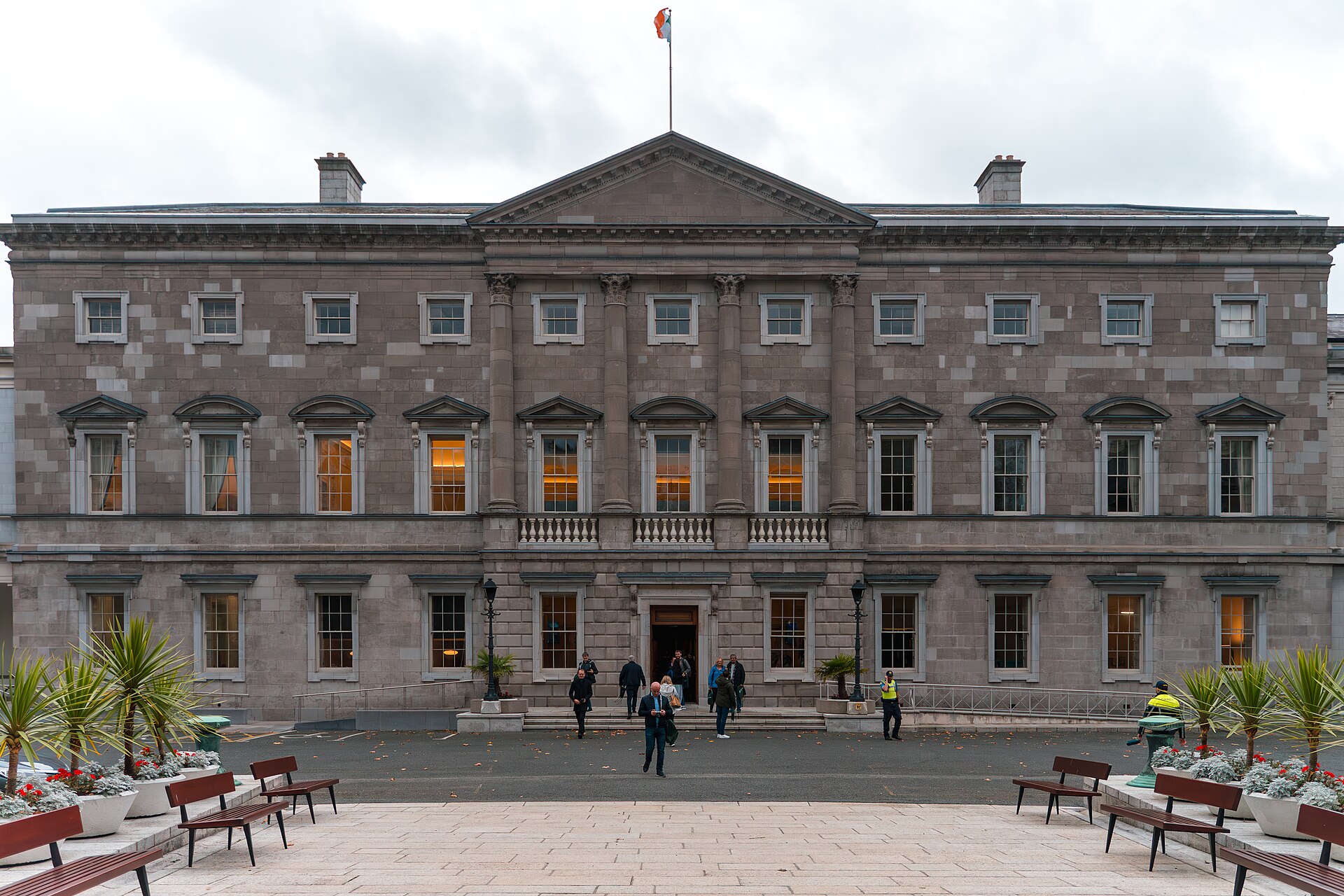
In one sentence, a sitting US president discarded a neutrality convention that has held since Washington helped broker peace in Northern Ireland in 1998 — and the region's unionist leadership had to spend the same weekend saying its constitutional future is not Trump's, London's or Dublin's to declare.
What happened?
During a Dublin news conference on 12 September 2026, following his meeting with Taoiseach Micheál Martin, President Trump said he would 'love to see' Northern Ireland and the Irish Republic unified, describing it as 'fantastic' and adding: 'The way I look at it, it's going to happen eventually. It may as well happen now.' The comments came the same weekend thousands of protesters — organizers claimed 25,000 — marched through Dublin against his visit, citing Gaza, climate policy and his broader record; a separate poll cited by The Journal found 69% of respondents opposed the visit outright.
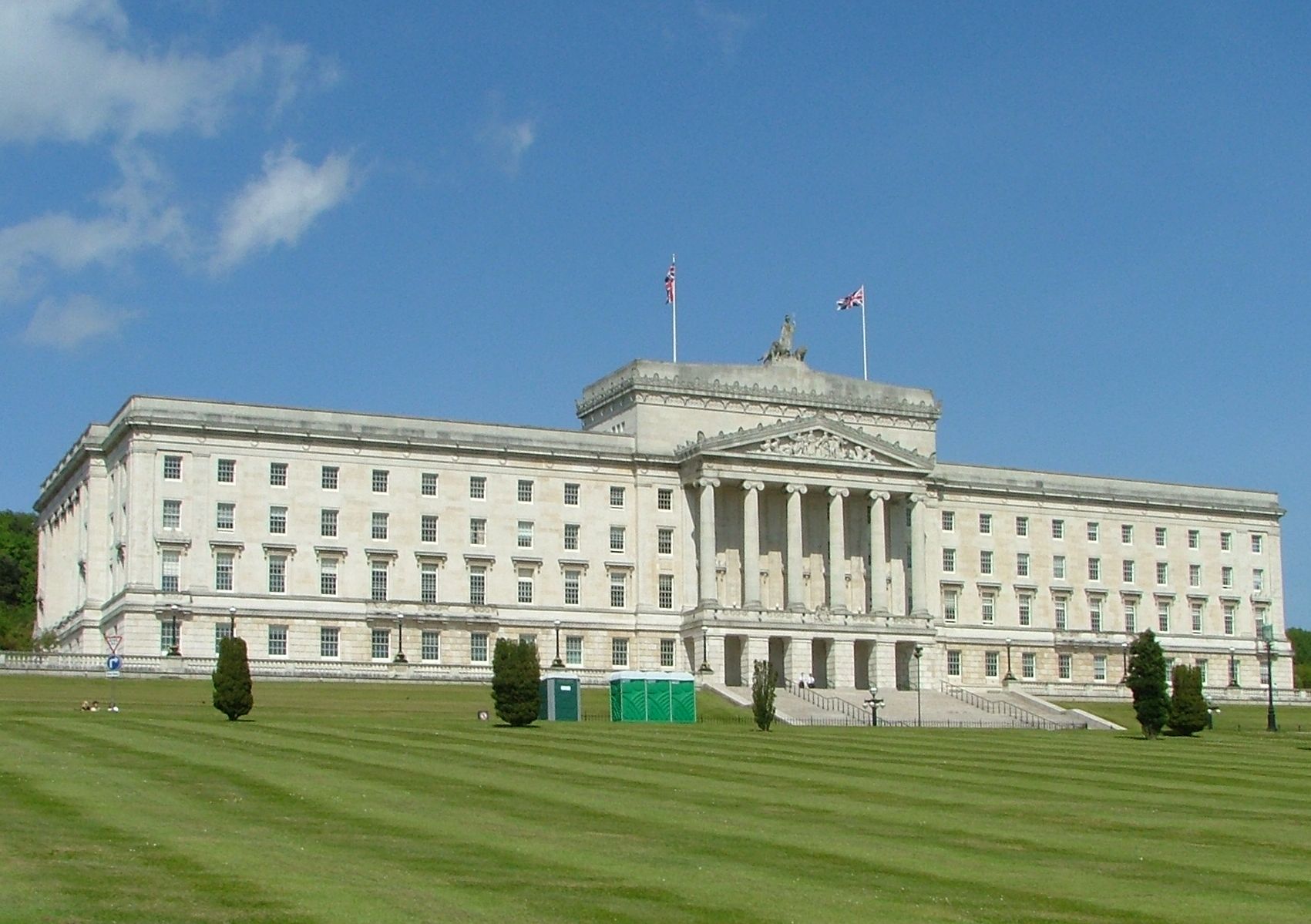
Why did it happen?
Nothing in the reporting suggests a prepared policy shift — Trump's comments read as an off-the-cuff answer to a reporter's question, framed in the same casual, personal register he has used for other territorial remarks (Canada, Greenland), rather than a considered change in how the US approaches Northern Ireland. Badenoch's direct comparison to those earlier remarks suggests the pattern, not the specific Irish content, is what triggered UK alarm.
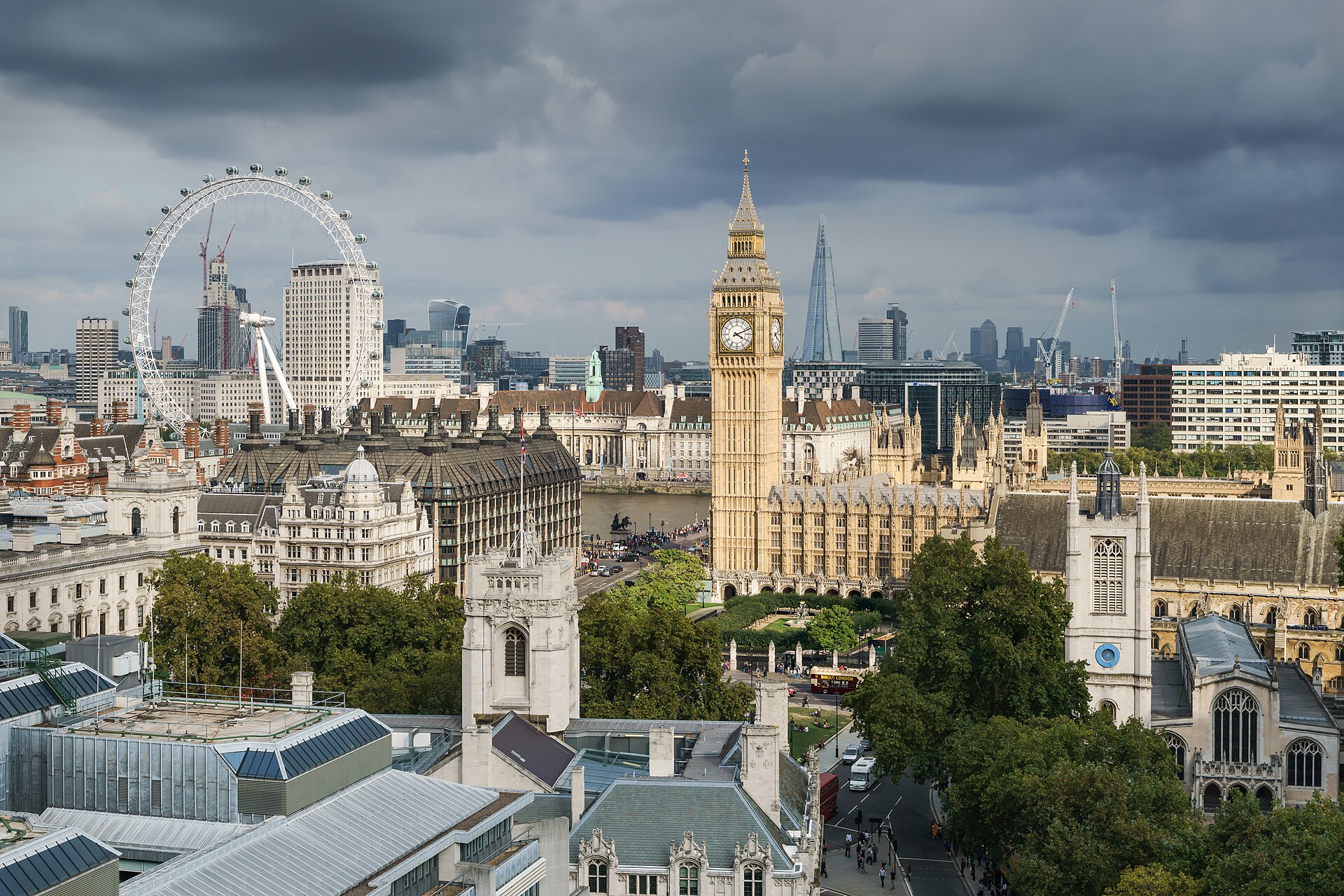
Who benefits?
Irish nationalist and republican parties gain a rhetorical boost — a sitting US president publicly agreeing with a goal Sinn Féin has campaigned on for decades is a genuine, if symbolic, asset regardless of Trump's own motives. The Irish government, notably, gains nothing it wanted: its own spokesperson had to immediately reaffirm an unchanged position rather than welcome the remark.
UncertainWho loses?
Northern Ireland's unionist community is the clearest, most immediate loser — its leadership had to spend the weekend publicly rejecting a US president's casual comments about their country's dissolution, a defensive posture they did not choose to be in. The convention of US neutrality on Northern Ireland's status — itself a small but real piece of the Good Friday Agreement's diplomatic architecture — is also weakened, regardless of whether Trump intended that effect.
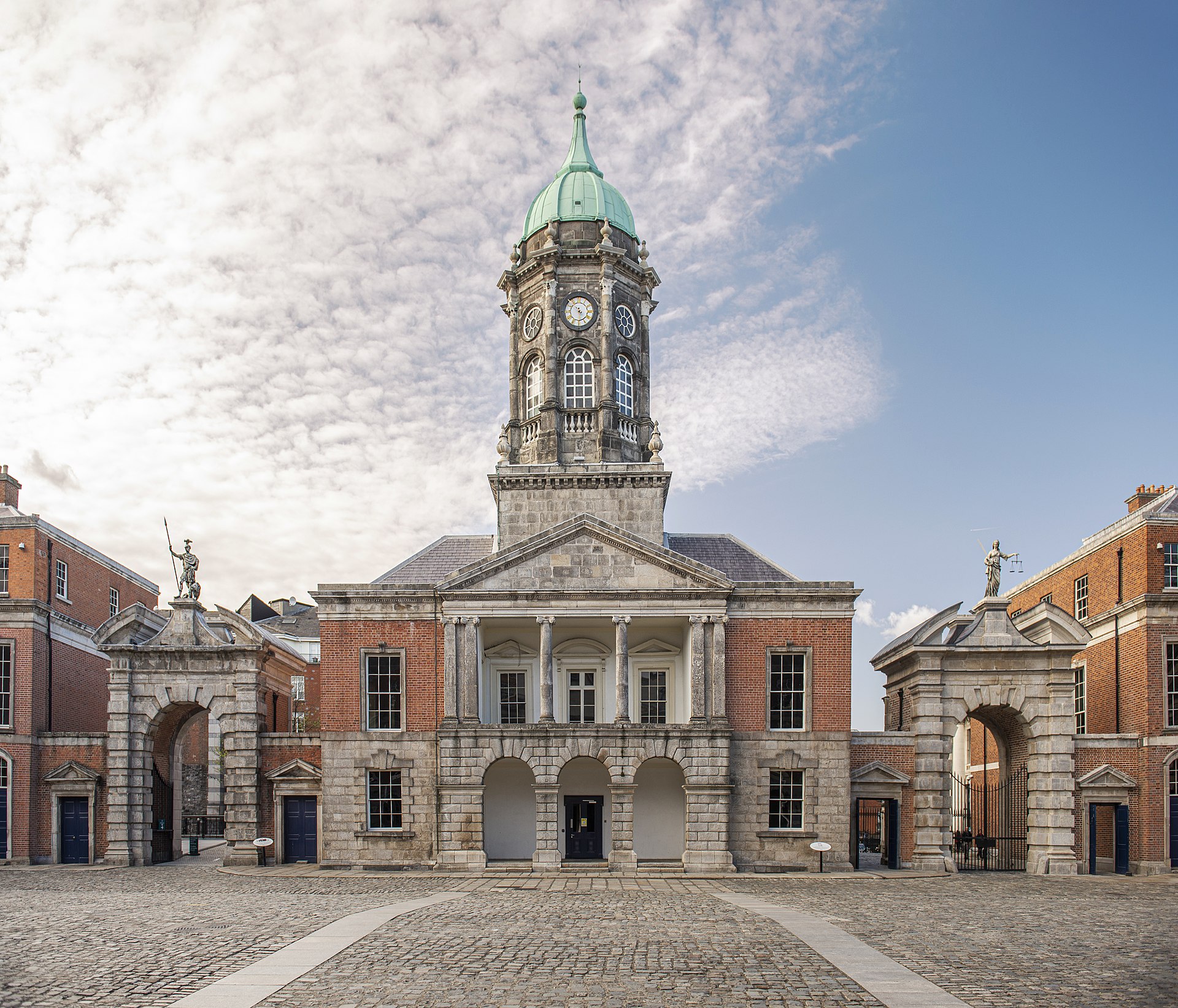
What happened?
ms.now's reporting carries Trump's fullest quotes directly: 'I'd love to see it unified,' 'I think it would be a fantastic thing,' and, when pressed on UK objections, 'How can it be bad?' — before landing on the inevitability framing: 'The way I look at it, it's going to happen eventually. It may as well happen now.' The Irish Times' on-the-ground reporting of the same weekend's Dublin march describes a crowd organizers put at 25,000, stretching over a kilometre from the Garden of Remembrance to the Dáil, with thirty political, campaign and trade-union groups — People Before Profit, Social Democrats, Labour, Sinn Féin and the Green Party among them — taking part; one protester's comparison captured the contrast with a prior US president's visit: 'when Obama visited in 2011, 50,000 gathered... to hear him' but 'the only people on the streets are here to oppose him' this time. The Journal's separate reporting adds a polling data point — 69% of those surveyed opposed the visit — and documents chants including 'Donald Trump you can't hide, you're committing genocide,' with People Before Profit's Richard Boyd Barrett linking his foreign policy to domestic energy costs: 'There are people this winter who will not be able to pay their gas and electricity bills because of the warmongering.'
Why did it happen?
ms.now's account gives no indication Trump's Irish reunification comments were scripted or coordinated with any US government position — they arrive as answers in a news-conference exchange, in the same rhetorical style ('how can it be bad?', 'it's going to happen eventually') Trump has used for other unsolicited territorial opinions. Kemi Badenoch's response makes the pattern explicit rather than treating the Irish remark as sui generis: she called it 'this sort of loose talk about the future of democratic countries,' explicitly invoking his prior comments about Canada and Greenland as the same category of statement. That framing suggests UK political reaction is responding to Trump's broader habit of freelancing on other countries' sovereignty questions, not to anything specific about Irish reunification policy. Uncertain rather than likely, because no source here reports Trump's own reasoning or intent beyond the quotes themselves — whether he intended to signal a genuine US policy shift, or simply enjoyed a friendly answer to a friendly host's question, is not something any cited report resolves.
Who benefits?
No source cited here reports the Irish government treating Trump's comments as a welcome development — quite the opposite: the spokesperson's statement, per ms.now, simply reaffirmed 'government policy remained unchanged,' committed to the Good Friday Agreement, which reads as containment rather than endorsement. The clearer beneficiary, if there is one, is the political current in Ireland that already favours reunification: an unsolicited statement of support from a US president, however casually made, is free rhetorical ammunition that costs Dublin's government nothing to receive but gives republican politics something to point to. Unionist parties, by contrast, gained nothing and had to spend political capital immediately pushing back. Uncertain, because 'benefit' here is symbolic and diffuse — no source quantifies any actual shift in Irish public opinion or political momentum resulting from the remark itself.
UncertainWho loses?
DUP leader Gavin Robinson's response, quoted directly by ms.now, is unambiguous about the position unionism was forced into: 'Northern Ireland's constitutional future will be decided by the people of Northern Ireland, not by commentary in London, Dublin or Washington,' and, more pointedly, 'As unionists we are not interested in the destruction of our country by joining with the Irish Republic' — language responding defensively to an unprompted remark, not advancing a position unionism chose to debate that week. Kemi Badenoch's and Rupert Lowe's reactions (the latter calling the comments 'unacceptable' and 'insulting') extend the same defensive posture into British Conservative and right-of-Conservative politics. The neutrality convention itself is a more diffuse loss: it existed specifically because the US helped negotiate a 1998 settlement that deliberately left Northern Ireland's status to its own people's consent, not outside powers' preference — a single presidential remark does not undo that architecture, but it is a data point against the convention holding as firmly as it did before 12 September 2026. Confirmed rather than likely, because the unionist and Conservative reactions are directly quoted, not inferred.
Domino Effect
The causal chain so far. Read the dates against each other — that is the whole argument.
That reading has real support: no government on either side changed any actual policy, Dublin explicitly reaffirmed the status quo, and Trump has made similarly casual territorial remarks about Canada and Greenland with no follow-through. On this view, the story is really about domestic UK and Northern Irish politics reacting loudly to words that carry no institutional weight. What would separate the two readings is whether the remark recurs — a one-off aside fits the 'friendly guest' theory; if Trump repeats or escalates the position in a more formal setting (a UN speech, a joint statement), that would support the reading that a genuine, if unplanned, shift in rhetoric has occurred.
Corrections & revisions
noneEvery change to this analysis since publication, with the reason. We append here — we don't rewrite. A number that changes silently is indistinguishable from never having been wrong.
RSS feed- No corrections yet. When we get something wrong, the fix is logged here rather than quietly applied.
Sources
3 sources
Every source behind the Trust Index above. Follow them — a trust score you can't check is decoration.
Nothing here stands alone. This story is one node in a wider web — every card is another thread you can pull.