The US Has Stopped Sanctioning ICC Judges. Now It Is Sanctioning the Court Itself.

A court your country probably belongs to may soon be unable to use a US bank, a US cloud or a single dollar.
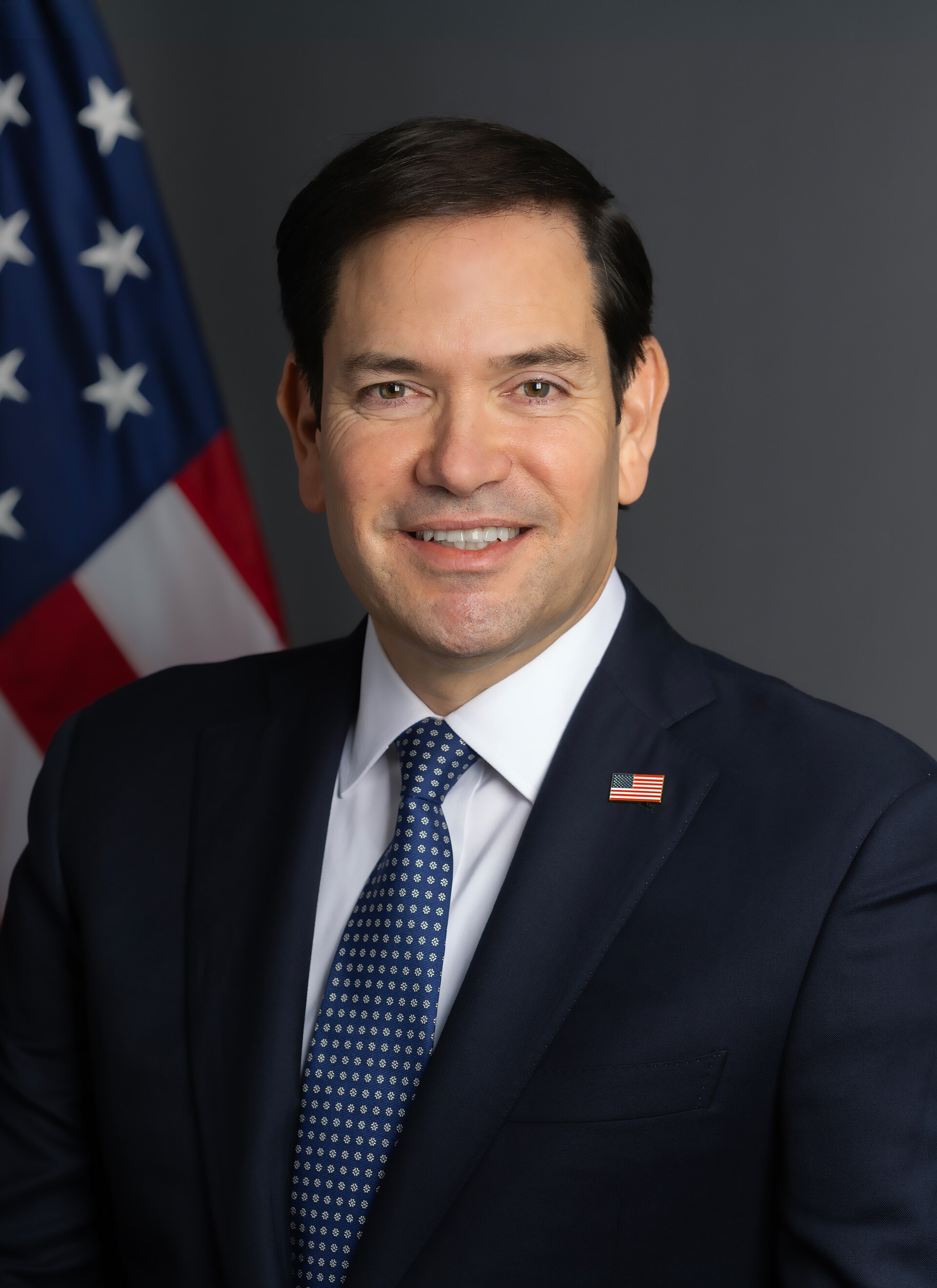
- On 9 October 2026, hours after former ICC judge Navi Pillay was named the Nobel Peace Prize winner, US Secretary of State Marco Rubio announced sanctions on the International Criminal Court as an institution, not just on its staff.
- The measures freeze ICC assets in the US and bar US companies from dealing with the court, which reaches its banks, insurers and software suppliers. Some measures are delayed six months, and four US licences still allow things like pensions and telecoms.
- Rubio said: 'Either the ICC will end its threats, or we will end the ICC', and asked allies to 'rein in the court'. The US had already sanctioned 17 ICC judges and officials.
- The EU called the sanctions 'deeply regrettable' and said threats against the court are 'not acceptable'. It could use its 'blocking statute', a law that forbids EU firms to obey US sanctions, but has not done so.
- The six-month delay is the real deadline: by about April 2027, US allies must either make a deal with Washington, protect the court with their own laws, or watch it lose its basic services.
What exactly changed?
Before, the US punished individual ICC judges and officials. Now it is punishing the whole court. US banks, insurers and tech companies will have to stop working with it.
Why now — and why on Nobel day?
The US is angry about ICC arrest warrants for Israeli leaders and an old probe of US soldiers. The sanctions came the same day a former ICC judge won the Nobel Peace Prize.

Can sanctions actually stop a court?
They can make it very hard to work. The court has been moving away from US software and banks for months to get ready. Its prosecutors say the cases will continue.
UncertainWhat will Europe do with the six months?
The EU says threats against the court are 'not acceptable', but it has not acted yet. Its strongest tool is a law that would forbid EU firms to obey the US sanctions.
What exactly changed?
The US had already sanctioned 17 ICC judges and officials in earlier rounds. On 9 October 2026 it targeted the court as an institution: Rubio said Washington 'will ban transactions with this rogue court'. The measures freeze ICC assets held in the US and give US companies and people six months to end their dealings with it (Euronews). Because US sanctions bar US firms from serving a sanctioned body, banking, insurance and software providers are in scope (Reuters). The US Treasury issued four general licences at the same time, for telecoms and software, pension payments, and transactions linked to ICC detainees. So this is 'confirmed' as a decision; how hard it bites depends on the six-month delay.
Why now — and why on Nobel day?
Washington's stated reasons are the ICC's arrest warrants for Israeli officials, including Prime Minister Benjamin Netanyahu, and its earlier investigation of US soldiers in Afghanistan, which the court says is now 'deprioritised'. Rubio said the US had held off in the hope that ICC member states would fix its concerns, and they had not. The timing is striking: Navi Pillay, a former ICC appeals judge, was named Nobel laureate the same morning, with the committee saying it wanted to remind the world that judges face political attack. Euronews reports the decision was taken earlier, so the timing may be a coincidence; Trump did call Pillay's prize 'disgraceful'. Netanyahu welcomed the sanctions. Pillay called them 'unheard of' and 'unacceptable'.
Can sanctions actually stop a court?
A court needs to pay salaries, rent, insurance and IT. US sanctions reach all of these, and non-US firms often stop serving a sanctioned client out of caution, even when the law does not force them to (Al Jazeera opinion). The ICC saw this coming: it has moved office systems from Microsoft to open-source tools and changed its banking and health-insurance arrangements (Reuters). Deputy Prosecutor Nazhat Shameem Khan said its 'investigations and prosecutions' will continue. The six-month delay covers some payments, salaries, insurance and rent. So the real test comes in about April 2027, not now. Two law scholars warn the court could 'die a slow institutional death'. That is a warning, not a forecast, so this is rated 'uncertain'.
UncertainWhat will Europe do with the six months?
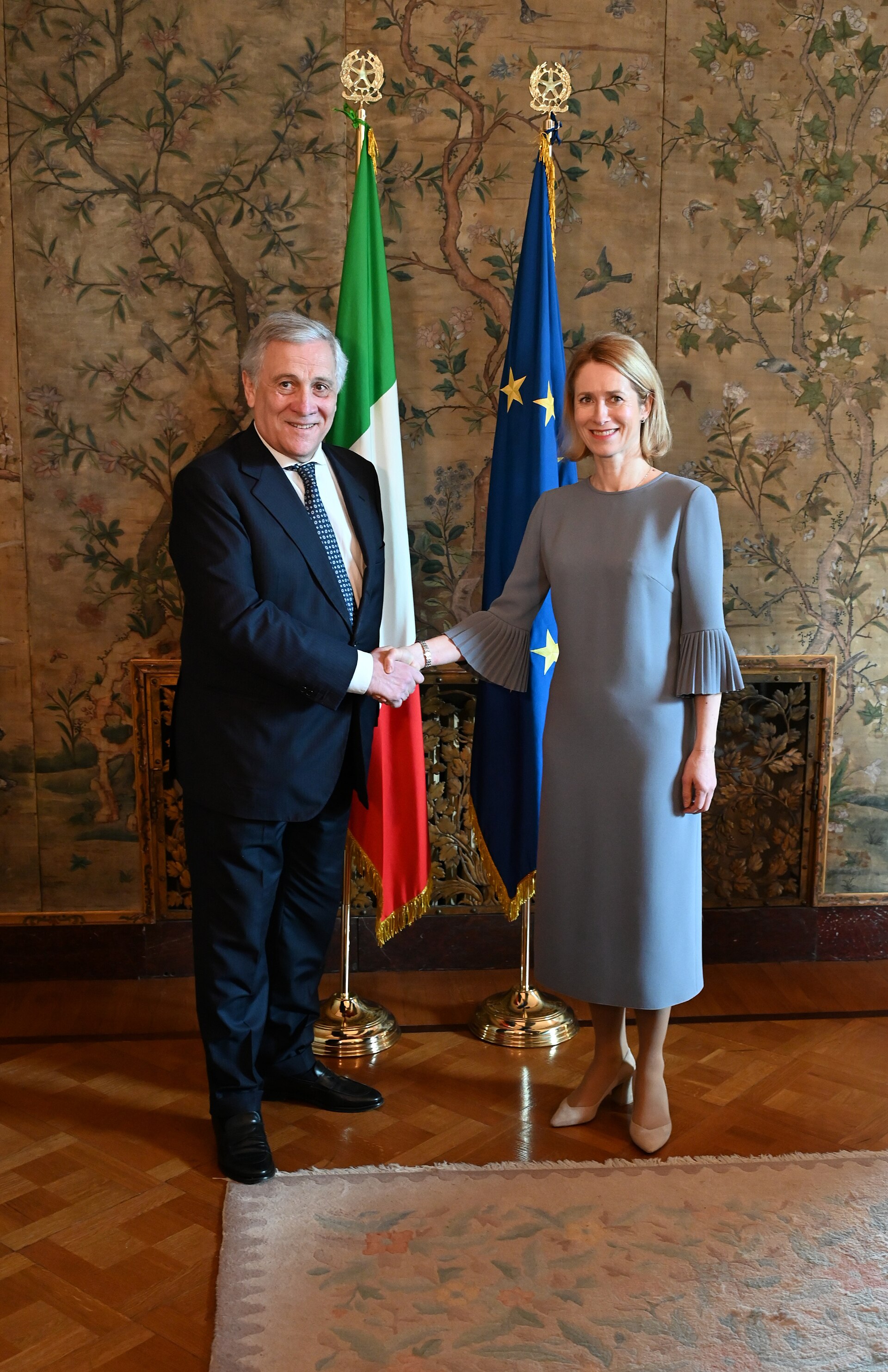
The European Commission called the sanctions 'deeply regrettable' and said the six-month delay leaves 'room for dialogue'. EU foreign policy chief Kaja Kallas said threats against the court 'are not acceptable'. The Dutch prime minister, Rob Jetten, said the Netherlands would 'do whatever we need to defend the ICC'. The UK, Canada, Germany, France, Italy, Japan and others said they 'regret and strongly disagree'. The strongest tool is the EU 'blocking statute', which would forbid EU firms to obey the US sanctions. The ICC's registrar has asked for it. Critics say Europe is holding back to avoid US tariffs, and that talks would put pressure on the court's Palestine investigation. Rubio has asked allies, many of whom rely on US troops, to 'rein in the court'. That is the choice the six months forces.
Domino Effect
The causal chain so far, dated from what the sources actually report. New dominoes append as they fall.
Rubio wrote that the sanctions are built so member states can negotiate a solution, and the Commission sees 'room for dialogue'. A deal, for example new limits on cases involving non-member states like the US and Israel, could stop the measures before they bite. Critics would call that the court giving up its independence. Supporters would call it the court surviving.
Corrections & revisions
noneEvery change to this analysis since publication, with the reason. We append here — we don't rewrite. A number that changes silently is indistinguishable from never having been wrong.
RSS feed- No corrections yet. When we get something wrong, the fix is logged here rather than quietly applied.
Sources
4 sources
Every source behind the Trust Index above. Follow them — a trust score you can't check is decoration.
Nothing here stands alone. This story is one node in a wider web — every card is another thread you can pull.