The US Just Cleared F-35s for Saudi Arabia. Israel Has Never Shared That Sky.
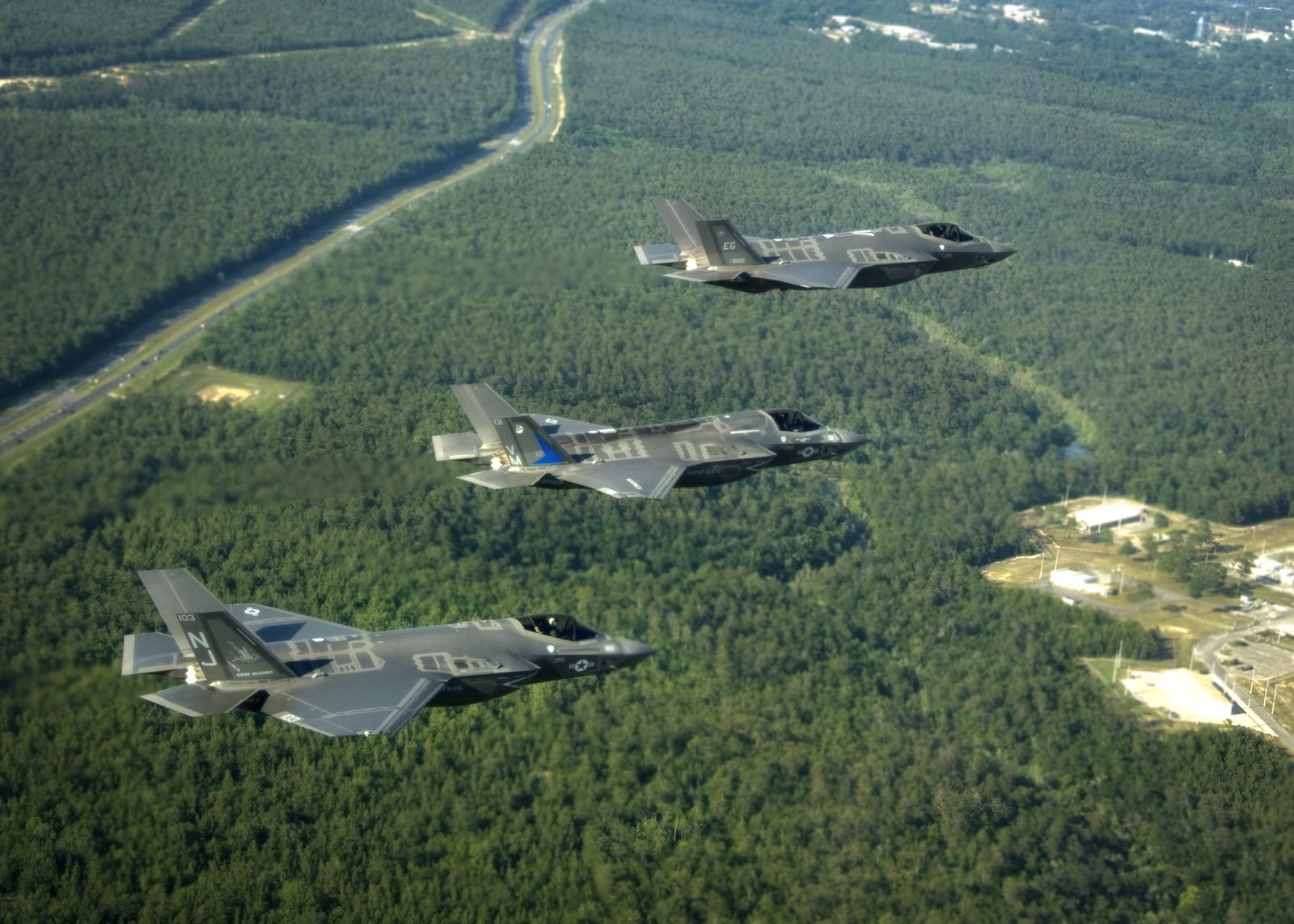
The fighter jet only Israel flew in the Middle East — about to get a second buyer.
- The State Department approved a potential $24.3 billion sale of up to 48 F-35 Lightning II jets plus 49 Pratt & Whitney engines to Saudi Arabia on 18 September 2026 — the first time the US has cleared the jet for a Gulf Arab state.
- Congress now has a standard 30-day review window in which it can move to block the sale; even if it clears, reporting says a US production backlog could delay actual delivery by years.
- The timing follows Trump's public announcement of the sale plan in November 2025 during Crown Prince Mohammed bin Salman's Washington visit, and lands days after Iran-backed Houthi forces attacked Saudi oil facilities and military bases and advanced along Red Sea coastal assets near the Bab el-Mandeb strait.
- Israeli officials — the only Middle East operator of the F-35 today — have voiced concern despite a parallel US push for Saudi-Israel normalization; the State Department counters the sale 'will not alter the military balance in the region,' citing the long-standing policy that Israel keep a military edge.
- US lawmakers including Rep. Raja Krishnamoorthi have raised a separate objection: that transferring F-35 technology to a state with growing ties to China risks Beijing eventually gaining access to it, a concern intelligence officials have 'frequently warned' about.
What happened?
The US cleared Saudi Arabia to buy up to 48 F-35s for $24.3 billion — something it has never allowed a Gulf Arab state to do before. Congress can still block it.
ConfirmedWhy now?
Trump promised this to the crown prince in person almost a year ago. It's landing now partly because Houthi attacks on Saudi oil and a key strait just gave it new urgency.
Who is objecting, and on what grounds?
Two separate objections, from two separate directions: Israel worries about losing its edge, and some in Congress worry the jet's secrets could leak to China through Saudi Arabia.
Who benefits?
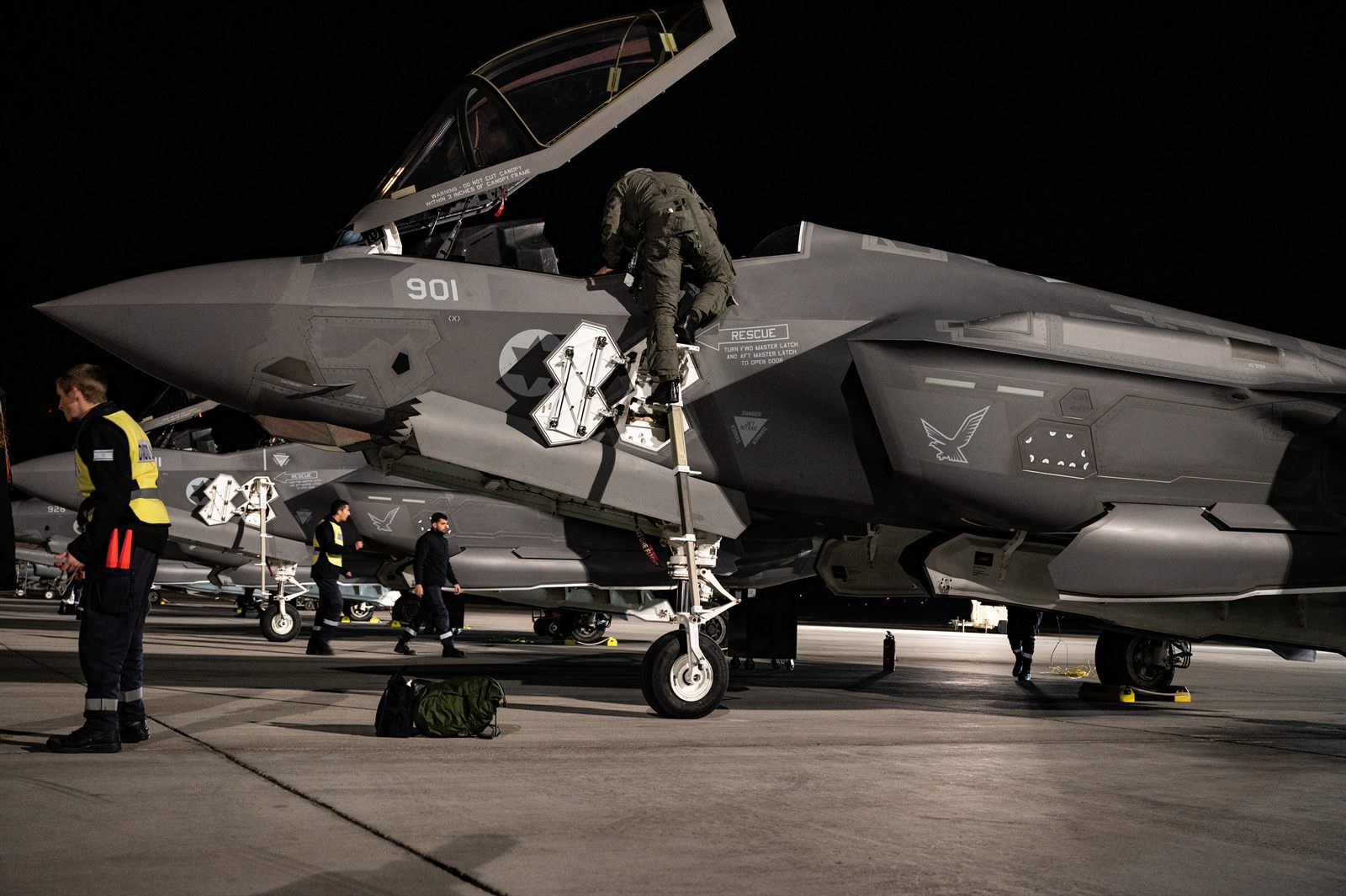
Lockheed Martin and its suppliers get a huge new order. Saudi Arabia gets the modernization symbol it has wanted for years, tied to its own economic reform plans.
LikelyDoes this actually end Israel's regional edge?
The paperwork doesn't. Delivery is years away, Congress can still object, and the US insists the balance holds. Whether it holds in practice is a real, open argument.
What happened?
The State Department formally approved a potential Foreign Military Sale of up to 48 F-35 Lightning II aircraft, 49 Pratt & Whitney F135 engines, and associated communications equipment, spare parts and support items to Saudi Arabia, announced 18 September 2026 and valued at $24.3 billion. Under standard arms-sale procedure this triggers a 30-day congressional review window, during which lawmakers can move to block the transaction. Even assuming approval clears that window, reporting notes a US production backlog that could delay actual delivery by years. Saudi Arabia has sought F-35s for years; until now, the US had only approved sales to its closest allies — a group that includes several European NATO members and Israel, but no Gulf Arab state. Turkey was formally excluded from the F-35 program in 2019 over separate security concerns (its purchase of the Russian S-400 system).
ConfirmedWhy now?
Trump publicly floated the sale in November 2025 during Mohammed bin Salman's Washington visit, so the September 2026 approval is the formal conclusion of a nearly year-long process rather than a sudden decision. The immediate trigger for finalizing it now appears tied to security conditions on the ground: Iran-backed Houthi forces attacked Saudi oil facilities and military bases in the days before the announcement and made, per a senior Yemeni military source, 'rapid advancement on coastal assets along the Red Sea that are key to shipping' — territory bearing on the Bab el-Mandeb strait, a second global oil chokepoint alongside Hormuz. The Saudi-Houthi conflict had already 'flared up again in July' with drone and missile strikes on oil operations. Reporting also links the timing to concern that Iranian pressure on both Hormuz and Bab el-Mandeb could push oil prices up ahead of November's US midterm elections — a political incentive, on the American side, to visibly reinforce Saudi Arabia's own defenses rather than only its own strategic reserves.
Who is objecting, and on what grounds?
Israeli officials — currently the region's only F-35 operator — have voiced concern about the sale despite a parallel US push for Saudi-Israel normalization; one Israeli security source told CNN 'the severity is not exaggerated. It is not good (for Israel).' Documents reviewed by Stars and Stripes warned the acquisition could 'diminish Israel's air superiority in the region.' The State Department's counter is explicit: the sale 'will not alter the military balance in the region,' invoking the 'longstanding US policy that Israel must have a military edge over potential regional adversaries' — a formal doctrine, not an improvised reassurance. Separately, Rep. Raja Krishnamoorthi, the top Democrat on the House Intelligence Committee, raised a China angle: 'Beijing has spent decades stealing American intellectual property and technology to close the gap with the United States, and we must not help them do it.' A New York Times report cited by Breaking Defense says intelligence assessments warn the sale 'could give Beijing access to the jet's highly sensitive technology' — a concern rooted in Saudi Arabia's growing ties with China, not in anything Riyadh has been accused of doing yet.
Who benefits?
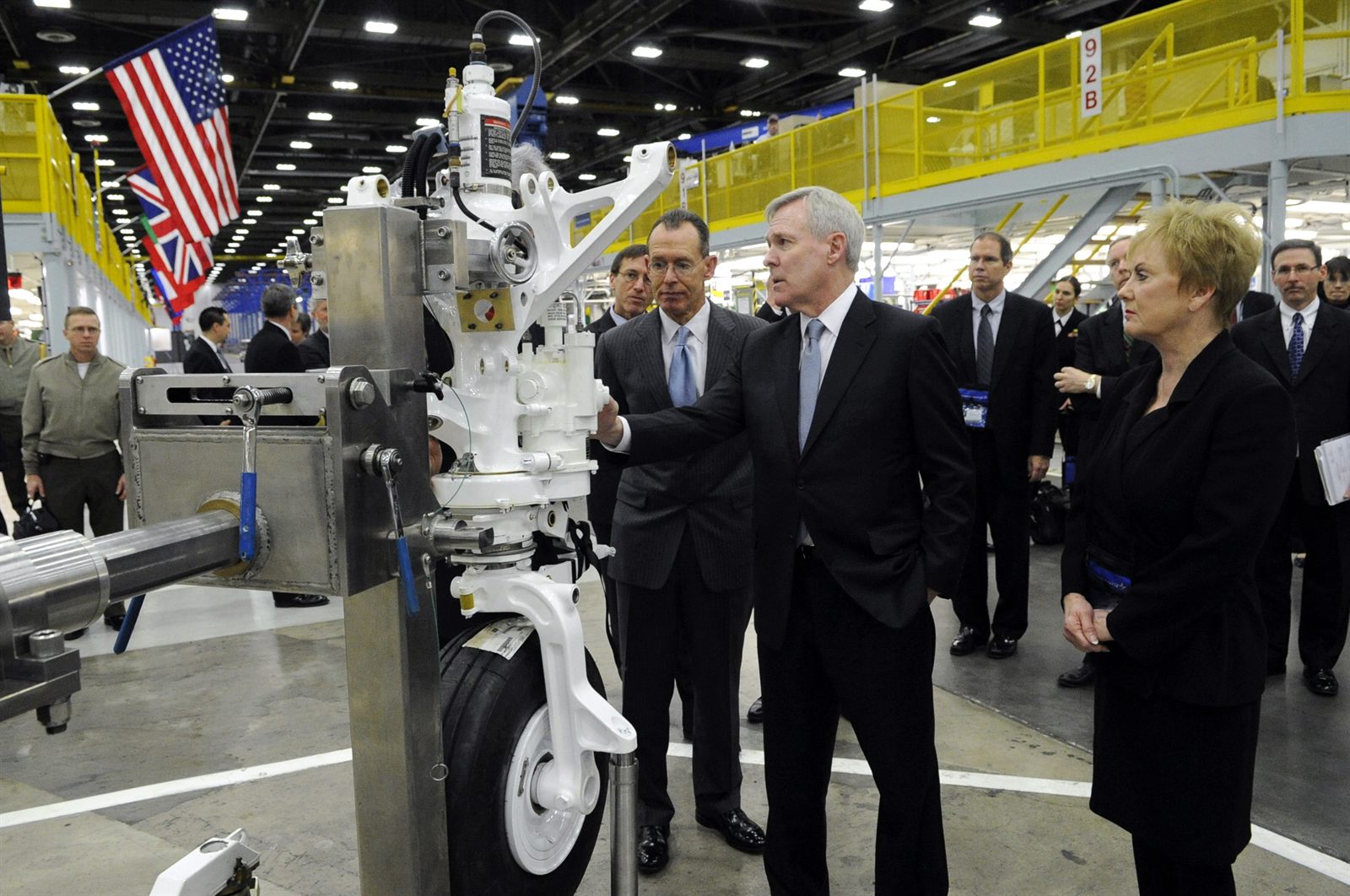
Lockheed Martin's own statement frames the deal as reflecting a 'shared commitment to enduring security, stability, and long-term cooperation,' with capabilities that 'directly support' Saudi Vision 2030 — the kingdom's economic-diversification program — and says it is ready for 'continued collaboration as the U.S. Congressional review process advances.' A $24.3 billion order, plus 49 Pratt & Whitney engines, is a substantial multi-year revenue commitment for the F-35 program's US supply chain regardless of exactly when jets are delivered. For Saudi Arabia, F-35 access has been a long-sought marker of being treated as a first-tier US security partner rather than a customer for less advanced export variants — the UAE has 'similarly expressed interest' in the jet per Breaking Defense, underlining how scarce this tier of access has been in the region until now.
LikelyDoes this actually end Israel's regional edge?
The reassuring reading: the State Department's 'will not alter the military balance' language is a formal invocation of the decades-old Qualitative Military Edge doctrine, not a one-off talking point, and a production backlog reportedly pushing real delivery years out gives both the US and Israel time to calibrate software, munitions and training restrictions the way prior sales to non-Israeli allies have used to preserve a gap even among F-35 operators. The skeptical reading: 'will not alter the military balance' is exactly what the US said before every prior regional arms sale that Israel subsequently treated as an erosion worth lobbying against, and an Israeli security source calling the situation 'not good' is a live objection, not a resolved one — documents reviewed by Stars and Stripes explicitly warn about diminished air superiority, which is a harder claim than diplomatic hedging. Whether a congressional review clears, what conditions get attached, and how the China technology-transfer question is resolved are all still open. We are not going to claim either side has already won this argument.
Domino Effect
The causal chain so far, dated from what the sources actually report. New dominoes append as they fall.
The sale would likely still have gone forward on roughly the same timeline — it had been publicly promised since November 2025 and was already moving through the standard approval process. What the Houthi campaign changes is the frame: without it, this reads as a long-planned normalization of Saudi Arabia's status as a top-tier US defense partner. With it, the sale reads as a direct response to a live threat against Saudi oil infrastructure and a second global shipping chokepoint, which is a much easier case for the administration to make publicly than 'we have been meaning to do this for a year.' This is our reading of how the timing shapes the sale's public justification, not a claim any source makes explicitly.
Corrections & revisions
noneEvery change to this analysis since publication, with the reason. We append here — we don't rewrite. A number that changes silently is indistinguishable from never having been wrong.
RSS feed- No corrections yet. When we get something wrong, the fix is logged here rather than quietly applied.
Sources
5 sources
Every source behind the Trust Index above. Follow them — a trust score you can't check is decoration.
- Trump administration approves $24bn sale of F-35 jets to Saudi Arabia despite intelligence concerns
- Trump administration okays sale of F-35s to Saudi Arabia as part of $24.3B military package
- Trump administration advances $24 billion F-35 sale to Saudi Arabia
- US approves potential $24 billion sale of F-35 jets to Saudi Arabia
- US clears $24B F-35 sale for Saudi Arabia
Notice what isn't in dispute here: nobody involved, including the State Department, is arguing the sale is militarily meaningless. The entire debate is about whether the specific safeguards — export configuration, software restrictions, a multi-year delivery backlog — are enough to preserve a gap everyone agrees currently exists. That's a narrower and more honest argument than 'balance of power' rhetoric usually allows, and it's worth noticing precisely because it could easily have been dressed up as bigger or smaller than it is. The China angle is the more interesting long-run risk, if only because it's the one nobody in this story has an incentive to downplay in public: Israel wants to sound cautious rather than obstructive, and the administration wants the sale to close. A congressman with no vote to win in either Jerusalem or Riyadh is the one source in this whole story with nothing to gain from either shading the risk up or down.
— the founderNothing here stands alone. This story is one node in a wider web — every card is another thread you can pull.