The US Seized a President, Put Him on Trial in Manhattan, and Started Collecting His Oil Money
A US president captured a sitting head of state by force — and every government on earth just watched it work.
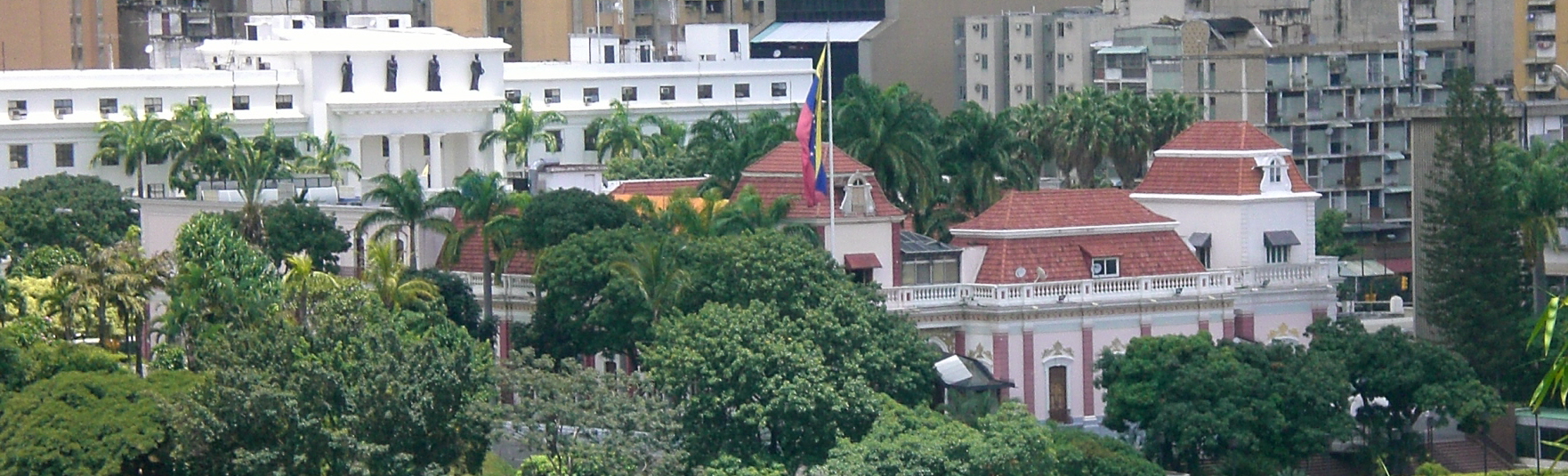
- On 3 January 2026, US special forces raided Nicolás Maduro's compound in Caracas in a 30-minute operation, captured him and his wife Cilia Flores, and flew them to New York, where they were arraigned two days later on narco-terrorism and cocaine-trafficking charges.
- Vice President Delcy Rodríguez was sworn in as acting president within hours, initially condemning the capture as "kidnapping" before pivoting to seeking US cooperation.
- Sanctions eased, oil licenses expanded, and Washington has collected more than $13 billion in Venezuelan oil proceeds with no confirmed financial oversight of the process — Venezuela holds roughly 17% of the world's proven oil reserves.
- The UN Secretary-General called the raid a "dangerous precedent," Russia and China called it armed aggression, and Colombia, Brazil and Mexico all formally protested.
- Seven months on, no trial date has been set and Maduro remains in pretrial detention in Brooklyn insisting "I am still president of my country," even as ExxonMobil's own CEO called Venezuela "uninvestable" within a week of the raid.
What happened?
On 3 January 2026, US special forces raided Nicolás Maduro's compound in Caracas, captured him and his wife Cilia Flores, and flew them to New York, where they were arraigned two days later on narco-terrorism and cocaine-trafficking charges. Vice President Delcy Rodríguez was sworn in as acting president. Seven months on, no trial date has been set, and Maduro remains in pretrial detention in Brooklyn insisting 'I am still president of my country.'
Why did it happen?
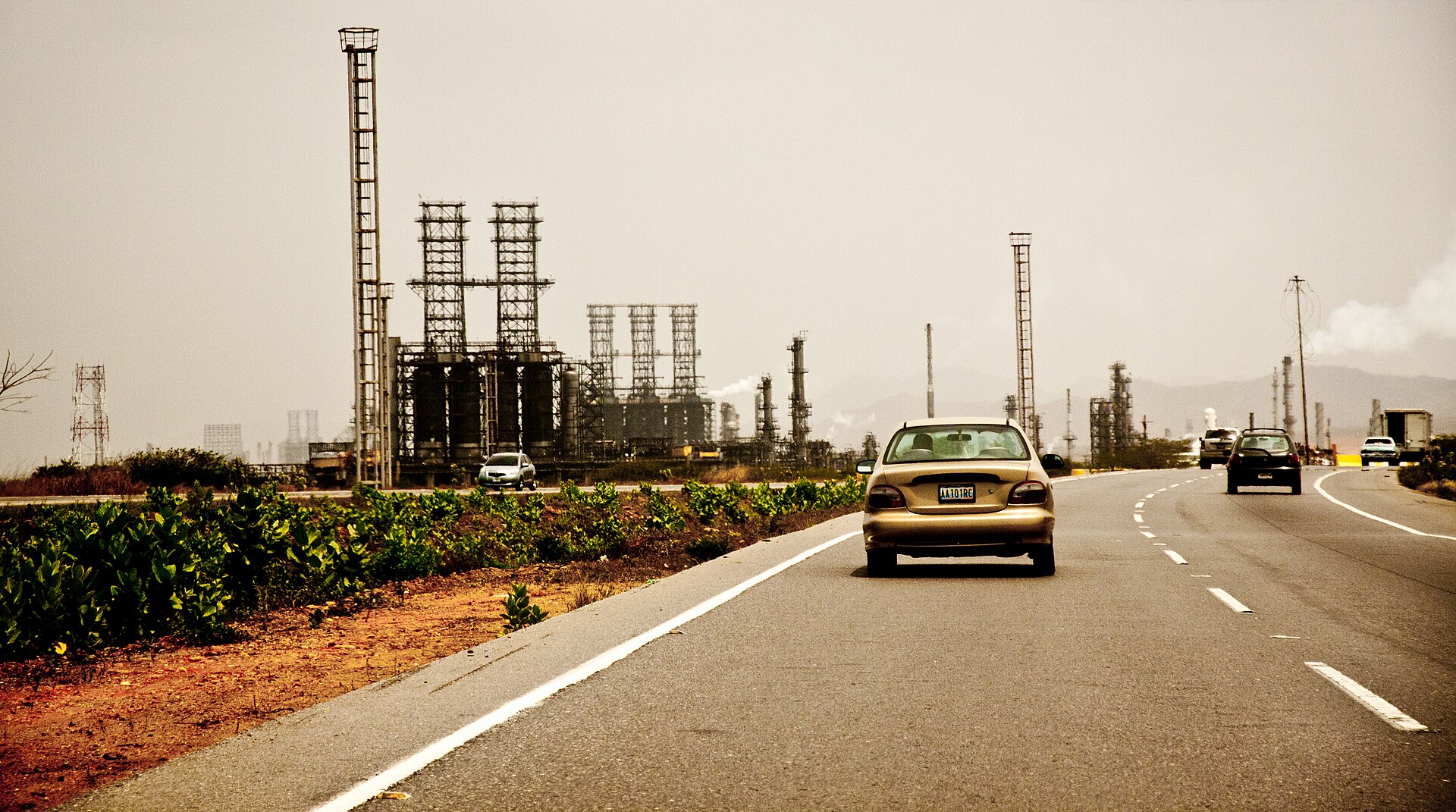
Officially, this was a law-enforcement operation against a head of state the US had already indicted as a drug trafficker. But the speed of the follow-up — sanctions relief, expanded oil licenses, a $300 million payment collected within three weeks, a privatization law within a month — points to Venezuela's oil as at least as large a driver as the cartel case. Venezuela holds the largest proven oil reserves in the world, and the licensing regime built under Maduro's own sanctions relief is now being run from Washington.
Who benefits?
US oil interests gain a newly opened, sanctions-light Venezuela sitting on the world's largest reserves — though ExxonMobil's own CEO called the country 'uninvestable' within a week of the raid. Delcy Rodríguez's government keeps power by cooperating rather than resisting. Opposition leader María Corina Machado gets the outcome she spent years pushing Washington toward. And the Trump administration gets a visible, fast, forceful win against a government it had targeted for years.
UncertainWho loses?
The UN Charter's use-of-force rule, which every government that condemned the raid says was broken. Russia and China lose a client state's independence from Washington in one operation. Colombia, Brazil and Mexico all formally protested a precedent they fear could someday point at them. And inside Venezuela, a government that never faced a domestic vote on any of this now governs at Washington's direction.
ConfirmedWhat happened?
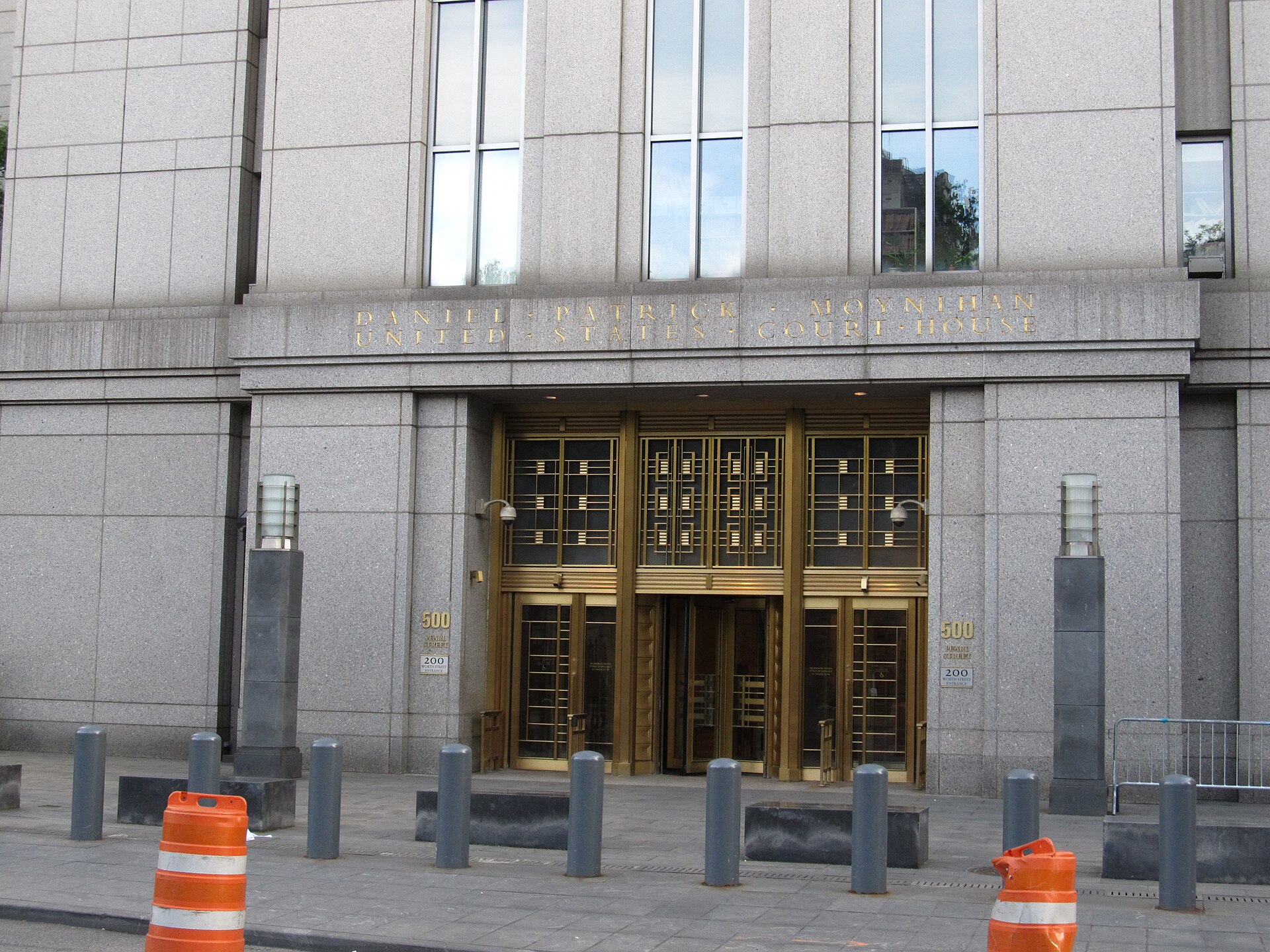
President Trump authorized the operation, later named Operation Absolute Resolve, at 23:46 Venezuelan time on 2 January 2026; roughly 150 US Navy, Air Force and Marine Corps aircraft suppressed Venezuelan air defenses starting around 02:00 on 3 January, while Delta Force and FBI personnel conducted the ground capture at Maduro's compound. Maduro and Flores were transported to the USS Iwo Jima and then to Manhattan federal court, where they pleaded not guilty on 5 January before US District Judge Alvin Hellerstein to narco-terrorism conspiracy, cocaine importation conspiracy and weapons possession — charges alleging Maduro ran the 'Cartel of the Suns' drug-trafficking operation from within the Venezuelan state. The administration did not notify Congress in advance, citing mission security, and characterized the raid as 'a law-enforcement action with military support' under the president's 'inherent constitutional authority.' Casualty counts vary by source: Wikipedia's tracking cites 23–47 Venezuelan military personnel killed, 32 Cuban military and intelligence personnel killed (per Cuba's own government), two civilians killed and seven US soldiers injured. Delcy Rodríguez, Maduro's vice president, was sworn in as acting president within hours; she initially called the capture 'kidnapping' but has since sought 'peace and peaceful coexistence' with Washington. As of the last reported hearing, 22 July 2026, Judge Hellerstein had not set a trial date, and Maduro continues to object to the legality of the operation itself from the stand.
Why did it happen?
The administration's public justification rests on a 2020 federal indictment naming Maduro as the head of the 'Cartel of the Suns,' which US prosecutors describe as using state institutions to move cocaine into America. That indictment predates the raid by six years, which is itself evidence the legal case was ready to be activated rather than freshly built. What changed was the willingness to enforce it by force: within 20 days of the capture, Washington had negotiated a 50-million-barrel oil supply deal and collected a first $300 million payment; within a month, a new privatization law gave private companies direct control of Venezuelan oil production; within six weeks, more than $13 billion in oil proceeds had moved with no financial oversight body confirmed. Chevron's roughly 220,000 barrel-a-day production, licensed under the Biden administration's Barbados Accord framework, had already been generating Maduro's government an estimated $3.2 billion a year — CSIS's own analysis argues that continuing to license Venezuelan oil mainly enriched the regime it was meant to pressure, one of the arguments used publicly to justify escalation beyond sanctions. Likely, not confirmed, because the administration has not itself stated oil access as a war aim, and the drug-trafficking case is real and predates any of this — the two motives are not mutually exclusive, and the reporting available cannot cleanly separate law enforcement from resource access as the operative cause.
Who benefits?
The oil upside is real but contested even among the companies positioned to capture it: Chevron CEO Mike Wirth's team stayed engaged, but ExxonMobil CEO Darren Woods told the administration in a 9 January meeting that Venezuela remained 'uninvestable' given the legal uncertainty — Trump responded by saying he was 'inclined' to exclude ExxonMobil from future licensing, accusing the company of 'playing too cute.' That exchange suggests the winners are not simply 'US oil majors' as a bloc but whichever companies accept the risk and the terms Washington is now setting directly, a change from the arm's-length OFAC licensing regime that preceded the raid. Delcy Rodríguez's government has the most immediate stake: having been a DEA 'priority target' since 2022 by the Associated Press's own reporting, her pivot from calling the capture 'kidnapping' to seeking 'peaceful coexistence' reads as the position of someone whose government's survival now depends on Washington's continued cooperation rather than its opposition. María Corina Machado, the opposition leader who spent years building the political case against Maduro, publicly praised the operation as delivering Venezuela's 'freedom.' Uncertain, because which of these beneficiaries ends up actually better off depends on questions still unresolved seven months in — whether Rodríguez's government survives as more than what The New York Times has already called a 'de facto puppet state,' and whether the oil licensing regime stabilizes enough for companies like ExxonMobil to re-enter.
UncertainWho loses?
The clearest, least contested loss is to the legal norm itself: UN Secretary-General António Guterres called the operation a 'dangerous precedent' and said he remained 'deeply alarmed' that rules of international law had not been respected; Russia called the strikes 'an act of armed aggression'; China said it was 'deeply shocked' and that the US had 'recklessly' used force against a sovereign state 'seriously' violating its sovereignty. Colombia, convening the UN Security Council alongside Venezuela, rejected what it called 'the aggression against the sovereignty of Venezuela and of Latin America'; Brazil called it 'a very serious affront to sovereignty and an extremely dangerous precedent'; Mexico said it 'strongly condemns and rejects' the strikes as a breach of the UN Charter. Even the EU's Kaja Kallas, while acknowledging Maduro's government 'lacks legitimacy,' called for restraint and adherence to international law rather than endorsing the method. None of this produced a binding Security Council response — the US holds a veto there — so the condemnation is real but has cost the operation nothing concretely. Inside Venezuela, the population has had no vote on any part of this sequence: not the capture, not Rodríguez's succession, not the oil-licensing terms now being renegotiated from Washington. Confirmed, because the reactions above are each on the record from the states and officials themselves, not inferred — the disagreement in this file is about interpretation and consequence, not about what was said.
ConfirmedDomino Effect
The causal chain so far. Read the dates against each other — that is the whole argument.
The 2020 indictment is real and long-standing, which is the strongest version of that reading: Washington did not invent a legal case to justify a resource grab, it activated one that already existed. What the timeline makes harder to accept is the pace of the oil developments specifically — a supply deal within 17 days, a privatization law within 26, over $13bn moved within six weeks with no confirmed oversight body. A pure law-enforcement operation does not require a new production-licensing structure at all, let alone one built out inside a month. The more defensible middle position is that the legal case supplied the justification while the oil access supplied the urgency — which is also why 'why did it happen' above is scored likely, not confirmed.
Corrections & revisions
2Every change to this analysis since publication, with the reason. We append here — we don't rewrite. A number that changes silently is indistinguishable from never having been wrong.
RSS feed-
REVISITAdded a domino step for the 28 Aug-2 Sep NABEP oil deal (65bn barrels, 100-year concessions, Pentagon/State Dept stakes), one citation, and moved exxon-relicensed, with a dated note. exxon-relicensed: 30% (open) → exxon-relicensed: 55% (open)revisit.js's week-2 practice caught this analysis for a look given real, materially relevant news: Trump announced a major new oil deal and publicly reversed his January position on Exxon in the same breath, which bears directly on the open exxon-relicensed estimate.
-
REVISITRewrote the "why this matters to you" hook. a US president can now point to a captured foreign head of state on trial in a Manhattan courtroom, and every government watching has to decide whether that is law enforcement or a template → A US president captured a sitting head of state by force — and every government on earth just watched it work.Operator decision, 2026-08-19: whyItMatters.outcome is now the page's primary hook and every analysis was rewritten to a single short, concrete, human-stakes sentence (docs/EDITORIAL.md, Permanent standards #4) — replacing several that had grown into full paragraphs or abstract policy-thesis phrasing.
Sources
6 sources
Every source behind the Trust Index above. Follow them — a trust score you can't check is decoration.
- 2026 United States intervention in Venezuela
- Ousted Venezuelan President Maduro arraigned in U.S. court; Trump threatens other nations
- Venezuela's Nicolás Maduro back to court for pretrial hearing in his U.S. drug trafficking case
- Ending Maduro's Oil Lifeline: Reviewing Oil Licenses Granted Under the Barbados Accord
- International reactions to the 2026 United States intervention in Venezuela
- Chevron is expanding in Venezuela as Trump pushes U.S. oil giants back in
Nothing here stands alone. This story is one node in a wider web — every card is another thread you can pull.