India Told the World's Top Water Court No. It Kept Building the Dam Anyway.
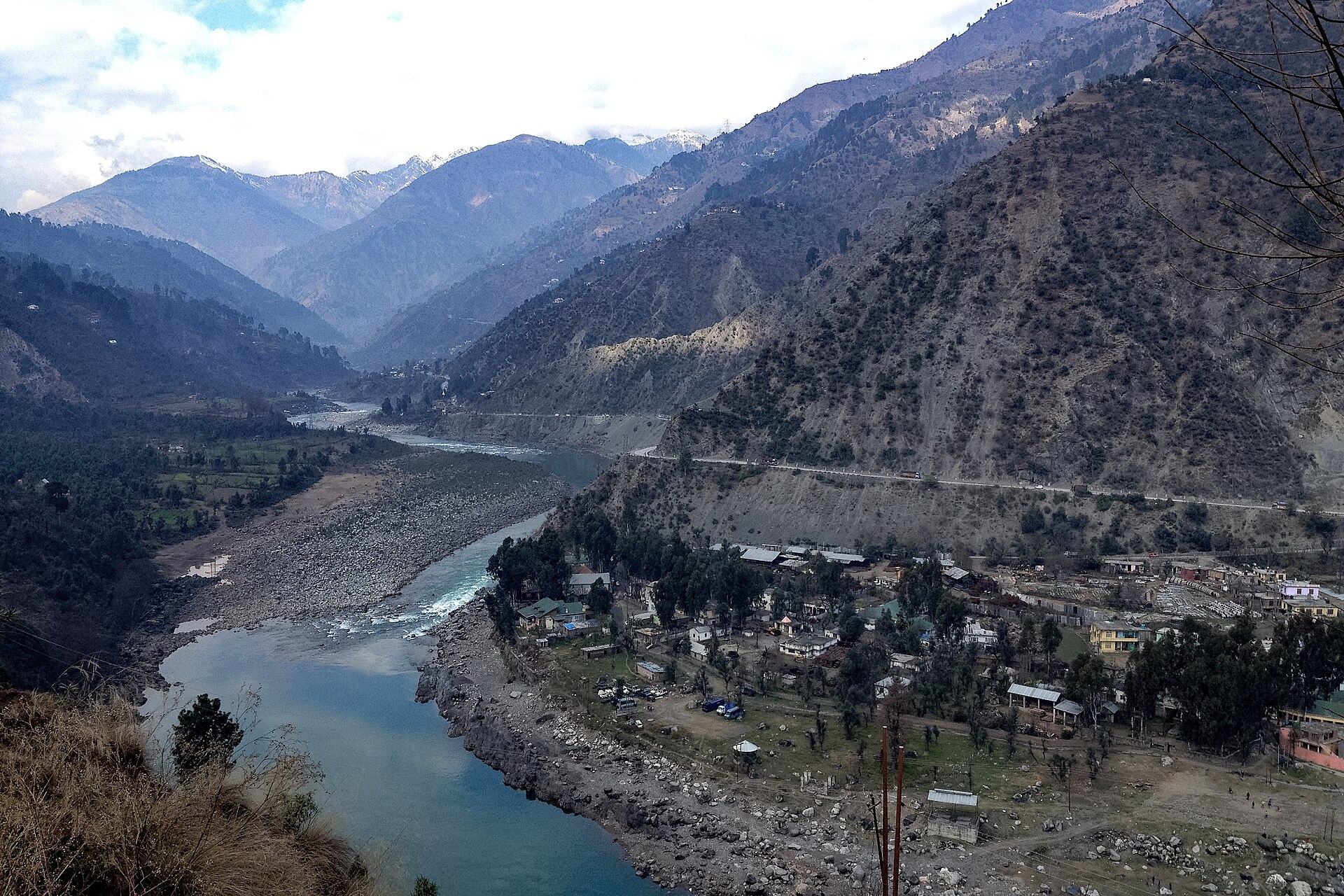
The court that two nuclear-armed neighbours were supposed to trust with their water just ruled — and the country it ruled against said the court doesn't legally exist.
- India put the 65-year-old Indus Waters Treaty "in abeyance" in April 2025 after an attack on tourists in Indian-administered Kashmir killed 26 people, blaming Pakistan-based militants — the first time either country had suspended the treaty since it was signed.
- Pakistan took the dispute to the Permanent Court of Arbitration in The Hague; India refused to recognise the court and boycotted every hearing.
- On 1 September 2026, the court ruled unanimously that the treaty "remains fully in force," rejected every ground India gave for suspending it, and ordered India to pause construction above a certain height on its Ratle hydropower project on the Chenab River pending a technical review due by July 2027.
- India rejected the ruling outright within hours, calling the court "illegally constituted" and declaring its own abeyance decision stands regardless of what The Hague says.
- Roughly 240 million Pakistanis depend on the Indus basin for irrigation, and the ruling has no enforcement mechanism — so nothing about the water itself has changed, even as the treaty that survived three India-Pakistan wars now has one side publicly refusing to be bound by it.
What happened?
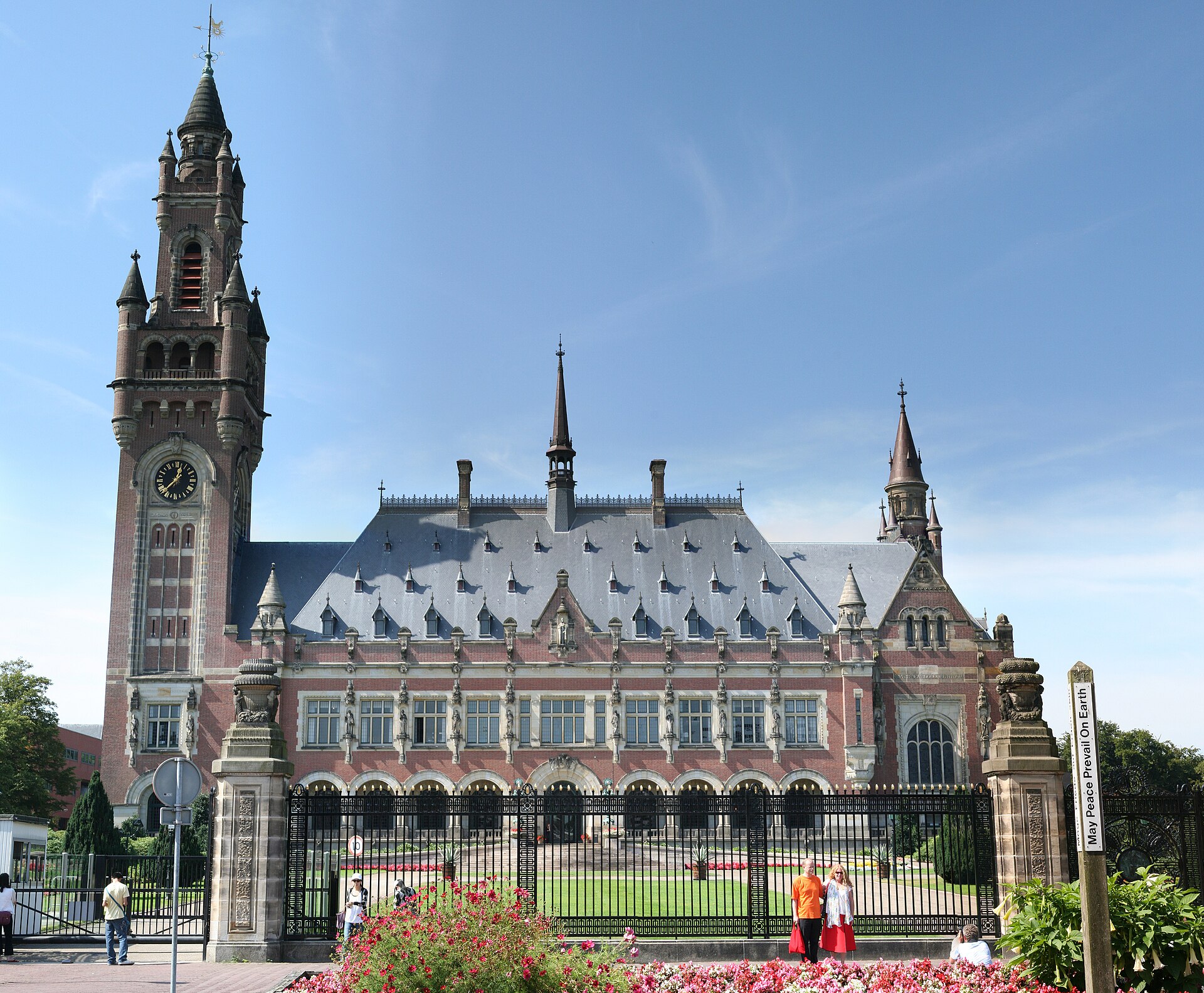
On 1 September 2026, the Permanent Court of Arbitration in The Hague ruled unanimously that the Indus Waters Treaty between India and Pakistan 'remains fully in force' and that India 'must observe its obligations' under it. The court rejected every ground India had given for suspending the treaty in April 2025, and it ordered India to pause construction above a certain height on its Ratle hydroelectric project on the Chenab River until a World Bank-appointed neutral expert rules — by July 2027 — on whether the project's design complies with the treaty. India did not take part in any hearing that led to the ruling and rejected the outcome within hours, calling the court illegitimate.
Why did it happen?
India suspended the treaty as retaliation after the April 2025 Kashmir attack, arguing Pakistan's alleged support for the militants behind it broke the trust the treaty depends on. Pakistan denies any role in the attack and took the dispute to the only forum the treaty itself provides for disagreements — arbitration. India's deeper objection is that it never accepted this particular court had jurisdiction over the dispute in the first place, arguing the World Bank set it up in a way that breached the treaty's own procedure — so, by India's account, refusing to show up wasn't ignoring the treaty, it was refusing an illegitimate process.
Who benefits?
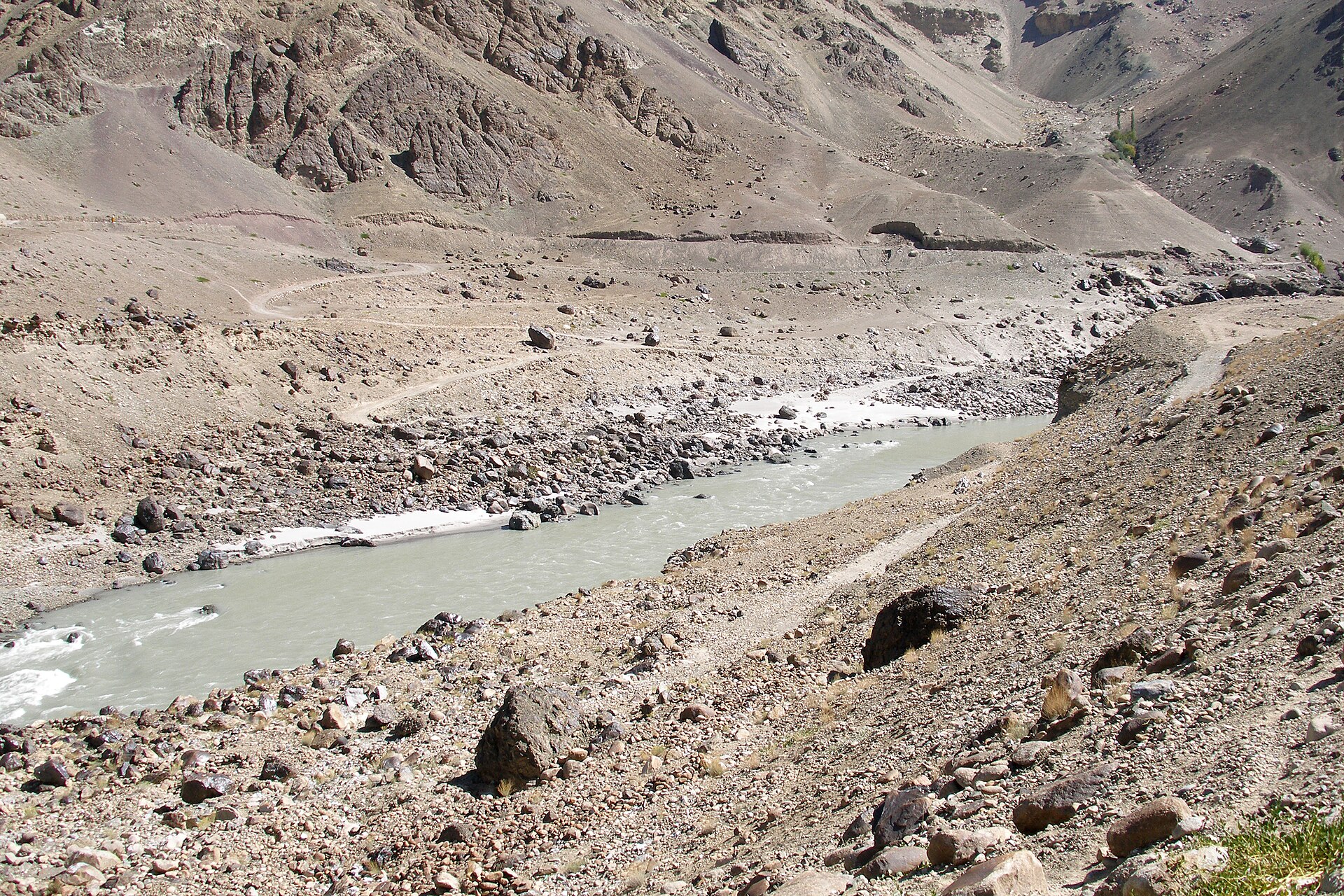
Pakistan gains a real, if largely symbolic, legal win: an international tribunal has now formally rejected every argument India used to suspend the treaty, and ordered a construction pause on a specific Indian dam project. That gives Islamabad a documented ruling to point to in every future diplomatic and legal forum. India arguably gains something too, in the near term: by refusing to recognise the court, it avoids being bound by any ruling while continuing to build Ratle largely as planned, and it keeps 'abeyance' as active leverage over Pakistan rather than conceding the treaty is untouchable.
Who loses?
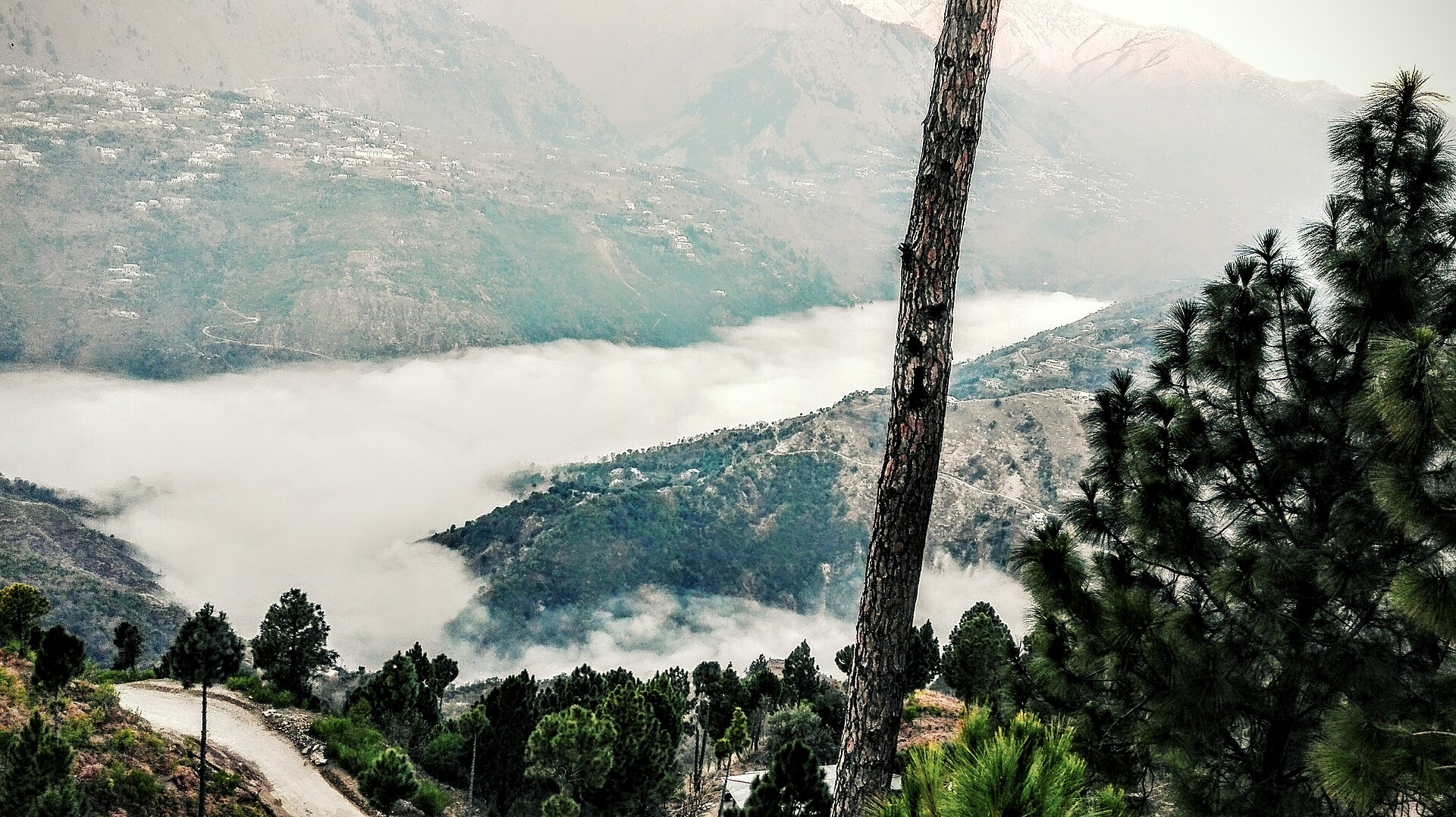
The clearest loser, if the standoff continues, is the 65-year-old treaty itself — its authority now rests on both sides agreeing it binds them, and one side has said in public that it does not. More concretely, Pakistan's roughly 240 million people who depend on the Indus basin for irrigation remain exposed to whatever India does next with upstream projects, since a court order with no enforcement mechanism has not actually changed India's construction plans. And the wider idea that international arbitration can settle disputes between nuclear-armed neighbours takes a direct hit every time a major power simply declines to show up.
ConfirmedWhat happened?
The five-member tribunal's decision closed a case Pakistan filed with the Permanent Court of Arbitration in March 2026, after India placed the treaty 'in abeyance' the previous April. Hearings ran 26-28 April 2026 in The Hague; Pakistan's delegation of roughly ten officials made its case, and India sent no one. JURIST's legal summary of the ruling notes three specific findings: the treaty is legally binding and remains so; neither party may unilaterally suspend or terminate it; and India's 'abeyance' declaration therefore has no legal effect. On Ratle specifically, the court ordered India to pause construction above a defined threshold, notify the court, Pakistan and the neutral expert of any schedule changes, and observe that its right to use the western rivers for hydropower is 'strictly limited' by the treaty's own design rules — the same rules Pakistan first challenged Ratle and the Kishanganga project under, in arbitration proceedings dating back to 2016. Al Jazeera reports the ruling gives Pakistan a legal win with limited teeth: there is no UN Security Council-style enforcement mechanism behind it, so Pakistan's recourse if India ignores the order is diplomatic pressure, not compulsion. India's Ministry of External Affairs responded within a day, stating the tribunal was 'illegally constituted,' that India 'never recognised the legal existence' of the court, and that its own abeyance decision 'remains in force' regardless of the ruling.
Why did it happen?
The proximate trigger was the April 2025 Pahalgam attack, which India attributed to Pakistan-based militant groups; Pakistan has consistently denied involvement and disputes India's characterisation. India's decision to place the treaty in abeyance days later was framed as linking water-sharing cooperation to counter-terrorism cooperation — a position without precedent in the treaty's 65-year history, since the Indus Waters Treaty had survived the 1965, 1971 and 1999 India-Pakistan wars without either side suspending it. Pakistan's Deputy PM Ishaq Dar said 'India must fully comply with its obligations under the Treaty,' and PM Shehbaz Sharif called Pakistan's water rights 'our red line.' India's rejection of the court itself runs on a separate, procedural track: New Delhi's position, laid out in its Ministry of External Affairs statement, is that the World Bank constituted the Court of Arbitration in 'patent breach' of the treaty's own dispute-resolution terms, which India reads as requiring a different, narrower mechanism (a Neutral Expert) for exactly this kind of technical dam dispute — meaning India casts its boycott as defending the treaty's correct procedure, not abandoning the treaty. Likely rather than confirmed: the security rationale for the original suspension and the procedural rationale for rejecting the court are both stated on the record, but neither has been tested against independent legal review of the World Bank's constitution process, and it remains contested whether the security link (terrorism cooperation to water-sharing) was the real driver or a justification found after the fact for a decision aimed at applying pressure on Pakistan more broadly.
Who benefits?
Pakistan's Deputy PM framed the ruling as vindication, and structurally it is: the tribunal's unanimous finding that India cannot unilaterally suspend the treaty removes India's stated legal cover for the abeyance, even if Pakistan cannot force compliance. That matters for Pakistan's downstream position specifically because roughly 80% of its irrigated agriculture depends on the western rivers (the Indus, Jhelum and Chenab) the treaty allocates to it — a documented ruling on the record strengthens Pakistan's case in every future forum, from the World Bank to bilateral talks to any future dispute over a different Indian project. India's calculation looks different: by declining to recognise the court's jurisdiction at all, New Delhi is betting that a ruling with no enforcement mechanism costs it little diplomatically while a full climb-down on abeyance would cost it the leverage the suspension was designed to create in the first place. Uncertain, because 'benefits' here means positioning, not resolution — whether Pakistan's legal win translates into any actual change in India's dam construction or water flows, or whether India's non-recognition strategy holds up under sustained international pressure, is exactly what remains unresolved.
Who loses?
No physical water flow has been disrupted yet, which is precisely what makes this a loss for the 65-year-old treaty's credibility rather than an immediate humanitarian one: the ruling shows the dispute-resolution mechanism the treaty relies on can be rendered toothless by one side simply refusing to participate. Pakistan's downstream population of roughly 240 million people — agriculture in Punjab and Sindh provinces draws overwhelmingly on the western rivers — remains exposed to India's upstream hydropower buildout regardless of what The Hague says, since India was already building Ratle before the ruling and has stated the ruling does not bind it. The precedent risk extends beyond this one dispute: the Indus Waters Treaty has been cited for decades as a rare example of two hostile, nuclear-armed states cooperating on a resource both depend on even through wars; a ruling that changes nothing on the ground because one party rejects the forum's legitimacy weakens that example for other transboundary water disputes elsewhere. Confirmed, because the ruling's limited practical effect and the treaty's now-public credibility problem are both matters of record, not projection.
ConfirmedDomino Effect
The causal chain so far. New dominoes append as they fall.
Corrections & revisions
noneEvery change to this analysis since publication, with the reason. We append here — we don't rewrite. A number that changes silently is indistinguishable from never having been wrong.
RSS feed- No corrections yet. When we get something wrong, the fix is logged here rather than quietly applied.
Sources
3 sources
Every source behind the Trust Index above. Follow them — a trust score you can't check is decoration.