Alberta Votes on 19 October on Starting to Leave Canada. The Polls Say No. The Question Is Who Was Listening in Washington.
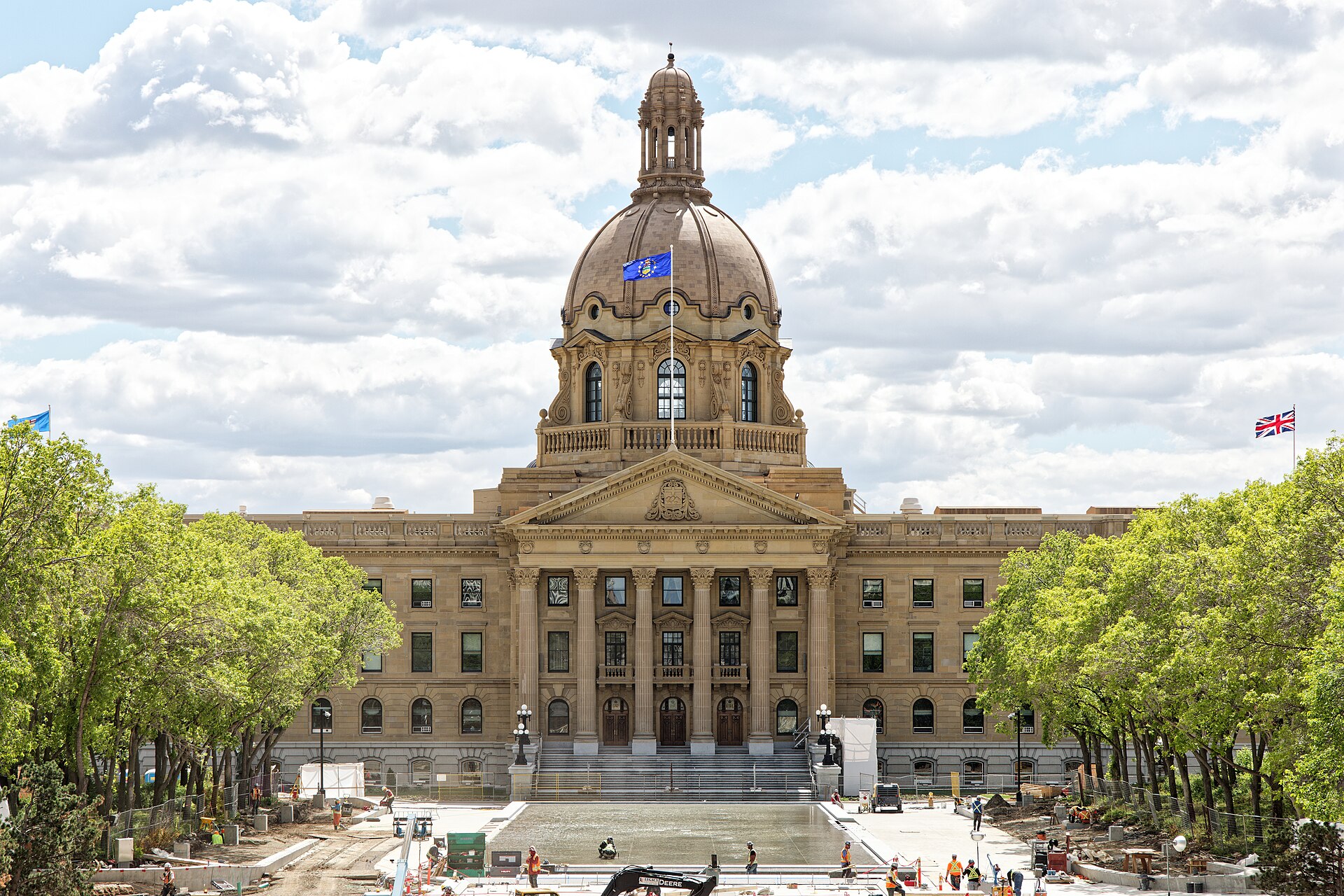
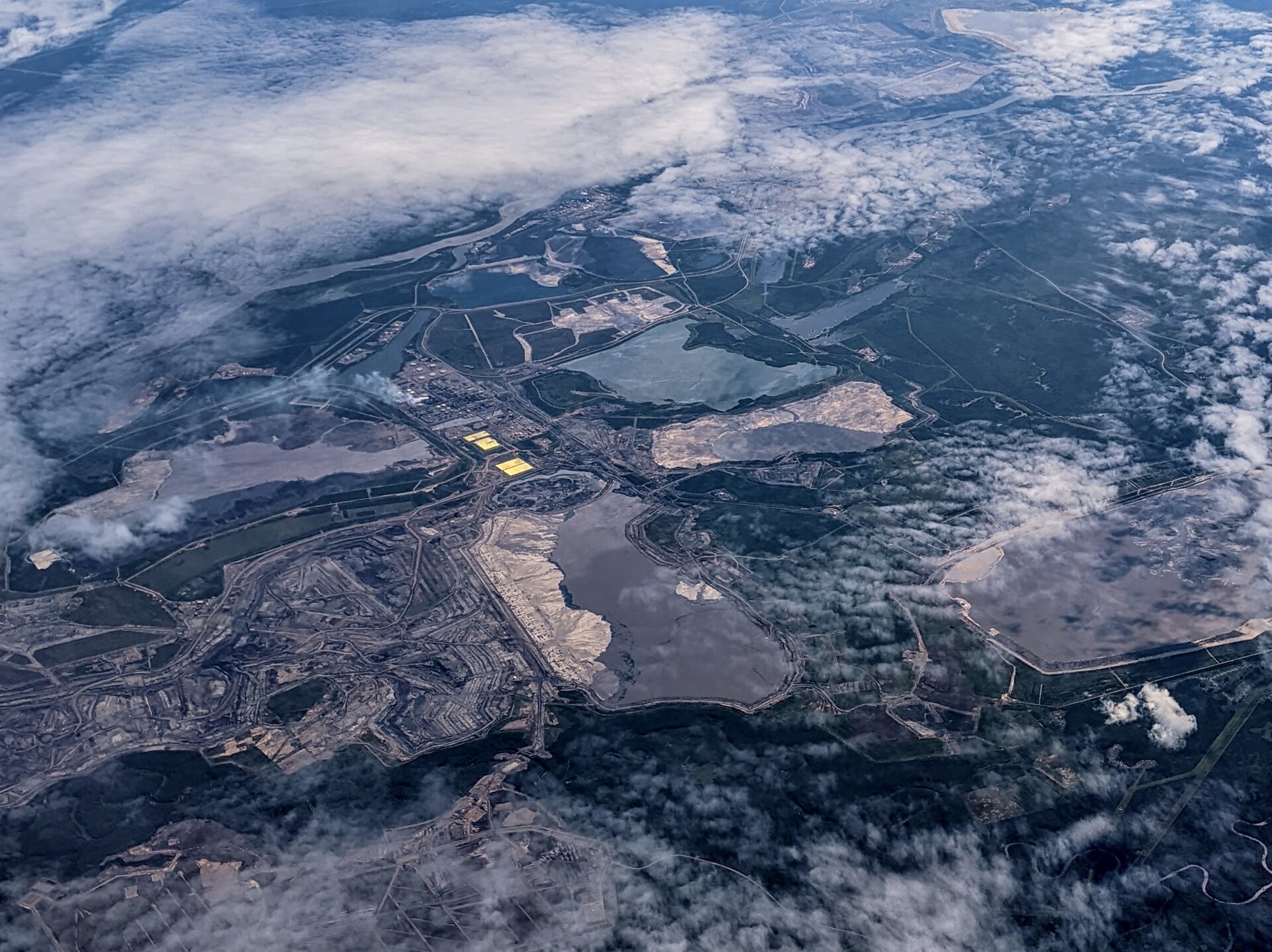
If you buy fuel in the US Midwest, some of it likely started as Alberta crude, and on 19 October Albertans vote on whether to begin leaving Canada.
- On Monday 19 October 2026 Albertans vote on ten questions. Question 10 asks them to choose: Alberta stays a province of Canada, or the government starts the legal process towards a later, binding vote on separation.
- The result is not binding, and even a win for 'start' would not make Alberta independent. Under Canada's Clarity Act, Ottawa must first judge whether any later question and majority are clear, and the constitution would have to change.
- Every published poll shows 'remain' ahead. Leger's latest (2-4 Oct) has 70% remain, 22% start the process and 7% undecided; almost half of the governing UCP's voters back 'start'.
- The Globe and Mail reported that separatist campaigners met US State Department officials three times in 2025, and one co-founder says they offered things like oil royalties and fresh water for support. Others in the group deny it; the White House says no support was promised.
- The vote matters outside Canada because more than two-thirds of Alberta's oil exports go to the US, much of it through pipelines that cross other provinces.
What are Albertans actually voting on?
Not on leaving Canada now. They choose between staying a province, or asking the government to start the legal steps toward a second, binding vote on leaving.
Why is this vote happening at all?
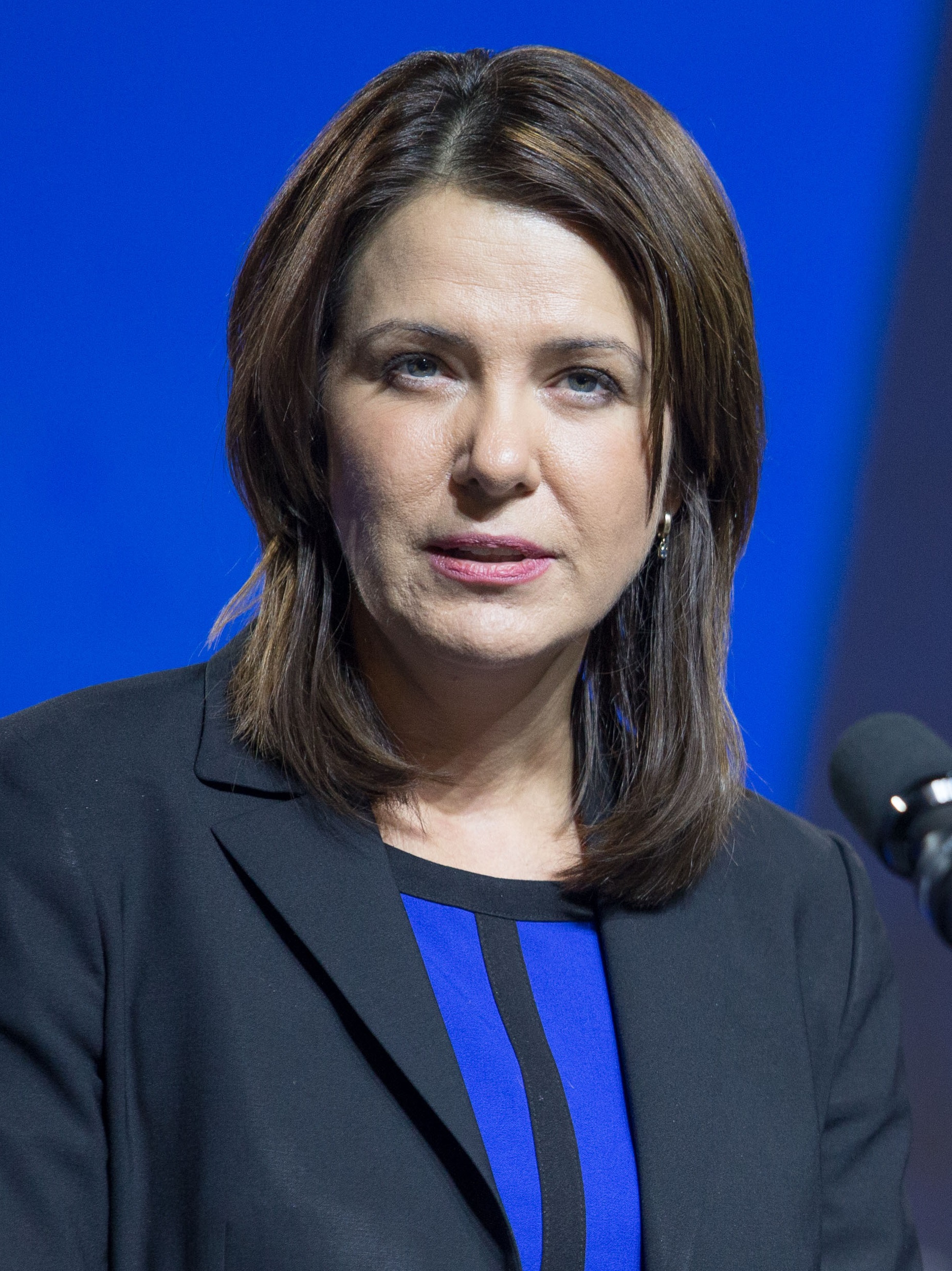
Premier Danielle Smith made citizen referendums easier in 2025. A separatist petition followed, a court struck it down, and Smith then put her own stay-or-start question on the ballot.
Why is the United States part of this story?
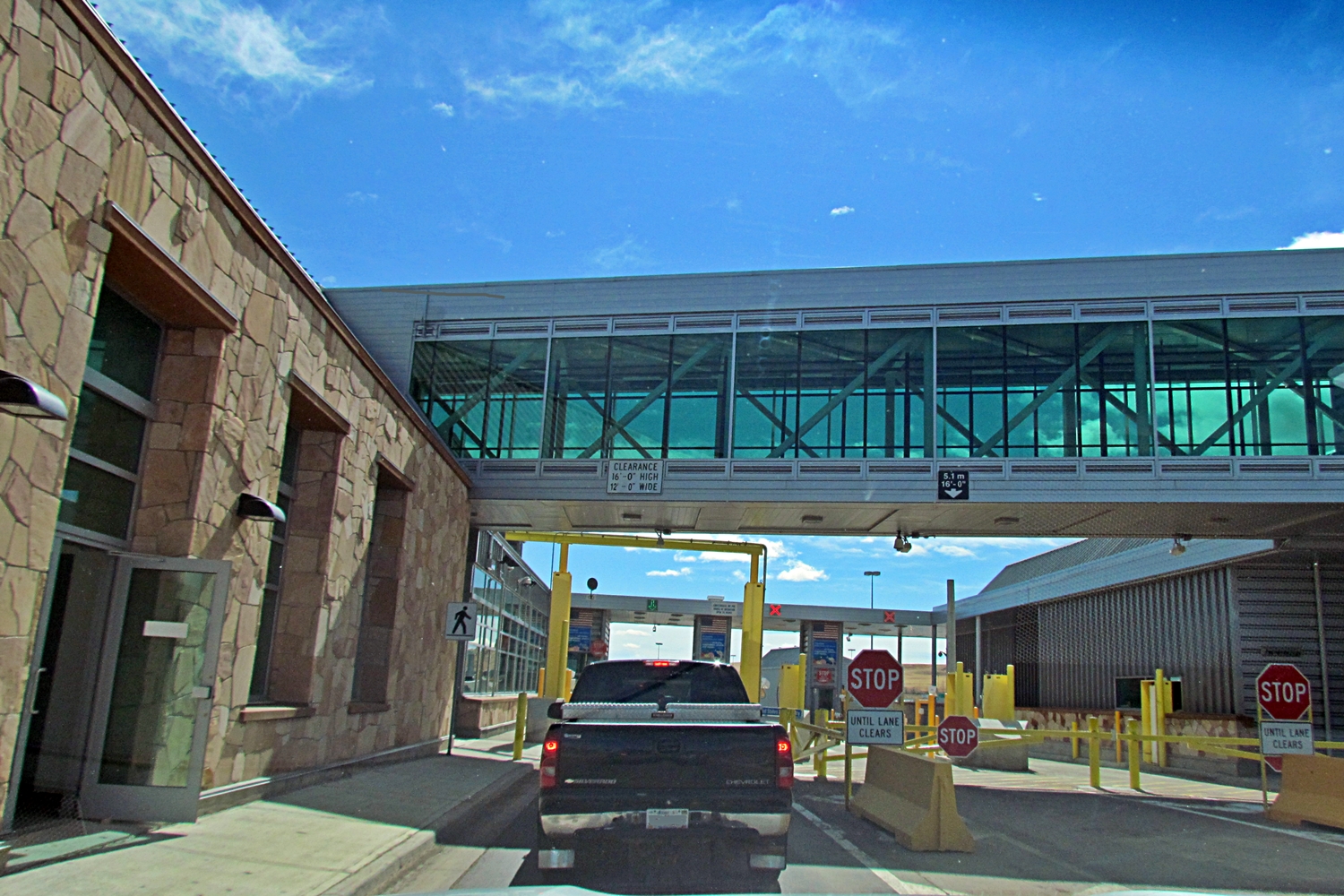
Separatist campaigners met US State Department officials three times in 2025. One leader says they offered things like oil royalties and water for US support. Others in his group deny it.
Could the polls be wrong?
Every poll shows 'remain' far ahead, around 70% to 22%. But the Quebec and Brexit votes show polls can miss, so the size of the 'start' vote is less certain than the winner.
LikelyWhat are Albertans actually voting on?
The ballot has ten questions; the first nine are yes-or-no questions on immigration, documents for citizenship, who can vote and provincial powers. Question 10 is a choice between two options: Alberta remains a province of Canada, or the provincial government begins the constitutional process for a later binding referendum on separation. Elections Alberta says the result is not binding. A 'start' majority would direct the government to begin legal preparations; it would not make Alberta independent or open negotiations by itself. Under the federal Clarity Act (2000), Ottawa decides whether a later question and majority are clear before any talks, and the constitution would have to be amended. Canada's constitution has no route for one province to leave on its own.
Why is this vote happening at all?
In May 2025 Smith's government changed the Citizen Initiative Act and sharply lowered the number of signatures needed to force a referendum. Two petitions followed: the separatist Stay Free Alberta (Elections Alberta verified almost 223,000 signatures) and the pro-Canada Alberta Forever Canada (over 400,000 verified). On 13 May 2026 the Court of King's Bench struck down the separatist petition because Indigenous peoples had not been properly consulted on a change that touches their treaty rights. Smith called the ruling undemocratic, and on 21 May announced a stay-or-start question of her own, built so that a 'start' win does not commit the government to leave. Smith says she favours staying but does not want to 'silence the voices' of separatists. Separatists say the format is a trap that delays their timeline to 2027.
Why is the United States part of this story?
The Globe and Mail reported, and Newsweek followed up, that Alberta Prosperity Project campaigners met State Department officials on 22 April, 29 September and 16 December 2025. Co-founder Dennis Modry says the group handed over a document on 'the potential benefits of Alberta sovereignty to the United States'. He says they proposed US funding for the transition, repaid with things like a rail line to Alaska, oil royalties and access to fresh water, farming, forestry and mining. The group's lawyer, Jeff Rath, called Modry 'delusional' and said 'none of that was discussed'. The White House says no support or commitments were offered, and the Globe does not say any agreement was reached. The Globe also reported that Michigan Republican strategists came to Calgary to advise on voter-targeting software. Carney's office says Ottawa expects Washington to respect Canadian sovereignty. Rated 'likely': the meetings are documented, but what was offered in them is disputed.
Could the polls be wrong?
Leger's latest poll (2-4 October, 1,001 adults) has 70% remain, 22% start the process and 7% undecided, up from 65% remain in August. Every poll published since May shows 'remain' ahead, by 25 to 52 points. The split is partisan: 98% of NDP voters back remaining, while 48% of the governing UCP's voters back 'start'. Writing in The Hub, Alicia Planincic of the Business Council of Alberta warns that polls have missed before: in Quebec in 1995 and in the 2016 Brexit vote. Voters without a university degree, who are more than twice as likely to back separation, are less likely to answer polls, and some may vote 'start' as a protest against Ottawa. A miss of that size would change the margin, not the winner, which is why this analysis gives 'remain' a high chance but treats the 'start' share as open.
LikelyDomino Effect
The causal chain so far, dated from what the sources actually report. New dominoes append as they fall.
If non-response bias and protest voting push 'start' well above 30%, the result would still be 'remain', but separatists would have a number to campaign on before the 2027 provincial election. Smith would face pressure from half her own voters. Ottawa would read it as a warning about pipelines and federal powers, the issues behind the anger.
Corrections & revisions
noneEvery change to this analysis since publication, with the reason. We append here — we don't rewrite. A number that changes silently is indistinguishable from never having been wrong.
RSS feed- No corrections yet. When we get something wrong, the fix is logged here rather than quietly applied.
Sources
5 sources
Every source behind the Trust Index above. Follow them — a trust score you can't check is decoration.
Nothing here stands alone. This story is one node in a wider web — every card is another thread you can pull.