Turkey Warned Greece to Stop Arming Its Islands. Greece Had Just Signed a $3.5 Billion Deal to Do Exactly That.
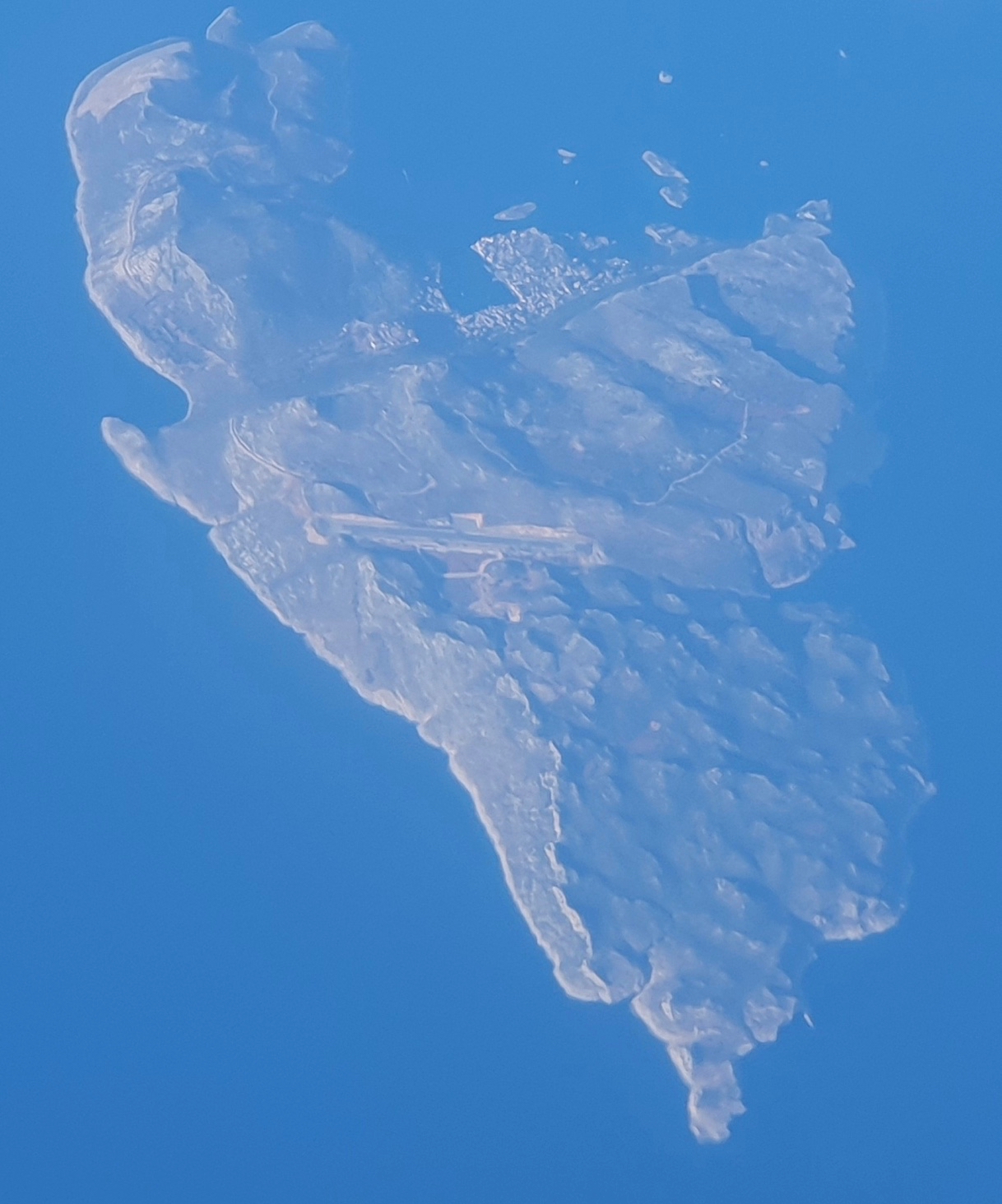
Two NATO allies have already gone to the brink over a bare Aegean rock once, in 1996. Now they're rearming around the same waters — this time with $3.5 billion more firepower on one side.
- On 21 August 2026, Turkey's Foreign Ministry revived a century-old claim that Greek sovereignty over some eastern Aegean islands was never fully settled; ten days later, Greece signed a $3.5 billion air-defense deal with Israel called "Achilles Shield."
- Two days after that, Erdogan warned Greece from his plane home from a Kyrgyzstan summit to stop "arming the islands that have demilitarized status," saying Turkey would "do what is necessary"; Turkey then issued a maritime warning notice and sent a research vessel near the Greek island of Kastellorizo.
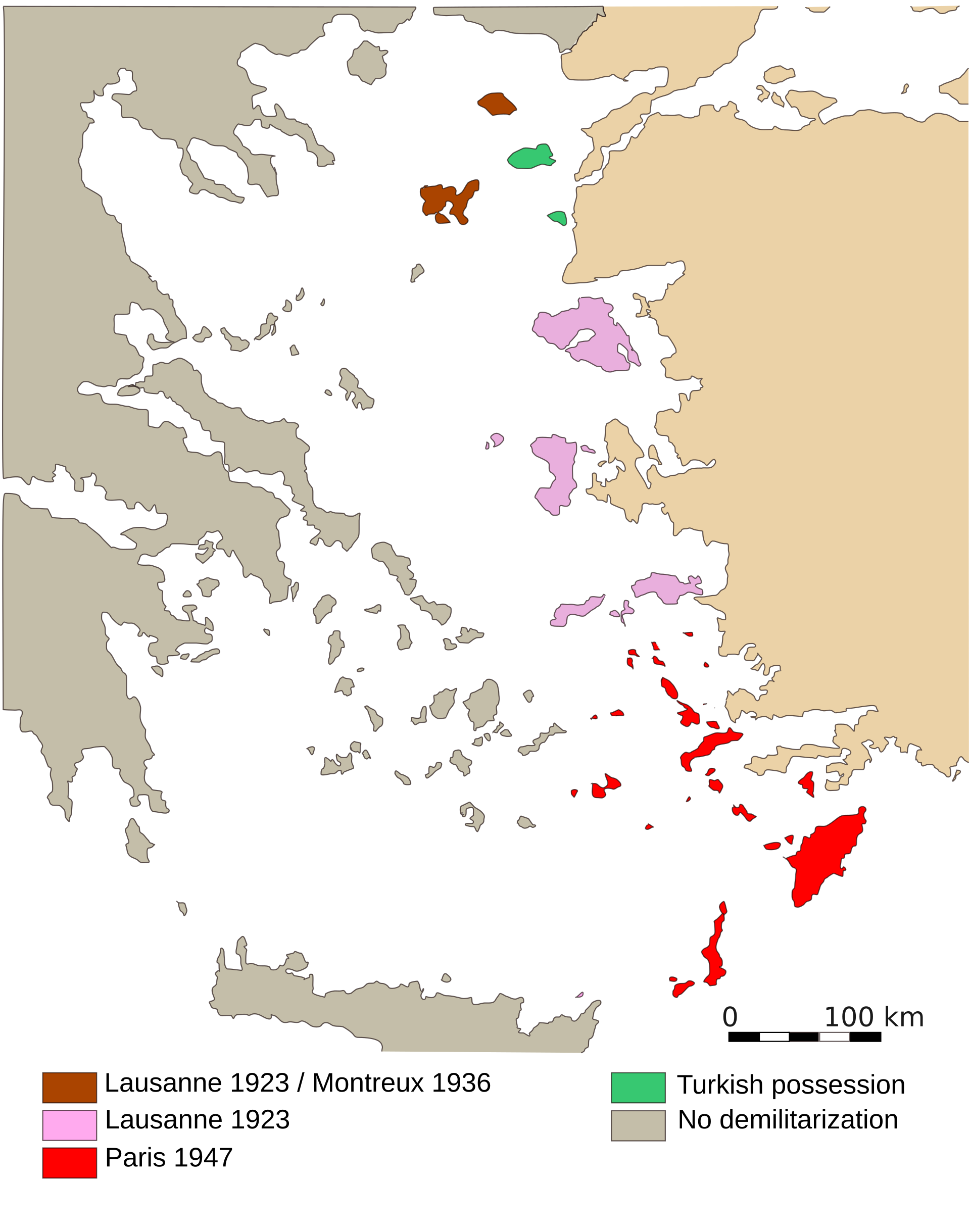
- Turkey's claim rests on 1923 and 1947 treaties requiring demilitarization of islands including Lesvos, Chios, Samos and the Dodecanese; Greece counters that a 1936 treaty superseded the older rule and that Turkey never signed the 1947 treaty for the Dodecanese at all.
- Greece has committed roughly €28 billion to defense modernization through 2036; Prime Minister Mitsotakis said Greece will "accept no instructions from anyone" on its own defense, while critics at home call the Israel pivot turning Greece into "an Israeli satellite."
- Nobody has been physically harmed, but the diplomatic thaw between Athens and Ankara built up since 2023 has taken a real, visible hit.
What happened?
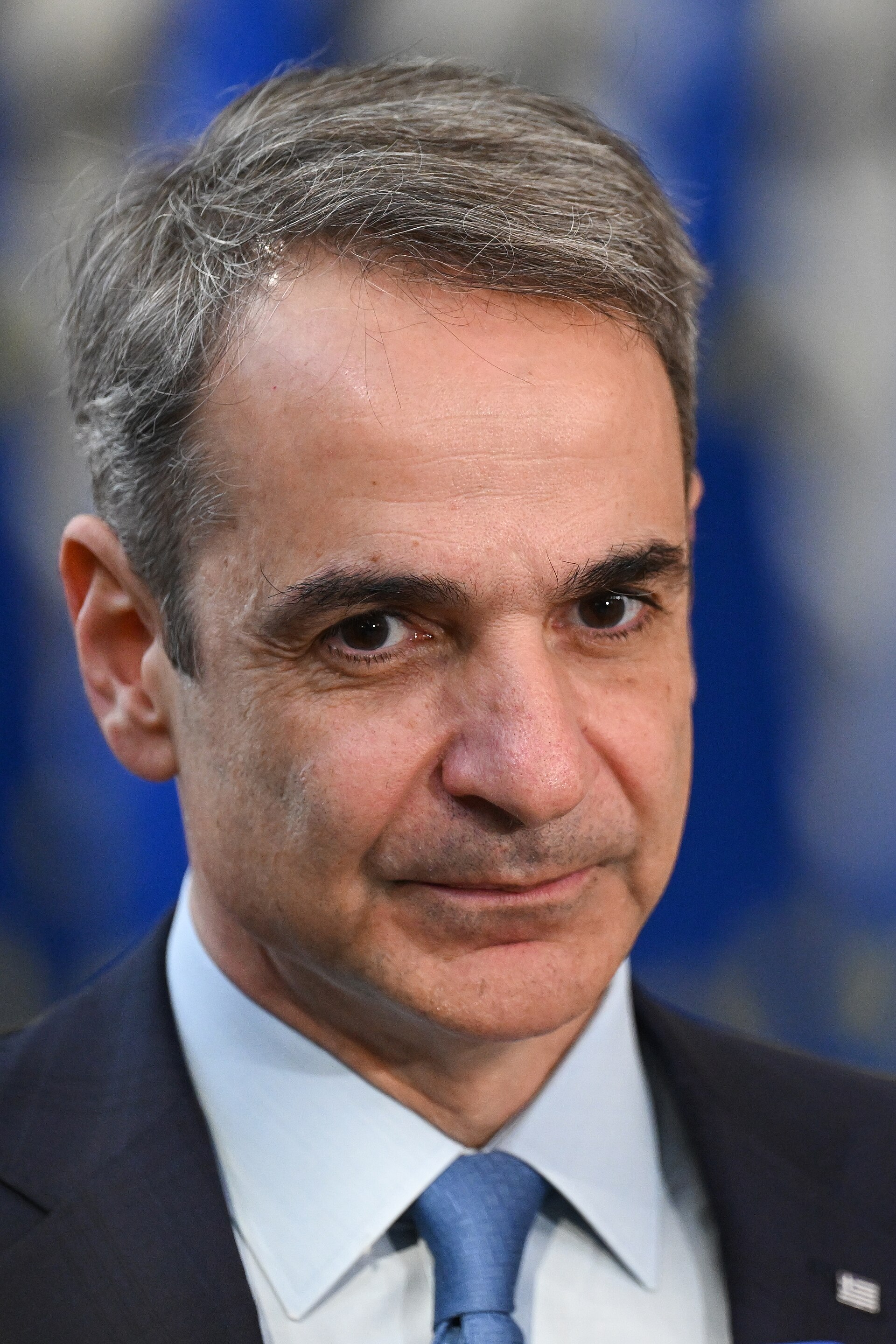
Turkey and Greece are back in one of their oldest disputes. On 21 August, Turkey's Foreign Ministry objected to Greece's new rules for wind, solar and tourism development on eastern Aegean islands, reviving a claim that Greek sovereignty over some of them was never fully settled. On 31 August, Greece signed a $3.5 billion air-defense deal with Israel called 'Achilles Shield.' Two days later, speaking to reporters on his plane home from a summit in Kyrgyzstan, Turkish President Erdogan warned Greece to stop 'arming the islands that have demilitarized status,' saying Turkey would 'do what is necessary.' Turkey then issued a NAVTEX (a maritime warning notice) and sent a research vessel, the TÜBİTAK Marmara, into waters near the Greek island of Kastellorizo. Greece filed a formal protest, briefed EU foreign ministers, and Prime Minister Mitsotakis said Greece will 'accept no instructions from anyone' on its own defense.

Why did it happen?
The legal argument is old, not new. Turkey has said for decades that a group of Greek islands near its coast — including Lesvos, Chios, Samos and the Dodecanese — must stay demilitarized under two treaties from 1923 and 1947, and that Greek warships and jets stationed there break that deal. Greece answers that the treaties never went that far, that a separate 1936 treaty replaced the older rule for some islands, and that Turkey wasn't even a signatory to the 1947 one for the Dodecanese. What changed is the timing: Erdogan's public warning landed two days after Greece signed its biggest-ever air-defense deal, which both sides read as connected even though neither has said so outright.
Who benefits?
Politically, both leaders get something. Erdogan gets to lead on a nationalist cause — the Aegean islands dispute — that plays well domestically regardless of whether it goes anywhere. Mitsotakis gets to look tough on defense right after signing a major new arms deal. Israel gets a $3.5 billion customer. Whether either country is actually more secure afterward is a separate, open question nobody can answer yet.
UncertainWho loses?
The clearest loser so far is the recent thaw between Athens and Ankara — years of careful, low-drama diplomacy just took a real hit. Inside Greece, the Israel pivot itself has domestic critics: former finance minister Yanis Varoufakis calls it turning Greece into 'an Israeli satellite,' and polling shows most Greeks don't trust Israel's current government. Nobody has been physically harmed, and that matters, but the diplomatic channel both countries built up since 2023 is now visibly strained.
What happened?
The escalation began on 21 August 2026, when Turkey's Foreign Ministry formally objected to Greece's Special Spatial Planning Framework governing renewable-energy, tourism and industrial development on its eastern Aegean islands, reviving Ankara's decades-old argument that sovereignty over certain geographic features in the area was never definitively 'transferred' to Greece. Athens rejected this as 'unfounded,' saying its sovereignty is 'clearly and definitively established by the relevant international treaties' and is not subject to negotiation. Ten days later, on 31 August, Greece signed the 'Achilles Shield' integrated air and missile defense agreement with Israel — reported at $3.5 billion and covering David's Sling, Spyder and Barak MX interceptor systems plus an AI-enabled command centre, part of a roughly €28 billion Greek defense modernization programme running through 2036 that also includes up to 40 F-35 fighters and new frigates. On 1 September, speaking to journalists aboard his plane returning from the Shanghai Cooperation Organisation summit in Bishkek, Kyrgyzstan, Erdogan said: 'Greece must turn back from this wrong path and stop arming the islands that have demilitarized status. History is a very good guide for those who learn lessons from it.' Asked how Turkey would respond if Greece kept building up its military presence on the islands, he added: 'What should we do? What is our duty? To do what is necessary.' Turkish state media and Greek officials both linked the warning's timing to the Achilles Shield signing two days earlier. Turkey then issued a Turkish NAVTEX and deployed the research vessel TÜBİTAK Marmara into waters southwest of Kastellorizo — inside an area Ankara has folded into its own declared maritime zones — where it remained until 2 September; Ankara separately sent Athens a formal diplomatic note objecting to the spatial-planning frameworks. On 3 September, Greece's Foreign Ministry lodged a formal demarche against Turkey, Foreign Minister Giorgos Gerapetritis briefed EU counterparts at an informal meeting in Ireland on what Athens called Turkish 'violations and provocative actions,' and Prime Minister Kyriakos Mitsotakis, standing beside European Council President-elect António Costa in Athens, said: 'Greece threatens no one, but we will accept no instructions from anyone on how to bolster our defense capabilities.'
Why did it happen?
Turkey's position, restated by Foreign Ministry spokesperson Öncü Keçeli as early as March 2026, is that the demilitarized status of the eastern Aegean islands and the Dodecanese 'is clear and not open to debate' under the 1923 Treaty of Lausanne and the 1947 Paris Peace Treaty, and that Greek military deployments — frigates, F-16s — amount to unilateral 'fait accompli' moves that would be 'null and void' under international law. Greece's counter-argument, as restated by its Foreign Ministry, is narrower than Turkey's framing suggests: the Lausanne Treaty does not impose full demilitarization on Lesvos, Chios, Samos and Ikaria, only specific restrictions on naval bases and fortifications, while ordinary military, police and gendarmerie forces are allowed; a separate 1936 Montreux Convention is said to have superseded the earlier demilitarization terms for Limnos and Samothrace; and Turkey was never a signatory to the 1947 Paris treaty covering the Dodecanese, so Athens says Ankara has no standing to invoke it there at all. Athens also points to its own right of self-defense under Article 51 of the UN Charter, citing Turkey's large mainland military presence opposite the islands and its historic threat of war ('casus belli') should Greece ever extend its territorial waters. None of that is new — what changed is the timing and the target: Erdogan's 1 September warning followed the Achilles Shield signing by two days, and Greek defense analysts and Turkish state-adjacent commentary both treated the sequence as connected, even though no official on either side has said the deal directly triggered the statement.
Who benefits?
Israel is the clearest immediate beneficiary: the Achilles Shield agreement is described as the largest defense contract in the history of Israeli-Greek relations, and security analyst Wolfgang Pusztai frames it as filling a real capability gap for 'Greece and other European countries' worried about Iran-linked threats reaching the Mediterranean. Domestically, both leaders can plausibly claim the confrontation serves them: Erdogan's warning revives a nationalist, sovereignty-framed cause with a long history in Turkish politics, independent of whether it produces any material change on the ground; Mitsotakis can present firmness against Turkish pressure as vindicating the defense build-out his government just committed roughly €28 billion to. Turkey's own legal case, per Daily Sabah's framing of the Foreign Ministry position, casts Ankara as the aggrieved party defending an international-law status quo against Greek 'fait accompli' moves — a frame that lets Turkey claim the high ground rhetorically regardless of how the dispute resolves. Uncertain, because none of this settles who is actually safer: a $3.5 billion missile shield and a research-vessel deployment are both shows of capability, not evidence that either side's underlying position has improved.
UncertainWho loses?
The most concrete casualty is the working relationship both governments spent recent years building: an Erdogan-Mitsotakis High-Level Cooperation Council meeting has reportedly been planned for this autumn, and this dispute is exactly the kind of episode that has derailed similar meetings before. Inside Greece, the Achilles Shield deal carries its own domestic cost: former finance minister Yanis Varoufakis argues 'the transformation of Greece into an Israeli satellite is proceeding at breakneck speed' and says it 'must be resisted,' while a June 2026 Pew Research Center poll found 76% of Greeks distrust Israeli Prime Minister Netanyahu's international decision-making — meaning Mitsotakis bought deterrence against Turkey at a real domestic political price, not for free. Turkish state-adjacent commentary, including retired admiral Cem Gurdeniz, has meanwhile framed Greece and Cyprus as having become 'proxies' of the US and Israel — a narrative that, true or not, makes de-escalation harder by turning a bilateral Aegean dispute into a larger ideological one. Uncertain rather than confirmed: no treaty has been broken, no shots fired, and Turkey has not yet officially reacted to the Achilles Shield deal at the government level — only state-adjacent media and retired officials have, which leaves room for this to cool as quickly as it heated up.
Domino Effect
The causal chain so far. New dominoes append as they fall.
Probably a quieter week, not a resolved dispute. Turkey's objection to the demilitarization status of the islands surfaced on 21 August — over energy and tourism zoning, not defense — a full ten days before the Israel deal was signed. That means the underlying claim predates the deal and would still be sitting there either way; the deal's timing gave Erdogan's 1 September warning a sharper news hook, not a new grievance. Delaying the signing might have bought a few quieter weeks. It would not have touched the century-old treaty argument both sides keep having, on and off, regardless of what either government does next.
Corrections & revisions
noneEvery change to this analysis since publication, with the reason. We append here — we don't rewrite. A number that changes silently is indistinguishable from never having been wrong.
RSS feed- No corrections yet. When we get something wrong, the fix is logged here rather than quietly applied.
Sources
6 sources
Every source behind the Trust Index above. Follow them — a trust score you can't check is decoration.
- Turkey Escalates Pressure on Greece: Threats, NAVTEX, Research Ships and the 'Blue Homeland' Agenda
- Erdogan Warns Greece Over Militarization of Aegean Islands
- PM Mitsotakis to Turkey: Greece Will Take No Instructions on Sovereignty or Defense
- Why has Greece signed a $3.5bn missile deal with Israel?
- Türkiye warns 'fait accompli' moves over demilitarized Aegean islands
- Erdogan Warns Greece After Israel Defense Deal Raises Stakes in Aegean
Nothing here stands alone. This story is one node in a wider web — every card is another thread you can pull.