Two CIA Officers Died in an Unauthorized Raid in Chihuahua. Trump Still Hasn't Ordered the Land Strikes He Promised.
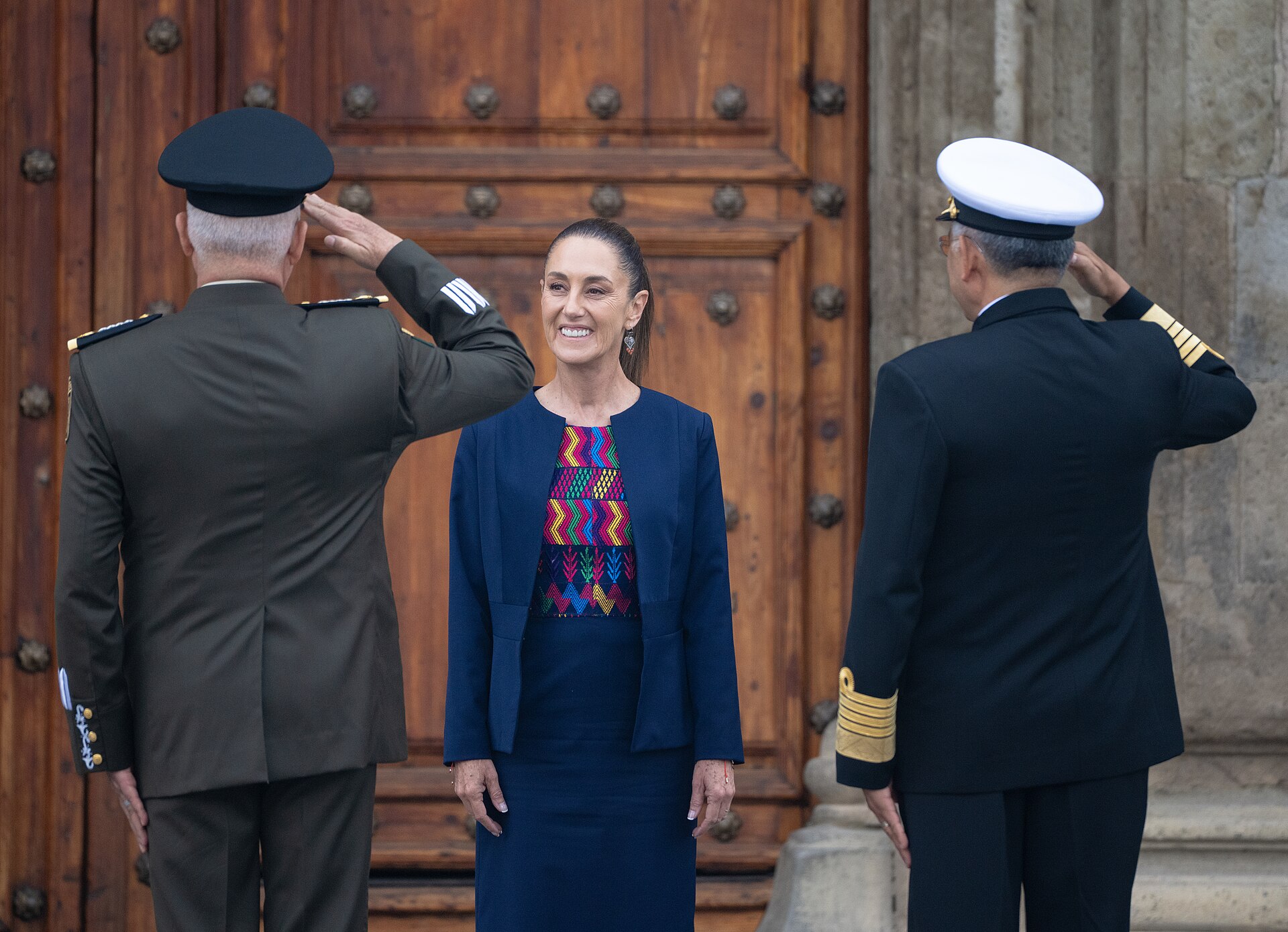
Two American intelligence officers already died doing exactly what Trump has only threatened to do openly — and Mexico found out from a car crash, not a phone call.
- The US designated six Mexican cartels as foreign terrorist organizations in February 2025; President Sheinbaum answered with a proposed constitutional amendment barring foreign agents from operating in Mexico without express authorization.
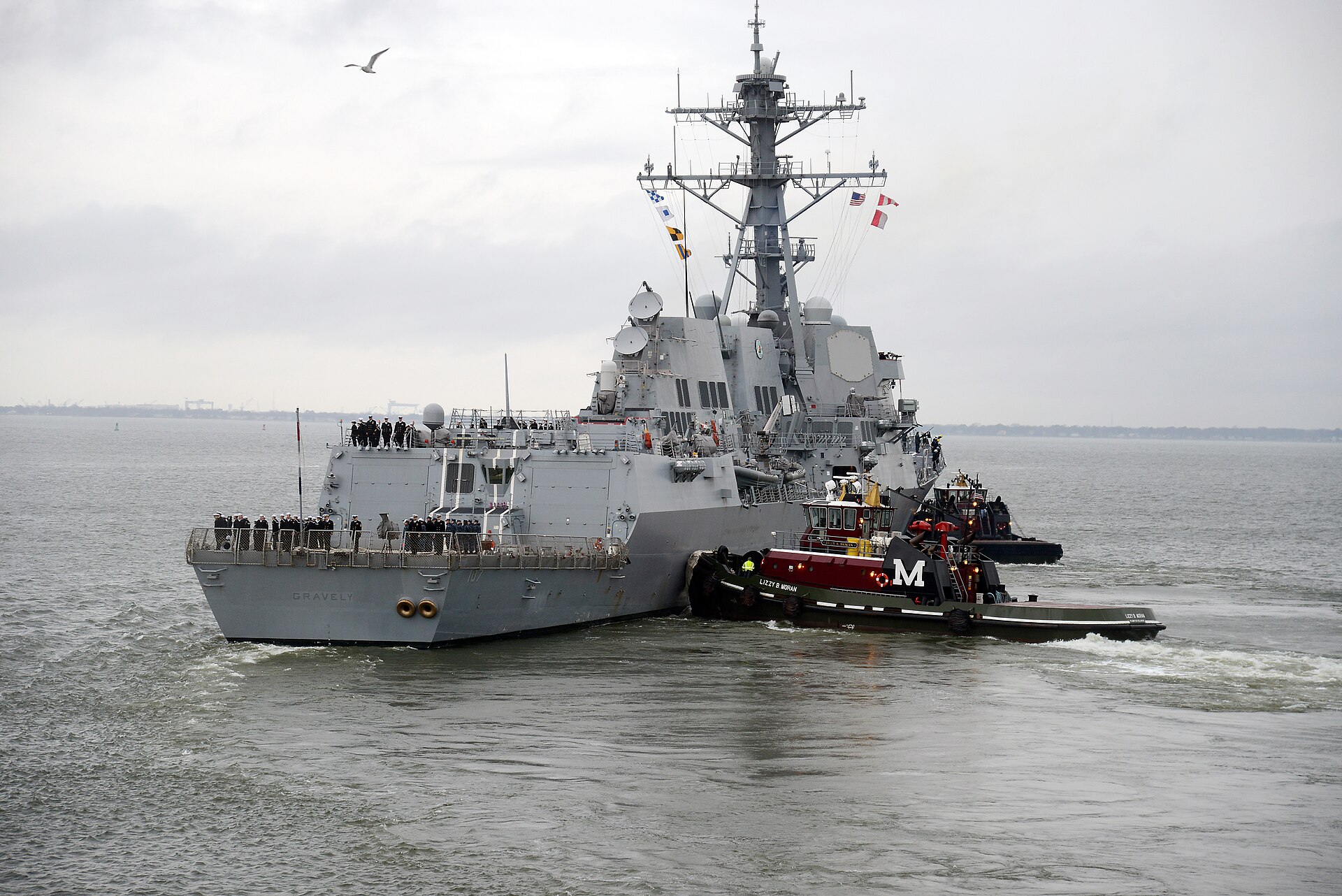
- From September 2025, US warships have struck alleged drug-trafficking boats in the Caribbean and Pacific, killing more than 227 people across 68 strikes by late August 2026.
- On 19 April 2026, two undercover CIA officers died in a car crash in Chihuahua returning from a raid on a remote drug lab — disguised as state police, and, Sheinbaum says, without her federal government's knowledge or authorization.
- In January 2026 Trump said the campaign would move from water to land — "we are going to start now hitting land" — and by August, US forces were using a laser weapon to shoot down cartel drones at the border.
- In May, the US Justice Department sought the extradition of ten ruling-party politicians, including Sinaloa's sitting governor — a sign the pressure campaign is reaching well beyond the cartels themselves.
What happened?
In February 2025, the US designated six Mexican cartels as foreign terrorist organizations; Sheinbaum answered with a proposed constitutional amendment declaring Mexico will not consent to foreign intervention on its soil, even for investigating crimes. From September 2025, US warships began striking alleged drug boats in the Caribbean and Pacific — more than 227 dead across 68 strikes by late August 2026. On 9 January 2026, Trump said the campaign would move onto land: 'we are going to start now hitting land, with regard to the cartels.' On 19 April 2026, two undercover CIA officers died in a car crash in Chihuahua state, returning from a raid on a remote drug lab in the Sierra Madre; they had been disguised in Chihuahua State Investigative Agency uniforms, and Sheinbaum said her federal government was never told a joint operation was happening. In May, the US Justice Department sought the extradition of ten ruling-party politicians, including Sinaloa's sitting governor. In August, the US Army used a high-energy laser to shoot down three cartel drones near the border. No strike has been publicly confirmed inside Mexican territory under the 'hitting land' policy specifically — but the Chihuahua raid shows US personnel operating past the line Sheinbaum has drawn.
Why did it happen?
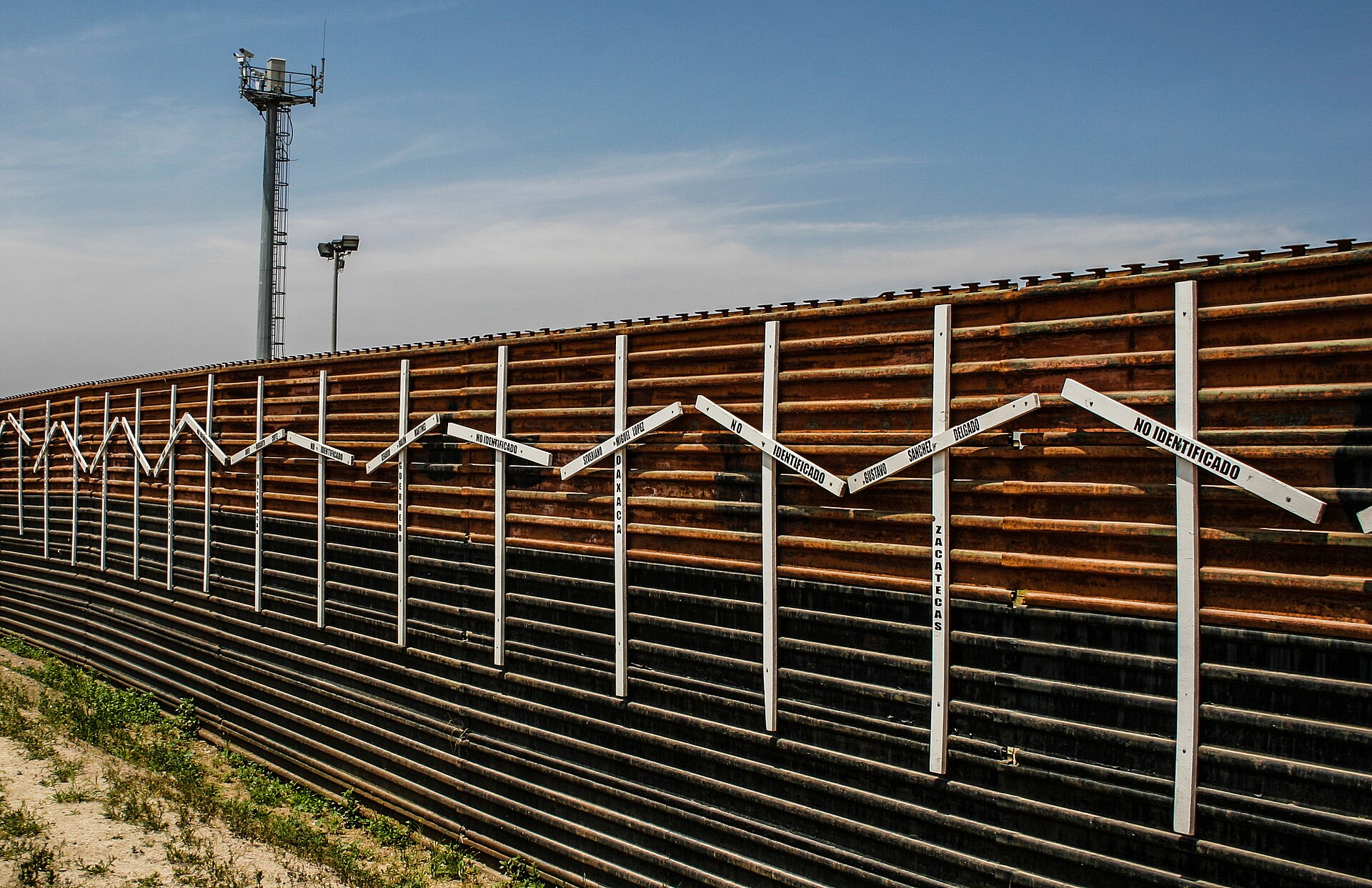
Two pressures converge. Fentanyl deaths and Trump's broader 'total elimination' doctrine — already applied to the sea campaign and, in Venezuela, to arresting a sitting president — created the political demand for visible, forceful action against cartels specifically. Separately, the terrorist designation supplied a legal theory that ordinary law-enforcement cooperation with Mexico never needed and never provided: authority, under US domestic law, to act on foreign soil without the host government's consent.
Who benefits?
Politically, both leaders can point to something. Trump gets a body count — 68 strikes, 227-plus dead — and now a named sitting governor facing US extradition, evidence of visible action against cartels. Sheinbaum gets a sovereignty fight she can lead domestically without having to actually stop US pressure on the cartels themselves, since the boat campaign and the FTO designations proceed regardless of her objections. Whether the underlying cartel structures are actually weakened is a separate, unresolved question.
UncertainWho loses?
Mexico's sovereignty claim is the clearest casualty — undermined by the very existence of an undisclosed CIA operation inside its own territory, not by anything Sheinbaum has said or done. Chihuahua's governor has had to defend herself before federal prosecutors over a raid she initially helped describe as a routine drone-training visit. And, per one legal critique, the wider US-Mexico relationship risks the kind of damage that took decades to repair after past unilateral interventions.
What happened?
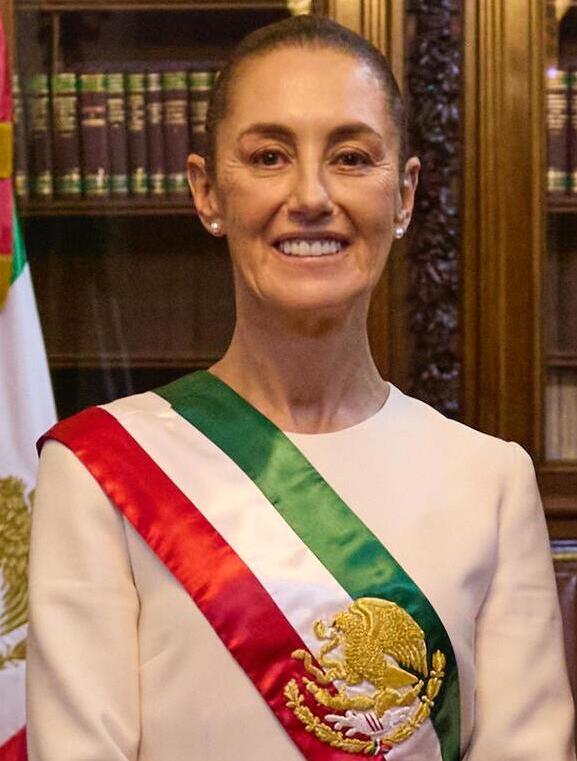
The legal architecture came first: in February 2025 the US designated six Mexican cartels — including the Sinaloa Cartel and Jalisco New Generation Cartel (CJNG) — as foreign terrorist organizations, a status that, per the US National Drug Control Strategy released 4 May 2026, 'provides legal justification, under US law, for operations conducted on foreign soil.' Sheinbaum's government answered within days with a proposed amendment to Articles 39 and 40 of Mexico's constitution: a declaration that Mexico 'will not consent to intervention by foreign entities in Mexican territory, not even for the purpose of investigating or prosecuting crimes,' with a parallel Article 19 provision imposing severe penalties on unauthorized foreign agents. From September 2025, a separate campaign began at sea: US warships have struck alleged drug-trafficking boats in the Caribbean and Eastern Pacific, with the death toll passing 227 across more than 68 strikes by 26 August 2026, according to tracking cited by Stars and Stripes and PBS. On 9 January 2026, in a Fox News interview, Trump extended the doctrine to land: 'We've knocked out 97% of the drugs coming in by water, and we are going to start now hitting land, with regard to the cartels. The cartels are running Mexico, it's very sad to watch.' Sheinbaum responded that she did not consider an invasion a serious prospect and reaffirmed Mexican sovereignty as 'neither optional nor negotiable.' On 19 April 2026, that theoretical doctrine produced a concrete, fatal incident: two US officials, later confirmed by AP sources to PBS as CIA employees, died when their vehicle crashed returning from a raid on a drug lab in the Sierra Madre mountains of Chihuahua. They had entered posing as instructors and were disguised in Chihuahua State Investigative Agency uniforms; one held a diplomatic passport, the other entered as a visitor, and neither had formal accreditation to conduct operational activities in Mexican territory. Sheinbaum said she 'knew nothing of a joint operation between Chihuahua's government and the U.S.' and ordered an investigation into whether the operation breached Mexico's National Security Law, which reserves counter-narcotics operations exclusively to federal jurisdiction. By 27 May 2026, Chihuahua's governor, María Eugenia Campos, was appearing before federal prosecutors, describing herself as being 'persecuted with the entire weight of the state apparatus,' while the US Justice Department separately sought the extradition of ten ruling-party politicians, including Sinaloa's sitting governor, Rubén Rocha Moya, on drug-trafficking charges. On 28 August 2026, the US Army used an Army Multipurpose High Energy Laser to shoot down three cartel drones in the Rio Grande Valley near the border — real kinetic force, though reporting on the incident does not clarify whether it occurred over US or Mexican airspace. No strike or ground operation has been publicly confirmed as a deliberate action inside Mexican territory under the 'hitting land' policy Trump announced in January — the Chihuahua raid is documented as covert and unauthorized rather than declared policy in action.
Why did it happen?
The US National Drug Control Strategy, released 4 May 2026, states the terrorist designation's legal function plainly — it 'provides legal justification, under US law, for operations conducted on foreign soil,' and the same document cites the Chihuahua raid itself as an example of the kind of activity the designation is meant to enable, alongside classifying fentanyl and its precursor chemicals as weapons of mass destruction. Robert Muggah's analysis for Americas Quarterly, written as Trump's directive to the armed forces was first issued, warns the underlying legal footing is weak regardless of the designation: 'sanctions fit within U.S. law, but launching wartime-style strikes without congressional approval or UN mandate risks violating domestic prohibitions.' The domestic political logic on the Mexican side runs the other direction: Sheinbaum, per Americas Quarterly's Diego Marroquín Bitar, faces pressure to be seen resisting rather than accommodating, since unilateral US action would 'strengthen the radical wing' of her own governing coalition if she were seen as acquiescing to it. Likely, not confirmed, because the strategy document states the legal theory but not a stated intention to use it for a specific land operation beyond what has already occurred — the Chihuahua raid is documented, but whether it represents a one-off intelligence operation or the first instance of the broader 'hitting land' policy is not something either government has confirmed on the record.
Who benefits?
Americas Quarterly's Matteson Ellis frames the strategy as a natural extension of a stated 'total elimination' cartel policy, treating designated cartels as functionally equivalent to the terrorist organizations the US has fought with military force elsewhere — a frame under which the extradition request against a sitting governor and the Chihuahua raid both count as the policy working as intended, whatever the diplomatic cost. Politically, both governments can claim benefit from the same events without agreeing on what those events mean: Washington points to the extradition request and the boat-strike total as evidence of pressure on the cartels; Sheinbaum's public rejection of 'invasion' language lets her appear to be defending Mexican sovereignty without having to actually stop cooperation that continues at the state level, as Chihuahua's own governor demonstrated. Robert Muggah's assessment cuts against both readings on effectiveness grounds: Mexico's cartel landscape is fragmented into more than 440 separate groups, and decapitation-style strikes are, in his words, 'blunt instruments' against a structure that reconstitutes rather than collapses when a single leader or cell is removed — intelligence-led policing and judicial reform, he argues, are more sustainable than strikes regardless of who benefits politically in the short term. Uncertain, because no source reviewed for this analysis measures whether cartel trafficking volumes or violence have actually fallen since the campaign began — the political benefits are visible; the operational ones are not yet demonstrated either way.
UncertainWho loses?
The Chihuahua episode is a loss for Mexican sovereignty regardless of how it is ultimately investigated, because the sequence of events — two disguised foreign intelligence officers dying on a raid the federal government says it never approved, in violation of a National Security Law that reserves such operations to federal authority — is itself the harm the constitutional amendment was written to prevent, and it happened anyway. Chihuahua Governor María Eugenia Campos is a documented, named loser: she appeared before Mexico's General Prosecutor's office on 27 May 2026 over the state's role in the raid, telling reporters she was being 'persecuted with the entire weight of the state apparatus,' after state officials' initial description of the dead Americans as 'instructors from the U.S. Embassy' teaching a drone course did not survive scrutiny. Diego Marroquín Bitar's warning, delivered before the raid occurred, reads differently in hindsight: unilateral US action, he argued, could return the relationship to 'the antagonism of the 1840s' and undermine the ongoing USMCA review — a risk that a covert, unauthorized, fatal operation arguably realizes more directly than an open military strike would have, precisely because it was hidden rather than negotiated. Confirmed, not likely: the raid, the deaths, the governor's prosecutorial appearance and Sheinbaum's public statement that she was not informed are all specific, dated, on-the-record facts, not projections.
Domino Effect
The causal chain so far. Read the dates against each other — that is the whole argument.
The honest answer is that it likely would have stayed secret. What exposed this operation to public scrutiny was a traffic accident, not oversight, a leak with intent, or a diplomatic notification working as designed — the officers were disguised as state police specifically so the operation would not be visible as a foreign one. That means the crash is best read as a data point that surfaced, not as evidence of how much unauthorized activity is actually occurring: the true rate of covert US operations on Mexican soil, authorized or not, is not something this analysis or the sources it draws on can measure. What the crash confirms is only that at least one such operation has happened; it says nothing about whether it was the first.
Corrections & revisions
noneEvery change to this analysis since publication, with the reason. We append here — we don't rewrite. A number that changes silently is indistinguishable from never having been wrong.
RSS feed- No corrections yet. When we get something wrong, the fix is logged here rather than quietly applied.
Sources
8 sources
Every source behind the Trust Index above. Follow them — a trust score you can't check is decoration.
- A reform to protect Mexico's sovereignty: Thursday's mañanera recapped
- REACTION: Trump Orders Armed Forces to Fight Latin American Cartels
- Trump: US will now start hitting Mexican cartel land targets
- US Drug Strategy 2026 Targets Mexico
- U.S. officials killed in Mexico after anti-drug operation were working for CIA, AP sources say
- Mexican governor says she's 'being persecuted' over case of 2 CIA agents killed in drug lab raid
- US military uses laser to down 3 Mexican cartel drones near border
- Trump Says U.S. to Start 'Hitting Land' in Military Campaign Against Cartels
Nothing here stands alone. This story is one node in a wider web — every card is another thread you can pull.