Israel Freed Five Lebanese Prisoners This Week. The Disarmament Term Nobody Has Touched Since June Is Still Stuck.
Five people went home this week. The one term that would actually end this — verified disarmament for verified withdrawal — hasn't moved since June.
- A 2026 Israel-Hezbollah war killed more than 4,000 people in Lebanon and displaced over a million before a US-brokered "cessation of hostilities" took effect 16 April 2026, with Israel explicitly reserving the right to keep striking.
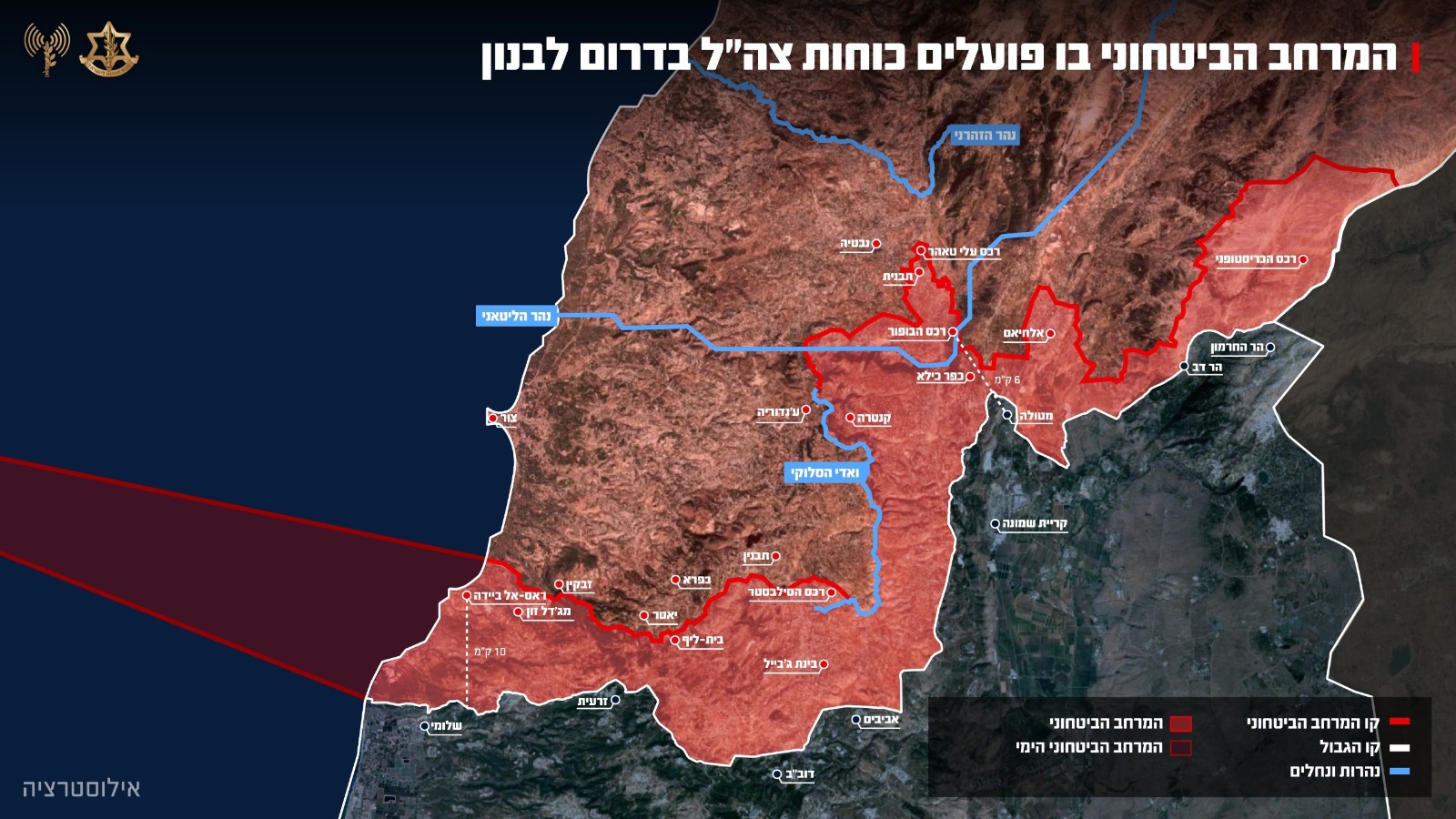
- A trilateral US-Israel-Lebanon framework signed 26 June 2026 requires Hezbollah to disarm in "pilot zones" first, with only verified disarmament triggering Israel's own phased withdrawal, which carries no fixed date; Hezbollah's leader rejected the framework within a day, calling the linkage a red line that "will not pass."
- By September, Israel still controlled roughly a fifth of Lebanese territory and disarmament in the pilot zones remained unverified.
- What moved instead was a separate track: Israel freed one Lebanese civilian on 3 September and four more detainees via the Red Cross on 4-5 September, tied to Lebanon's help locating the remains of Jewish leaders killed in 1980s civil-war violence.
- Dozens of Lebanese detainees remain held in Israel outside this week's gesture, and the actual disarmament-for-withdrawal sequence that would end the standoff hasn't moved since June.
What happened?
Israel released one Lebanese civilian, Malek Ghazi, on 3 September 2026 — the first such handover since the latest Israel-Hezbollah war began — and pledged four more. On 4-5 September, four additional detainees (two Lebanese, two Syrian nationals) were freed via the International Committee of the Red Cross at the Naqoura border crossing. Israel's government tied the releases to Lebanon's help searching for the remains of Lebanese Jewish leaders 'abducted and murdered by terrorist organisations' in the 1980s civil war. The releases sit inside a much larger, unresolved framework: a trilateral US-Israel-Lebanon agreement signed 26 June 2026 that requires Hezbollah to disarm before Israel withdraws from southern Lebanon — a sequence that, as of September, has not moved past its starting point.
Why did it happen?
The prisoner releases look like confidence-building precisely because the disarmament track is stuck: they are a form of visible progress both governments can point to that requires neither side to touch the actual disagreement. For Lebanon's president, it is a win he can credit to US mediation ahead of Rome talks; for Netanyahu, it is a low-cost gesture tied to a separate, sympathetic cause (the missing Jewish leaders) rather than any concession on the zones Israel still controls.
Who benefits?
In the short term, both governments get a story of progress at close to zero cost: Israel gives up detainees it was already facing quiet pressure over, and Lebanon's government gets to show forward motion ahead of Rome. Longer term, it's genuinely unclear who the sequencing favors — Israel keeps the leverage of an undated withdrawal, while Hezbollah keeps its weapons by simply refusing the term that would require giving them up.
UncertainWho loses?
Dozens of Lebanese detainees still held in Israel, per family-compiled lists cited by Al Jazeera, whose cases aren't part of this week's gesture. More broadly, anyone in southern Lebanon still living inside or near the roughly one-fifth of the country Israel controls loses out from a process that produces headlines about prisoners while leaving the actual military occupation and disarmament questions exactly where they were in June.
LikelyWhat happened?
The war that produced this framework killed more than 4,000 people in Lebanon and displaced over a million before a US-brokered 'cessation of hostilities' — deliberately not called a ceasefire — took effect on 16 April 2026, with Israel's own text reserving the right to 'act in self-defense against imminent or ongoing threats.' That truce was extended repeatedly (a three-week extension on 23 April, a 45-day extension on 15 May) before a new round of talks produced the 26 June framework, signed in Washington after what Secretary of State Marco Rubio called four days of intensive negotiation. Its terms, per Al Jazeera's own reading of the text: Hezbollah disarms and dismantles its infrastructure first, inside designated 'pilot zones'; only after the Lebanese Armed Forces verify that disarmament does Israel 'progressively redeploy' out of the zone in question. Rubio called it 'the beginning of the beginning.' Crucially, Al Jazeera's comparison of the April and June texts found the June agreement 'defined as much by what it leaves out as by what it includes' — it names no Israeli withdrawal date, and Israeli Defense Minister Israel Katz said publicly that Israel would keep striking regardless of the deal. This week's prisoner releases run on a separate, parallel track: Netanyahu's office described them as tied specifically to Lebanon's cooperation locating 1980s-era remains, handled through ICRC mediation at the Naqoura crossing, with a further round of disarmament-track talks scheduled for Rome later in September. Nothing in the reporting on the prisoner releases describes any movement on the pilot-zone verification process itself.
Why did it happen?
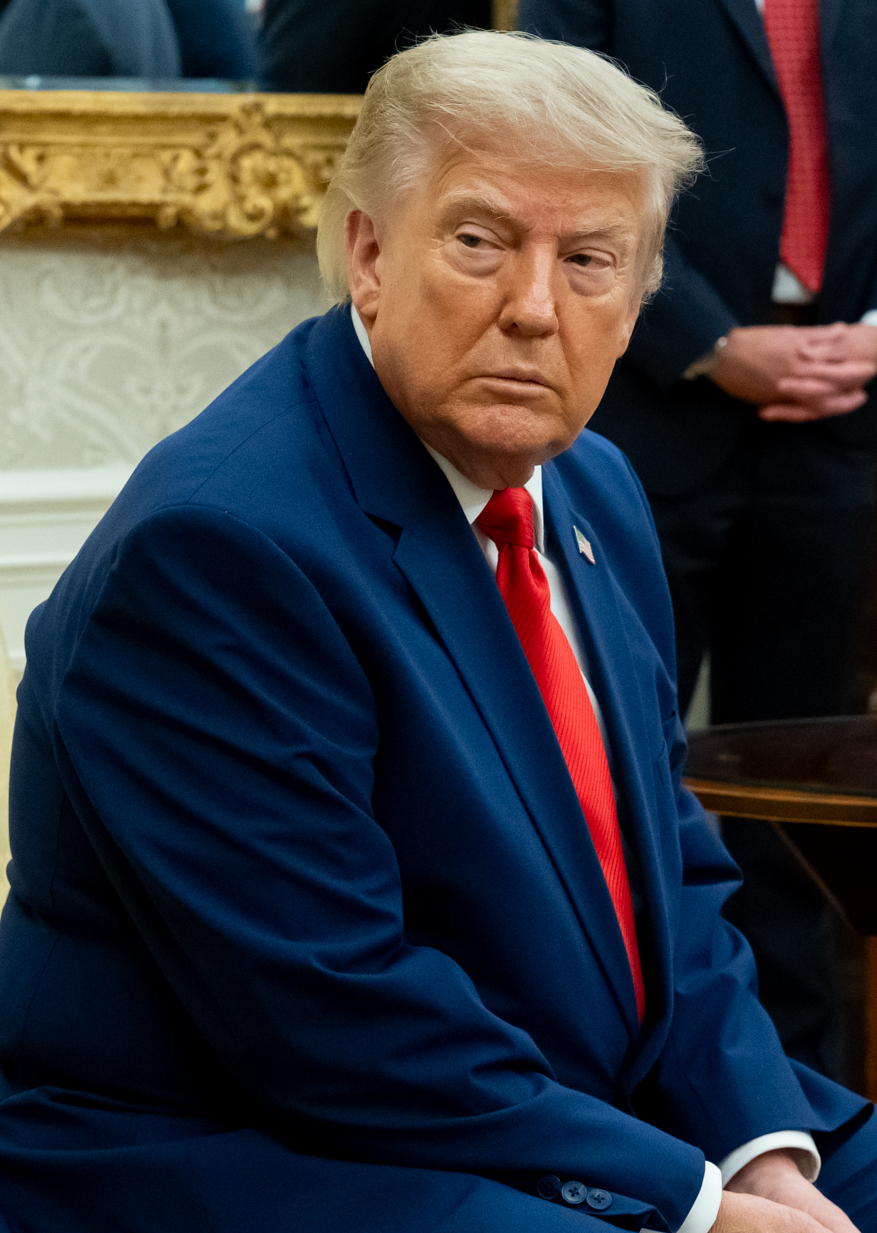
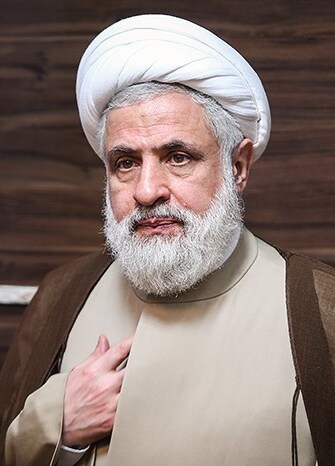
Hezbollah's flat rejection of the disarmament sequencing — Qassem calling it a 'humiliation' the day after signing and, separately, saying any link between the group's disarmament and Israel's withdrawal 'crossed all red lines' — leaves the framework's central mechanism without the one signature it actually needs to function, since Hezbollah was never a party to the agreement in the first place. That deadlock is precisely the condition under which a side-channel gesture like a prisoner exchange becomes useful to both governments: it produces a real, reportable outcome (people going home, a joint humanitarian project tied to decades-old grievances) without requiring either side to move on the position that is actually stuck. Lebanese President Joseph Aoun's own framing — thanking 'the United States under the leadership of President Donald Trump' — reads as an attempt to keep the US-brokered process visibly alive ahead of the Rome round, which is where the disarmament question, not the prisoner question, will actually be tested again. Likely rather than confirmed, because no official on either side has stated 'we are doing this because the real issue is stuck' — that is this analysis's reading of the timing and framing, not a claim either government makes about itself.
Who benefits?
The framework's structure gives Israel the stronger position on paper: verified disarmament is a precondition Israel gets to judge, while its own withdrawal carries no fixed date at all — an asymmetry Al Jazeera's June comparison flagged directly. That should, in theory, make Israel the clear beneficiary of a status quo where nothing moves. But Hezbollah's refusal to engage with the framework at all achieves something similar from the other direction: by treating the disarmament-for-withdrawal linkage as illegitimate rather than negotiating its terms, Hezbollah avoids ever being tested on whether it would actually disarm if Israel set a real date — a test it may not want to face either. The prisoner releases benefit the families directly involved and give Aoun's government a genuine, humanitarian win it did not have to extract through negotiation leverage. Uncertain, because the framework has not been tested past its opening position on either side, and 'benefits' compares outcomes (freed detainees now, a static occupation, an intact Hezbollah arsenal) that are not measured on the same scale.
UncertainWho loses?
AP's reporting on the September releases notes the ICRC has had no access to detainees held in Israel since October 2023 — meaning even the confidence-building track this week represents is a narrow, recent exception rather than a restored norm, and the 'dozens of Lebanese prisoners' Al Jazeera cites as still held are not covered by it. The larger and more structural loss sits with the framework's own core mechanism: with Hezbollah refusing the disarmament-first sequencing and Israel setting no withdrawal date even nominally, southern Lebanon's status quo — Israeli forces in place, sporadic strikes continuing per Defense Minister Katz's own public statement — has no clear mechanism moving it forward. Likely rather than confirmed, because the practical stalemate (no verified disarmament, no dated withdrawal, strikes continuing) is documented directly by the cited reporting; what is this analysis's own judgment is that the prisoner track specifically is what is absorbing the diplomatic attention that would otherwise have to confront that stalemate.
LikelyDomino Effect
The causal chain so far. Read the dates against each other — that is the whole argument.
It's a real possibility the reporting doesn't rule out: goodwill gestures sometimes do precede substantive movement, and both governments have a shared interest in the Rome talks succeeding. Aoun's public thanks to the US specifically frames this as part of a continuing process, not a one-off. But nothing in the reporting on the September releases mentions any change in Hezbollah's position on disarmament, any Lebanese Armed Forces verification activity in the pilot zones, or any Israeli statement about a withdrawal timeline — the silence on exactly the mechanism that is actually stuck is what argues against reading the prisoner track as a leading indicator rather than a parallel one. The Rome talks later in September are the next point where this would actually show up, one way or the other.
Corrections & revisions
noneEvery change to this analysis since publication, with the reason. We append here — we don't rewrite. A number that changes silently is indistinguishable from never having been wrong.
RSS feed- No corrections yet. When we get something wrong, the fix is logged here rather than quietly applied.
Sources
5 sources
Every source behind the Trust Index above. Follow them — a trust score you can't check is decoration.
- Lebanon's latest truce: What is different from the April agreement?
- What is the framework agreement signed by Israel and Lebanon?
- Hezbollah chief Qassem rejects Israel-Lebanon agreement, calls it a humiliation
- Israel releases Lebanese civilian, says five prisoners will be freed
- Israel frees 4 more Lebanese prisoners in a deal tied to missing Jews from Lebanon's civil war
Nothing here stands alone. This story is one node in a wider web — every card is another thread you can pull.