Turkey Joined a Saudi-Pakistan Defense Pact. "An Attack on One" Now Covers 1.4 Million Troops.
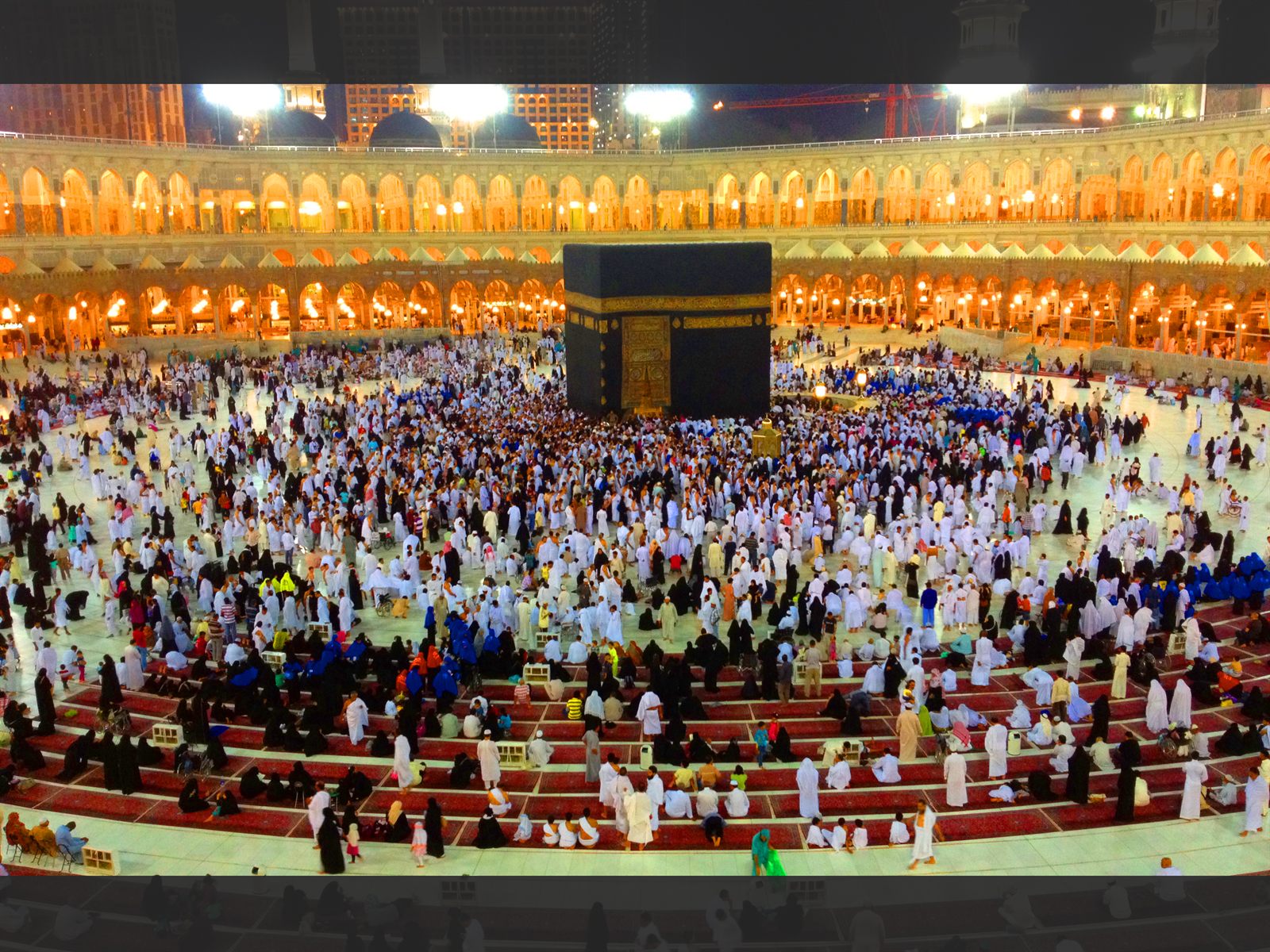
Three countries built a bigger flag to stand under. Nobody knows yet if 'an attack on one' actually means anything.
- On 7 August 2026, Saudi Arabia, Pakistan and Turkey signed the Mecca Joint Defense Agreement, stating that an armed attack on any one of the three "shall be regarded as an attack against them all," building on a bilateral Saudi-Pakistan pact from September 2025 under which Pakistani jet squadrons had already deployed to Saudi soil by May 2026.
- Combined, the three countries report about 1.4 million active-duty personnel, 3,415 military aircraft, 6,046 tanks and $124.4 billion in annual defense spending; Pakistan is the bloc's only declared nuclear power.
- A Saudi official denied within hours that the pact has anything to do with nuclear weapons, addressing speculation that it functions as a quiet Saudi nuclear umbrella.
- Analyst Harlan Ullman ties the timing directly to the current US administration signaling that allies must "fend for themselves," and notes "should be regarded" is not the same as "necessarily will be."
- The three countries deliberately avoided naming a common adversary, meaning Pakistan's dispute with India, Turkey's with Kurdish groups, and Saudi Arabia's with Iran remain three separate fights the pact doesn't obviously commit the others to.
What happened?
On 7 August 2026, Saudi Arabia, Pakistan and Turkey signed the Mecca Joint Defense Agreement, a mutual-defense pact stating that an armed attack on any one of the three 'shall be regarded as an attack against them all.' It builds on a bilateral Saudi-Pakistan pact from September 2025, under which Pakistan had already deployed jet squadrons and air-defense troops to Saudi Arabia by May 2026. Combined, the three countries report about 1.4 million active-duty personnel, 3,415 military aircraft, 6,046 tanks and 344 naval vessels, with $124.4 billion in annual defense spending. Pakistan is the bloc's only declared nuclear power; Turkey hosts US nuclear warheads under NATO arrangements; Saudi Arabia has none.
Why did it happen?
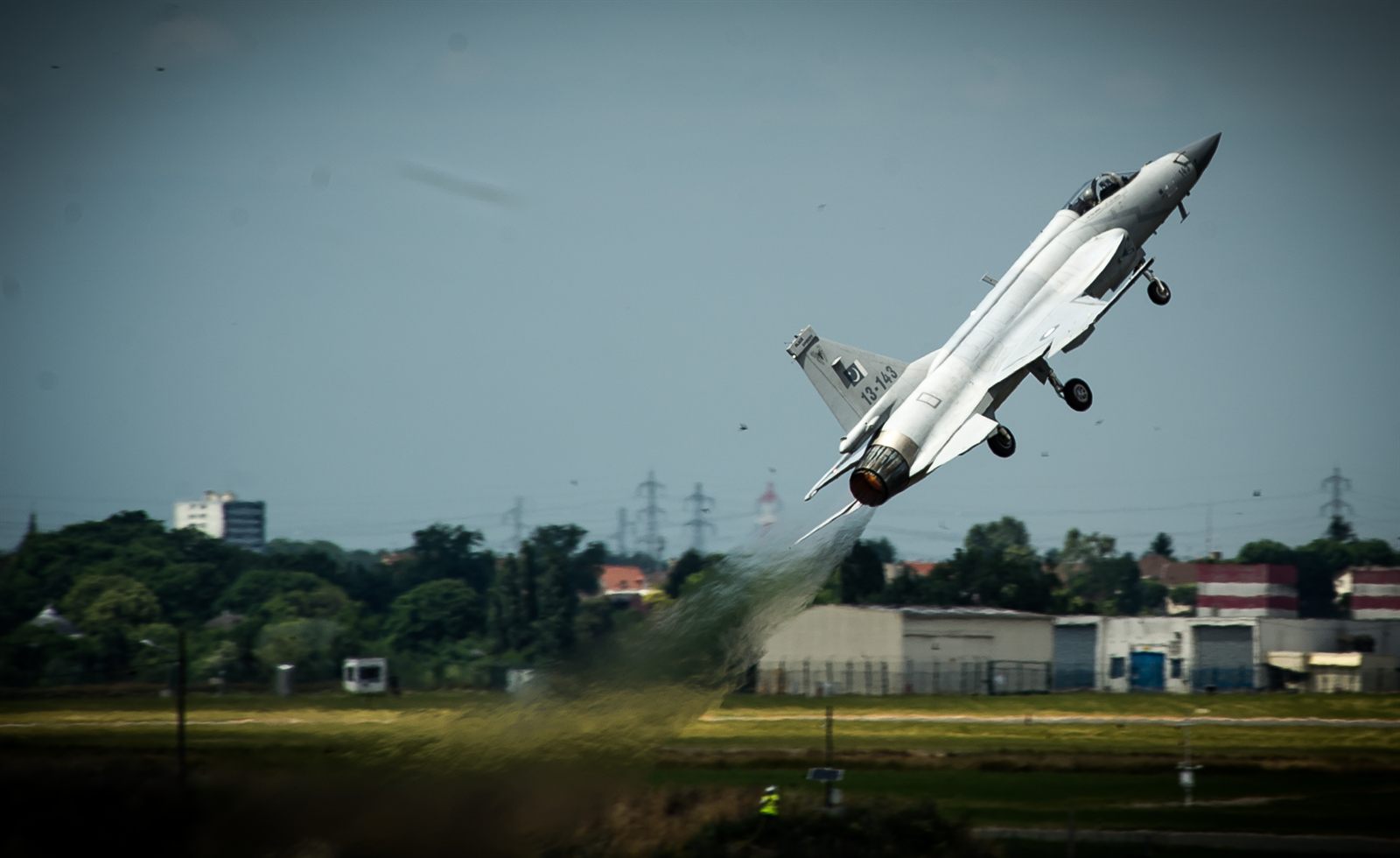
All three countries have reasons to hedge against relying on Washington alone. Saudi Arabia has absorbed strikes on its own territory during the Iran war without an Article 5-style US guarantee. Turkey is broadening its own alliance network independent of NATO's other members. Pakistan gains standing in the Middle East it did not have as a purely South Asian power. Analyst Harlan Ullman ties the timing directly to the current US administration signaling that allies must 'fend for themselves.'
Who benefits?
Diplomatically, all three governments gain a bigger flag to stand under and a signal to send Washington and Tehran alike. Saudi Arabia gets the appearance of a security guarantee without waiting on the US Congress. Pakistan gets Middle Eastern relevance beyond its usual South Asian lane. Turkey gets a second alliance structure alongside — not instead of — NATO. Whether any of the three gains real military protection is a separate, unanswered question.
UncertainWho loses?
Anyone who took NATO-style automaticity in the wording literally may be disappointed: analyst Harlan Ullman points out 'should be regarded' is not the same as 'necessarily will be,' and the three countries have deliberately avoided naming a common adversary — meaning Pakistan's dispute with India, Turkey's with Kurdish groups, and Saudi Arabia's with Iran are three separate fights the pact does not obviously commit the others to. Countries hoping this is a quiet Saudi nuclear umbrella — Israel's worst case, some Gulf-watchers' best case — lose that reading too: Riyadh and Islamabad have both denied it on the record.
LikelyWhat happened?
The Mecca Joint Defense Agreement was signed in the Saudi city that gives it its name, after what Atlantic Council analysts describe as nearly a year of negotiation extending the September 2025 Saudi-Pakistan bilateral pact into a trilateral one with Turkey's accession. The operative clause is deliberately close to NATO's Article 5 in wording — any armed attack on a member 'shall be regarded as an attack against them all' — though, as later analysis notes, it stops short of Article 5's more specific commitments. By the time of signing, the relationship already had substance: Pakistan had stationed jet squadrons and air-defense troops on Saudi soil since May 2026, evidence the bilateral pact was operational before Turkey joined. Al Jazeera's tally of the combined force, published 11 August 2026 and citing the 2026 Global Firepower Index, puts personnel at 1.4 million (Pakistan 660,000, Turkey 481,000, Saudi Arabia 247,000), aircraft at 3,415 (Pakistan 1,397, Turkey 1,101, Saudi Arabia 917), tanks at 6,046, and naval assets at 344 including 22 submarines, against combined annual defense spending of $124.4 billion (Saudi Arabia $63.9bn, Turkey $51.4bn, Pakistan $9.1bn). Security analyst Andreas Krieg, quoted in the same piece, cautioned that the three countries' capabilities 'could complement one another' but that the US remains essential for intelligence, advanced missile defense and high-end military technology — meaning the raw totals overstate how much the bloc can actually field as a combined force today.
Why did it happen?
The Atlantic Council's three regional experts each read a different primary motive. For the Gulf, Allison Minor frames it as Saudi Arabia effectively giving up on securing an Article 5-equivalent US guarantee after absorbing Iranian drone and missile strikes during the ongoing war without one; Michael Kugelman reads Pakistan's angle as converting a bilateral defense relationship into broader Middle Eastern diplomatic standing; Rich Outzen frames Turkey's accession as extending Ankara's alliance network beyond NATO, where its relationships with other members are already strained. Al Jazeera's companion piece adds the explicit skeptical read: Harlan Ullman, chairman of the Killowen Group, ties the pact's timing to the Trump administration signaling that allies 'must fend for themselves,' prompting states to 'look elsewhere' for security partnerships — a US-reliability hedge more than a response to any single named adversary. Scored likely rather than confirmed because none of the three governments has stated a single explicit trigger; the pattern across all three independent analyses converges on the same reading, but it is inference from timing and context, not an admitted rationale.
Who benefits?
The clearest beneficiary is diplomatic standing rather than hard capability. Michael Kugelman's read for the Atlantic Council is that Pakistan's role — it was the senior military partner in the original bilateral pact — extends Islamabad's relevance into Gulf security debates it was previously a supplier to (jets, troops) rather than a party of. Saudi Arabia gains a public, signed answer to the absence of a US mutual-defense treaty, even if, as Deputy Minister for Public Diplomacy Rayed Krimly stated on the day of signing, the kingdom insists the pact 'is not linked to any nuclear ambitions or arms race' and is 'focused on building sustainable capabilities' rather than any specific guarantee. Turkey gains a second security architecture that does not require NATO consensus, useful for a member state whose relationships with several NATO allies are already strained. Scored uncertain because the diplomatic gain is immediate and visible while the military gain — whether any signatory would actually receive help in a real attack — is exactly the question question 4 below leaves open.
UncertainWho loses?
Al Jazeera's regional-order analysis is the clearest statement of who does not get what they might expect. Ullman's core doubt — 'should be regarded' as 'the operative phrase because that does not mean necessarily' — applies directly to the scenario most likely to test the pact early: a Houthi attack on Saudi Arabia, which is not obviously the kind of state-on-state aggression the clause was written for. The piece also notes the three members face distinct, non-overlapping threats — Pakistan's border tensions with Afghanistan and India, Saudi Arabia's stand-off with Iran, Turkey's Kurdish conflict — raising the question of whether a partner would actually commit forces to a fight that is not its own. Separately, the persistent read of this as a de facto Saudi nuclear umbrella is directly disputed: Rabia Akhtar's Belfer Center analysis of the original bilateral pact found no evidence Pakistan has retargeted its India-focused nuclear doctrine toward the Middle East, and Krimly's on-the-record denial at the Mecca signing itself explicitly rules out a nuclear or arms-race framing. Scored likely, not confirmed, because the losers here are inferred from what the pact does NOT commit to rather than a resolved test case — the actual test, per Al Jazeera's own conclusion, has not yet happened.
LikelyDomino Effect
The causal chain so far. Read the dates against each other — that is the whole argument.
NATO's own Article 5 has been invoked exactly once in over 75 years, after the 11 September 2001 attacks, and even then each member chose its own form of response — automaticity in the text has never meant automaticity in practice, even in the alliance the Mecca pact's wording most resembles. The honest reading, per Ullman's own point, is that 'should be regarded as an attack against them all' is closer to NATO's actual Article 5 language and history than to the more ironclad promise a headline reading suggests. Three states with three separate, non-overlapping conflicts (Pakistan-India, Turkey-Kurdish groups, Saudi Arabia-Iran) signed a clause that has not yet been tested against any of them — which is exactly why question 4 above is scored likely, not confirmed: the pattern of hedged, non-automatic alliance commitments is well established elsewhere; whether this pact repeats or breaks that pattern is unknown until something forces the question.
Corrections & revisions
1Every change to this analysis since publication, with the reason. We append here — we don't rewrite. A number that changes silently is indistinguishable from never having been wrong.
RSS feed-
REVISITRewrote the "why this matters to you" hook. three regional powers built a bigger flag to stand under than any one of them had alone, without yet answering the question every alliance eventually gets asked for real → Three countries built a bigger flag to stand under. Nobody knows yet if 'an attack on one' actually means anything.Operator decision, 2026-08-19: whyItMatters.outcome is now the page's primary hook and every analysis was rewritten to a single short, concrete, human-stakes sentence (docs/EDITORIAL.md, Permanent standards #4) — replacing several that had grown into full paragraphs or abstract policy-thesis phrasing.
Sources
5 sources
Every source behind the Trust Index above. Follow them — a trust score you can't check is decoration.
- Why Saudi Arabia, Pakistan, and Turkey just signed a defense pact
- What are Saudi Arabia, Turkiye and Pakistan's joint military capabilities?
- Will Pakistan-Saudi-Turkiye alliance actually create a new regional order?
- Beyond the Hype: Pakistan-Saudi Defense Pact Is Not a Saudi Nuclear Umbrella
- Defense pact with Türkiye, Pakistan not about nuclear arms: Saudi official
Nothing here stands alone. This story is one node in a wider web — every card is another thread you can pull.