Iceland Voted No to the EU. Trump's Greenland Threats Didn't Move a Single Ballot.
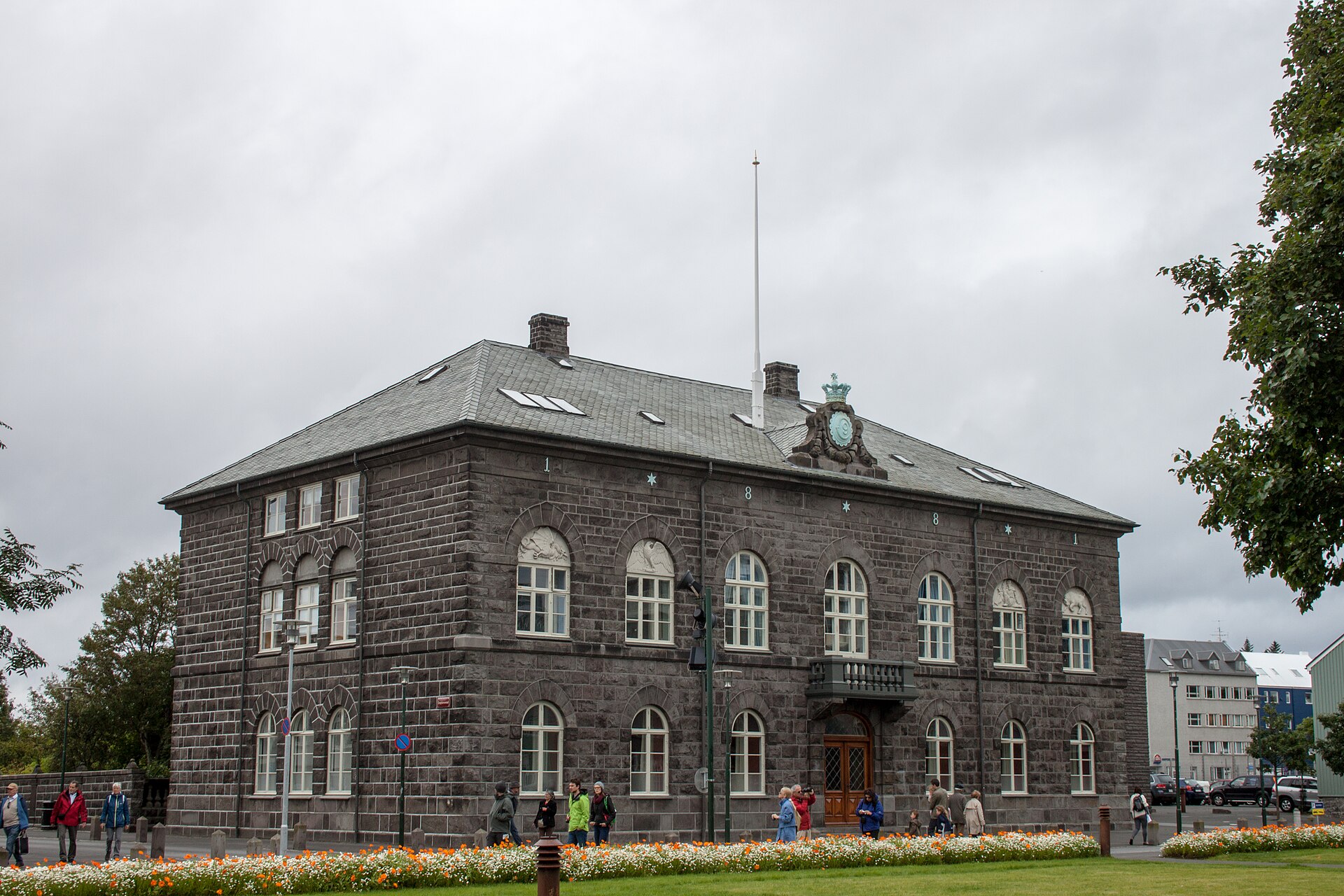
For at least two more years, a country of under 400,000 people keeps total control of one of the richest fishing grounds in the North Atlantic — even with the US president openly talking about taking its next-door neighbour by force.
- Iceland held a referendum on 29 August 2026 asking only whether to restart EU membership talks — a Yes wouldn't have made it a member, just reopened accession negotiations, subject to a second future referendum.
- On turnout of 82.5%, voters said no by 52.8% to 47.2%, a gap of about 13,000 votes out of more than 225,000 cast; the government had moved the vote forward from 2027 partly because of Trump's repeated talk of taking Greenland.
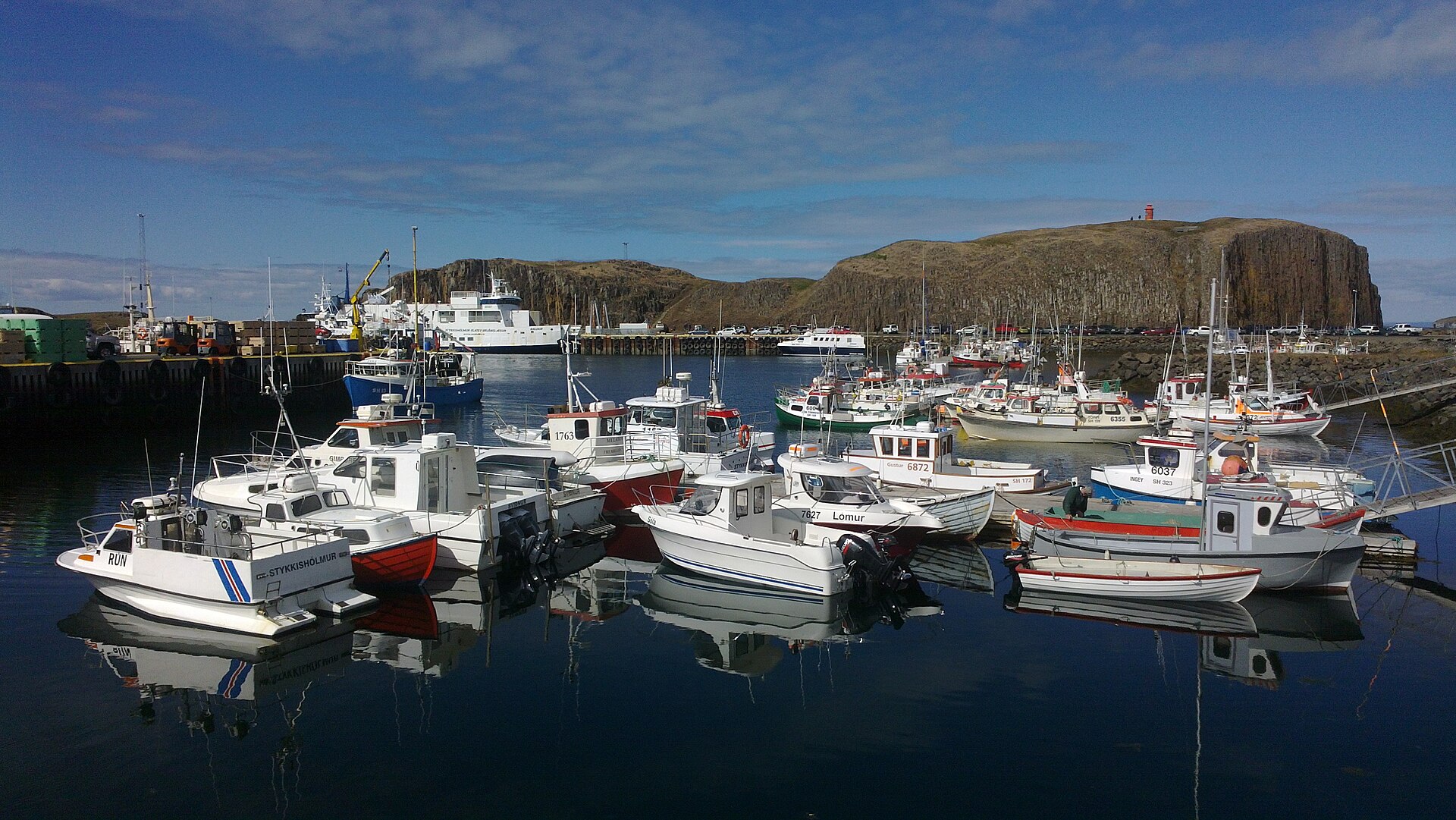
- Iceland's fishing industry, worth 40% of the country's exports, campaigned hard against joining, warning EU quota rules would open Icelandic waters to Spanish and Dutch trawlers — and the fisheries argument beat the security argument at the ballot box.
- Prime Minister Kristrún Frostadóttir shelved the EU question until at least 2028, saying she won't bring it back unless "something big has to change."
- Iceland was, by EU officials' own account, about as easy a candidate as exists — rich, already democratic, already tied into EU rules through other agreements — and it still said no, denying Brussels its clearest test case that security anxiety can pull reluctant wealthy states toward membership.
What happened?
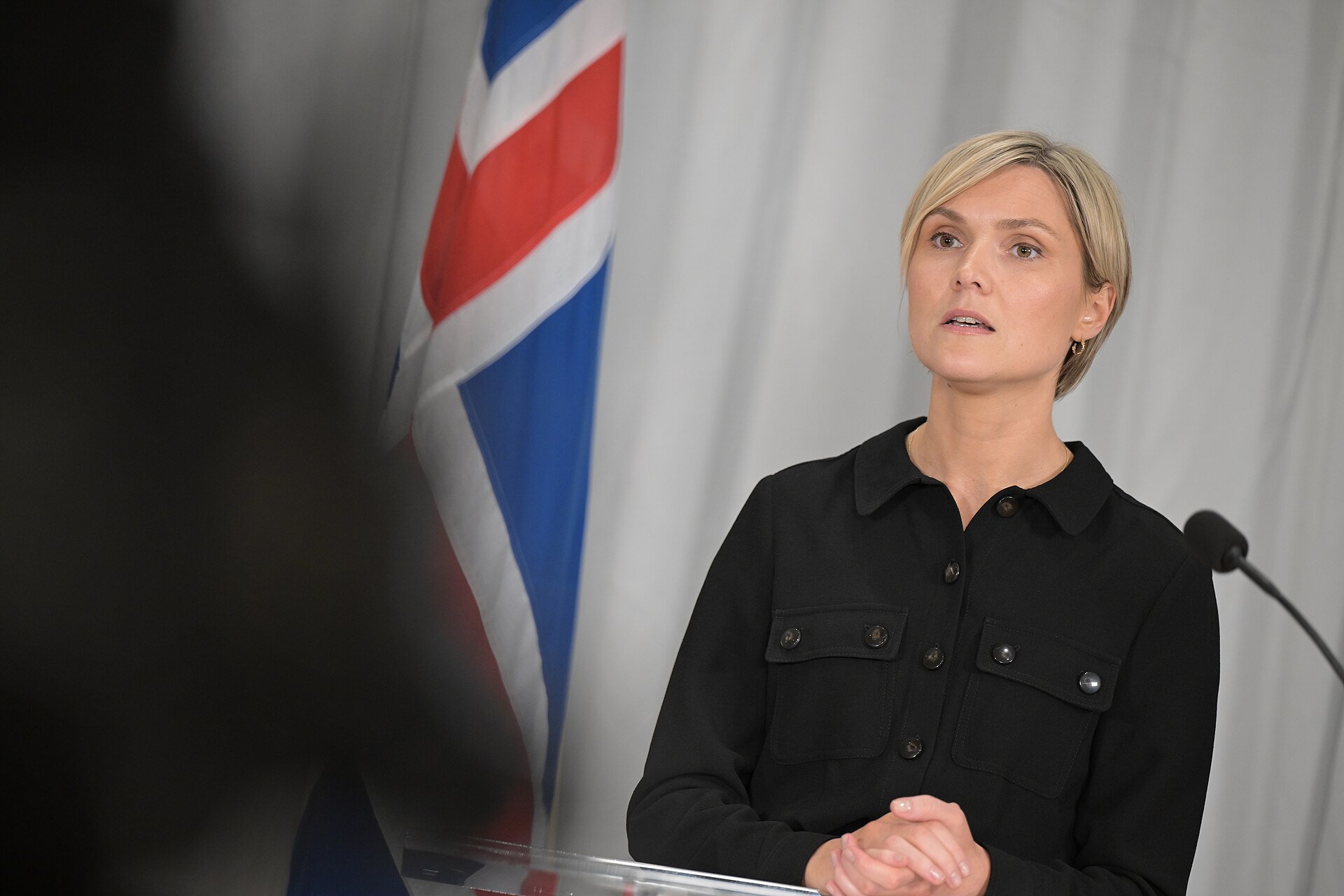
On 29 August 2026, Iceland held a referendum asking a single question: should the government restart talks to join the European Union? Voters said no — 52.8% to 47.2%, a gap of about 13,000 votes out of more than 225,000 cast, on a high turnout of 82.5%. A Yes would not have made Iceland a member by itself; it would only have restarted accession talks, with any final deal put to a second referendum later. Because voters said no, nothing changes: Iceland stays inside the EU's single market and the passport-free Schengen zone through existing separate agreements, but stays outside the union itself, with no membership process running. Prime Minister Kristrún Frostadóttir said she will not bring the question back unless "something big has to change" in the next two years.
Why did it happen?
Two forces pulled in opposite directions, and the one closer to home won. Trump's threats to take Greenland by force put Arctic security on the agenda — the government even moved the referendum forward a year because of it, and EU officials pitched membership as protection in an unstable region. But Iceland's fishing industry, which brings in 40% of the country's export income, campaigned hard against joining, warning that EU quota rules would hand its waters to foreign trawlers. Reporters and academics who covered the campaign up close found the fisheries argument beat the security argument: voters worried more about who controls their fish than about a threat many saw as aimed at Greenland, not Iceland.
Who benefits?
Iceland's fishing industry keeps full control of its own waters and quotas, which is exactly what it campaigned for. The parties that opposed the vote — including the Independence Party and Centre Party — get to claim they read the country correctly. Beyond Iceland's borders, the result is a data point for every government that wants to argue EU membership isn't worth the trade-offs, at a moment when Brussels is trying to use security anxiety to bring wealthy, reluctant states closer.
UncertainWho loses?
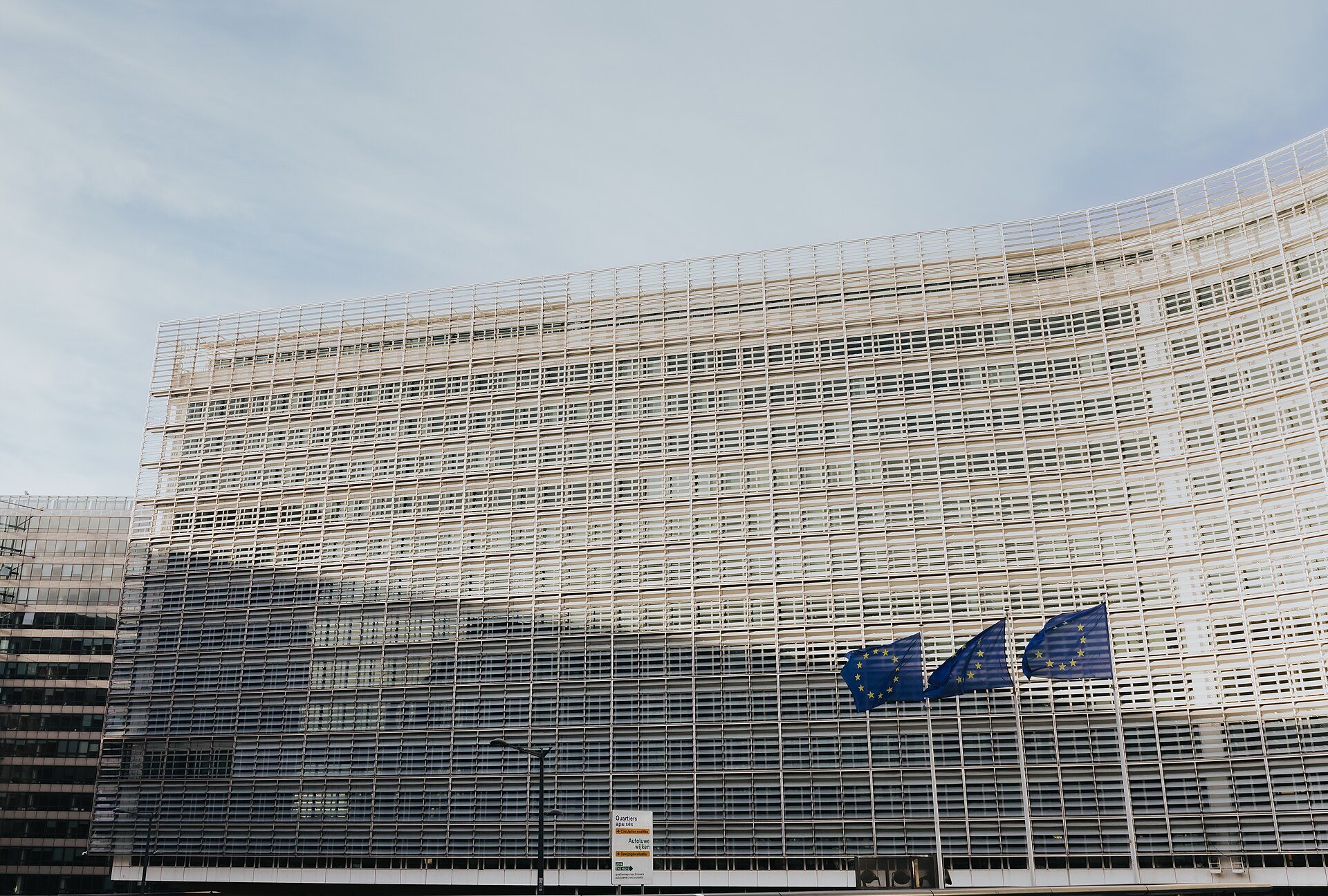
Brussels loses the clearest test case it had for a new argument: that a dangerous world should push wealthy, comfortable countries toward the EU for protection. Iceland was, by EU officials' own account, about as easy a candidate as exists — rich, already democratic, already tied into EU rules through other agreements — and it still said no. The Prime Minister loses a signature initiative and now has to govern for two more years with the question closed. And anyone hoping this vote would settle Iceland's Arctic-security debate loses that too: the vote answered the fisheries question, not the security one.
What happened?
The referendum asked: "Should Iceland resume accession negotiations with the European Union?" Final results gave No 52.84% (118,040 votes) against Yes 47.16% (105,339 votes), out of 223,379 valid ballots on 82.5% turnout — one of the highest turnouts in Iceland's electoral history. The result split sharply by geography: Reykjavík's two constituencies voted Yes (57.5% and 54.5%), while every rural constituency voted No, peaking at 62.9% in the Northwest. Prime Minister Kristrún Frostadóttir, whose Social Democratic Alliance had pushed for the vote, told reporters "47% of the population was interested in it. I think it is important that we go into the coming months and respect that point of view," and separately said she would not revisit EU membership unless "something big has to change" before her term ends in 2028. Opposition leader Guðrún Hafsteinsdóttir said the result meant Icelanders were "sending a clear message that we intend to steer that course ourselves." EU Enlargement Commissioner Marta Kos acknowledged "Iceland's unique specificities on fisheries and agriculture are well known" while saying she remained confident in finding "creative solutions" — diplomatic language for a result Brussels did not want. Nothing about Iceland's existing relationship with the EU changes: its membership of the European Economic Area (adopting roughly 9,000 EU legal acts without a vote on them) and the Schengen zone both continue exactly as before.
Why did it happen?
Iceland's government had planned this referendum for 2027; RTÉ Europe Editor Tony Connelly reported it was moved up to August 2026 specifically in response to Trump's Greenland threats, with pro-negotiation campaigner Jónas Hagan saying "geopolitics has played a part in it, of course. We are very close to Greenland, and it's quite scary to witness the statements coming from America." Brussels leaned into that framing: Enlargement Commissioner Marta Kos argued that "in a world where we face pressures from East and West, where old alliances are fading... becoming stronger together is our biggest asset," explicitly selling accession as a security guarantee to a wealthy, reluctant candidate. It didn't work. Political scientist Eirikur Bergmann told RTÉ that "Iceland survives on fisheries... Iceland would dominate fisheries within the European Union" if it joined on the bloc's terms — a way of saying the industry has too much to lose to be talked out of it by a threat aimed at a different country. Post-vote analysis was blunter still: European Policy Centre analyst Chris Kremidas-Courtney said "EU membership did not offer any unique territorial security guarantee. The referendum therefore turned on the economic bargain, especially on fisheries, currency, and sovereignty," and University of Iceland politics professor Hulda Þórisdóttir said security "was not a decisive issue during the campaign, as it was much less present than many anticipated." That is why this sits at "likely" rather than "confirmed": the Greenland/Arctic angle is documented as present and as the reason the vote was moved up, but the claim that fisheries specifically outweighed it in the final tally is an analyst read of a secret ballot, not a measured fact.
Who benefits?
The clearest winner is structural rather than personal: the status quo. Iceland's fishing sector avoided the one outcome it organised against — losing sovereign control of its quotas to the EU's Common Fisheries Policy — without having to make any concession to get there. Opposition leader Guðrún Hafsteinsdóttir's framing, that voters were "sending a clear message that we intend to steer that course ourselves," is the argument the No campaign will use going into the next general election. Beyond Iceland, the result is useful to anyone arguing that the EU's newer pitch for enlargement — that joining buys protection in an unstable world — doesn't automatically convert into votes, even in a small, wealthy, already-NATO-aligned state with every economic reason to want stability. That is a data point Norway's own long-standing non-membership campaigners, and Eurosceptic parties elsewhere in Europe, can point to. This sits at "uncertain" because none of these are quantifiable wins — no market moved, no treaty changed — and because the vote was won by roughly five points on a single-issue campaign that could look very different next time fisheries and security trade off differently.
UncertainWho loses?
Euronews' own post-result analysis is titled around exactly this loss: "Iceland's 'no' vote deals a blow to Brussels' security pitch to wealthy nations." The mechanism is specific — EU officials had hoped a state as economically integrated and geopolitically aligned as Iceland would be the case that proved membership pays off even without urgent economic need, and instead the security argument was, in analyst Chris Kremidas-Courtney's words, simply insufficient: "EU membership did not offer any unique territorial security guarantee." That is a loss the EU can expect to have thrown back at it the next time it courts a Nordic or Balkan holdout on security grounds. Domestically, Prime Minister Frostadóttir's government spent political capital calling a vote it lost, and by her own account will not attempt it again before 2028 absent a major shift — a multi-year opportunity cost for the pro-EU coalition partners who backed the referendum. And the loss that gets the least attention: nothing about Iceland's actual exposure to Arctic instability changed on 30 August. It still sits on the GIUK gap with no standing army of its own, reliant on a 1951 defence treaty with the United States and NATO allies for the coastguard duty of monitoring over 800,000 square miles of ocean — the same position it was in on 28 August, before a vote that was supposed to be partly about exactly that.
Domino Effect
The causal chain so far. New dominoes append as they fall.
Corrections & revisions
noneEvery change to this analysis since publication, with the reason. We append here — we don't rewrite. A number that changes silently is indistinguishable from never having been wrong.
RSS feed- No corrections yet. When we get something wrong, the fix is logged here rather than quietly applied.
Sources
4 sources
Every source behind the Trust Index above. Follow them — a trust score you can't check is decoration.