Syria's Kurds Just Handed Over Their Army. The Camp Holding Islamic State's Families Emptied on the Way.
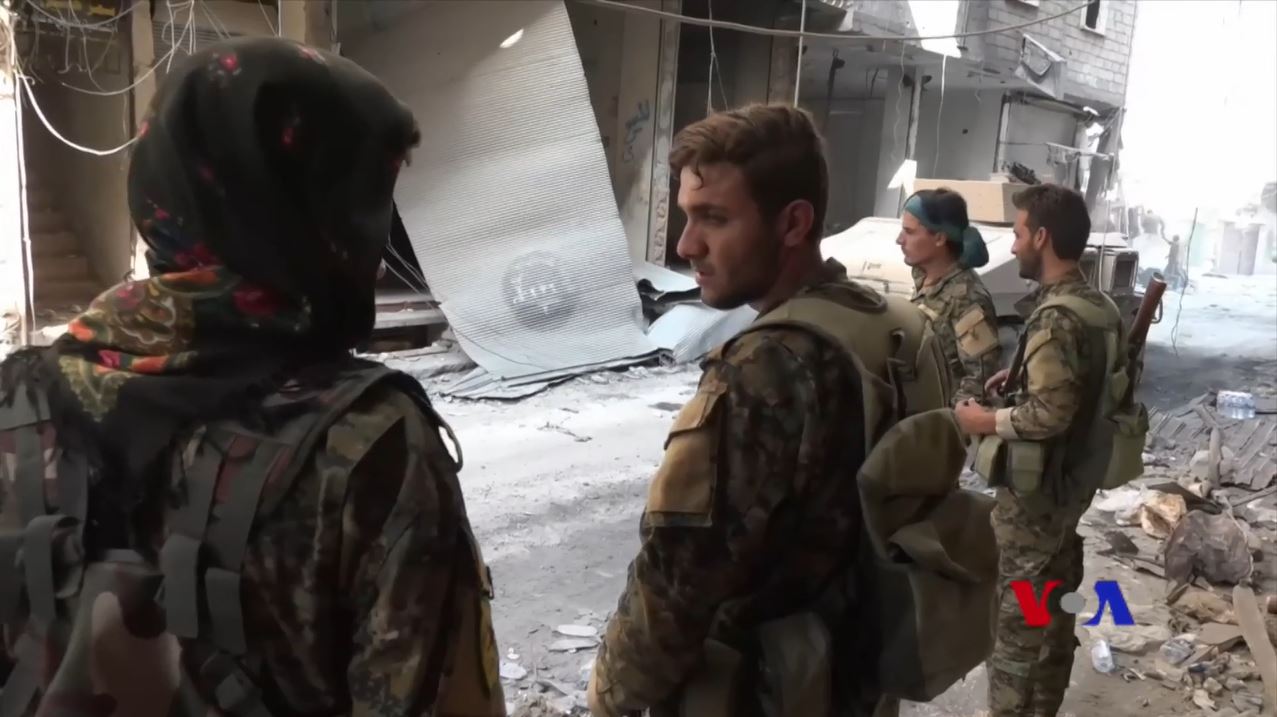
The camp holding Islamic State's families emptied on the way to this deal — about 20,000 people, from some 40 countries, and nobody knows where they went.
- On 21 August 2026, at Qamishli's centenary celebration, SDF commander Mazloum Abdi declared the integration of Kurdish-led forces into the Syrian state "complete," ending a decade of self-governing Kurdish rule in north-east Syria.
- The integration followed defeat, not negotiation from strength: when a March 2025 deadline to integrate lapsed, Damascus attacked in January 2026, Arab tribal fighters who made up much of the SDF's manpower defected, and Raqqa, Deir ez-Zor and most of Hasakah fell in under a week.
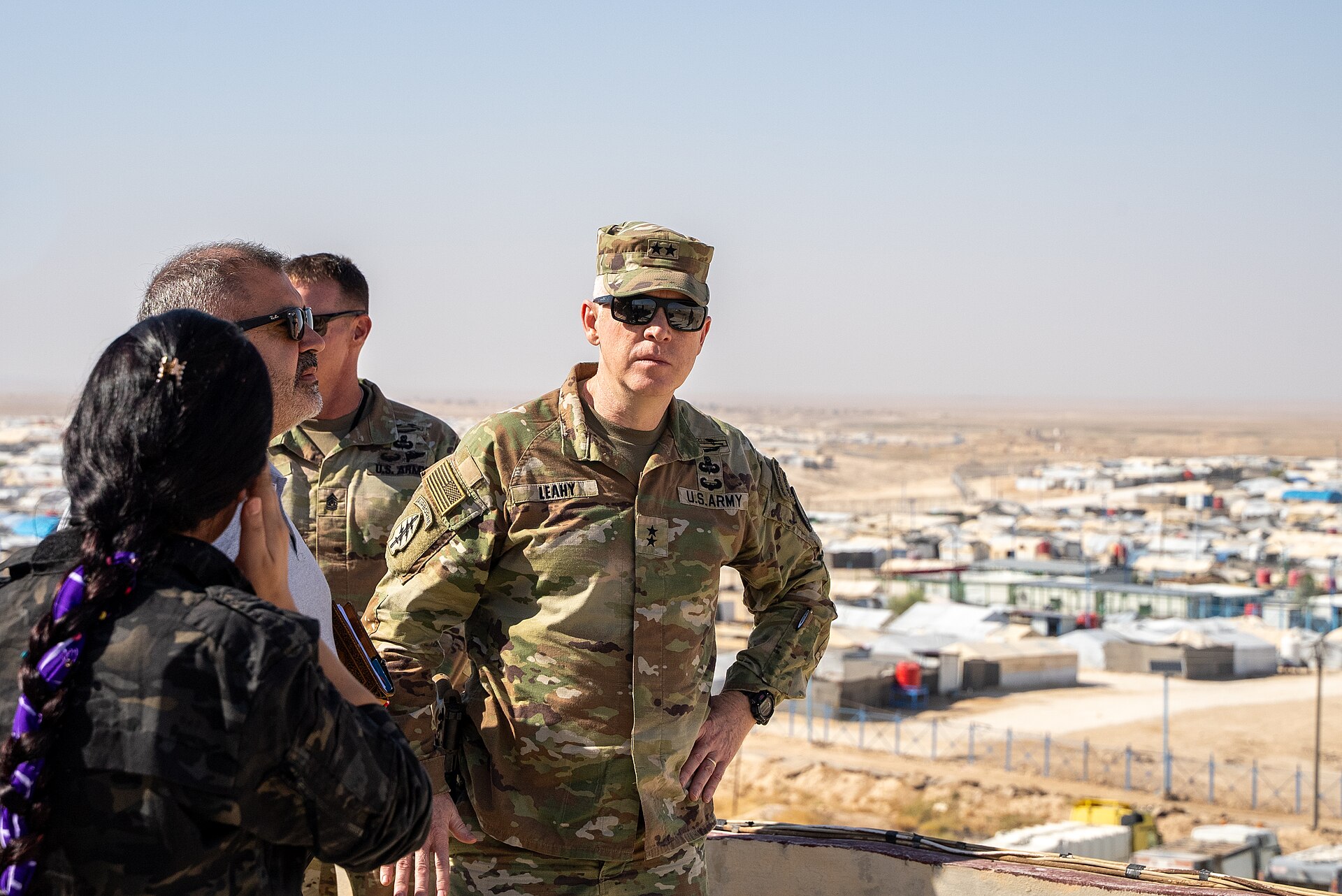
- The detention system holding Islamic State's captured fighters and families collapsed with the territory — US Central Command moved 5,704 detainees to Iraq in a 23-day emergency operation, but by late February al-Hol camp was effectively empty, with roughly 20,000 people from about 40 countries unaccounted for.
- In the 30 January agreement, the SDF gave up Raqqa, Deir ez-Zor, its heavy weapons, border crossings, main roads and oil fields; in exchange Kurdish became a national language and stateless Kurds got citizenship — by decree, not constitutional protection.
- The Kurdish women's units were not integrated at all, researchers say, and Damascus now controls the oil fields and the whole east of the country for the first time since the war against Islamic State began.
What happened?
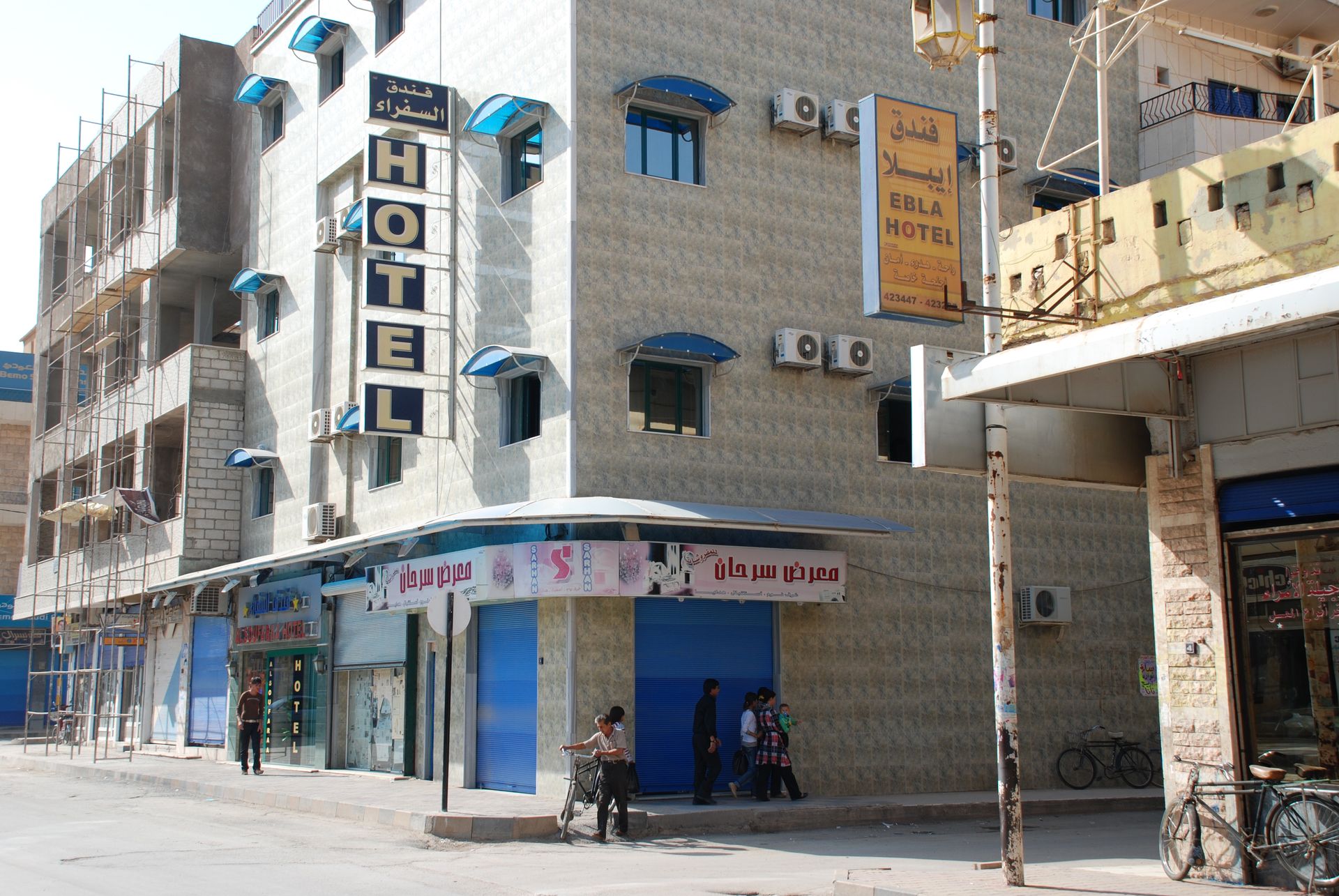
On 21 August 2026, at a celebration marking 100 years since Qamishli was founded, SDF commander Mazloum Abdi said the merger of his forces into the Syrian state was finished: 'the process of integrating our military, security, and administrative institutions into the institutions of the state has ended and been fully completed.' Damascus called it 'an important and positive step'. In practice it is the end of the self-governing Kurdish region in north-east Syria that has existed since the war against Islamic State.
Why did it happen?
Because the SDF lost. When the March 2025 deadline to integrate passed without integration, Damascus attacked in January 2026 and the SDF's front collapsed in about a week — largely because the Arab tribal fighters who made up much of its strength changed sides. The agreement signed on 30 January was negotiated from that position, not from the one the SDF held a month earlier.
ConfirmedWho benefits?
Damascus most of all: it now controls the oil fields, the border crossings and the whole east of the country for the first time since the war began, without a rival army inside its borders. Turkey gets the thing it has demanded for a decade — the SDF dissolved and foreign Kurdish fighters gone. And Islamic State, which does not need territory to benefit, gets a detention system that fell apart while custody changed hands.
Who loses?
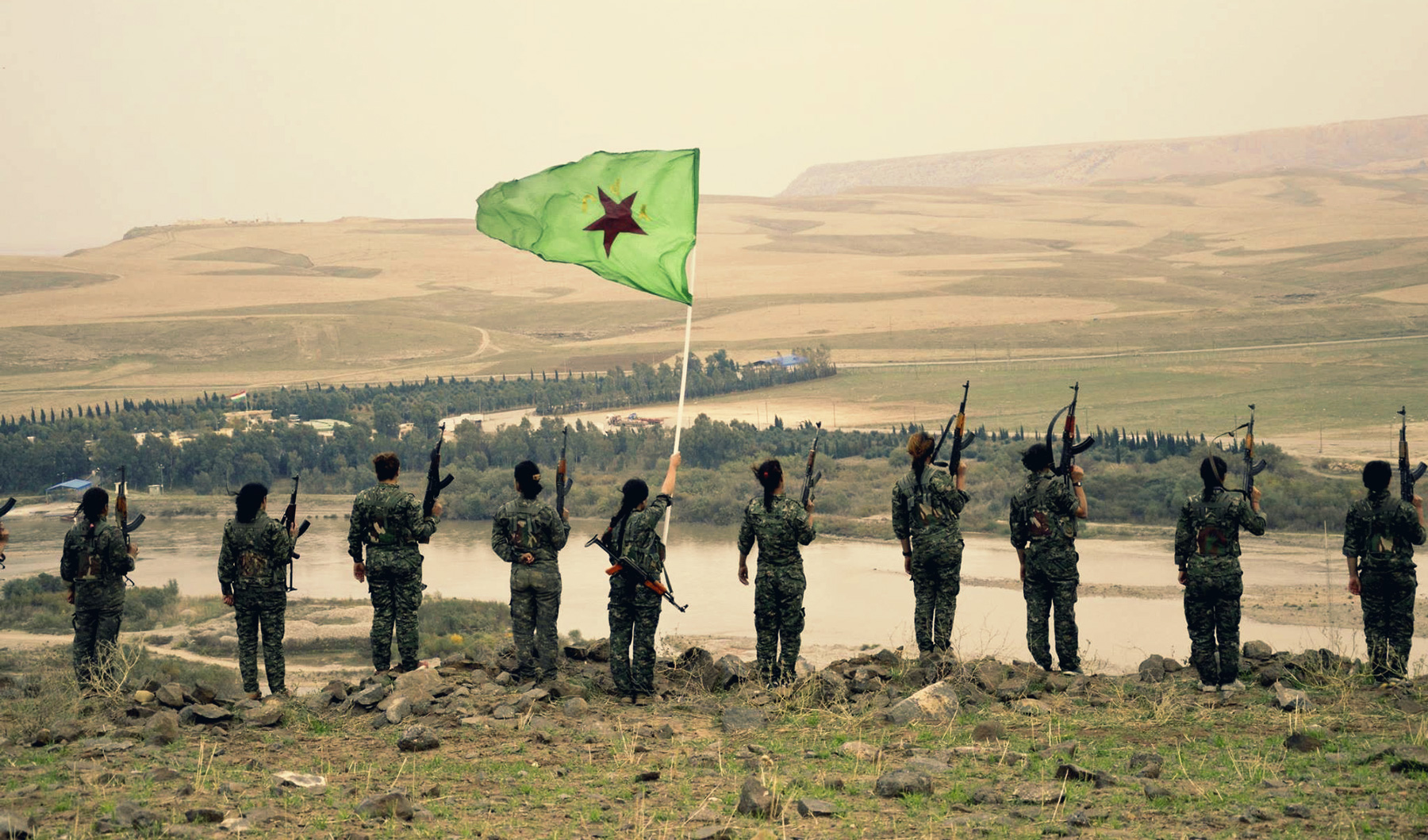
Syria's Kurds lost the self-rule they had held for a decade and did not get constitutional protection in exchange — only decrees, which a later government can undo. The Kurdish women's units appear to have lost the most: researchers say Damascus refused to absorb them at all, as units or as individuals. And everyone downstream of a detention system that emptied without records loses too — 20,000 people from about 40 countries, unaccounted for.
What happened?
The integration was formalised by an agreement of 30 January 2026, mediated by the United States and France and endorsed by Turkey, which replaced a looser framework Abdi and President Ahmed al-Sharaa had signed on 10 March 2025. The Middle East Council's account of the January deal lists what changed hands: Raqqa and Deir ez-Zor ceded unconditionally, heavy weapons, borders, crossings, oil fields and main roads transferred to state control, and the autonomous administration's institutions merged into state bodies. Selected military units were integrated under Syrian command; the local Asayish internal security force was absorbed; civilian staff were largely retained. Implementation is visible in the appointments: a Kurd from Qamishli is now governor of Hasakah, a senior Kurdish commander is the defence ministry's assistant for the eastern region, and government forces have taken over Hasakah, Qamishli and the Qamishli airport. Abdi also said that Kurdish fighters from Iraq, Iran and Turkey who had come to defend Rojava have left Syria — the demand Ankara has made loudest and longest. What he did not claim was a political settlement. His own framing was that 'the next battle will be political', and: 'Our struggle will continue, to cement our people's rights in the constitution.'
Why did it happen?
Özge Genç's account for the Middle East Council is blunt about the sequence: Damascus launched 'a fast-paced assault' in January 2026 after integration talks stalled, took the Arab-majority areas of Raqqa and Deir ez-Zor as the SDF withdrew under pressure, and by mid-January had pushed Kurdish control back toward Hasakah and Qamishli. She identifies the decisive weakness as the coalition's 'inherent brittleness' — Arab tribal actors defecting at the moment it mattered. Times of Israel's reporting puts the same thing in force terms: mass defections cut the SDF's strength roughly in half. Two outside decisions made the outcome possible. Washington, which had armed and partnered with the SDF for a decade, signalled it would work through the Syrian state instead — envoy Tom Barrack called the developments 'a major opportunity' — and coordinated the ceasefire rather than the defence. Ankara consented to a force-led approach while keeping its core demands unchanged: no PKK spillover, the SDF dissolved and disarmed. Genç's summary of what integration therefore is: 'coercive consolidation on the ground, paired with selective, state-managed recognition of rights from above.' Confirmed, because the military sequence, the defections and the two external positions are all documented on the record.
ConfirmedWho benefits?
For the transitional government the gains are concrete and immediate: 'one state, one army' as the Hasakah deputy governor put it, plus the oil and gas fields that give Damascus economic leverage over the north-east it did not previously have. For Ankara the win is definitional — it never accepted the SDF as anything but the PKK under another name, and Abdi's confirmation that Iraqi, Iranian and Turkish Kurdish fighters have left Syria removes the stated grievance without Turkey firing the decisive shot. The third beneficiary is the uncomfortable one. The Irregular Warfare Initiative's analysis of al-Hol's collapse counts roughly 40,000 people across 27 facilities and camps in the north-east, about 9,000 of them in formal detention. Its argument is that Islamic State's current posture is not territorial: the group keeps 'a low signature with disruptive narratives, focusing on preserving auxiliary networks', and a detention system that empties without documentation is exactly what lets it 'operate across this spectrum… without the territorial exposure'. Likely rather than confirmed: Damascus's and Ankara's gains are documented facts, but the claim that Islamic State is materially stronger for this is one analyst's reading of a group whose strength nobody can currently measure.
Who loses?
The gains the SDF took away are real but revocable. Decree No. 13 of 16 January 2026 granted citizenship to stateless Kurds, recognised Kurdish as a national language — a first since Syria's independence in 1946 — and made Newroz a national holiday. None of it is in the constitution, which is exactly Abdi's stated next fight and exactly what Kurdish political bodies have said they will not accept as sufficient. Bente Scheller of the Heinrich-Böll-Stiftung, quoted by The National, describes ambitions that have shrunk in scope: hopes for self-rule 'are now seen as more likely to survive only at the municipal rather than provincial level', and 'the integration of women's units has been denied', with the government 'apparently not allowing for integration on an individual basis' either — which strands the fighters most identified with the war against Islamic State outside the army that replaced them. The wider loss is the detention system. CENTCOM's 23-day operation from 21 January to 12 February moved 5,704 detainees of 61 nationalities into Iraqi custody — 3,543 Syrians, 467 Iraqis, 710 from other Arab states and more than 980 from Europe, Asia, Australia and the US — explicitly to prevent 'a breakout' after Syrian forces drove the SDF from the north. What the operation did not cover was the families. Al-Hol held about 25,000 people at its peak; by late February it was effectively emptied, with roughly 20,000 unaccounted for and no coordinated plan to document or reintegrate any of them. Confirmed: every figure here is stated by CENTCOM, the Iraqi judicial cooperation centre, or the published camp analysis.
Domino Effect
The causal chain so far. Read the dates against each other — that is the whole argument.
There is a serious case for it, and Damascus is not the only one making it. Syria spent a decade with two armies inside one border, and 'one state, one army' is not a slogan invented to justify this operation — it is the condition most postwar settlements require before anything else works. The Kurds did not leave empty-handed: citizenship for the stateless, Kurdish recognised as a national language for the first time since 1946, Newroz a national holiday, Kurdish officials running Hasakah and sitting in the defence ministry. The United States and France mediated, Turkey endorsed it, and it ended a shooting war in weeks rather than years. Two things keep that from being the whole story. Every one of those gains arrived by decree, which means the same authority can withdraw them — and Abdi, the person best placed to judge, treats the constitutional fight as still ahead rather than won. And the detention question is not a Kurdish grievance at all: about 20,000 people from some 40 countries left al-Hol during the transition and no state, including the ones their passports name, currently knows where they are. A settlement can be the best available outcome and still have left that behind it.
Corrections & revisions
noneEvery change to this analysis since publication, with the reason. We append here — we don't rewrite. A number that changes silently is indistinguishable from never having been wrong.
RSS feed- No corrections yet. When we get something wrong, the fix is logged here rather than quietly applied.
Sources
6 sources
Every source behind the Trust Index above. Follow them — a trust score you can't check is decoration.
- Damascus hails SDF chief's remarks on integration completion as 'important and positive'
- Syrian Kurds announce completion of civil, military integration with Damascus
- SDF integration into Syrian state marks milestone but key tensions unresolved, experts say
- How Damascus Reclaimed Syria's Northeast, and What Integration Now Means
- US says over 5,700 suspected ISIL detainees relocated from Syria to Iraq
- Al-Hol's Collapse: How Syria's Detention Crisis is Enabling Islamic State Resilience
Nothing here stands alone. This story is one node in a wider web — every card is another thread you can pull.