Nepal Asked China for Flood Warnings in May. In August, a Mountain Fell Without One.
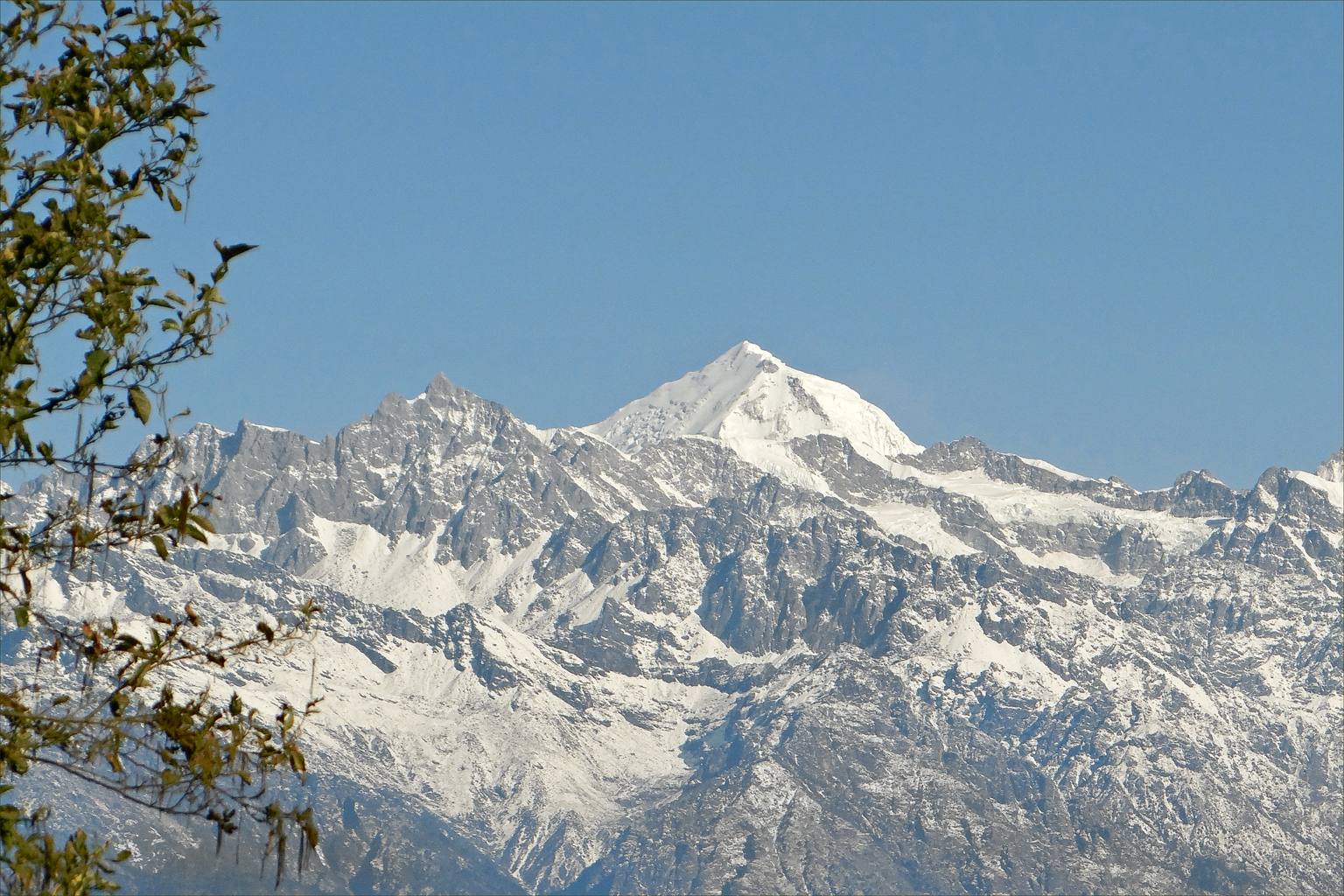
Families in Rasuwa are still counting the dead from a flood Nepal says it asked China to help prevent — and the lake that could do it again is still rising.
- On 26 August 2026, a mass of ice and rock broke off Langtang-Lirung mountain on the Tibetan side of the Nepal-China border, slammed into a river, briefly dammed it, then burst and sent a wall of debris more than 60 miles down the Trishuli river into Nepal's Rasuwa district.
- At least 955 people are dead and more than 4,400 are still missing — 939 dead and 3,925 missing in Nepal, plus 16 dead and 546 missing on the Tibetan side, including 85 Americans still unaccounted for.
- The Langtang region has been warming at roughly four times the global average, which researchers link to the kind of glacier and permafrost failure behind the collapse.
- Nepal had asked China at a meeting in May 2026 for real-time early warning about glacier movement on the Tibetan side; Chinese officials said they lacked the authority to agree and asked for more talks instead.
- A new lake of dammed debris water has since formed at the collapse site and is still rising, threatening the same villages a second time.
What happened?
On the morning of 26 August 2026, a mass of ice and rock broke off Langtang-Lirung mountain on the Tibetan side of the Nepal-China border. It slammed into a river, briefly dammed it, then burst and sent a wall of ice, water and debris more than 60 miles down the Trishuli river into Nepal's Rasuwa district, burying buildings, roads and bridges. As of the latest count, at least 955 people are dead and more than 4,400 are still missing — 939 dead and 3,925 missing in Nepal, plus 16 dead and 546 missing on the Tibetan side, including 85 Americans still unaccounted for. A new lake of dammed debris water has since formed at the collapse site and is still rising.
Why did it happen?
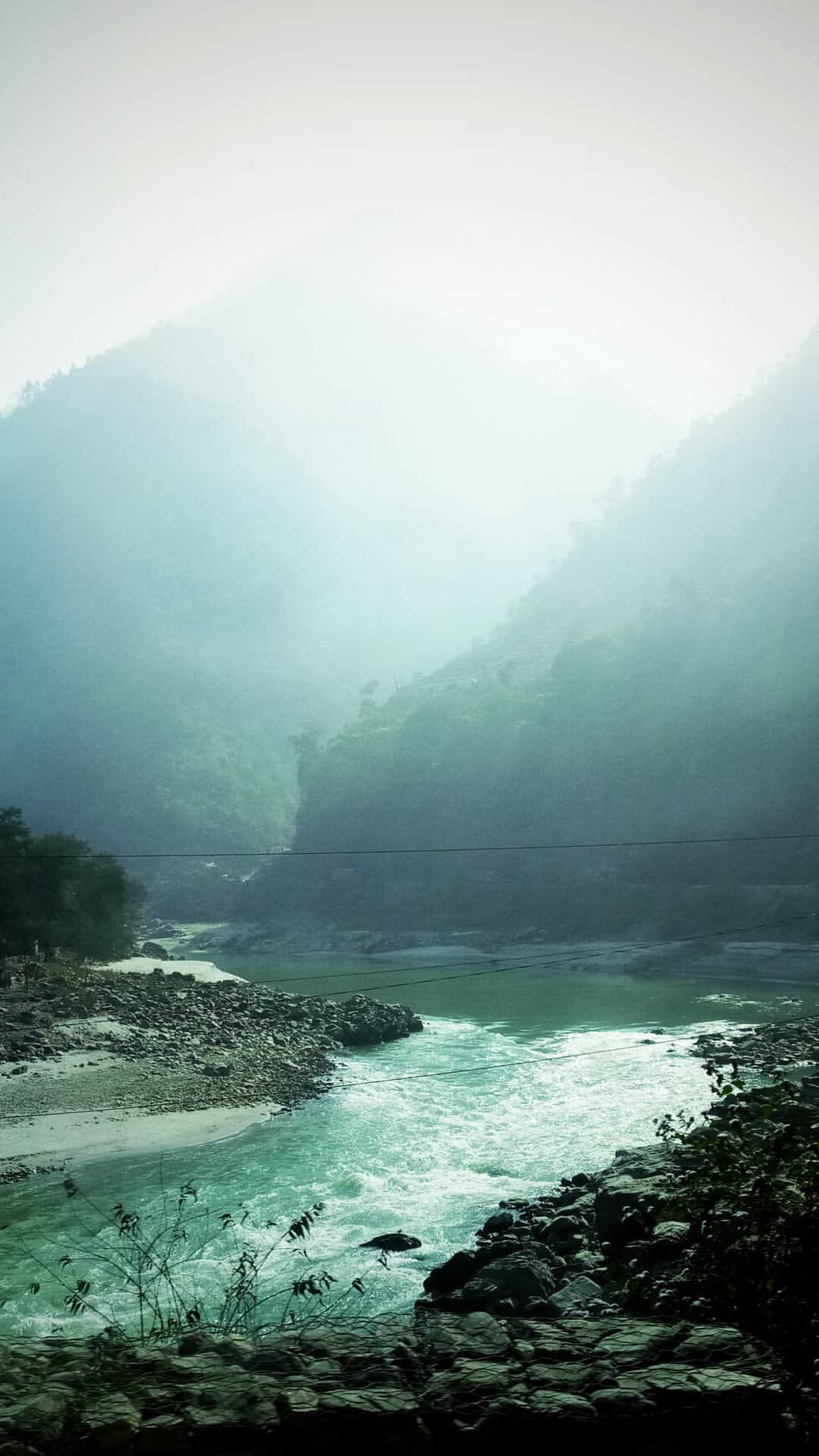
Two things stacked. The physical trigger was a mountainside destabilised by fast warming — the Langtang region has been heating at roughly four times the global average, which researchers link to the kind of glacier and permafrost failure that happened here. The reason it became a catastrophe rather than a contained mountain event is that nobody downstream got advance warning. Nepal had asked China at a meeting in May 2026 for exactly this kind of early notice about glacier movement on the Tibetan side — Chinese officials said they did not have the authority to agree to it and asked for more talks instead.
Who benefits?
No one benefits from a disaster like this. But two things gain leverage from it. Nepal's own case for a real-time data-sharing agreement with China — a request China had already put off once, in May — is far harder for Beijing to wave off now that it has a body count attached. And the argument that Tibet's tightly controlled governance slows disaster response, which was mostly an academic and diplomatic complaint before, now has a concrete example behind it.
UncertainWho loses?
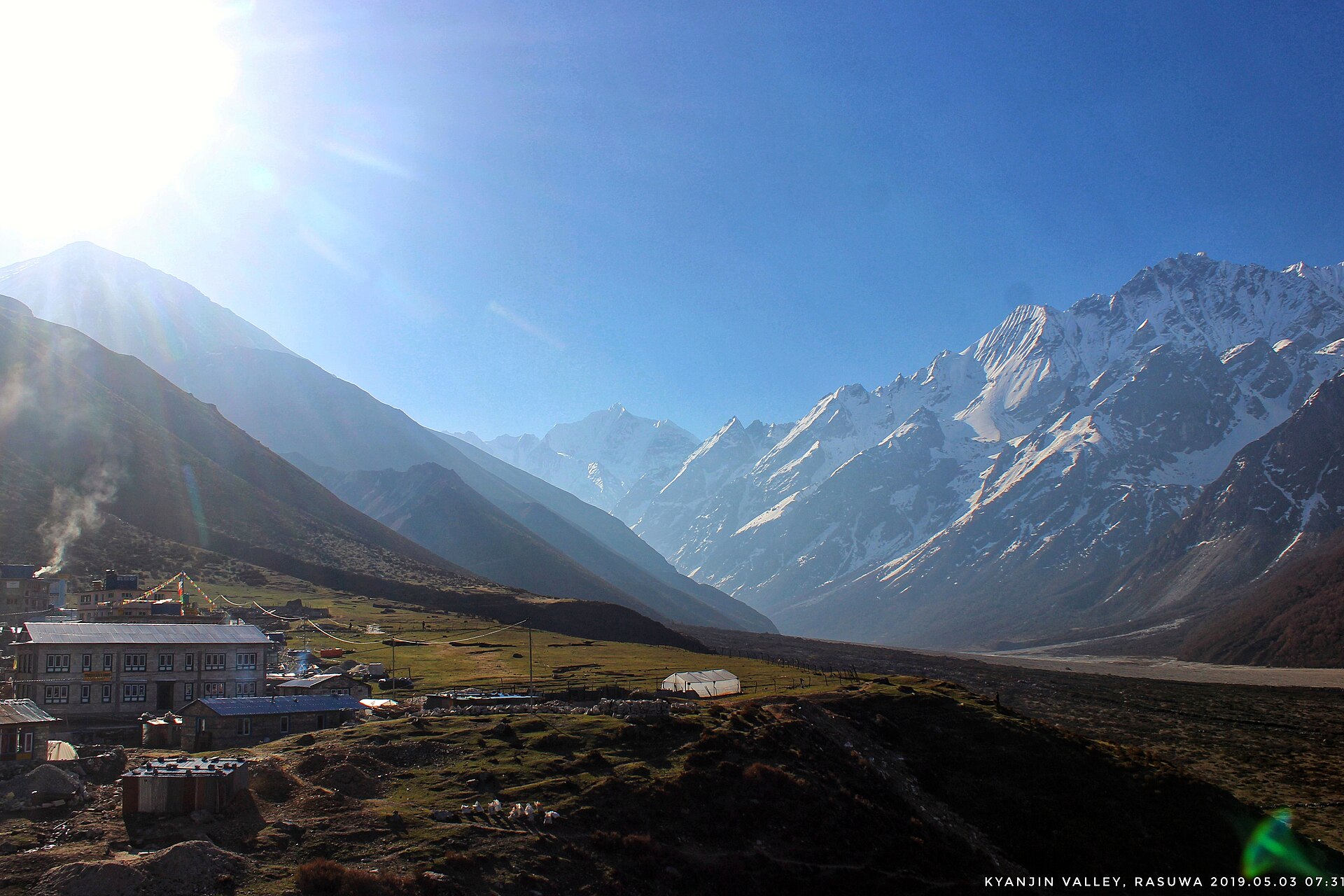
Rasuwa district's residents lose first and worst — nearly a thousand confirmed dead and thousands more still missing, out of a district with a small population to begin with. Everyone still unaccounted for, including 85 Americans as of the latest count, and their families. The 301 hydropower workers pulled from flooded tunnels, and the project itself. And, for as long as the new debris lake keeps rising, everyone downstream a second time.
What happened?
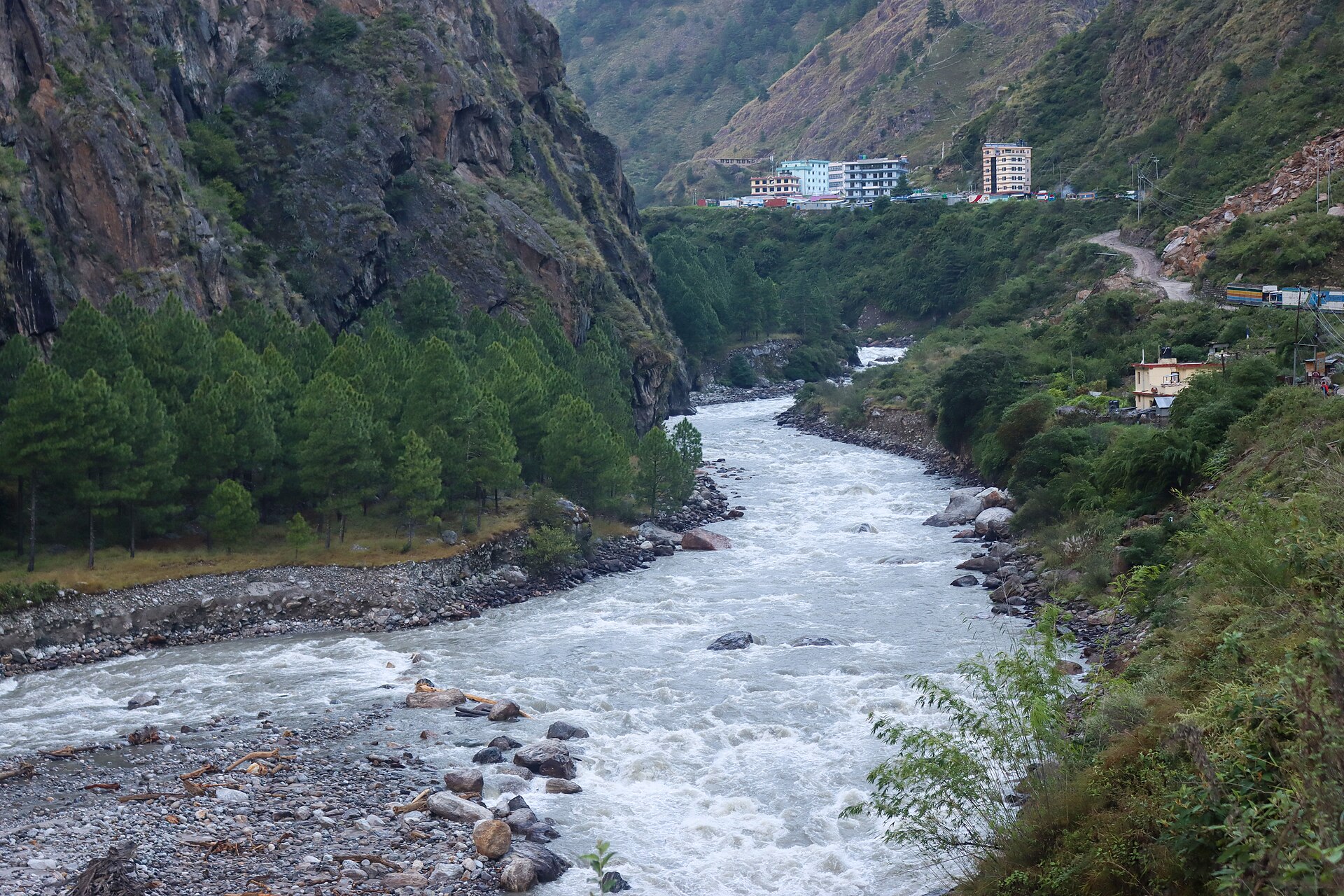
The US Geological Survey recorded a magnitude-5.2 seismic signal at the moment of collapse — not a preceding earthquake, but the shock generated by the collapse itself, as ice and rock fell from roughly 16,000 feet and slid some 6,000 feet down the mountainside. AntarcticGlaciers.org describes it as a 'complex multi-hazard cascade': ice and bedrock failure, a rock-and-ice avalanche picking up sediment and water on the way down, a temporary landslide dam on the Lhende Khola river, and then that dam's failure amplifying the flood that followed. The flood hit Rasuwa district at around 8:40am local time and travelled at least 62 miles downriver. Nepal's death toll stood at 939 confirmed with 3,925 still missing as of 31 August; Chinese authorities confirmed 16 dead and 546 missing on the Tibetan side. Three hundred and one workers were rescued from tunnels at a hydropower project in the flood's path, and the US State Department activated $3.6m in emergency humanitarian assistance, citing the remoteness of the area as a major obstacle to getting reliable information. Days later, a new barrier lake formed where the landslide blocked the river near the confluence of the Chhochen Khola and Purepu Tsangpo — China's Ministry of Water Resources estimated it held 1.5-2 million cubic metres of water with a further 3 million cubic metres of inflow possible over three days, roughly 1,200 Olympic swimming pools, and a Rasuwa district official confirmed the water level was still rising.
Why did it happen?
AntarcticGlaciers.org puts regional warming in glacierised areas above 4,000m at roughly 0.31°C per decade, against a global average of 0.06-0.07°C — a rate the site links to 'strongly negative glacier mass balances' and the kind of permafrost and ice-cliff instability that can precede a collapse like this one, while cautioning that attributing this specific event still needs further study. Separately, and on the record: Reuters reported that at a 27 May 2026 meeting in Kathmandu between roughly ten Nepali officials and about a dozen Chinese counterparts, including representatives from Tibet, Nepal formally asked for joint glacial-lake inventories and hazard mapping. Nepali hydrologist Sauhardra Joshi put it plainly: 'What we actually wanted from them, and still want, is if there are early movements of glaciers and early movements around that area, we would want to know a bit early.' A second hydrologist, Binod Parajuli, said existing information-sharing did not cover 'avalanche and water level, landslides, extreme events.' Chinese representatives said they lacked the mandate to sign such an agreement and asked for further discussions. The Conversation's Dibyesh Anand frames this as a structural problem: Tibet is governed as a tightly controlled security zone, and Beijing treats glacial and hydrological data from the plateau as strategically sensitive, with only one glacial lake (Cirenmaco) jointly monitored between the two countries — a system built for a slowly rising lake, not a sudden avalanche in an unwatched valley. Likely rather than confirmed: the warming-driven-instability mechanism and the unanswered May request are both documented, but no one has shown that a working warning system would have given Rasuwa enough time to act — Anand himself notes the collapse may have moved too fast to warn against regardless, and Nepal's own limited early-warning capacity and unregulated riverside development are contributing factors independent of anything China did or didn't share.
Who benefits?
There is no material winner here, so this answer is about who gains standing rather than who gains an asset. Reuters' reporting on the unanswered May 2026 meeting means Nepal walks into any future negotiation with a documented, dated request already on the record and a disaster that followed it — a much stronger position than an abstract ask for transparency. The Conversation's argument about Tibet's governance model gains the same kind of weight: a claim that was previously an outside academic and NGO critique of Beijing's control over the plateau now has a specific, recent, high-casualty event attached to it, which is the kind of thing that moves diplomatic pressure from occasional to sustained. Uncertain, because standing is not the same as outcome — whether either translates into an actual data-sharing agreement, rather than another round of 'further discussions,' is exactly the question this analysis will revisit.
UncertainWho loses?
The clearest losses are the ones already counted: at least 955 confirmed dead across both sides of the border, more than 4,400 people still listed as missing, and search-and-rescue efforts complicated by what the US State Department called the remoteness of the location. Eighty-five Americans remained missing as of the most recent US government count, against nine who had been evacuated. Three hundred and one workers were pulled from tunnels at a hydropower project directly in the flood's path — a project whose infrastructure is now itself among the damage. Beyond the immediate toll, the new debris-dammed lake extends the loss forward in time: Al Jazeera cites a researcher's warning that a breach could 'mobilise the sediments that will hamper search and rescue operation' and produce 'a fast-moving debris-laden flood with very little warning' — meaning Rasuwa's exposure did not end when the first flood receded. Confirmed, because these are counted casualties and a measured, still-forming hazard, not projections.
Domino Effect
The causal chain so far. New dominoes append as they fall.
Corrections & revisions
noneEvery change to this analysis since publication, with the reason. We append here — we don't rewrite. A number that changes silently is indistinguishable from never having been wrong.
RSS feed- No corrections yet. When we get something wrong, the fix is logged here rather than quietly applied.
Sources
5 sources
Every source behind the Trust Index above. Follow them — a trust score you can't check is decoration.
- Nepal-Tibet flood death toll surpasses 900, officials say, more than 4,700 missing
- Is Nepal facing another devastating flood from a new lake?
- Before flood catastrophe, Nepal asked China for early warnings as risks mounted
- August 2026 Nepal-Tibet floods
- Nepal floods: China's strict control of Tibet makes it harder to prepare for Himalayan disasters