Africa's Two Biggest Economies Just Stopped Talking. Nigeria's Parliament Suspended All Visits to South Africa Over Xenophobic Killings.
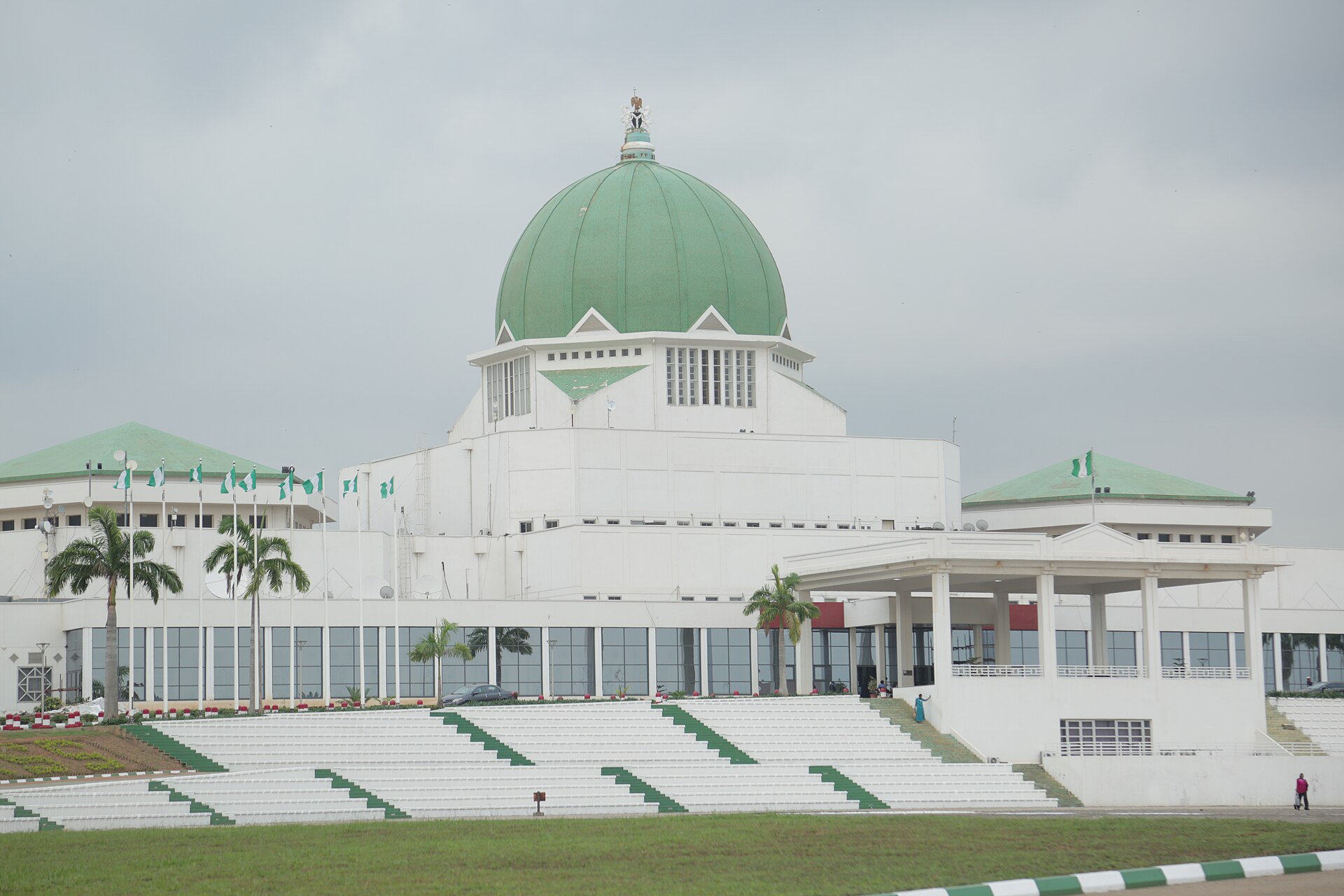
Nigeria's parliament just cut off all official contact with the government of Africa's other largest economy — not over trade or borders, but because, in the words of its own spokesperson, Nigerians keep being 'killed, injured, displaced and forced to abandon their businesses, investments, homes and other property.'
What happened?
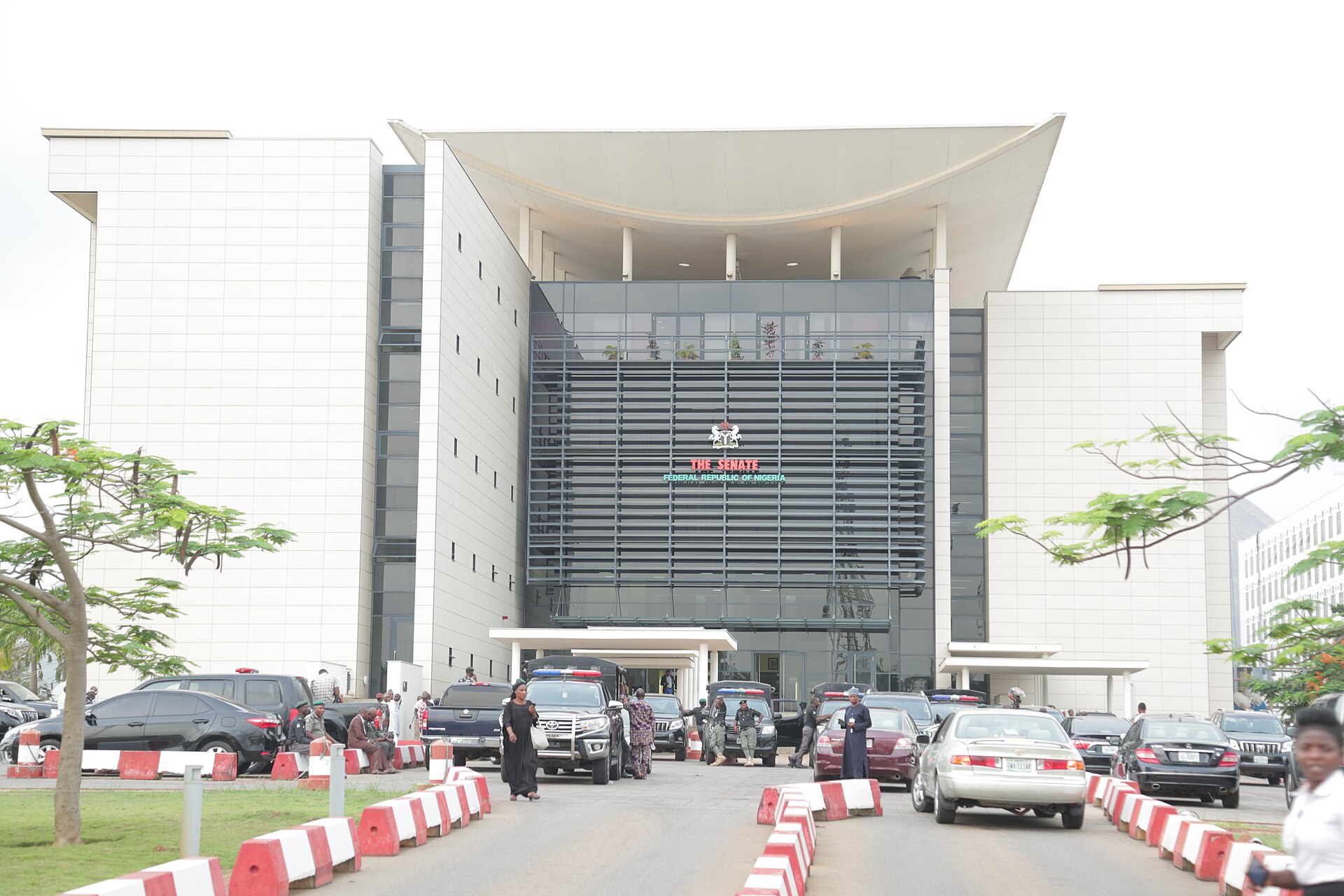
On 11 September 2026, Nigeria's National Assembly suspended all official visits to South Africa and ordered a boycott of every South African-hosted legislative activity — conferences, seminars, parliamentary exchanges — indefinitely, citing recurring xenophobic and Afrophobic violence against Nigerians. The decision follows the killings of at least two Nigerians in South Africa in late June (Emeka Charles Iroegbu in Pretoria and Musa Yunana Joe in Witbank) and Nigeria's evacuation of roughly 1,640 citizens from South Africa since June, with the Federal Government directly funding around 1,385 of those evacuations.
Why did it happen?
This is not a new grievance — Nigeria has reacted this way before, closing its embassy after a 2019 wave that killed 12 people. What appears to have pushed this cycle to a formal parliamentary suspension, rather than the summoned-ambassador response of past years, is the combination of continued fatalities in 2026 despite years of Nigerian appeals and a sense, voiced by Nigeria's own foreign minister, that South Africa has not 'forcefully denounced' the violence.
Who benefits?
Nigeria's political leadership gains a visible, low-cost way to respond to a domestic outcry over the killings — the suspension is symbolic and reversible, costing little in trade or economic terms while demonstrating that Abuja will act. Pushing the issue to the AU Assembly's January 2027 agenda also gives Nigeria a path to build continental pressure on South Africa beyond what a bilateral protest could achieve alone.
Who loses?
Nigerian nationals in South Africa remain the most direct losers — killed, injured, displaced and stripped of businesses and homes, per Nigeria's own account, in a pattern now several waves deep since 2008. The bilateral relationship between Africa's two largest economies also takes a real, if limited, hit: legislative cooperation is now formally suspended, even as both governments say the broader relationship is not being severed.
ConfirmedWhat happened?
Nairametrics' reporting on the National Assembly's decision confirms its scope directly: it covers 'all lawmakers, committees, officials, and staff' as well as 'physical and virtual South African legislative engagements' and 'existing invitations under review,' with the leadership statement explicit that the move 'does not undermine Nigeria's longstanding diplomatic relations' with South Africa — a suspension of legislative contact specifically, not a full rupture. The same report gives the funded-evacuation figure: 1,640 citizens evacuated since June 2026, with the Federal Government funding 1,385 of those. The Zambian Observer's separate account carries the House of Representatives spokesperson Akin Rotimi's own framing of the trigger: reports of Nigerians being 'killed, injured, displaced and forced to abandon their businesses, investments, homes and other property amid recurring violence.' Citizen Digital's reporting names the specific June deaths that preceded the escalation: Emeka Charles Iroegbu, reportedly killed by Tshwane Metro Police officers in Pretoria on 28 June, and Musa Yunana Joe ('Big Joe'), killed outside his shop in Witbank the same day — with 1,490 Nigerians evacuated by July, a figure that had grown to 1,640 by the time of the September suspension.
Why did it happen?
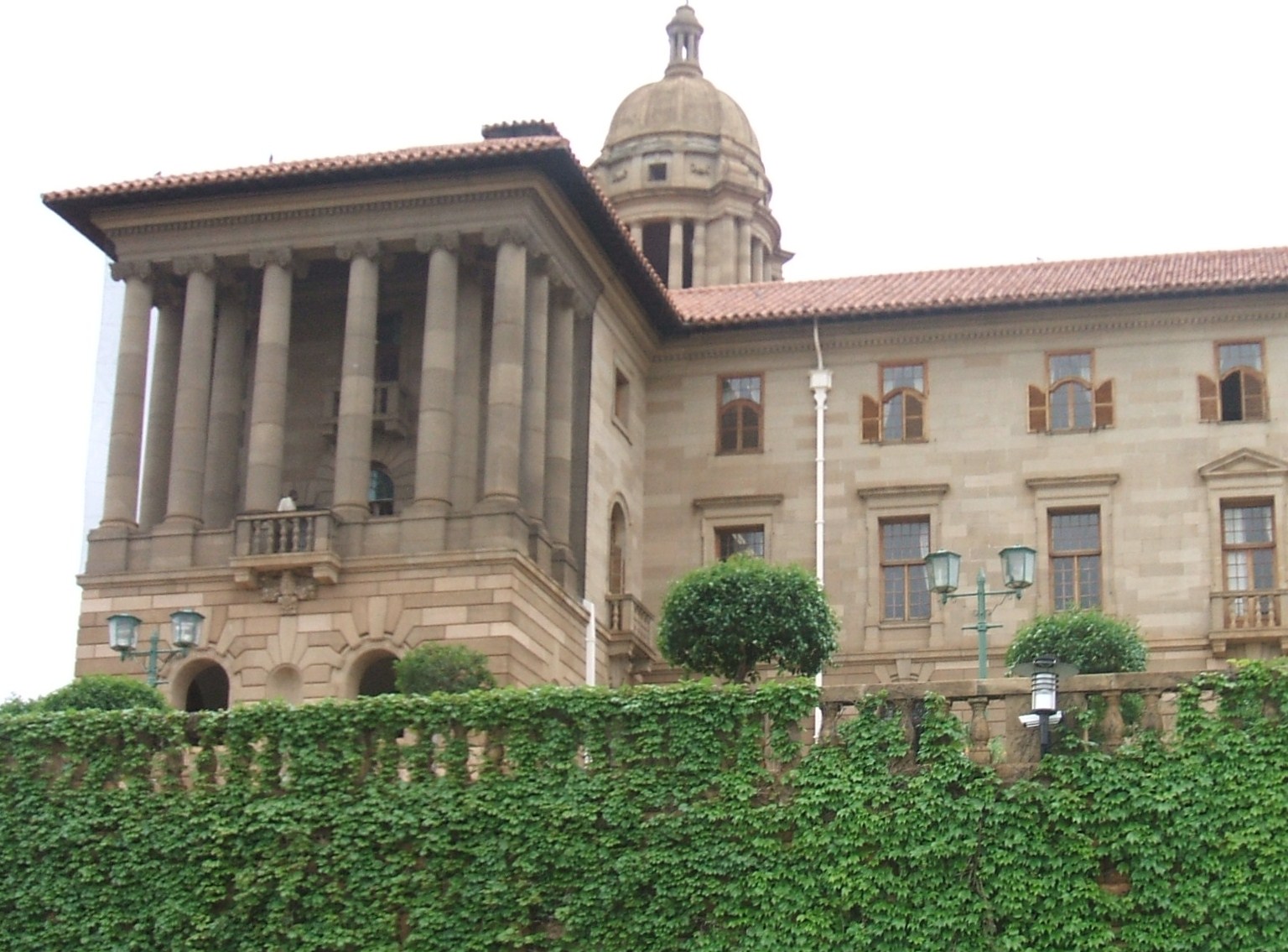
Al Jazeera's reporting lays out the recurring pattern explicitly: waves of xenophobic violence in 2008 (at least 62 deaths), 2015 (7 killed after Zulu King Goodwill Zwelithini's remarks about foreigners) and 2019 (12 deaths in Johannesburg attacks that specifically targeted Nigerian businesses, after which Nigeria summoned South Africa's high commissioner and closed its own embassy). Nigeria's Foreign Minister Bianca Odumegwu-Ojukwu is quoted directly on why this cycle escalated further than 2019's response: the government was 'angry' because South Africa 'failed to forcefully denounce violence,' and she framed the grievance in historical terms — 'Nigeria is not happy because Nigeria has sacrificed much for the South African independence struggle,' a reference to Nigeria's material and diplomatic support for the anti-apartheid movement. The same report locates South Africa's side of the dynamic in domestic pressure rather than policy targeting Nigeria specifically: high unemployment, crime and inequality feed a belief that migrants strain public services, a belief organized political movements like Operation Dudula have built on, against a backdrop of 2.4 million foreign nationals in a population of 65 million (3.7%). Likely rather than confirmed, because no source quantifies exactly why the National Assembly chose September 2026 for a suspension rather than another point in a years-long pattern — the escalation logic is inferred from the sequence of events and the minister's own framing, not stated as an explicit decision rule.
Who benefits?
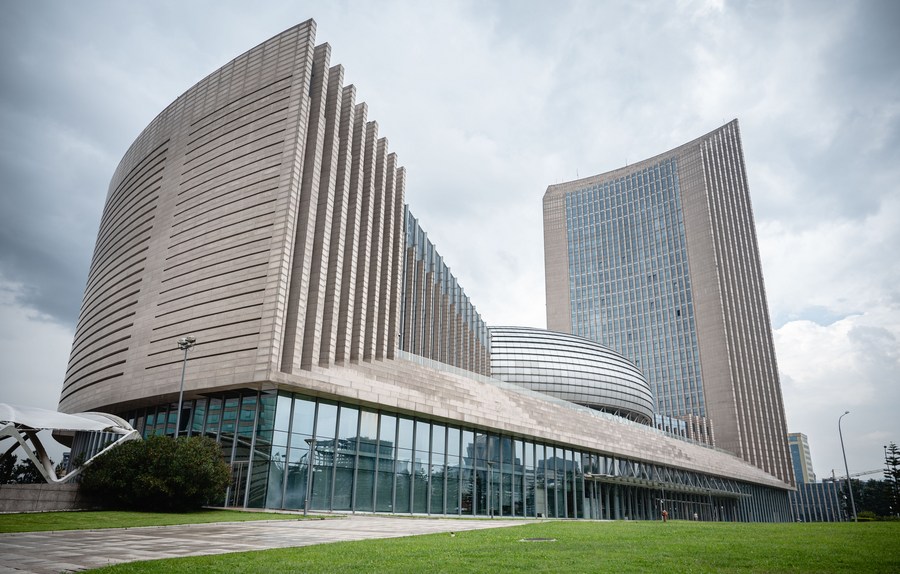
Citizen Digital's account of Vice President Shettima's remarks at the AU meeting in Luanda — 'Nigeria wishes to express its concern over the recurring xenophobic and Afrophobic attacks against Africans and other nationals in South Africa' — shows Nigeria deliberately building this into a multilateral, not just bilateral, complaint, seeking a January 2027 AU Assembly agenda slot rather than treating it as a matter to be resolved only through direct diplomacy. A parliamentary suspension of visits, unlike an economic or trade measure, costs Nigeria very little materially while giving domestic audiences — including the families of victims and the broader Nigerian diaspora — visible proof the state is responding. Uncertain, because no source here reports whether this strategy has actually moved South African policy or AU opinion yet; the January 2027 agenda item has not happened as of this analysis.
Who loses?
The human cost is the clearest and most repeated: Citizen Digital names two specific June 2026 victims, and Al Jazeera's broader account of the historical pattern puts a floor under the toll — at least 62 killed in 2008, 7 in 2015, 12 in 2019 — establishing that 2026's deaths are a continuation, not an aberration. Nigeria's own evacuation numbers (1,490 by July, 1,640 by September) are themselves a measure of loss: thousands of people concluding that leaving is safer than staying, and businesses, homes and investments abandoned in the process, per the National Assembly's own language. On the state-to-state side, the suspension is real but bounded — the National Assembly's own statement stresses it 'does not undermine Nigeria's longstanding diplomatic relations' with South Africa, meaning the loss here is to legislative and institutional cooperation specifically, not the full bilateral relationship (embassies remain open, unlike after 2019). Confirmed rather than likely, because both the human toll and the scope of the suspension are directly reported, not inferred.
ConfirmedDomino Effect
The causal chain so far. Read the dates against each other — that is the whole argument.
That is exactly what happened after the 2019 wave: Nigeria summoned South Africa's high commissioner and closed its embassy, relations were formally strained for a period, and then normal diplomatic contact resumed without a structural change to South African immigration enforcement or the underlying violence. If 2026 follows the same arc, the National Assembly's suspension would lift quietly once South Africa makes some gesture — an apology, a prosecution, a bilateral commission — without the deeper economic tension (migration, jobs, Operation Dudula) actually being resolved. What would distinguish this cycle from 2019's is whether the AU Assembly actually takes up the issue in January 2027, which would be a genuinely new, multilateral escalation 2019 never reached.
Corrections & revisions
noneEvery change to this analysis since publication, with the reason. We append here — we don't rewrite. A number that changes silently is indistinguishable from never having been wrong.
RSS feed- No corrections yet. When we get something wrong, the fix is logged here rather than quietly applied.
Sources
4 sources
Every source behind the Trust Index above. Follow them — a trust score you can't check is decoration.
- National Assembly suspends official visits to South Africa over xenophobic attacks
- Nigeria Suspends Official Parliamentary Visits to South Africa Over Xenophobic Attacks
- Nigeria suspends official visits to South Africa over anti-migrant violence
- Why are Nigeria-South Africa tensions rising amid xenophobic attacks?
Nothing here stands alone. This story is one node in a wider web — every card is another thread you can pull.