Trump Pushed Canada Away. Brussels Just Offered It a Seat the EU Has Never Given Anyone.
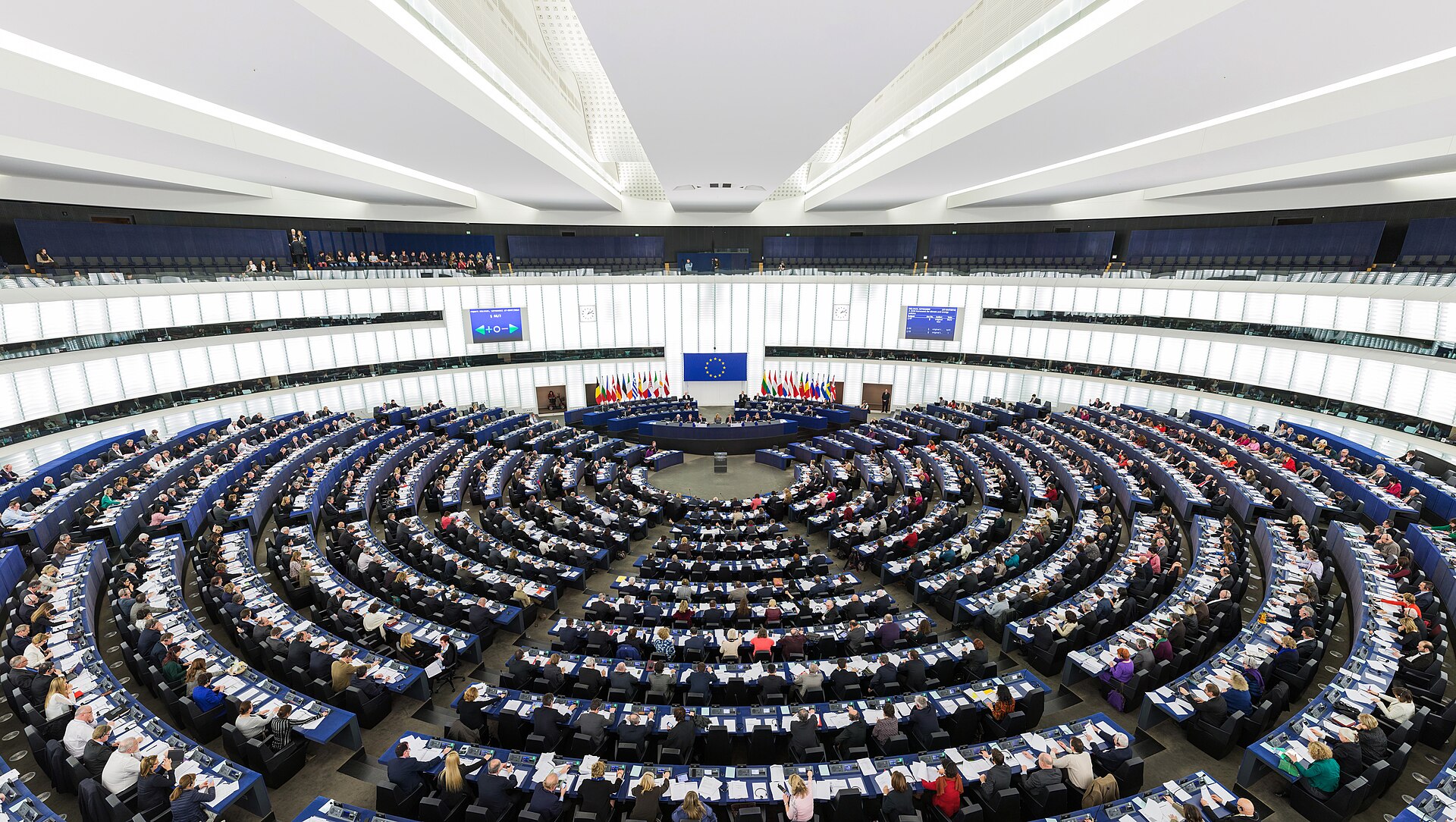
The neighbor tried to annex it rhetorically — Europe just offered it a seat at the table instead.
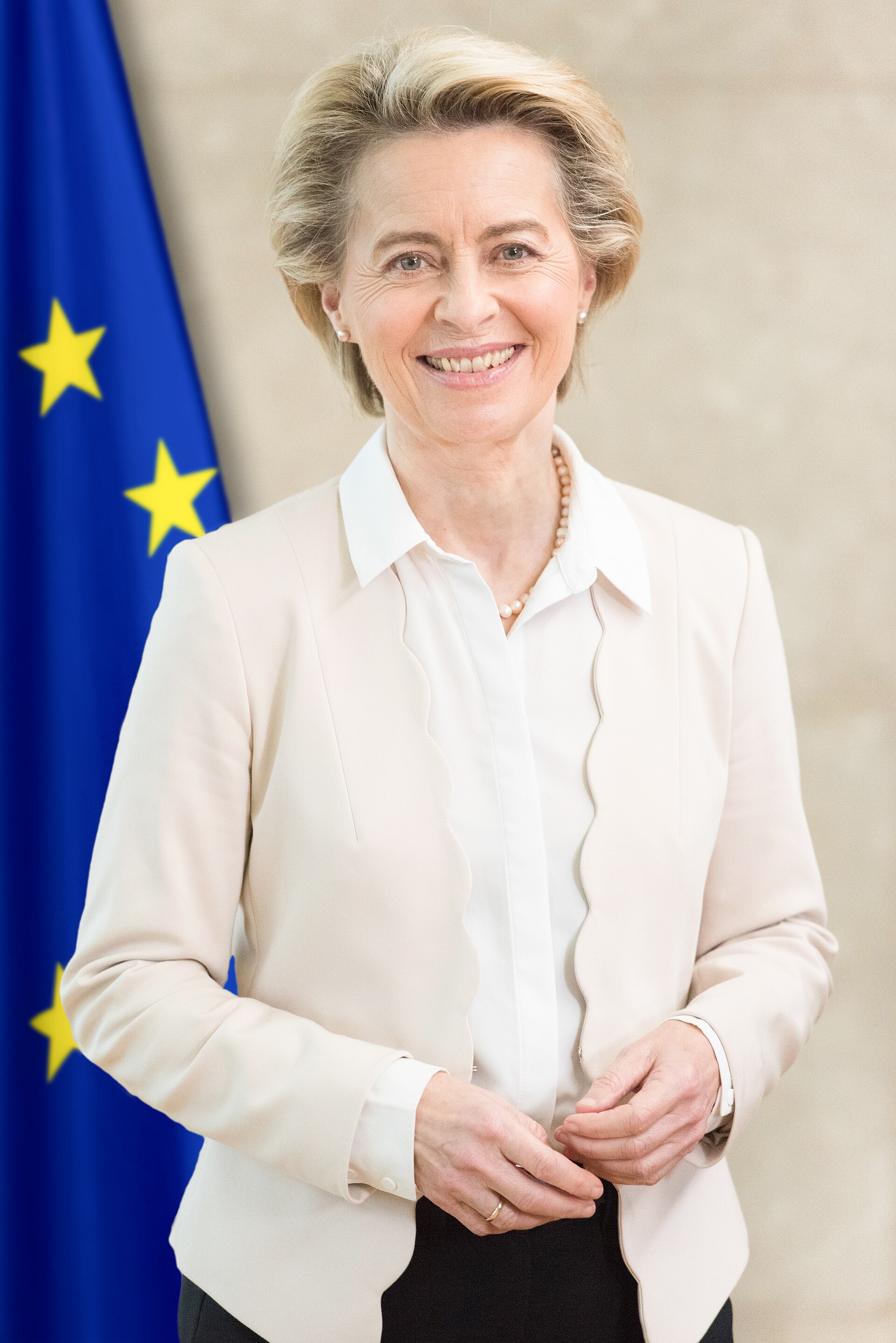
- European Commission President Ursula von der Leyen invited Canada to become the EU's first-ever 'associate member' in her State of the Union address on 16 September 2026, describing it as moving 'beyond CETA to an Alliance for the Future.'
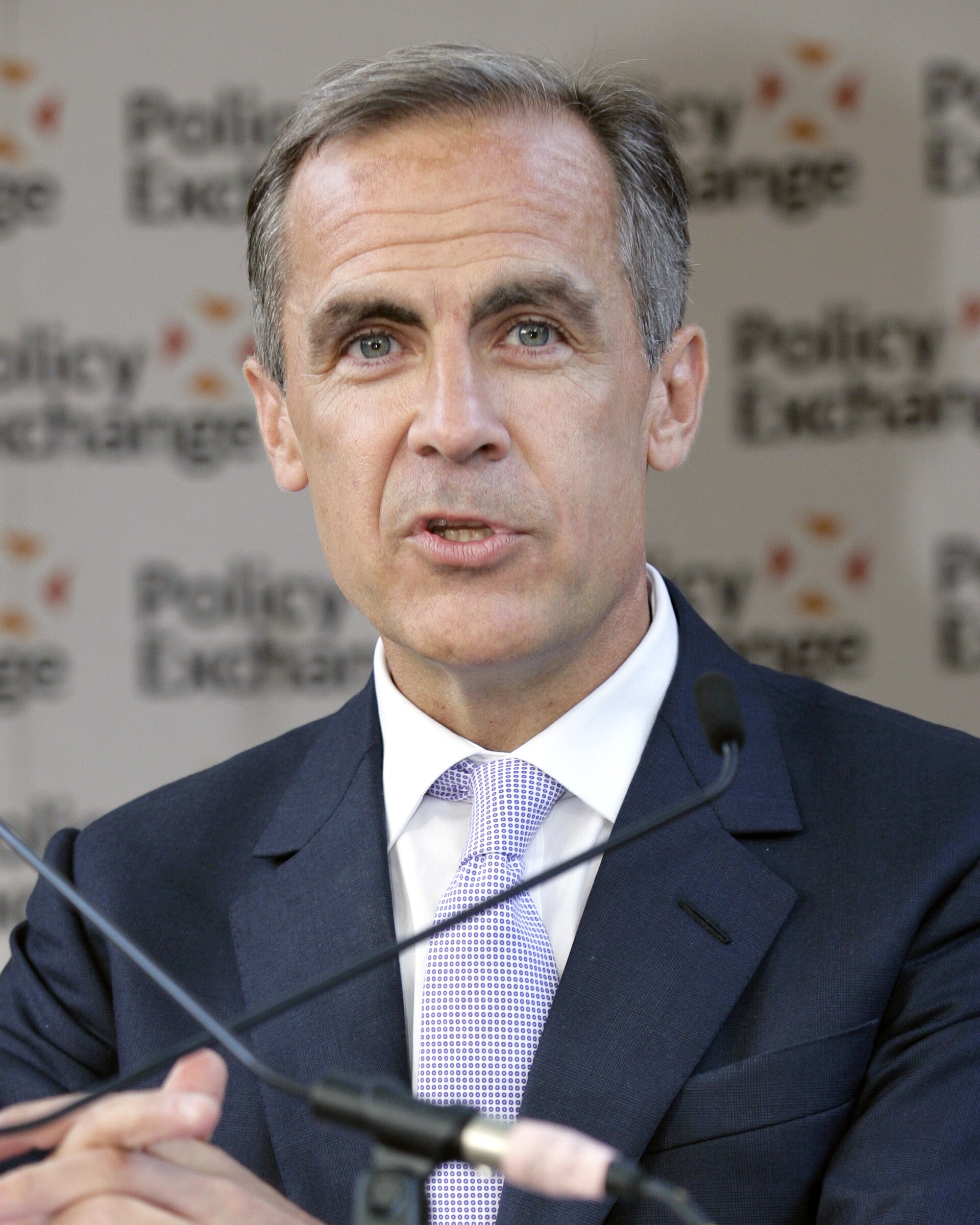
- Prime Minister Mark Carney welcomed the proposal addressing the European Parliament in Strasbourg the next day, telling lawmakers 'Europe and Canada are stronger together' — while stressing Canada is 'not seeking to become a full member' and that any final terms need a vote in Canada's own Parliament.
- The proposal, which has no legal precedent in EU history and remains loosely defined, points toward deeper integration across trade, defense-industrial cooperation (including the EU's €150bn SAFE program), critical minerals, energy, AI and semiconductors, EU programs like Erasmus+ and Horizon Europe, Arctic cooperation and capital markets.
- Trump responded by calling the arrangement 'laughable' and a 'hostile act,' threatening 'very serious tariffs' on Canada if it proceeds — a direct escalation against the same country his own tariffs and annexation rhetoric helped push toward Brussels.
- The European Commission said the partnership is 'not against anyone else, but for our common strength'; an EU-Canada summit is scheduled for late October in Montreal to work out the details.
What happened?
The EU offered Canada a form of membership that has never existed before — deeper than a trade deal, short of full EU membership — and Canada's PM welcomed it, while stressing the terms are still to be worked out.
ConfirmedWhy now?
Trump's tariffs and his repeated talk of Canada as a '51st state' have pushed Ottawa to seek a deeper relationship elsewhere — and Carney has spent the year publicly building the case for it.
How did Trump react?
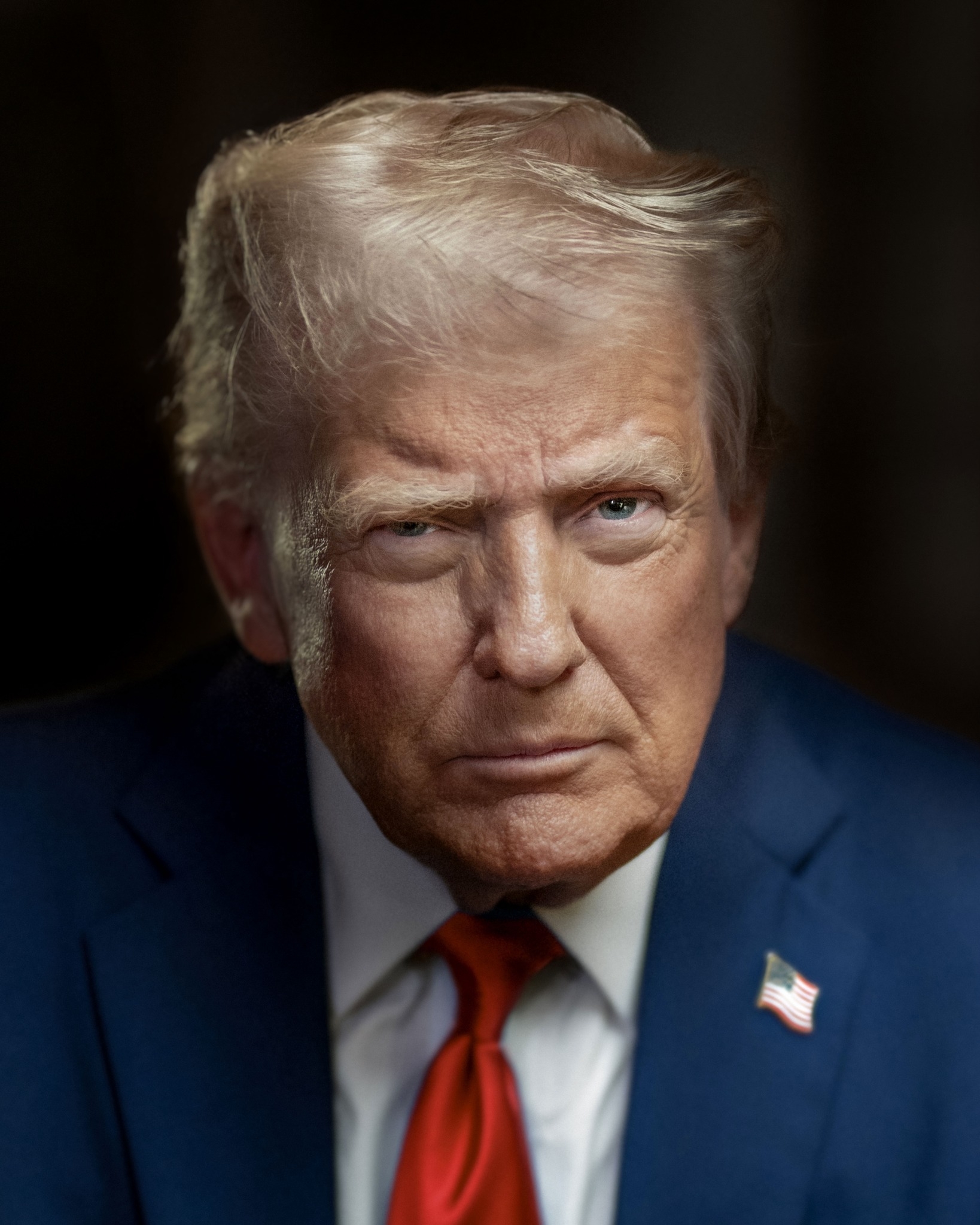
He called it a 'hostile act' and 'laughable,' and threatened 'very serious tariffs' on Canada if the arrangement goes ahead — escalating against the exact country his own trade pressure helped push toward Europe.
What would this actually change?
On paper, potentially a lot — defense-industrial access, critical minerals, AI, EU research and student programs, even capital markets. In practice, none of it is legally defined yet, and Canada's own Parliament still has to sign off.
What happened?
Ursula von der Leyen proposed, in her 16 September 2026 State of the Union address, that Canada become the European Union's first 'associate member,' framing it as moving 'beyond CETA' — the existing EU-Canada trade agreement — 'to an Alliance for the Future.' The concept has no legal precedent inside the EU treaty framework and remains, per this run's sourcing, loosely defined. The following day, addressing the European Parliament in Strasbourg, Carney said 'Canada welcomes this ambition' but was explicit that Canada is 'not seeking to become a full member,' that the exact terminology 'is for Europe to decide,' and that any agreement would require debate and a vote in Canada's own Parliament. An EU-Canada summit is scheduled for late October 2026 in Montreal to develop the concept further.
ConfirmedWhy now?
Reporting attributes the timing to a deliberate pivot: Trump's tariffs, demands for economic concessions, and repeated rhetoric about making Canada the '51st state' have pushed Ottawa to reduce its dependence on its southern neighbor and seek deeper economic, security and political ties with Europe instead. That pivot did not start with von der Leyen's speech — Carney's January 2026 Davos address calling for coalitions of 'middle powers' preceded the formal invitation by several months, meaning the EU's offer reads as the culmination of a case Ottawa had already been making publicly, not a surprise initiative Brussels sprang on Canada.
How did Trump react?
Trump threatened 'very serious tariffs' if the EU-Canada arrangement proceeds, describing it as a 'hostile act' and calling associate membership 'laughable.' The European Commission's public response did not back down: a Commission statement said the partnership is 'not against anyone else, but for our common strength' — an explicit, if indirect, rebuttal aimed at Washington. The exchange puts Canada in a genuinely difficult spot: the same US pressure campaign that gave Ottawa's European pivot its rationale is now the thing threatening to make that pivot more costly, not less.
What would this actually change?
The areas reporting attributes to the proposal are genuinely broad: defense-industrial cooperation including the EU's €150bn SAFE rearmament program, critical minerals and energy supply coordination, AI and semiconductors, participation in EU programs like Erasmus+ and Horizon Europe, Arctic cooperation, and integrated capital markets. Each of those would be a substantive change from Canada's current CETA-based trade relationship with the EU. But 'associate membership' is, as of this run's sourcing, a label without an EU legal category behind it — Carney himself said the terminology is 'for Europe to decide,' which is a tell that the concept was announced before its content was settled. The late-October Montreal summit is the next concrete checkpoint; until then, this is a political commitment to negotiate toward something, not a ratified agreement, and Canada's Parliament has an explicit veto point Carney has already flagged publicly.
Domino Effect
The causal chain so far, dated from what the sources actually report. New dominoes append as they fall.
A fresh US tariff threat aimed specifically at punishing the EU relationship would be a different kind of pressure than the general tariff and rhetoric campaign that pushed Canada toward Europe in the first place — this one would be explicitly contingent on Canada's foreign-policy choice, which is a harder position for Ottawa to absorb quietly. It could either deter Canada from pursuing deeper EU integration, or harden Carney's public case that reducing dependence on the US was the right call. Nothing in this run's sources indicates which way Ottawa would move; this is the open branch this analysis is tracking, not a prediction any source makes.
Corrections & revisions
noneEvery change to this analysis since publication, with the reason. We append here — we don't rewrite. A number that changes silently is indistinguishable from never having been wrong.
RSS feed- No corrections yet. When we get something wrong, the fix is logged here rather than quietly applied.
Sources
3 sources
Every source behind the Trust Index above. Follow them — a trust score you can't check is decoration.
Nothing here stands alone. This story is one node in a wider web — every card is another thread you can pull.