A Fishing Boat Vanished Off the Galápagos. The Washington Post Says the CIA Was Behind It — a Program Separate From the Pentagon's Own.
The CIA may have been running a second, secret kill program — and no one in Washington will confirm or deny it.
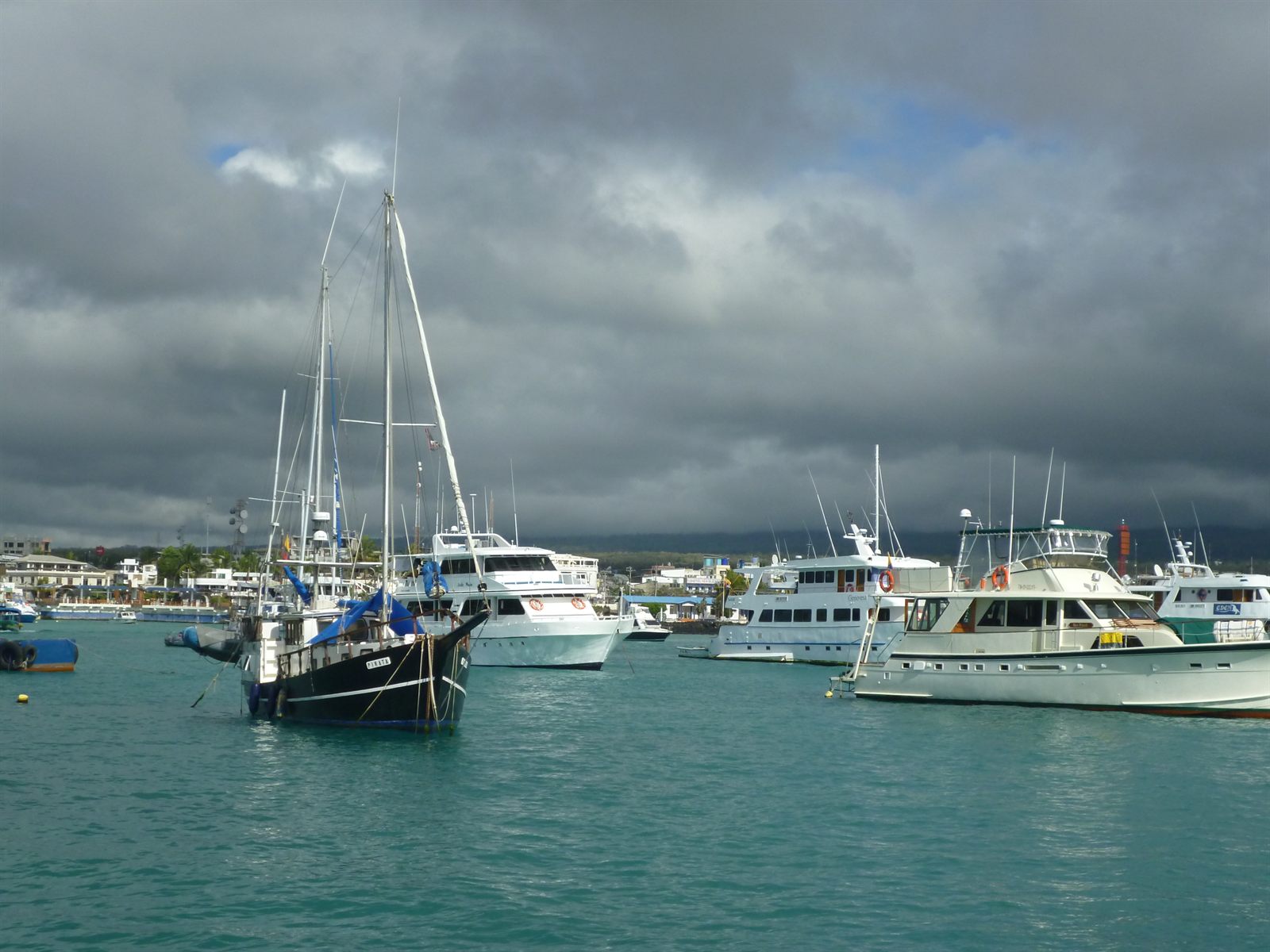
- The Ecuadorian fishing boat Fiorella vanished near the Galápagos on 20 January 2026 after days of surveillance by US aircraft, drones and patrol boats; eight of its ten crew remain missing seven months later.
- In March, two more boats were hit by small quadcopter drones; surviving crew say they were hooded, cuffed by armed men, flown to El Salvador, and returned to Ecuador without explanation — a business jet with surveillance equipment was tracked flying from El Salvador to each strike site.
- On 13 August 2026, the Washington Post reported these three strikes were a separate, undisclosed CIA covert-action program — distinct from the Pentagon's already-public boat-strike campaign, which has killed over 220 people across 60-plus vessels since September 2025.
- The CIA and US military declined to comment; a former US official asked the Washington Post the more basic question: "What would be the purpose of the secrecy?" since the Pentagon's own campaign was never secret.
- There is no reported evidence the targeted boats were carrying drugs, the stated justification for the parallel overt campaign, and Ecuador's own government has neither confirmed nor denied whether its agents were involved.
What happened?
On 20 January 2026, the Ecuadorian fishing boat Fiorella disappeared in international waters near the Galápagos after days of surveillance by US aircraft, drones and patrol boats; eight of its ten crew remain missing. In March, two more boats were hit by small quadcopter drones that either dropped munitions or crashed into them; the surviving crews say they were taken aboard a nearby vessel, hooded and cuffed by armed men, flown to El Salvador, and later returned to Ecuador without explanation. A business jet with specialized surveillance equipment was tracked flying from El Salvador toward each strike site on the days before and of the attacks. On 13 August 2026, the Washington Post reported these strikes were part of a covert CIA program — a type of secret operation approved by the president in which the US government's role is not publicly acknowledged — and separate from the Pentagon's own, already-public boat-strike campaign in the Caribbean and Eastern Pacific, which has killed over 220 people since September 2025. The CIA and US military declined to comment to the Washington Post.
Why did it happen?
The administration has built a legal position — used to defend the Pentagon's separate, overt boat-strike campaign — that these are not 'hostilities' under the War Powers Resolution because they are remote, precise strikes that put no American personnel at risk. Whether the same reasoning, or a separate presidential covert-action finding, actually authorized the CIA's Ecuador program specifically is unstated. A former US official quoted by the Washington Post asked the more basic question: 'What would be the purpose of the secrecy?' — since the Pentagon's own campaign was never secret in the first place.
UncertainWho benefits?
The administration gains a tool that avoids the congressional War Powers fight and public scrutiny already attached to the Pentagon's own campaign — a program nobody has to defend on the record because nobody has confirmed it exists. Beyond that, it is genuinely unclear who benefits: there is no reported evidence the targeted boats were carrying drugs, which was the stated justification for the parallel overt campaign.
Who loses?
Eight fishermen from the Fiorella, still missing and presumed dead seven months on. The surviving crews of the March strikes, who describe being hooded, cuffed and rendered to a foreign country with no legal process before being returned home without explanation. Ecuador's own government, which Amnesty International says has neither confirmed nor denied to it whether its own agents were involved, let alone the United States'. And, more broadly, anyone relying on the War Powers Resolution's congressional-notification requirement as a real check: a covert program nobody confirmed existed was never going to be reported to Congress under it.
ConfirmedWhat happened?
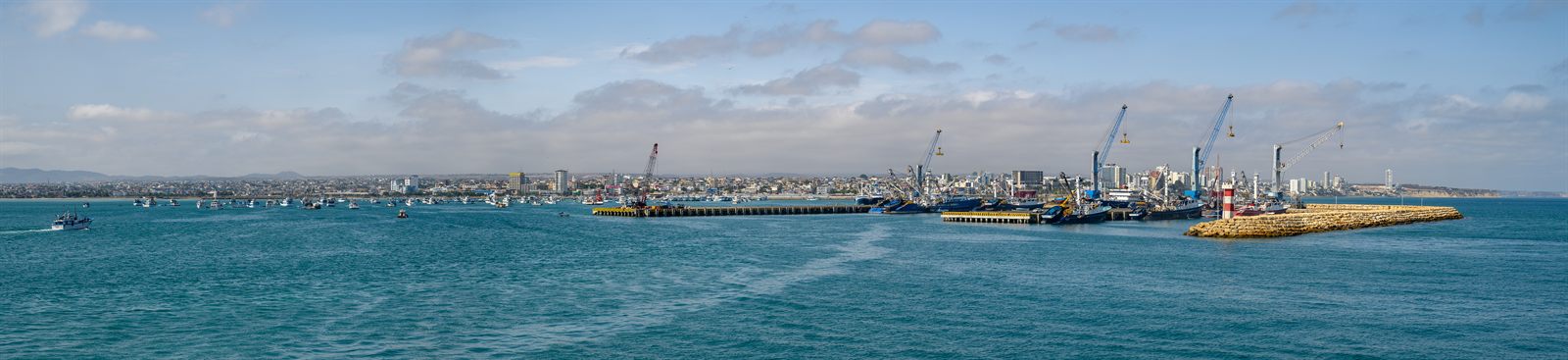
The timeline, as reported by the Washington Post and corroborated in detail by Common Dreams and Talking Points Memo's own read of the same investigation: the Fiorella left the Ecuadorian port of Jaramijó and vanished on 20 January 2026, having been under sustained surveillance by US aircraft, drones and patrol boats for several days beforehand — its captain reportedly sent daily satellite messages to his family expressing growing concern about the surveillance before communication stopped, and witnesses on a nearby skiff heard distress calls before losing contact and later saw a column of smoke in the vessel's direction. Two crew members who had left the boat earlier on a separate skiff survived; the other eight remain missing. In March, two further vessels were struck by small quadcopter drones — some dropping munitions, others simply crashing into the boats — and this time crews survived to describe what happened next: transfer to a nearby vessel whose crew spoke English and wore uniforms with American flag patches, hooding, cuffing, and transport to El Salvador, followed by an unexplained return to Ecuador with no charges or public process. Flight-tracking data identified a Cessna Citation Longitude business jet, call sign FENIX 701, flying between Tennessee, Ilopango International Airport in El Salvador, and the vicinity of the strikes — present in the pattern on each dated incident. The Washington Post's central finding is that this is a distinct 'covert action' program, legally and operationally separate from the Pentagon's own campaign (variously reported as Operation Southern Spear and Operation Absolute Resolve), which by mid-2026 had killed at least 221 people across 67 known vessels since it began 2 September 2025. Neither the CIA nor the US military would comment on the record.
Why did it happen?
Two distinct legal threads are in play, and reporting has not yet resolved how — or whether — they connect. The public thread is the Justice Department's Office of Legal Counsel position, given by OLC chief Elliot Gaiser in the context of the Pentagon's Caribbean campaign: the strikes 'did not rise to the kind of hostilities typically covered by the War Powers law' because they are 'precise strikes conducted largely by unmanned aerial vehicles... at distances too far away for the crews of the targeted vessels to endanger American personnel' — a formal-armed-conflict-but-not-hostilities distinction that echoes the Obama administration's 2011 Libya justification. Separately, Trump publicly confirmed a presidential covert-action finding authorizing CIA operations against Venezuela on 15 October 2025 — but the Washington Post's reporting on the Ecuador program frames it as something apart from the Pentagon's public campaign, not clearly derived from that specific finding either. TPM's own read of the Washington Post reporting surfaces the more basic doubt directly: a former US official is quoted asking 'It begs the question about why you would need to do this. What would be the purpose of the secrecy?' — since the administration has never hidden the fact that it is striking suspected drug boats; only this particular set of three strikes, run by a different agency with a different rendition pattern, was kept undisclosed. Scored uncertain, not likely, because no source — official or reported — has stated the specific legal authority or operational rationale that separated this program from the one the government discusses openly.
UncertainWho benefits?
The clearest institutional beneficiary is the executive branch's freedom of action: keeping an operation covert removes it from the same congressional-notification and War Powers Resolution fight already playing out over the Pentagon's public campaign, where a Schiff-Kaine resolution to require congressional authorization was voted down in the Senate. A program that is never publicly confirmed cannot be the subject of that fight in the first place. Beyond institutional latitude, the reporting offers no evidence of a further beneficiary: Common Dreams' account of the Washington Post investigation states plainly that 'no evidence has publicly emerged that the crew members were involved in drug trafficking' — the justification that anchors the Pentagon's overt campaign. Scored uncertain because 'who benefits' from a program whose stated purpose has not been disclosed, and whose targets show no established link to the declared rationale for the broader campaign it ran alongside, is close to unanswerable from what has been reported so far.
Who loses?
Amnesty International's own account, published 20 July 2026, is the most direct statement of harm: the Fiorella disappeared on 20 January 2026 with ten crew aboard, eight still missing, after days of surveillance by US aircraft, drones and patrol boats; the two survivors were recovered adrift on a skiff days later. Amnesty characterizes the broader campaign these strikes sit beside as constituting 'extrajudicial executions' and 'other violations of human rights' under international law, and reports that despite a formal information request to US Southern Command and an embassy meeting, 'the US has neither confirmed nor denied being responsible.' WOLA's separate legal analysis of the parent campaign — 221 people killed across 67 boats and 63 attack events as of 14 July 2026, with over 10% of an initial 224 targeted surviving only to have some killed in follow-up strikes — goes further, citing former ICC prosecutor Luis Moreno Ocampo's view that a campaign at this scale and pattern may meet the threshold for crimes against humanity, not only extrajudicial execution. Confirmed on the human toll and the stonewalling, because both are independently documented by name (the Fiorella, its crew count, its dates) rather than inferred; not confirmed on the legal characterization, which remains a contested reading the US government has not accepted.
ConfirmedDomino Effect
The causal chain so far. Read the dates against each other — that is the whole argument.
The reporting is specific about why it isn't: the Pentagon's Southern Spear/Absolute Resolve strikes are carried out openly, by the military, with the administration touting the death toll as a deterrent — Defense Secretary Pete Hegseth has publicly cited casualty figures from it. The Ecuador strikes instead used a covert-action legal framework (secret by design, requiring a presidential finding and congressional-committee notification rather than public acknowledgment), a different operator (a CIA-linked business jet and rescue vessel, not a Navy ship), and a rendition step — transport to a third country, El Salvador — that has no parallel in the public campaign's own reporting. A former official's question, 'what would be the purpose of the secrecy,' only makes sense as a question at all because the two programs are visibly different in form even where their targets and methods rhyme. That is why question 2 above is scored uncertain rather than likely: the difference in form is documented; the reason for it is not.
Corrections & revisions
1Every change to this analysis since publication, with the reason. We append here — we don't rewrite. A number that changes silently is indistinguishable from never having been wrong.
RSS feed-
REVISITRewrote the "why this matters to you" hook. a second, secret track of lethal force appears to have been running beside a campaign that was already killing people in the open, and neither the CIA nor the administration has confirmed or denied it → The CIA may have been running a second, secret kill program — and no one in Washington will confirm or deny it.Operator decision, 2026-08-19: whyItMatters.outcome is now the page's primary hook and every analysis was rewritten to a single short, concrete, human-stakes sentence (docs/EDITORIAL.md, Permanent standards #4) — replacing several that had grown into full paragraphs or abstract policy-thesis phrasing.
Sources
5 sources
Every source behind the Trust Index above. Follow them — a trust score you can't check is decoration.
- Mysterious Attacks on Ecuadoran Fishing Boats Carried Out by Covert CIA Operation: Report
- CIA Behind Mystery Strikes on Ecuadorian Fishing Boats
- Ecuador/USA: The role of the United States in the attack on an Ecuadorian vessel must be investigated
- Killing Spree: Extrajudicial executions in the U.S. boat strikes campaign
- Trump administration says War Powers Resolution does not apply to boat strikes in the Caribbean
Nothing here stands alone. This story is one node in a wider web — every card is another thread you can pull.