The US Is Leaving Germany. It's Building Its First Permanent Base in Poland.
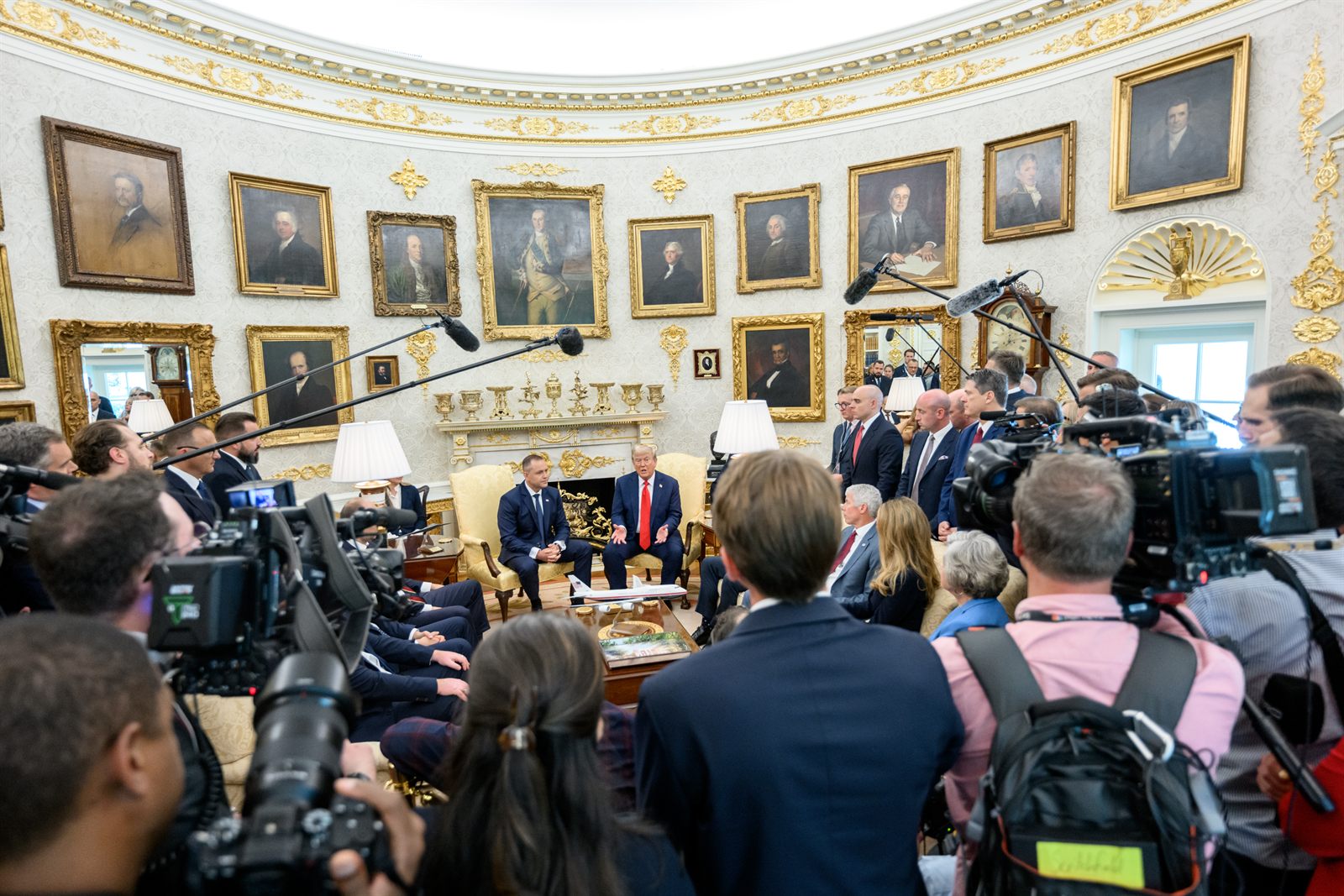
Whether NATO actually shows up if Russia hits a member — starting with the one it just rewarded.
- Trump announced 'major progress' toward a first permanent US Army base in Poland on 17 September 2026 — the 87th anniversary of the Soviet Union's 1939 invasion of the country — crediting President Karol Nawrocki's 'bold leadership'; two sites are under consideration at an estimated cost of 15-17 billion zloty (€3.5-4bn), with a decision expected within weeks.
- The announcement lands as the Pentagon weighs withdrawing 25,000-40,000 troops from a roughly 80,000-strong European footprint, with Germany, Spain and Italy named as the likely targets — Germany already lost 5,000 troops in an April announcement.
- Defense Secretary Pete Hegseth has said allied compliance on base access and overflight rights during a crisis will heavily shape the review; Spain and Italy have faced specific criticism on that point, while Poland is offering to fund the new base itself.
- The same week, Polish PM Donald Tusk told parliament Russia is preparing drone or rocket strikes on NATO's eastern flank that Moscow will frame as 'accidents' — designed, he said, to test whether Article 5 'exists only in theory.'
- Four days earlier, a Russian drone struck a train near the Poland border minutes after a diplomatic train carrying Boris Johnson and Carl Bildt had passed the same crossing — Ukraine's rail operator called it the drone's likely intended target.
What happened?
Trump says the US and Poland are close to agreeing on America's first permanent Army base there — announced on the anniversary of the Soviet invasion of Poland.
ConfirmedWhy Poland, and why now?
Poland proposed and offered to pay for it months ago, and it's the one ally the Pentagon isn't currently criticising for getting in America's way.

Why pull back from Germany, Spain and Italy at the same time?
The Pentagon is considering cutting up to half of US troops in Europe — tens of thousands — from the allies it says have been the least cooperative.
ConfirmedWho gains, and who is downgraded?
Poland gains a permanent American tripwire it has wanted since Trump's first term. Germany, Spain and Italy get treated as conditional allies rather than automatic ones.
Does a permanent garrison actually answer the threat Tusk described?
A base deters an invasion. It doesn't obviously stop a drone that Russia can call an accident — which is exactly the attack Poland's PM says is coming. This is where honest people disagree.
What happened?
Trump announced 'major progress' toward establishing a permanent US Army base in Poland on 17 September 2026, saying 'the location will be announced very soon' and calling it 'a historic step for our Great U.S./Polish Alliance.' He credited Polish President Karol Nawrocki's 'bold leadership'; Nawrocki responded that Poland's government 'will do its utmost to provide the best possible location.' Two sites are reportedly under consideration, at an estimated infrastructure cost of 15-17 billion zloty (roughly €3.5-4 billion), which Poland is offering to fund itself. A decision is expected within weeks. The announcement fell on the 87th anniversary of the Soviet Union's 1939 invasion of Poland — a date unlikely to have been picked by accident given the symbolism at stake. The US already maintains roughly 10,000 troops in Poland, almost all on rotational rather than permanent deployment; this would be the first permanent US Army installation in the country's history.
ConfirmedWhy Poland, and why now?
Poland formally proposed a permanent base in June 2026, shortly after the US announced it would pull 5,000 troops from Germany — positioning itself as the willing alternative before the wider European drawdown was public. Defense Secretary Hegseth has said the ongoing troop-posture review weighs allied compliance on 'base access and overflight rights during crises' heavily, and named Spain and Italy specifically as having 'faced particular criticism' on that count. Poland offering to fund 15-17 billion zloty of infrastructure itself removes the review's other likely objection — cost — leaving it positioned as the lowest-friction, lowest-cost option among the allies under consideration for more, not less, American commitment. This is our reading of why Poland specifically benefits from timing that on paper is a coincidence of two separate announcements; the sources document the compliance criterion and Poland's offer, not a stated US decision rule connecting them.
Why pull back from Germany, Spain and Italy at the same time?
The Pentagon is weighing two options for the broader European drawdown: a moderate cut of about 25,000 troops, or an extensive one of about 40,000, against a current footprint of roughly 80,000 across the continent. Germany, Spain and Italy are named as the likely targets; Germany already had 5,000 troops marked for removal in an April announcement, ahead of this review. Air Force Gen. Alexus Grynkewich is set to present the Pentagon leadership with the formal options, with an announcement expected within a couple of months. Hegseth's compliance framing — access and overflight rights during a crisis — gives the review a stated rationale beyond cost-cutting, and directly inverts the old assumption that the largest, most established US garrisons (Germany's above all) are the safest from cuts.
ConfirmedWho gains, and who is downgraded?
Poland is the clear near-term winner: a permanent base is a request that dates back to 2018's unrealized 'Fort Trump' proposal, now revived with Poland itself funding the infrastructure and no public friction over access rights. Tusk's government gets a tangible security asset to point to in the same week it delivered its starkest public warning yet about Russian intent — the base announcement and the hybrid-attack warning both serve Warsaw's case that the eastern flank needs, and has earned, more American commitment, not less. The clearer cost falls on Germany, Spain and Italy, whose reductions — if the extensive 40,000-troop option is chosen — would roughly halve the US presence they currently host, publicly justified by a compliance standard rather than a strategic reassessment of where Russia threatens NATO territory. That the drawdown and the buildup were announced within the same news cycle, from the same administration, makes the comparison explicit in a way that a staggered announcement schedule would not have.
Does a permanent garrison actually answer the threat Tusk described?
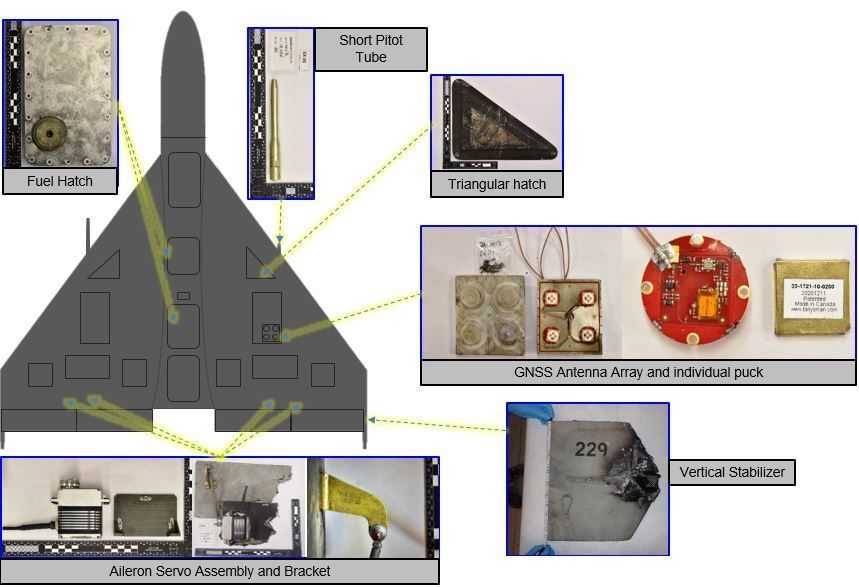
The case that it helps: a permanent installation, unlike a rotational one, is a harder tripwire to read as negotiable — it signals that any Russian strike on Polish territory hits a fixed, continuously-staffed American position rather than a garrison that could plausibly be elsewhere that week. The case for doubt: Tusk's own warning is specifically about attacks engineered to be deniable — 'the official narration will be that it's an accident' — precisely so that Article 5's collective-response trigger never has to be tested. A jet-powered drone hitting a Polish field, as nearly happened to a train carrying Boris Johnson and Carl Bildt on 13 September, is not obviously deterred by a base's presence the way a ground invasion would be; the entire strategy Tusk describes is built around staying under the threshold a permanent garrison raises. Whether a fixed US base changes Moscow's calculus on gray-zone attacks, or only on the conventional invasion nobody currently expects, is a real, unresolved disagreement — not one we're going to pretend our sources have settled.
Domino Effect
The causal chain so far, dated from what the sources actually report. New dominoes append as they fall.
It would have read as a routine deepening of an already-strong bilateral relationship — unremarkable given ten years of steadily expanding rotational deployments. What makes this newsworthy is the juxtaposition: the same review period that adds a permanent commitment to Poland is actively discussing halving the commitment to Germany. That contrast is what turns a bilateral basing story into a story about which allies Washington now trusts by default and which it doesn't. This is our reading of why the timing matters, not a claim any source makes explicitly.
Corrections & revisions
noneEvery change to this analysis since publication, with the reason. We append here — we don't rewrite. A number that changes silently is indistinguishable from never having been wrong.
RSS feed- No corrections yet. When we get something wrong, the fix is logged here rather than quietly applied.
Sources
5 sources
Every source behind the Trust Index above. Follow them — a trust score you can't check is decoration.
- Trump says progress made toward establishing US Army base in Poland
- Trump touts plan for new Poland base as Pentagon weighs Europe troop cuts
- Poland warns Russia is planning drone or rocket strikes on NATO territory
- Trump Says 'Major Progress' Being Made on Potential US Army Base in Poland
- Russian drone hits train near Ukraine-Poland border soon after visiting dignitaries passed through
The date is the tell. Nobody accidentally announces a permanent American military commitment to Poland on the anniversary of the invasion that ended Polish sovereignty for half a century. That choice says the message was aimed at Moscow as much as at Warsaw — which makes it strange that the same week's other headline, Tusk's warning about deniable drone strikes, is precisely the scenario a symbolic date doesn't answer. A garrison is a promise about what happens after an attack is unambiguous. Tusk's entire warning is that Russia's next move is designed to never be unambiguous. Both things can be true — the base can still be worth having, and it can still not be the tool this particular threat requires — and I don't think the announcement's timing was meant to invite that comparison, which is exactly why it's worth making.
— the founderNothing here stands alone. This story is one node in a wider web — every card is another thread you can pull.