Gangs Run 90% of Haiti's Capital. The US Just Sent 350,000 Haitians Back Toward It.
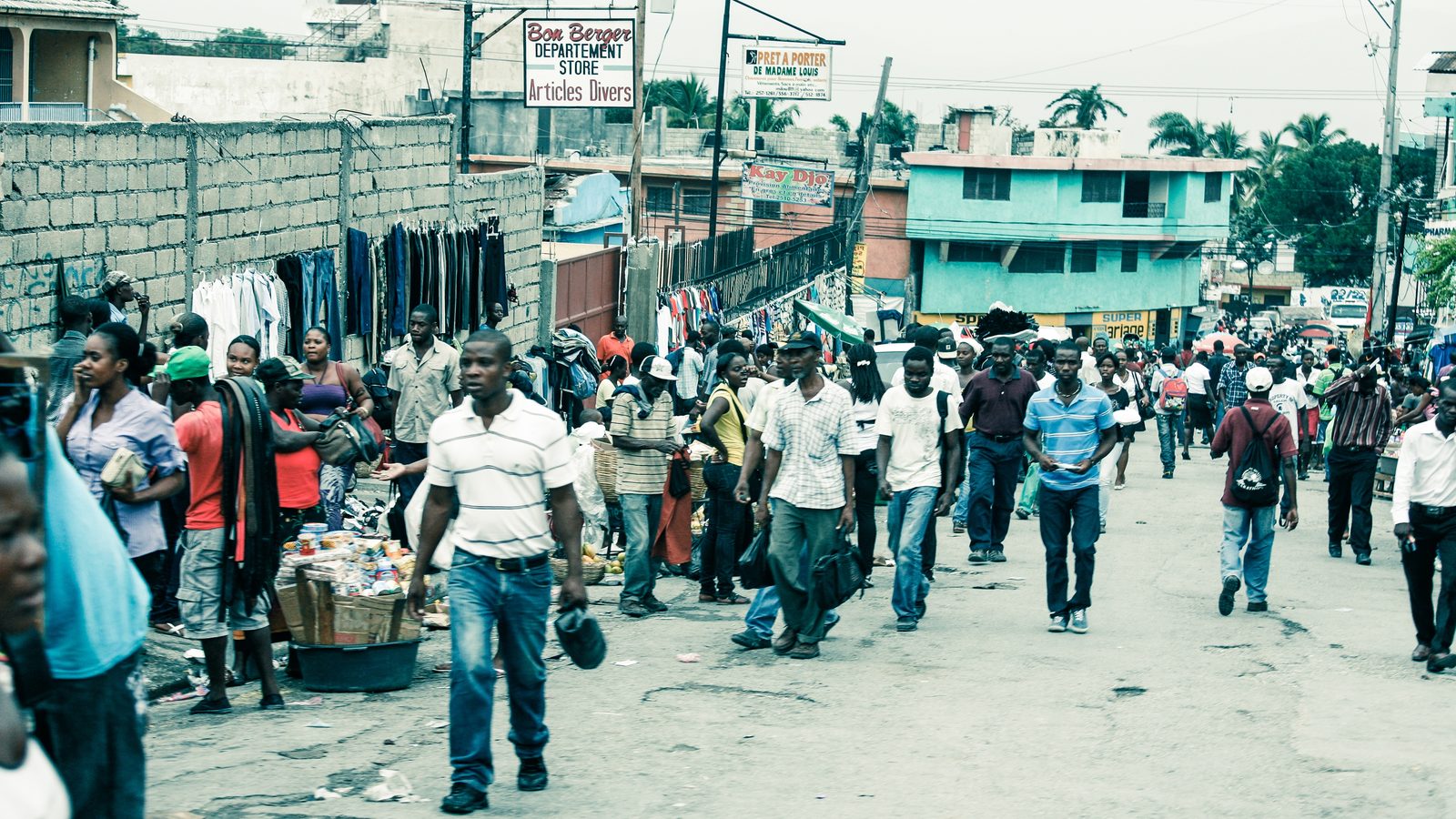
350,000 people just lost the one thing keeping them out of a capital that's 90% run by gangs.
- Temporary Protected Status for roughly 350,000 Haitians in the US ended following a Supreme Court ruling, leaving them undocumented and subject to detention or deportation as of 5 August 2026.
- They would be returned to a country where armed gangs, mostly united under the Viv Ansanm coalition, control about 90% of the capital Port-au-Prince and three of Haiti's ten provinces, while 5.7 million Haitians don't have enough food to eat.
- A UN-authorized international force meant to fight the gangs, approved for up to 2,500 officers, had deployed only 400 troops by June 2026.
- The US government's own travel advisory still tells American citizens not to go to Haiti — for the same security reasons it just stopped protecting Haitians already living in the US.
- The Trump administration has pushed to end Haitian TPS since February 2025; legal fights delayed that by about 18 months, during which the international anti-gang force fell badly behind its own schedule.
What happened?
Two things collided this month. First, courts confirmed that Temporary Protected Status (TPS) — the legal permission that let roughly 350,000 Haitians live and work in the US — has ended, following a Supreme Court ruling. As of 5 August 2026, those people are undocumented and can be detained or deported. Second, the country they'd be sent back to is in worse shape than when TPS was created: armed gangs control about 90% of the capital, and more than 5.7 million Haitians don't have enough food to eat.

Why did it happen?
The Trump administration has pushed to end TPS for Haitians since February 2025, arguing the program was meant to be temporary and had been stretched too far. Legal fights delayed that by about eighteen months — and during those eighteen months, the international force meant to fight Haiti's gangs fell badly behind schedule, arriving at a fraction of its planned size just as the legal protection ran out.
Who benefits?
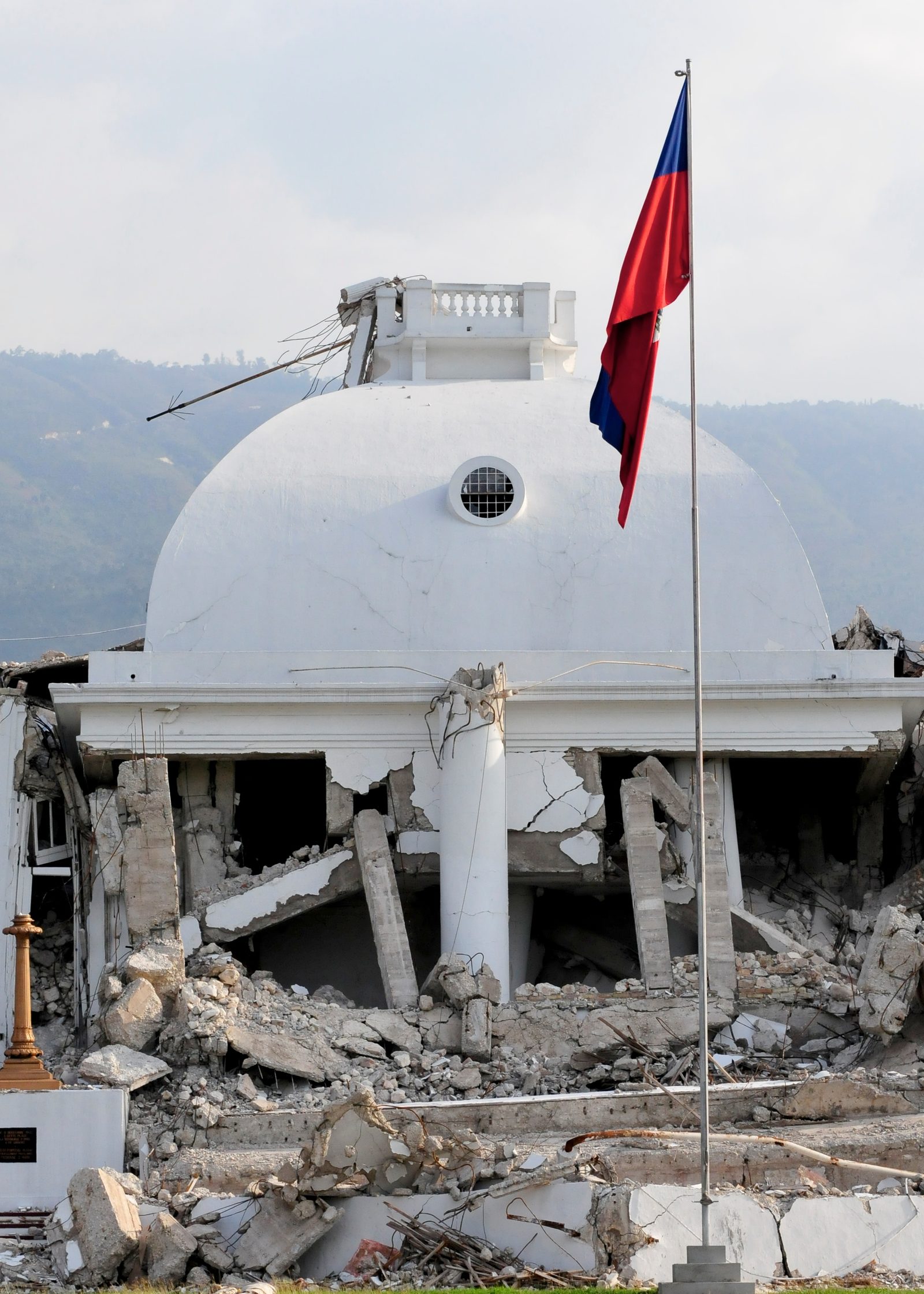
It's hard to identify a clear winner. US immigration hardliners who campaigned to end programs like TPS get a policy win, symbolic and real. Inside Haiti, the gangs arguably benefit most directly — a larger pool of people with nowhere else to go and few options is exactly the kind of population armed groups have proven able to recruit from or extort.
UncertainWho loses?
The clearest losers are simple to name. Up to 500,000 Haitians in the US, many of whom built lives there over years, now face losing their jobs and homes and possibly being sent back to a country their own government's travel advisory calls too dangerous to visit. And inside Haiti, 1.4 million people already displaced by gang violence, and 5.7 million going hungry, gain nothing from more people arriving with nowhere to go either.

What happened?
TPS was created by Congress in 1990 as temporary legal status for people already in the US from countries too dangerous to return to. Haiti was designated in 2010, and the Biden administration extended that designation in 2024, citing dangerous conditions on the ground. The Trump administration moved to end it starting in February 2025, arguing — through a DHS spokesperson — that prior extensions had 'attempted to tie the hands' of the incoming administration and that the goal was 'returning integrity to the TPS system.' Legal challenges delayed the termination for roughly eighteen months, until a federal judge, following a Supreme Court ruling earlier in the year, confirmed on 5 August 2026 that TPS was 'no longer in effect' for Haitians. Estimates of the number affected range from roughly 350,000 to 500,000 people, depending on the source and count date; those individuals are now considered undocumented, lose TPS-based work authorization, and in some states lose driving privileges tied to that status. Immigration attorney Patricia Elizee, quoted by CBS News Miami, called it 'a very, very sad day' and urged affected people to 'get educated, understand your situation, understand your immigration options.' Meanwhile, inside Haiti, Human Rights Watch's 2026 World Report documents that criminal groups killed at least 4,384 people and displaced 1.4 million between January and September 2025 alone, and that over 5.7 million Haitians face acute food insecurity, with roughly 600,000 in outright famine conditions.
Why did it happen?
The administration's stated rationale, via a DHS spokesperson, was that the prior extension was 'far longer than justified or necessary' and that ending it would restore TPS to 'its original status: temporary' after what the administration called decades of the program being 'abused and exploited.' That is a real tension in the underlying law — TPS was designed as a bridge, not a permanent status, and some recipients had held it for well over a decade. What the timing exposes is a second, independent failure that the TPS decision doesn't account for: the UN Security Council authorized transforming Haiti's international security mission into a 2,500-strong Gang Suppression Force in September 2025, but when that force actually deployed on 25 June 2026, only 400 Kenyan troops had arrived — a sixth of its authorized size, against roughly 200 active gangs. The TPS termination and the security force's shortfall are separate policy tracks that were not coordinated with each other, and their timing means the legal protection ended in the same window the security response was proving furthest behind its own plan. Likely, not confirmed, because no single document ties the two decisions together as cause and effect — this is two administrations' worth of separate policy choices landing in the same six-week period, not a stated joint plan.
Who benefits?
On the US policy side, the administration frames ending TPS as restoring the program's original, narrow purpose, and officials who have long argued the designation was overextended get the outcome they sought. Inside Haiti, the more troubling beneficiary is the gang economy itself: Human Rights Watch documents that at least 30% of criminal-group members are children, recruited into activities 'ranging from extortion to severe acts of violence, including killing and kidnapping' — and a larger population of people with no legal status abroad, no home to return to, and no immediate alternative is structurally the same pool gangs already draw recruits and extortion targets from. Uncertain, because there's no reporting establishing gangs are deliberately capitalizing on returnees specifically — this is an inference from who a larger, more desperate population structurally serves, not a documented outcome yet.
UncertainWho loses?
Human Rights Watch's figures for Haiti alone, from January to September 2025, are stark: at least 4,384 people killed by criminal groups, 1,899 injured, 491 kidnapped, at least 13 massacres, and 1,270 reported cases of sexual violence, mostly attributed to armed groups. Separately, Haiti's own security forces are implicated in serious abuses of their own: police allegedly killed 3,199 people in the same period, with 17% of those killed found to have had no involvement in the clashes where they died, and a government drone program is documented to have killed at least 547 people by 20 September, including 20 people with no criminal affiliation and 9 children. Against that backdrop, the roughly 350,000-500,000 Haitians losing US legal status face a country where the US State Department's own advisory still warns Americans against 'crime, kidnapping, terrorism, unrest, and limited health care' — the same conditions that justified TPS in the first place. Confirmed, because these figures come directly from Human Rights Watch's documented 2025-2026 reporting and the Council on Foreign Relations' own conflict tracking, not from projection.
Domino Effect
The causal chain so far. Read the dates against each other — that is the whole argument.
That is the administration's own case, made directly: TPS was created as a temporary bridge, not a permanent status, and some recipients had held it for well over a decade under repeated extensions — a real design tension in the underlying law, not an invented one. What that argument doesn't resolve is timing: this specific decision lands on roughly 350,000 people in the same weeks that Haiti's humanitarian numbers — famine, displacement, gang control — are getting worse rather than better, and the same US government that ended the protection still maintains its own advisory calling the country too dangerous for its own citizens to visit. A policy can be legally defensible on its own terms and still land at the worst possible moment for the people it affects; both of those things can be true about the same decision at once.
Corrections & revisions
1Every change to this analysis since publication, with the reason. We append here — we don't rewrite. A number that changes silently is indistinguishable from never having been wrong.
RSS feed-
REVISITRewrote the "why this matters to you" hook. the 'why should I care' answer here is simple: these are people, not statistics. Picture building a life somewhere for years — a job, an apartment, kids in school — and then being told your legal right to stay is gone, and the place you're sent back to is a capital city where nine out of ten streets belong to armed gangs, not the government. That's not a hypothetical. It's the situation roughly 350,000 people are in right now. And if that's not you, it still reaches you eventually — a country in this kind of collapse doesn't stay contained inside its own borders. It pushes people toward every neighbour and every port that will still take them, the way every failed state eventually does. → 350,000 people just lost the one thing keeping them out of a capital that's 90% run by gangs.Operator decision, 2026-08-19: whyItMatters.outcome is now the page's primary hook and every analysis was rewritten to a single short, concrete, human-stakes sentence (docs/EDITORIAL.md, Permanent standards #4) — replacing several that had grown into full paragraphs or abstract policy-thesis phrasing.
Sources
4 sources
Every source behind the Trust Index above. Follow them — a trust score you can't check is decoration.
Nothing here stands alone. This story is one node in a wider web — every card is another thread you can pull.