Sudan's War Just Produced Ethnic Cleansing at El Fasher. A War 3,000km Away Just Made the Hunger Worse.
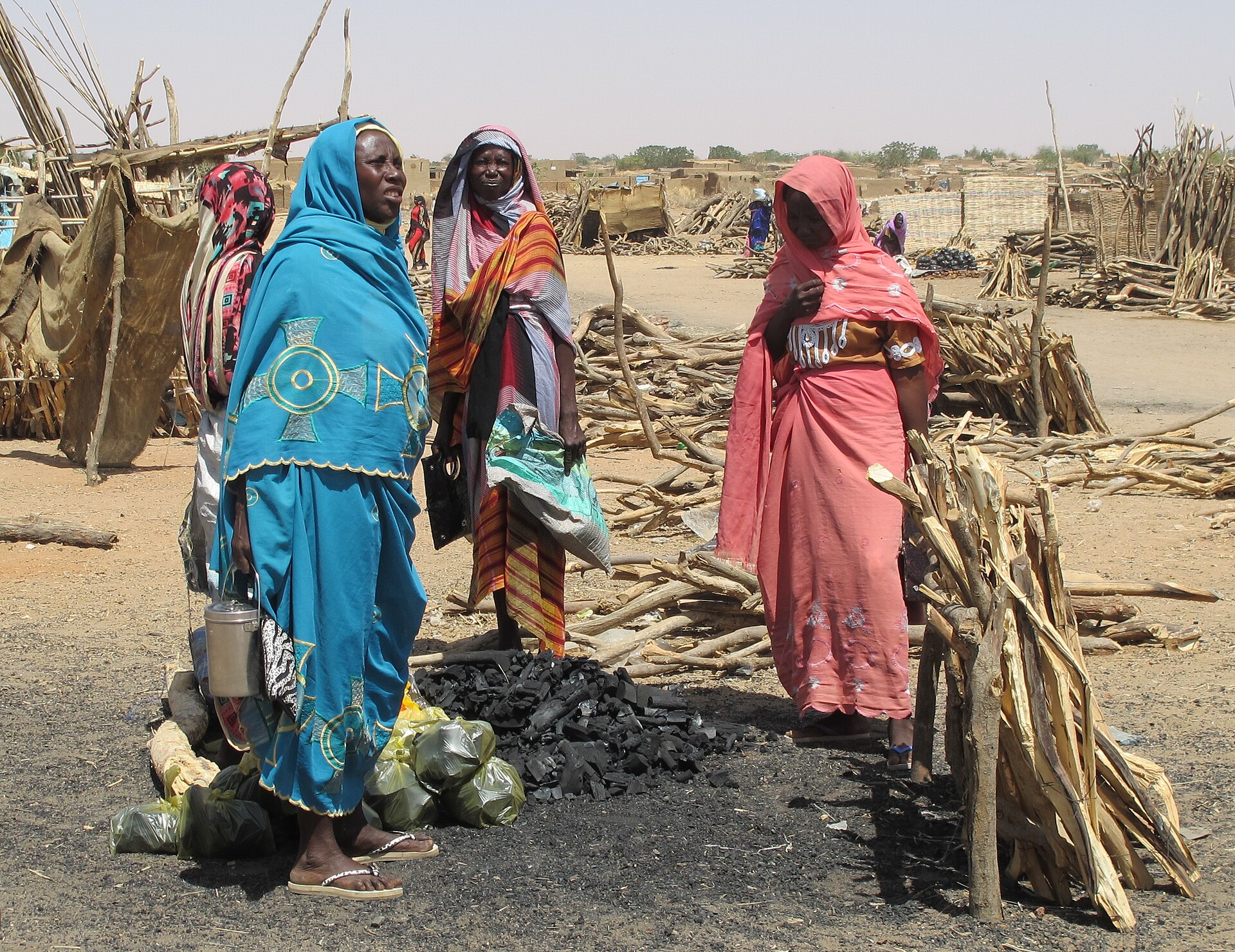
A war nobody was watching produced ethnic cleansing. Then a war on the other side of the world made feeding the survivors harder.
- After a 500-day siege, the Rapid Support Forces captured El Fasher in North Darfur in October 2025; Amnesty International's July 2026 investigation found RSF fighters committed murder, rape, torture and forced displacement targeting the Zaghawa community — crimes against humanity and ethnic cleansing.
- Nationwide, 33.7 million people need humanitarian help and 13.6 million are displaced, in a war that has now run roughly 1,000 days after both commanders rejected 2022-2023 international mediation.
- Since February 2026, Iran-war disruption to the Strait of Hormuz — 3,000km away — has cut off fertilizer and diesel imports Sudanese farmers needed for this year's planting season, on top of an aid budget that was already shrinking.
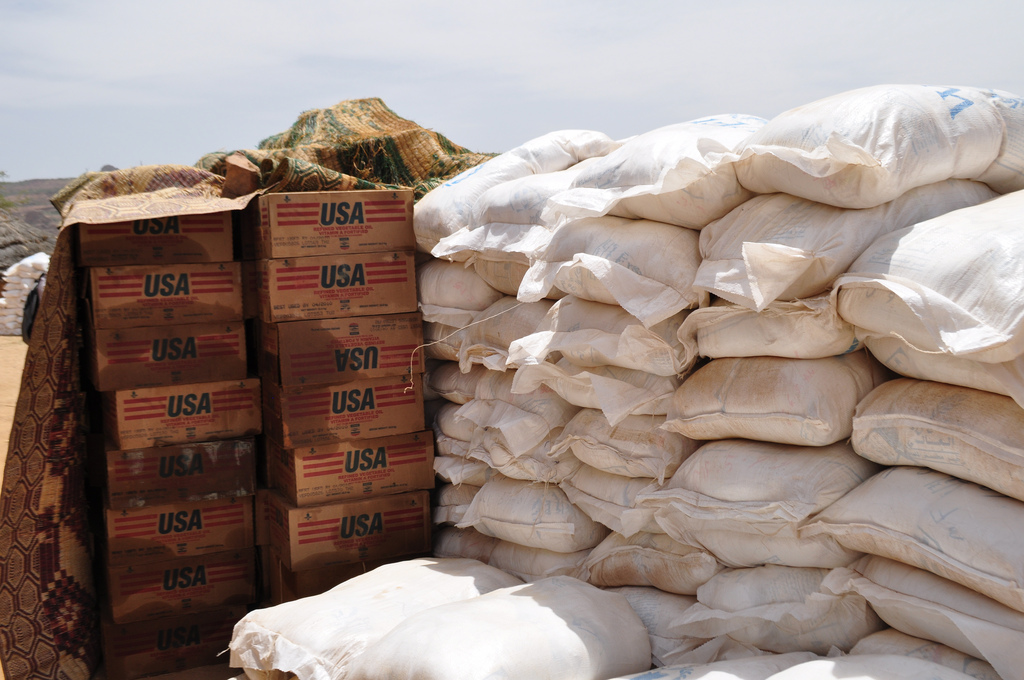
- The World Food Programme has had to cut the number of people it can feed from 5 million to 3.5 million, against a funding gap of $646 million, even as need keeps rising.
- Nearly 85,000 children were treated for severe malnutrition in North Darfur alone in eleven months, while the RSF's Hemedti gained territorial and resource control over nearly all of Darfur by taking the city.
What happened?
After a 500-day siege, the Rapid Support Forces captured El Fasher in North Darfur in October 2025. Amnesty International's July 2026 investigation found RSF fighters committed murder, rape, torture and forced displacement targeting the Zaghawa community — crimes against humanity and ethnic cleansing. Nationwide, 33.7 million people need humanitarian help, 13.6 million are displaced, and the war has now run roughly 1,000 days. Since February 2026, Iran-war disruption to the Strait of Hormuz has added a fertilizer and diesel shortage on top, and the World Food Programme has had to cut the number of people it feeds from 5 million to 3.5 million.
Why did it happen?
Sudan's war continues because both commanders — the army's Abdel-Fattah Burhan and the RSF's Mohammed 'Hemedti' Dagalo — rejected international mediation in 2022-2023 and chose to fight rather than share power, and outside backers on both sides have kept that choice affordable. The famine got sharply worse specifically now because a shipping war on the other side of the map, over the Strait of Hormuz, cut off the fertilizer imports Sudanese farmers needed for this year's planting season, on top of an aid budget that was already shrinking.
LikelyWho benefits?
The RSF's Hemedti gains territorial and resource control — El Fasher's fall completes his hold over nearly all of Darfur, and the gold mined there still moves to outside markets regardless of who is accused of buying the weapons that took the city. Outside backers on both sides gain a client force and continued regional leverage without committing their own troops. The UAE denies benefiting at all, and disputes the premise that it arms the RSF.
Who loses?
Sudan's civilians, overwhelmingly — 33.7 million people in need, 13.6 million displaced, and a Zaghawa community Amnesty says was ethnically cleansed from around El Fasher. Nearly 85,000 children were treated for severe malnutrition in North Darfur alone in eleven months. And the global response is losing too: WFP's own capacity is shrinking against a rising need, funded at a fraction of what the crisis now requires.
ConfirmedWhat happened?
The Rapid Support Forces besieged El Fasher, the last major Darfur city outside its control, for roughly 500 days before capturing it in October 2025; Amnesty International's report, published 1 July 2026 after investigating the period from early 2024 through the city's fall, documented murder, forcible transfer, imprisonment, torture, rape, sexual slavery, enslavement, extermination and persecution, concluding these acts constitute both crimes against humanity and the ethnic cleansing of the Zaghawa community from the area — RSF fighters burned homes after residents fled specifically to prevent their return. Tawila, the nearest safe town, absorbed 800,000 displaced people, mostly from El Fasher. Nationally, UN News's January 2026 figures put 33.7 million people — about two-thirds of Sudan's population — in need of humanitarian assistance, 13.6 million displaced (9.3 million internally, 4.3 million as refugees), and more than a third of health facilities non-functional after 201 verified attacks on healthcare since the war began in April 2023. Since the Iran war closed most Hormuz shipping in early 2026, Al Jazeera's July reporting documents a second, geographically distant shock landing on the same crisis: Sudan depends heavily on Gulf-sourced fertilizer, and the wartime shipping disruption hit during planting season, driving WFP acting director Carl Skau to describe a food-security picture that is 'falling backwards' rather than stabilizing — the agency has cut the number of people it can assist from 5 million to 3.5 million against a $646 million funding shortfall from US, European and British donor cuts.
Why did it happen?
Brookings' own account is blunt about the origin: both Burhan and Hemedti 'scorned' the 2022-2023 tripartite mediation effort by the UN, African Union and IGAD, turning their forces on each other in April 2023 rather than accept a civilian-transition framework that would have curtailed their own power. That the war has run nearly three years since is sustained, per Brookings, by outside patronage on both sides — 'fingers pointing at the United Arab Emirates for arming the RSF,' and Egypt, Qatar, Turkey, Saudi Arabia and Iran backing the SAF — a structure in which neither side has to win outright because neither side is fighting alone. Layered on top of that standing dynamic is a second, more recent cause specific to why the hunger crisis sharpened in mid-2026: Al Jazeera's reporting ties Sudan's fertilizer shortage directly to Hormuz shipping disruption from the separate Iran war, arriving during the planting season when the loss does the most damage, while WFP's own funding — already cut by the US, European nations and Britain — fell further behind need at the same moment. Likely, not confirmed, because the war's persistence is well-documented but the precise weighting between 'foreign patronage lets both sides afford to keep fighting' and 'neither commander would compromise regardless of external support' cannot be settled from the reporting available — both readings are argued, and this file cannot adjudicate between them with confidence.
LikelyWho benefits?
Hemedti's territorial position is the least contested gain: with El Fasher's capture, the RSF holds effectively all of Darfur, consolidating control of a region whose gold trade — mined from Dagalo-family-linked operations — continues to reach outside markets regardless of the arms-supply dispute below. Brookings frames both external patron blocs (UAE for the RSF; Egypt, Qatar, Turkey, Saudi Arabia and Iran for the SAF) as gaining a proxy force and regional leverage at a fraction of the cost of direct military involvement — a pattern consistent with how the war has run for nearly three years without either patron bloc having to answer for it directly, and without the African Union's own 2022-2023 mediation effort ever being revisited by either commander. The UAE's own position, however, is a direct dispute of this reading: Emirati official Salem Aljaberi called Amnesty's 2025 arms-supply allegations 'baseless,' saying the weaponry in question 'has been available on the international market for nearly a decade,' and the UAE dismissed Sudan's own genocide lawsuit against it at the International Court of Justice in May 2025. Amnesty's counter-evidence — verified footage of RSF fighters using Chinese-made howitzers of which the UAE was, per SIPRI data, the only confirmed buyer — is itself credible but not a confession. Uncertain, because the arms-supply question sits at the center of a live legal and diplomatic dispute this file cannot resolve, and 'who benefits' from a proxy war is inherently harder to pin down than 'who is fighting' it.
Who loses?
The human toll is the least contested part of this file because multiple independent bodies converge on the same order of magnitude: UN News's January 2026 figures count 33.7 million Sudanese in need of humanitarian assistance — about two-thirds of the population — 20 million requiring health assistance, and 21 million facing acute food insecurity, with nearly 85,000 children treated for severe acute malnutrition in North Darfur alone between January and November 2025, close to one child every six minutes. Amnesty's ground-level account from El Fasher specifically documents the ethnic cleansing of the Zaghawa community — burned homes, blocked returns, 26 documented survivors of sexual violence including girls under 18, and named RSF commanders it holds responsible, including Al-Fateh Abdullah Idris ('Abu Lulu') for verified video of executing captives. Over a third of Sudan's health facilities are non-functional after 201 verified attacks since April 2023, which killed 1,858 people at the facilities themselves. And the response apparatus is losing ground in parallel: WFP has had to cut the number of people it assists from 5 million to 3.5 million against a $646 million funding gap, driven by donor cuts from the US, European nations and Britain — acting director Carl Skau's own words, 'we are falling backwards,' describe an aid effort contracting exactly as the Hormuz-linked fertilizer shock adds a second driver of need. Confirmed, because these figures come from a UN agency, an independent human-rights investigation and an on-the-ground WFP account, none of which disputes the others' order of magnitude.
ConfirmedDomino Effect
The causal chain so far. Read the dates against each other — that is the whole argument.
Probably, on a slower timeline. The funding gap predates the Hormuz shock: US, European and British donor cuts were already pulling WFP's Sudan budget down before the Iran war closed shipping lanes in February 2026. What Hormuz added was a second, geographically unrelated shock landing at the worst possible moment — the planting season — on top of a response that was already underfunded. The honest read is that Sudan's crisis was severe and worsening on its own trajectory; Hormuz did not cause it, but it removed the margin that might have let this year's harvest partially offset the shortfall, which is why the 'why did it happen' question above is scored likely rather than confirmed on the compounding claim specifically.
Corrections & revisions
2Every change to this analysis since publication, with the reason. We append here — we don't rewrite. A number that changes silently is indistinguishable from never having been wrong.
RSS feed-
REVISITAdded two domino steps and three citations covering the UN fact-finding mission's 4 September report and the Quintet's contested 8-10 September Khartoum visit, and moved the ceasefire-agreed probability down, with a dated note. ceasefire-agreed: 12% (open) → ceasefire-agreed: 10% (open)Real developments on both halves of this analysis's argument: a UN mission formally documented foreign weapons and personnel flowing to BOTH the RSF and the SAF (not only the RSF, as the existing UAE-arms dispute covered), and the Quintet mediation body proceeded with its first wartime Khartoum visit only over a civilian-coalition boycott questioning its neutrality.
-
REVISITRewrote the "why this matters to you" hook. a war nobody outside the region was watching produced a documented ethnic-cleansing campaign, and a war nobody in Sudan is fighting just made feeding the survivors harder → A war nobody was watching produced ethnic cleansing. Then a war on the other side of the world made feeding the survivors harder.Operator decision, 2026-08-19: whyItMatters.outcome is now the page's primary hook and every analysis was rewritten to a single short, concrete, human-stakes sentence (docs/EDITORIAL.md, Permanent standards #4) — replacing several that had grown into full paragraphs or abstract policy-thesis phrasing.
Sources
8 sources
Every source behind the Trust Index above. Follow them — a trust score you can't check is decoration.
- Sudan: RSF atrocities in El Fasher 'a stain on the conscience of humanity' — new report
- Sudan war leaves millions hungry and displaced as health system nears collapse
- Sudan faces escalating hunger crisis due to war and Hormuz disruption
- Sudan's deadly divide: The RSF and SAF's reign of terror
- UAE denies supplying Sudan paramilitaries with Chinese arms
- UN Fact-Finding Mission warns foreign support is fueling Sudan's war and intensifying civilian suffering
- Sudan's Peace Mechanism Faces Boycotts and Allegations of Bias
- Quintet reaffirms no military solution to Sudan war
Nothing here stands alone. This story is one node in a wider web — every card is another thread you can pull.