Iran Fired Missiles at the UAE. The UAE Answered by Cutting It Off Completely.
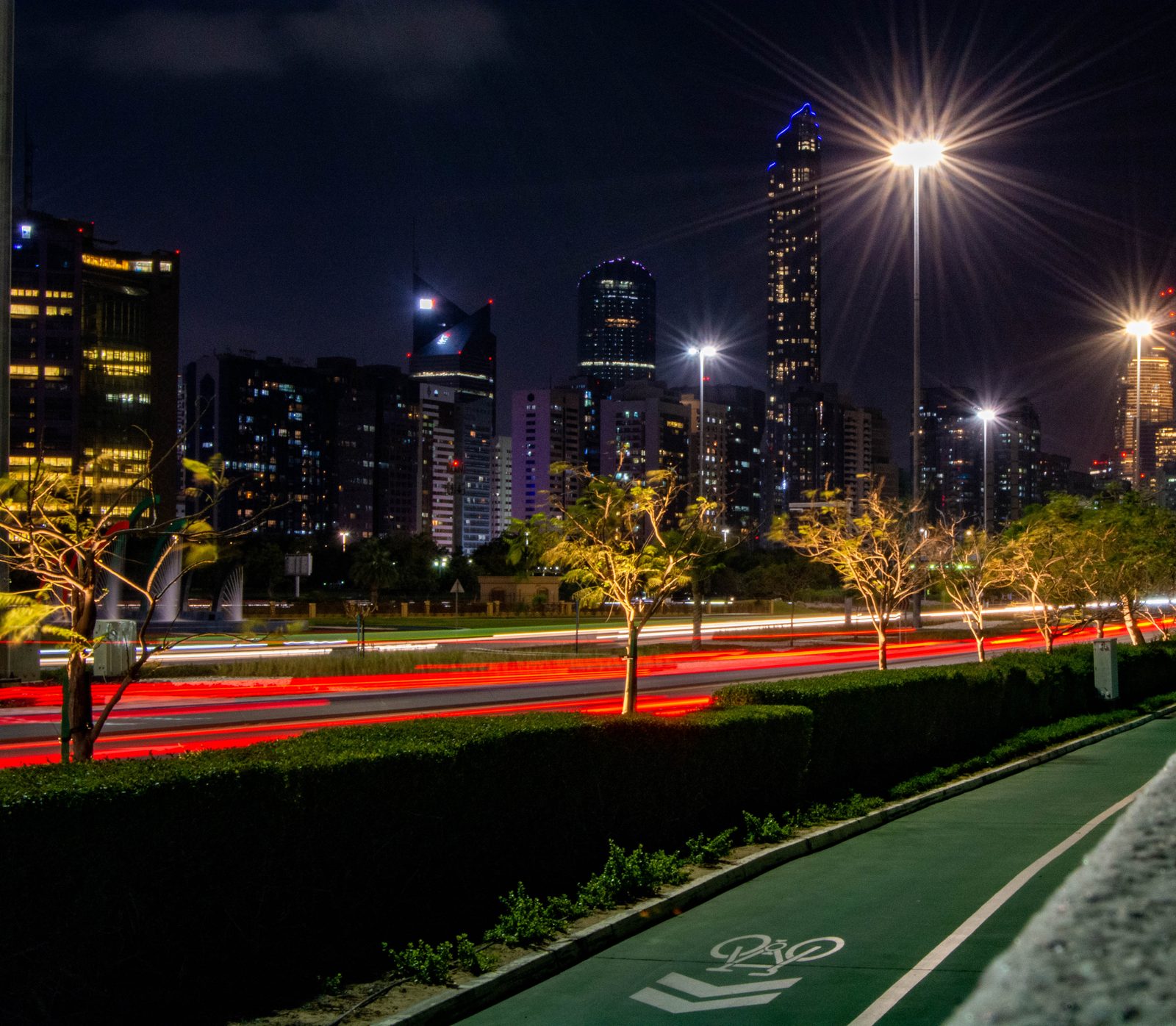
A Gulf trade war just opened over two missiles that hit nothing but the sea.
- On 18 August 2026, the UAE said Iran fired two ballistic missiles at its territory — the first such strike since May — both landing harmlessly in the sea; Iran denied it entirely, calling the accusation a "false flag operation."
- The missiles reportedly landed within hours of a 60-day US-Iran peace-talks window expiring with no deal, after Trump publicly rejected extending it.
- The next day, the UAE cut off all trade and money transfers with Iran indefinitely — a channel that had carried roughly a third of Iran's imports.
- Since the war reached the UAE on 28 February 2026, the country has intercepted more than 2,819 ballistic missiles, drones and cruise missiles, and UAE residents are again getting missile alerts on their phones.
- Migrant workers from Pakistan, India, Bangladesh and Nepal have made up the large majority of people killed and hurt in earlier rounds of the same campaign.
What happened?
On 18 August 2026, the United Arab Emirates said Iran fired two ballistic missiles at its territory. Both fell into the sea — one inside UAE waters, one outside — and nobody was hurt. It was the first missile fired at the UAE since May. The next day, the UAE cut off all trade and money transfers with Iran, with no end date given. Iran says it did not do this at all, and calls the accusation a 'false flag operation.'
Why did it happen?
The root cause goes back to 28 February 2026, when the US and Israel struck Iran and Iran retaliated against US allies across the Gulf — including the UAE, which hosts a major US airbase. A fresh round of peace talks opened later and gave both sides 60 days to find a deal; that window ran out on 18 August with nothing agreed, and Trump said publicly he was rejecting an extension. The missiles reportedly fired at the UAE landed within hours of that deadline passing.
Who benefits?
It's hard to point to a clear winner here. Hardliners on the Iranian side who want to keep pressure on Gulf countries allied with the US may see value in reminding the UAE it's still exposed. On the UAE and wider Gulf side, officials who wanted a harder line against Iran now have one, with public justification. Commodity and shipping traders who profit from volatility are also, in a narrow sense, beneficiaries of the uncertainty.
UncertainWho loses?
The clearest losers are ordinary people. UAE residents are back to getting missile alerts on their phones. Iranians lose a trade and banking channel that carried about a third of their country's imports, right as their economy is already squeezed by sanctions. And migrant workers — from Pakistan, India, Bangladesh, Nepal and elsewhere — have already made up the large majority of people killed and hurt in the earlier rounds of this same campaign.
What happened?
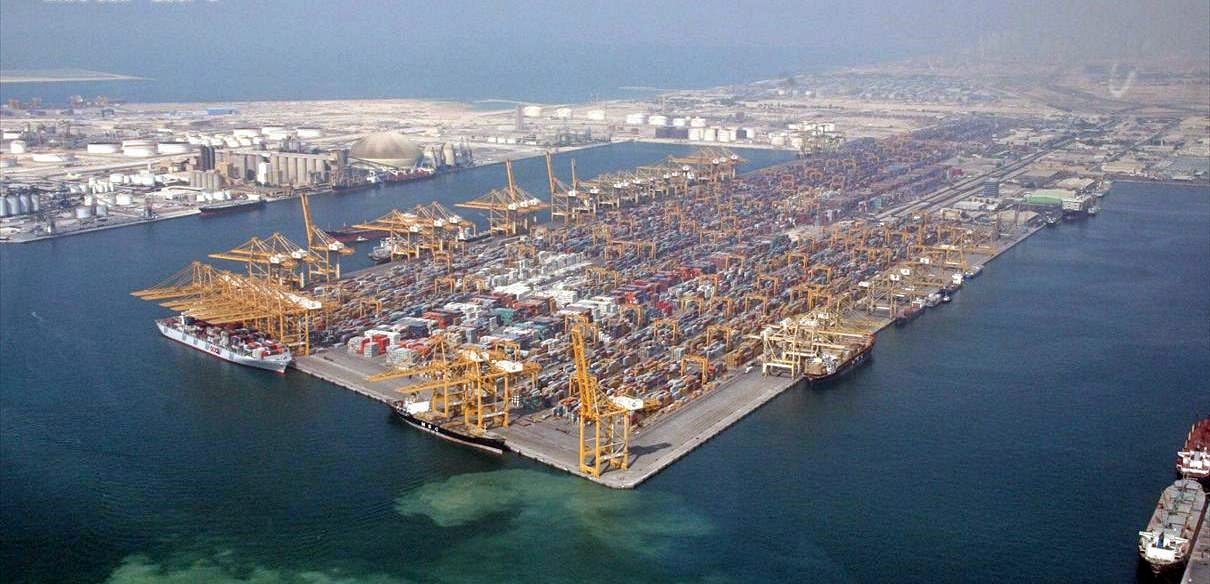
The UAE's Defense Ministry said on 18 August 2026 that it had detected two ballistic missiles launched from Iran, one of which fell inside UAE territorial waters and one outside them; Dubai residents received a missile-threat alert on their phones before the Interior Ministry declared the situation 'safe.' It was Iran's first known strike on the UAE since May, and it landed on the same day a 60-day window for renewed US-Iran peace talks expired without a breakthrough. The following day, 19 August, the UAE's Ministry of Foreign Affairs announced an indefinite halt to 'all trade, commercial exchanges and financial transactions with Iran,' citing escalations that 'undermine regional peace and security.' The scale of that move is significant on its own: Dubai supplies roughly a third of Iran's annual imports and functions as a major hub for Iranian money transfers that route around international sanctions, and one retired US general was quoted calling the embargo potentially more damaging to Iran than direct US sanctions. This all sits inside a much larger campaign: Iran launched sustained missile, drone and cruise-missile strikes at the UAE between 28 February and 8 April 2026, and by 9 April UAE air defenses had engaged 537 ballistic missiles, 2,256 drones and 26 cruise missiles, killing 15 people (2 Emirati service members and 13 foreign nationals) and injuring 246 from 31 countries. Iran's Foreign Ministry spokesperson rejected the August accusation as 'baseless,' called it a 'false flag operation,' and said it 'contradicts the principle of good neighbourliness.'
Why did it happen?
The UAE has never been a passive bystander in this war, which matters for reading why it might be targeted again now. It hosts Al Dhafra Air Base, a major US military installation, and reporting from the Wall Street Journal describes the UAE conducting its own coordinated strikes alongside US and Israeli forces during the spring campaign, including an April 8 strike on a refinery at Iran's Lavan Island — after the ceasefire had already been announced. That history gives Iran a case, however contested, for treating the UAE as a combatant rather than a neutral neighbour. Layered on top of that is the timing: the two-month window for renewed US-Iran talks expired on 18 August 2026 with Trump publicly rejecting a further extension, and the reported missiles landed the same day. Scored 'likely' rather than 'confirmed' because Iran denies firing them at all, and no independent, non-governmental confirmation of the launch's origin has surfaced in public reporting — the UAE's account is specific and detailed, but it remains one government's account of an incident with no visible damage to examine.
Who benefits?
None of the likely beneficiaries come out ahead in any straightforward sense — this is a case where 'who benefits' mostly identifies who is least harmed by an outcome nobody was seeking. Inside Iran, factions arguing that de-escalation gets Iran nothing may feel vindicated if talks collapsed anyway. Inside the UAE, the trade embargo is a costly move — it cuts off a fifth of Iran's imports that Dubai itself was profiting from supplying — but it hands officials who wanted a harder posture toward Tehran a clean, publicly defensible trigger to take it. Uncertain, because none of this is stated motive from either government; it is inference from who each move happens to serve.
UncertainWho loses?
Of the 15 people killed in Iran's spring 2026 campaign against the UAE, 13 were foreign nationals — from Pakistan, India, Bangladesh, Egypt, Morocco, Nepal and Palestine — and of the 246 injured, the toll spanned 31 nationalities. That pattern is a structural feature of who lives and works in the UAE, and it means any renewed strikes fall disproportionately on migrant labourers with the least ability to leave quickly or absorb a shock; some expat residents did leave in the spring, at costs reported as high as $250,000 for a private evacuation flight, which is itself a marker of who could afford to go and who could not. On the Iranian side, an indefinite cutoff of roughly a third of the country's import channel and a key sanctions-evasion financial route lands on an economy and population already under heavy sanctions pressure — the embargo punishes the Iranian state, but its first-order cost falls on Iranian consumers and businesses that relied on that channel for ordinary goods. Confirmed, because these casualty and trade figures come from the UAE's own official tallies and Wikipedia's sourced tracking of the war, not from projection.
Domino Effect
The causal chain so far. Read the dates against each other — that is the whole argument.
Iran's denial isn't new noise in this war — states on both sides have made contested claims before, and two missiles landing in open water leave far less physical evidence than the hundreds that hit buildings in the spring. But the UAE's account is specific: a splash point inside its territorial waters, a second one outside them, an air-defense engagement logged in real time. Those are the kind of details a fabricated claim usually doesn't bother with. And the embargo carries a real cost for the UAE too — it gives up roughly a fifth of Iran's total import trade that Dubai itself was supplying, which is an odd thing to sacrifice over an invented pretext. The more defensible reading: something was fired, its origin is asserted but not independently verified in public reporting, and the UAE chose to act on the accusation rather than wait for confirmation that may never come.
Corrections & revisions
1Every change to this analysis since publication, with the reason. We append here — we don't rewrite. A number that changes silently is indistinguishable from never having been wrong.
RSS feed-
REVISITRewrote the "why this matters to you" hook. none of this happens near you, but it can still reach your wallet. Dubai is one of the world's busiest oil, shipping and banking crossroads — when a Gulf state that size slams the door on a neighbour it's still fighting a shadow war with, insurers quietly raise the price of moving anything through the region, and that shows up later in your fuel bill or your flight ticket. The bigger worry is simpler than money, though: a war both sides said they wanted to end just found a new way to keep going. → A Gulf trade war just opened over two missiles that hit nothing but the sea.Operator decision, 2026-08-19: whyItMatters.outcome is now the page's primary hook and every analysis was rewritten to a single short, concrete, human-stakes sentence (docs/EDITORIAL.md, Permanent standards #4) — replacing several that had grown into full paragraphs or abstract policy-thesis phrasing.
Sources
5 sources
Every source behind the Trust Index above. Follow them — a trust score you can't check is decoration.
Nothing here stands alone. This story is one node in a wider web — every card is another thread you can pull.