Hezbollah Fought for Assad for a Decade. Reuters Says It Just Sat Down With the Men Who Beat Him.
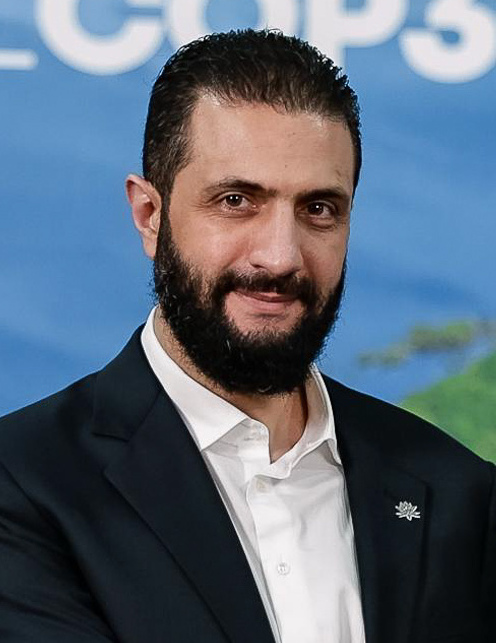
Two old enemies on Lebanon's border may be quietly agreeing not to fight — and the people who'd confirm it are denying it.
- Reuters, citing six sources including two Syrian officials, a US official and a senior Lebanese security source close to Hezbollah, reported on 1 October 2026 that Syrian government officials and Hezbollah met face to face in Turkey in September — the first known meeting between the two.
- According to those sources, Turkish security and intelligence agencies arranged the meeting; both sides agreed they held no hostility toward each other, and Syria assured Hezbollah it would not intervene militarily in Lebanon to disarm the group.
- Syria asked Hezbollah to help stop cross-border smuggling and dismantle cells inside Syria, but got no direct answer; no final agreement was reached and none was going to be announced.
- Iran, Hezbollah's main backer, was not in the room — a Lebanese source said Tehran was 'disappointed', and that al-Sharaa 'rebuffed any notion of direct ties to Iran for now'.
- Syria's Ministry of Information said 'no such meeting took place', and Turkey called the report 'baseless' — so the meeting itself is reported, not confirmed.
What is being reported?
Reuters says Syrian officials and Hezbollah met secretly in Turkey last month. They agreed they are not enemies, and Syria promised not to send forces into Lebanon to disarm the group.
Why would these two enemies talk?
Hezbollah spent years fighting for Assad against the people who now rule Syria. With Assad gone, Hezbollah fears an attack from the Syrian side, and Syria wants smuggling across the border stopped.
Did it really happen?
Six sources say yes, including a US official. Syria and Turkey both say no. Until someone confirms it on the record, treat it as a strong report, not a fact.
UncertainWho gains — and who was left out?
Turkey gains the most: it showed it can bring Syria and Hezbollah to the same table. Iran, Hezbollah's main backer, was not invited and was reportedly unhappy about it.
What is being reported?
According to Reuters' six sources, Hezbollah representatives met Syrian intelligence and foreign ministry officials in Turkey at least once in September 2026, at the invitation of Turkish security and intelligence agencies. Both sides agreed they held no hostility toward one another; Syria assured Hezbollah it would not intervene militarily in Lebanon to disarm the group, and Hezbollah pledged not to interfere in Syria's affairs. Syria asked for help stopping cross-border smuggling and dismantling Hezbollah-linked cells inside Syria, especially in the south, but the sources say it got no direct answer. 'Hezbollah wants to protect its flank,' the Lebanese source said. No final agreement was reached and no announcement was planned. Rated 'likely', not 'confirmed', because every party with the power to confirm it has denied it.
Why would these two enemies talk?
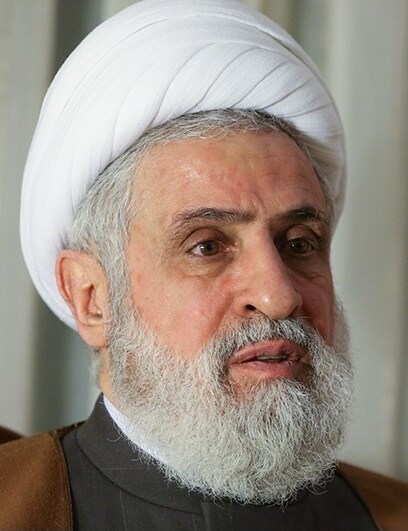
Hezbollah sent fighters to defend Bashar al-Assad through Syria's civil war, against forces that included the al-Nusra Front — once led by the man who is now Syria's president, Ahmed al-Sharaa. Since Assad's fall in December 2024 the two have been adversaries across a long, porous border. Each side has something to protect. For Hezbollah, the danger is a second front: a Syrian move against it from the east. For Damascus, the worries are smuggling and armed cells left over from the Assad years. The signals were public before the meeting: in July 2026 Syrian Foreign Minister Asaad al-Shaibani said Damascus was open to meeting Hezbollah, and in August Naim Qassem said the group had no objection.
Did it really happen?
The case for: six separate sources across three camps — two Syrian officials, a US official and a Lebanese source close to Hezbollah — told the same story, and both sides had publicly said in July and August that they were open to talking. The case against: Syria's Ministry of Information said 'these claims are false and no such meeting took place', and Turkey called the report 'baseless' and 'entirely fabricated and speculative'. Official denials of secret talks are common, because admitting them has a political price — for Damascus, being seen to deal with the group that fought for Assad; for Ankara, being seen to host Hezbollah. So the denials lower confidence but do not settle it. This analysis rates the meeting 'likely' and the details of what was agreed 'uncertain'.
UncertainWho gains — and who was left out?
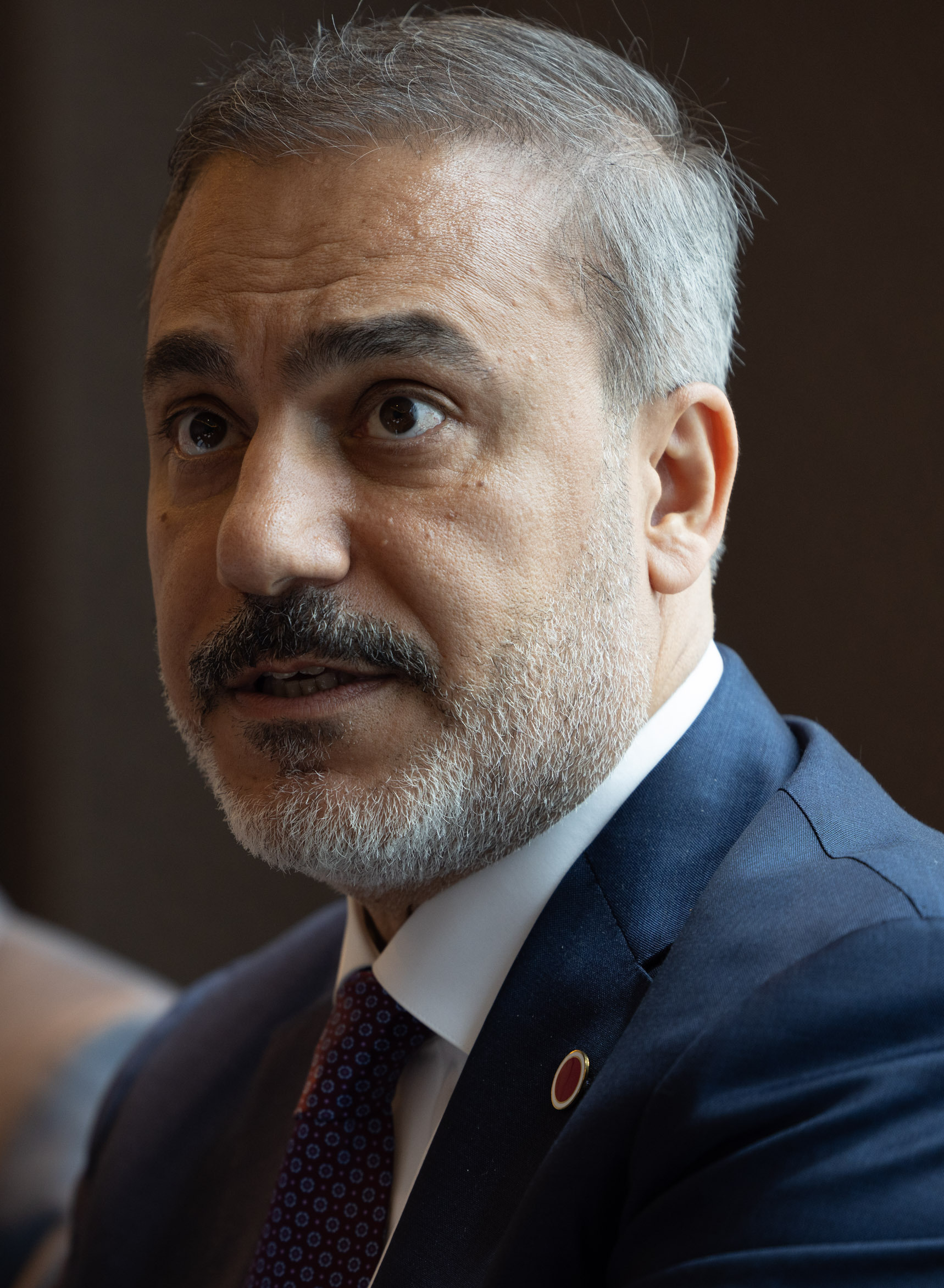
Three Reuters sources say Turkey, al-Sharaa's closest ally, actively pushed for the meeting — which, if true, makes Ankara the broker between Syria's new government and a group that answers mainly to Tehran. Iran was absent. The Lebanese source said Tehran was 'disappointed' not to take part directly, and that al-Sharaa 'rebuffed any notion of direct ties to Iran for now'. That is the bigger shift: a channel to Hezbollah that runs through Turkey, not Iran — at a time when Iran is fighting a war with the US and Israel. Hezbollah, for its part, gets a promise that its eastern flank is safe without giving up anything Syria asked for.
Domino Effect
The causal chain so far, dated from what the sources actually report. New dominoes append as they fall.
Without a working line between Damascus and Hezbollah, the border goes back to being managed by nobody: smuggling continues, and each side reads the other's moves as preparation for attack. That is the situation the reported meeting was meant to end. The sources do not show whether a second meeting is planned; this analysis tracks it as the open question.
Corrections & revisions
noneEvery change to this analysis since publication, with the reason. We append here — we don't rewrite. A number that changes silently is indistinguishable from never having been wrong.
RSS feed- No corrections yet. When we get something wrong, the fix is logged here rather than quietly applied.
Sources
3 sources
Every source behind the Trust Index above. Follow them — a trust score you can't check is decoration.
Nothing here stands alone. This story is one node in a wider web — every card is another thread you can pull.