Gaza's Ceasefire Kept Its Biggest Promise. It Broke Almost Every Other One.
The ceasefire stopped the killing's worst phase. It never answered what the war was actually about.
What happened?
A US-brokered 20-point peace plan took effect on 10 October 2025: all 20 living Israeli hostages came home within three days, Israel freed roughly 1,950 Palestinian prisoners, and Israeli troops withdrew behind a 'yellow line' covering about 58% of Gaza. Ten months on, Hamas has not disarmed, Israel has not withdrawn further — its zone of control has grown to 64% — and both governments are still trading fire.
Why did it happen?
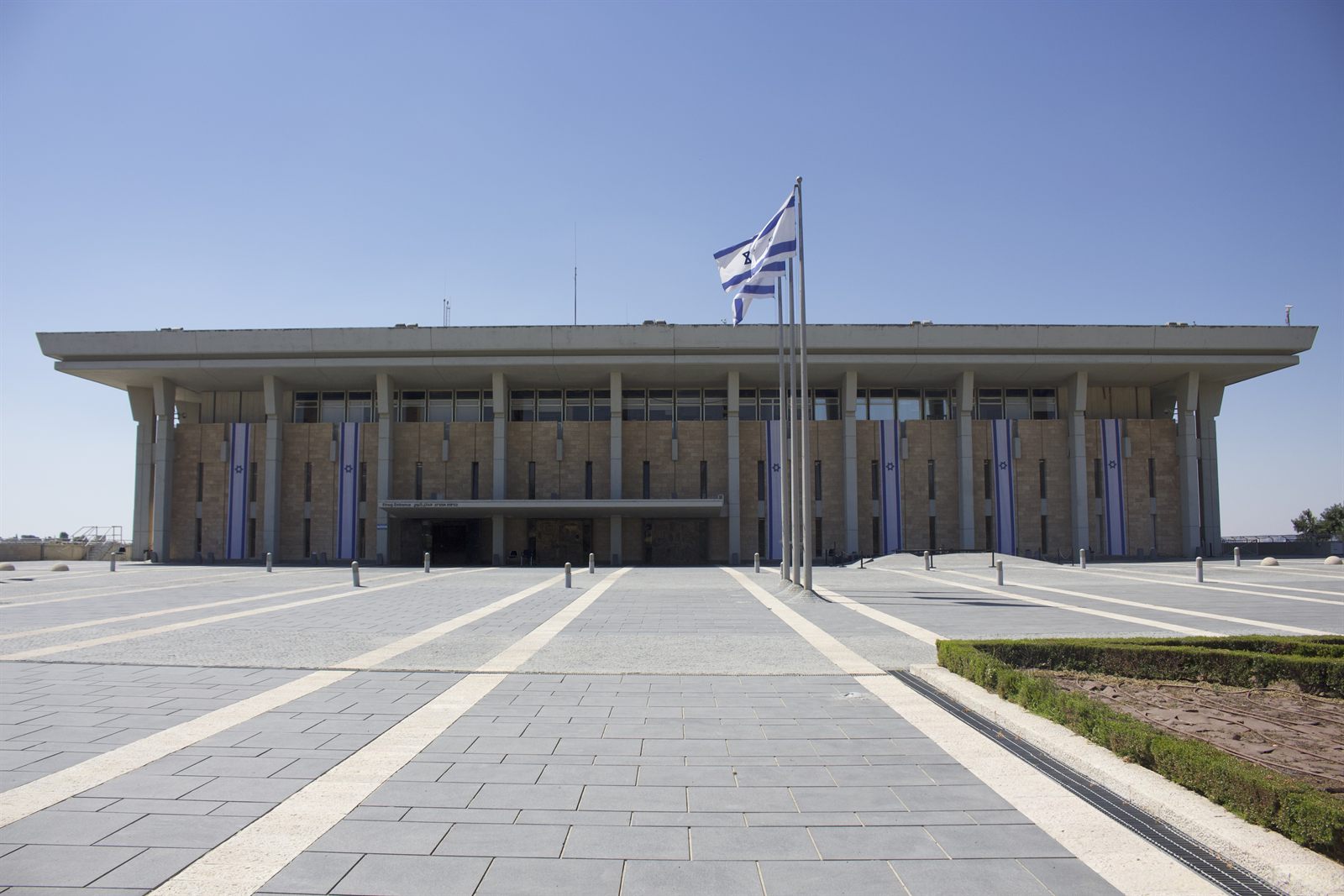
Each side has made its next move conditional on the other's. Israel says it will not withdraw further, or allow reconstruction, until Hamas fully disarms; Hamas says it will not disarm without a guaranteed end to Israeli strikes and a real withdrawal timeline first. Donor nations are conditioning reconstruction money on the same disarmament that isn't happening, and Netanyahu's own coalition has little room to concede.
LikelyWho benefits?
Netanyahu's government, which keeps a security rationale for holding ground without forcing a withdrawal fight inside a fragile coalition. Hamas, which keeps de facto administrative relevance over the roughly 36% of Gaza still outside Israeli lines by not disarming. And the Trump administration, which can point to a named peace plan and hostages home no matter how much of the rest has stalled.
UncertainWho loses?
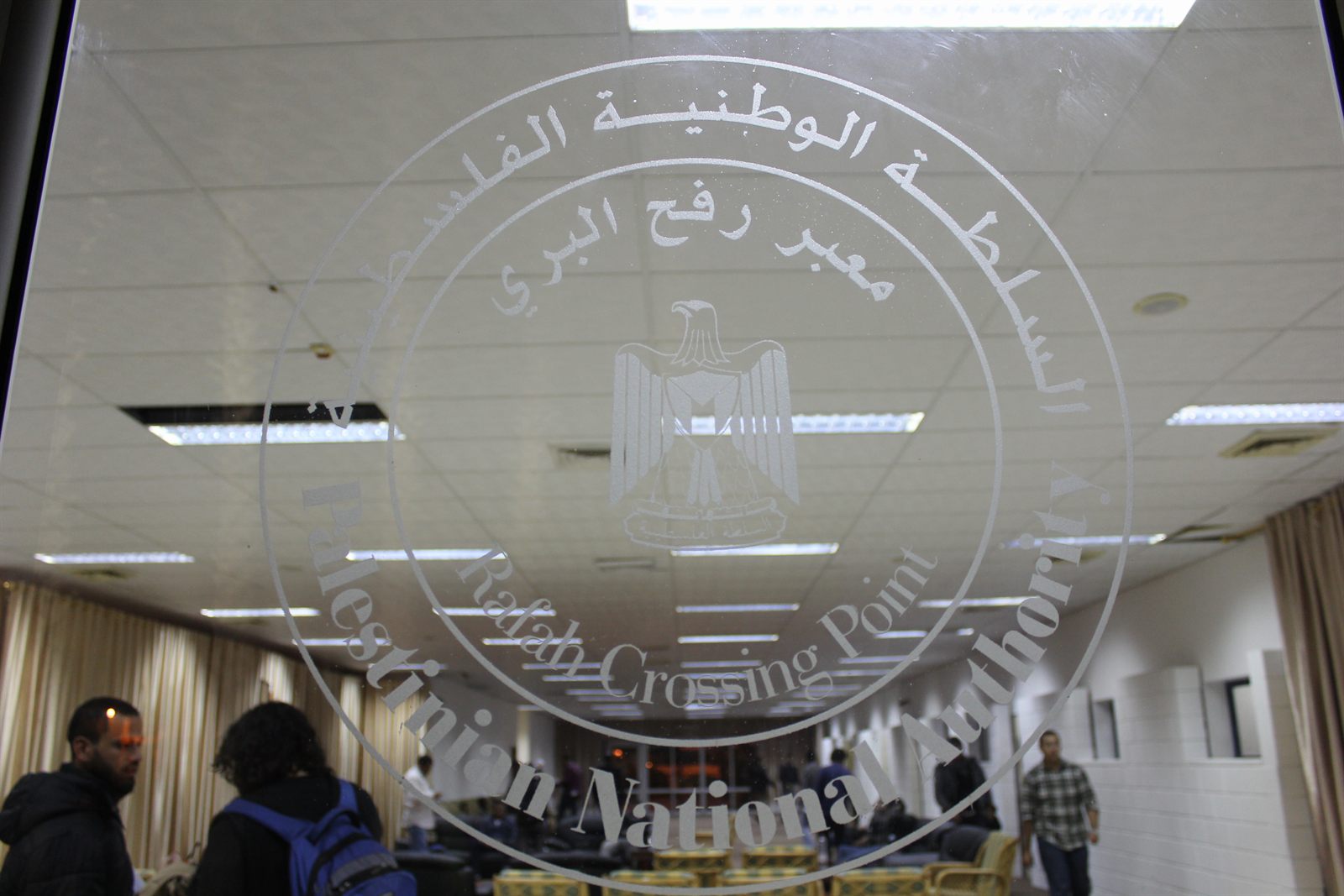
Gaza's roughly 2 million residents: 77% face acute food insecurity, more than 18,000 patients — including 11,000 with cancer — cannot get evacuated for treatment, fewer than 400 have been allowed out via Rafah since February, and 3,700 children need treatment for malnutrition. The Palestinian Authority, sidelined and in financial crisis with no elections since 2006. And reconstruction itself: only 0.5% of the rubble from 80% of Gaza's damaged buildings has been cleared.
What happened?
The plan, brokered by the Trump administration, sequenced a ceasefire, a full hostage-for-prisoner exchange, an initial Israeli withdrawal, and a longer 'phase two' covering demilitarisation, an International Stabilization Force (ISF), a transitional governing body called the Board of Peace, and reconstruction. The first phase delivered fast and completely: all 20 living hostages were released within three days, and by 26 January 2026 Israel recovered the remains of Ran Gvili, the last of the 251 people taken hostage in October 2023, closing out the exchange against roughly 1,950 Palestinian prisoners and 360 bodies returned by Israel. Everything sequenced after that has moved far more slowly. Israel has conducted no further withdrawal since the original 'yellow line' — instead, with the Board of Peace's own approval in May 2026, it redrew the line outward by about 11 percentage points to a new 'orange line', bringing its zone of security coordination to roughly 64% of the Strip. On 27 July 2026 Israel's cabinet approved, by a divided vote, a legal framework for an initial ISF contingent of about 200 personnel — mostly Moroccan, Ugandan, Albanian, Kazakh and Kosovan — to enter a single pilot 'humanitarian zone' near Rafah; National Security Minister Itamar Ben Gvir voted against even that. Israeli strikes have continued throughout: on 30 July 2026 alone, at least four people including two children were killed in strikes across Gaza, and ACLED assesses the ceasefire as 'fragile and incomplete', expecting 'continued Israeli strikes and enforcement of the buffer zone' rather than a durable settlement.
Why did it happen?
Prime Minister Netanyahu has been explicit that sequencing is deliberate, not accidental: 'I am already hearing statements that we will allow Gaza's reconstruction before demilitarisation. That will not happen' — adding that Israel 'will maintain security control over the entire area from the Jordan River to the sea, and that applies to the Gaza Strip as well,' and that disarmament will happen 'either the easy way or the hard way.' A senior adviser has floated a 60-day deadline after which, absent disarmament, 'the IDF will complete its mission.' Hamas's position, per J Street's assessment, is the mirror image: it has rejected the Board of Peace's sequenced disarmament plan, insisting on international guarantees that Israel will first halt operations, allow full humanitarian access, and commit to a real withdrawal. Reconstruction donors — chiefly Saudi Arabia, the UAE and Qatar — are conditioning the $17bn so far pledged (against a $71.4bn assessed cost) on Hamas disarming first, which closes the loop: nobody moves first because moving first is the concession each side has decided it cannot afford to make. Domestic Israeli politics narrows the room further — National Security Minister Ben Gvir's vote against even the limited, Rafah-only ISF pilot shows how little appetite Netanyahu's coalition has for territorial or security concessions with an election approaching. Likely, not confirmed, because the reporting cannot fully separate genuine security calculation from domestic political incentive on either side — Al Jazeera's own sourcing frames the July ISF vote as 'a calculated manoeuvre' timed to a Netanyahu-Washington visit rather than a substantive step, which is itself a contested read, not a settled one.
LikelyWho benefits?
For Netanyahu, the stalemate is close to the least-bad outcome available: the coalition that includes Ben Gvir has shown it will resist territorial concessions, and 'no withdrawal until disarmament' is a position popular enough at home to hold indefinitely without needing to be defended as a compromise. For Hamas, retaining weapons is what keeps it a party that has to be negotiated with rather than simply displaced from the roughly 36% of Gaza it still administers outside the yellow/orange line — disarmament without the guarantees it is demanding would remove its only remaining source of leverage. For the Trump administration, the political value of 'the war is over and the hostages are home' does not obviously depend on phase two succeeding — critics quoted by Al Jazeera describe the limited July ISF approval as timed to a Netanyahu visit to Washington, 'an appetiser' offered to relieve pressure rather than a genuine step toward the plan's stated end state. Uncertain, because all three readings describe an incentive to let the standoff continue rather than a plan to end it, and the reporting offers no way to rank which actor's interest in the status quo is strongest.
UncertainWho loses?
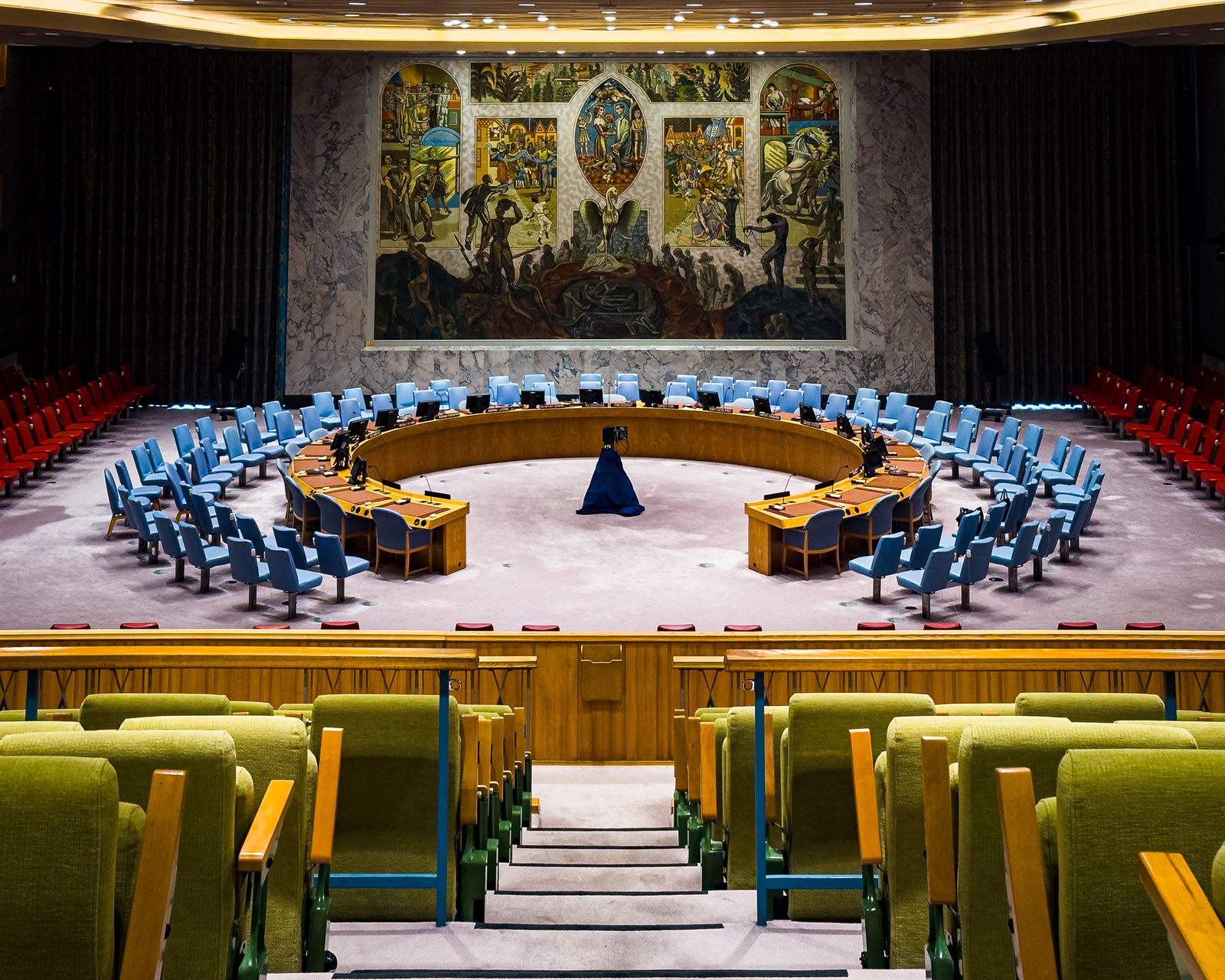
The humanitarian numbers are the least contested part of this file, because multiple independent bodies converge on the same picture. J Street's six-month assessment counts over 700 Palestinians and 4 Israelis killed since the ceasefire began — the UN Security Council Report's July monthly forecast puts Palestinian deaths since October 2025 above 1,000, a discrepancy likely reflecting different cut-off dates and counting methods rather than a factual dispute, and both track an ongoing toll under a label ('ceasefire') that implies neither figure should be moving. The UN's OPT Flash Appeal, meant to fund the response, was only 24% funded against an estimated $3.1bn first-year need. Aid diversion has fallen sharply — from as much as 80% before the ceasefire to about 0.5% now — which is real progress, but it has not translated into food security: 77% of the population remains acutely food insecure, 1.7 million people are sheltering across roughly 1,600 informal camp clusters, and most of Gaza's children are receiving no education at all. Reconstruction is barely underway by any measure: 0.5% of rubble cleared against 80% of buildings damaged, and Israel continues to restrict 'dual-use' materials including cement and steel that reconstruction cannot proceed without. The Palestinian Authority, meant to eventually govern a reconstructed Gaza, faces its own crisis — Israel continuing to withhold tax revenues it collects on the PA's behalf, no elections since 2006, and declining legitimacy amid separate settler violence in the West Bank. At the UN, the Security Council itself is split: the US has blocked draft language opposing West Bank annexation, while China and Russia — who abstained on the ceasefire's founding resolution — continue to call the Council's whole approach imbalanced. Confirmed, because these figures come from UN monitoring bodies, a Washington-based advocacy group's own published assessment, and a conflict-data tracker independently, and none of the three disputes the others' numbers.
Domino Effect
The causal chain so far. Read the dates against each other — that is the whole argument.
The sequencing dispute suggests it might not have changed much on its own. Hamas's stated position ties disarmament to a guaranteed end to Israeli strikes and a real withdrawal timetable — not to how much territory Israel currently holds day to day — so a static yellow line likely still meets the same refusal a shrinking one has. What the orange line concretely changed is leverage and appearance: 64% control gives Israel more ground to trade in any future negotiation, and Board of Peace approval means the expansion carries the same institutional signature as the original plan — which is exactly why calling it 'the ceasefire eroding' and calling it 'the peace process working as designed, given Hamas's non-compliance' are both defensible readings of the same eleven percentage points.
Corrections & revisions
1Every change to this analysis since publication, with the reason. We append here — we don't rewrite. A number that changes silently is indistinguishable from never having been wrong.
RSS feed-
REVISITRewrote the "why this matters to you" hook. the plan ended the war's deadliest phase without resolving the argument that started it → The ceasefire stopped the killing's worst phase. It never answered what the war was actually about.Operator decision, 2026-08-19: whyItMatters.outcome is now the page's primary hook and every analysis was rewritten to a single short, concrete, human-stakes sentence (docs/EDITORIAL.md, Permanent standards #4) — replacing several that had grown into full paragraphs or abstract policy-thesis phrasing.
Sources
8 sources
Every source behind the Trust Index above. Follow them — a trust score you can't check is decoration.
- Recovery of the last hostage's remains in Gaza opens the way for next phase of ceasefire
- Netanyahu: No Gaza rebuild before Hamas disarms, Israel will keep 'security control' over Gaza
- Six Months In: Assessing the Status of the Gaza Ceasefire
- The Middle East, including the Palestinian Question, July 2026 Monthly Forecast
- Middle East Overview: July 2026
- 'Yellow line', the de facto Israeli buffer zone shaping life in Gaza
- Cabinet gives initial approval for international force in Gaza, with some 200 troops
- Israel's approval of limited Gaza force a calculated manoeuvre, experts say
Nothing here stands alone. This story is one node in a wider web — every card is another thread you can pull.