Trump, Xi and Putin Met at One Table in Shenzhen. They Agreed on Peace in Words, and Left the Economy Hanging on 10 January.
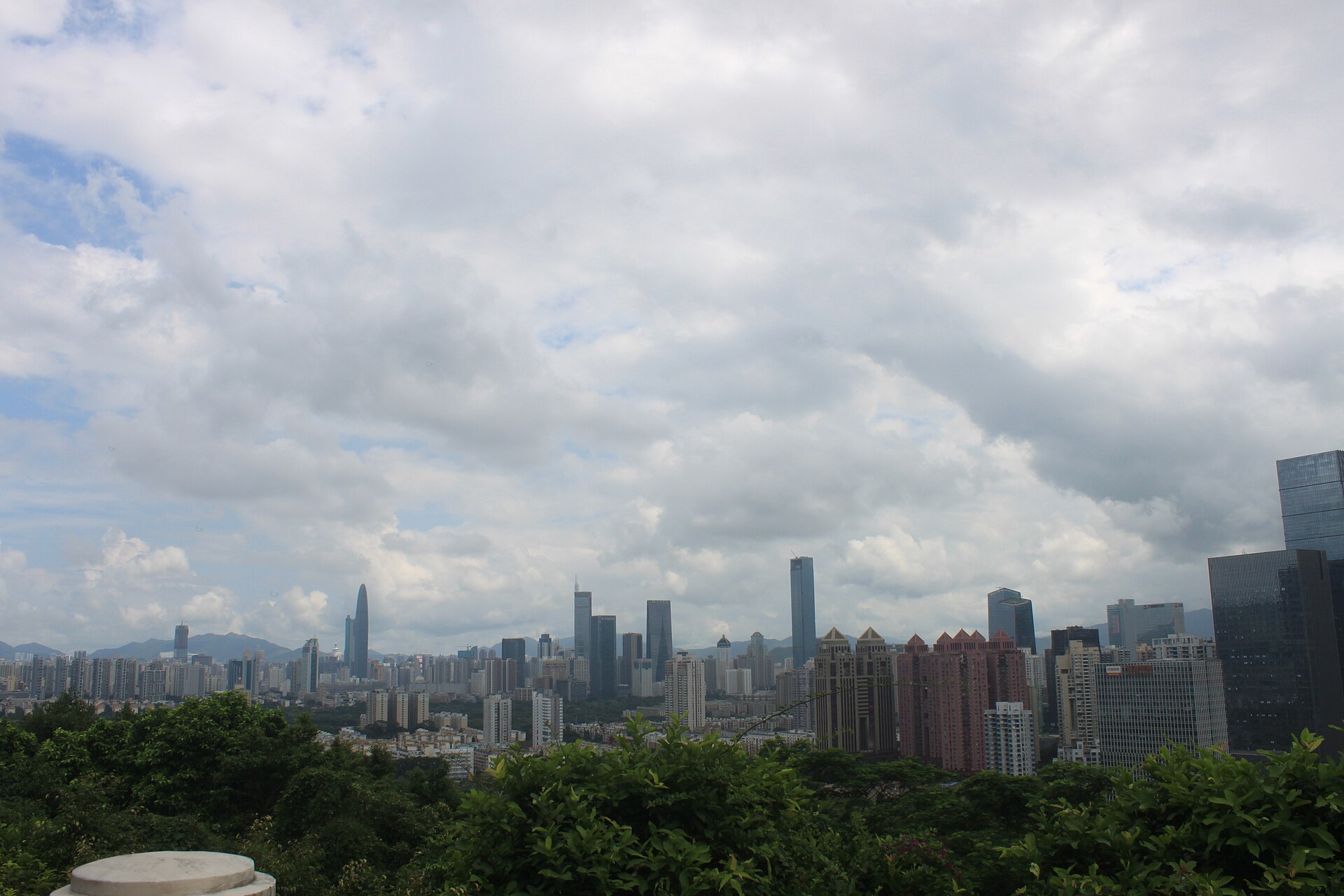
The summit changed nothing on the price of what you buy from China: no tariff was cut, and the trade truce still runs out on 10 January.
- On 19 November 2026, at the APEC summit in Shenzhen, Donald Trump, Xi Jinping and Vladimir Putin met together for the first time. Trump also met each of them separately.
- The three issued identical short statements, a 'Heads of State Declaration toward Peace': more refined fuel production for all countries, reform of the UN, and a line that 'a nuclear war cannot be won'. No numbers, no dates.
- The declaration does not mention Russia's war in Ukraine or the US war with Iran.
- On trade, no tariff relief was announced. Trump and Xi only agreed to draft an action plan for 'strategic stability'. The US-China trade truce, which pauses China's extra 24% tariff and its rare-earth export controls, still ends on 10 January 2027.
- Three days earlier the US tightened exports of advanced AI chips to five more countries, and Beijing threatened countermeasures. The next Trump-Xi meeting is expected at the G20 in Florida in December.
What did the three leaders actually agree?
A short statement on peace: more refined fuel for the world, a reformed UN, and no nuclear war. It has no numbers or dates, and it does not mention Ukraine or Iran.
What does it mean for US-China trade and prices?
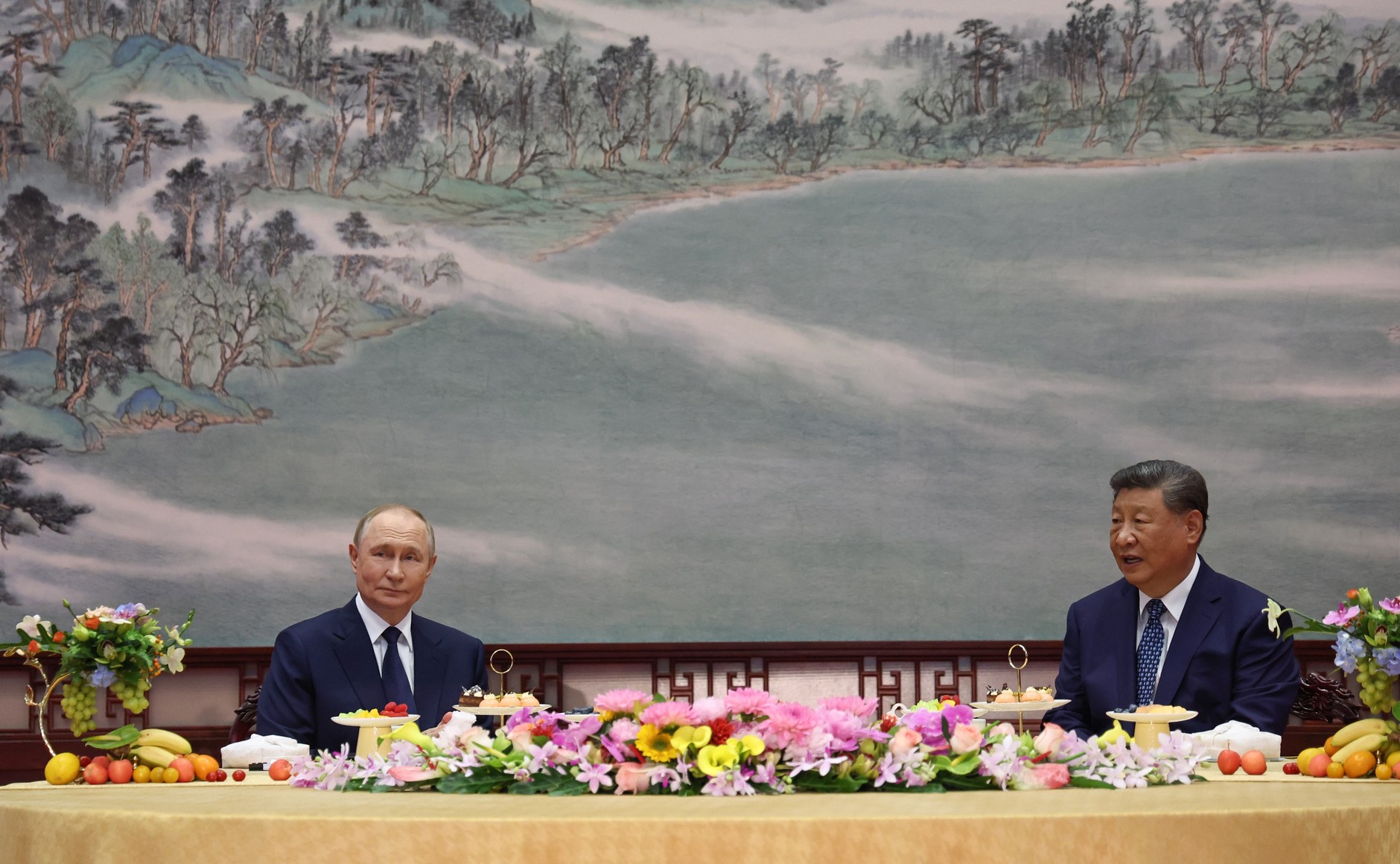
Nothing changed yet. No tariff was cut. The trade truce still ends on 10 January 2027, and a new US chip rule has already made Beijing angry.
What does it mean for oil and fuel prices?
Very little for now. The leaders promised more refined fuel but gave no amounts or dates. Attacks on ships near Hormuz are still pushing oil prices up.
UncertainWho gains and who loses?
Putin gains most: a seat beside the US and Chinese leaders and a peace statement that leaves out Ukraine. Xi gains as host. Ukraine and businesses waiting for tariff certainty get nothing new.
What did the three leaders actually agree?
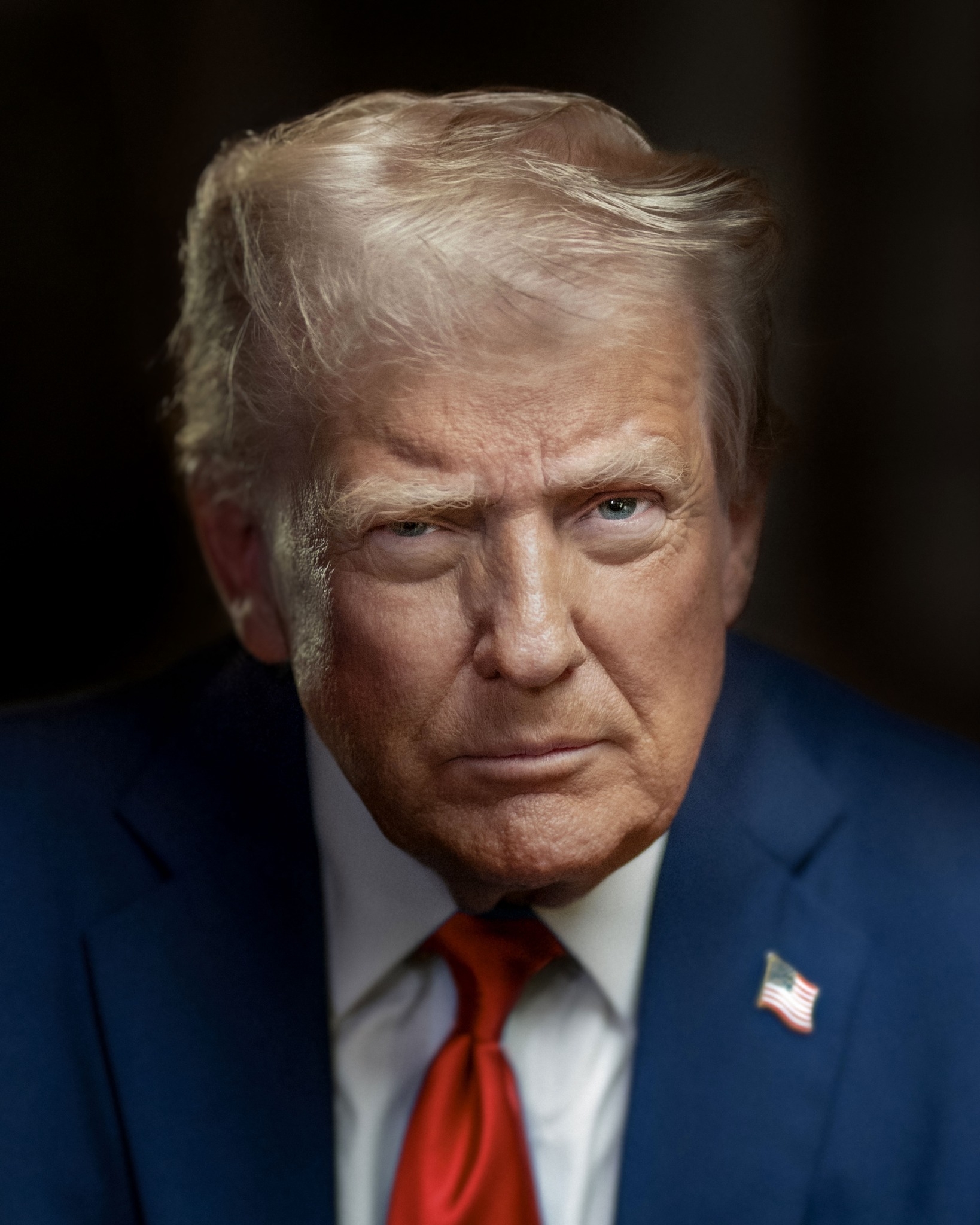
After the three-way talks, the White House, Beijing and Moscow released identical statements called a 'Heads of State Declaration toward Peace'. CNBC reports the three countries 'plan to increase the production and supply of refined petroleum products for the benefit of all nations', commit to 'reform' the UN so it can respond better to global problems, state that 'a nuclear war cannot be won and must never be fought' and promise dialogue on nuclear risks. They also said international courts such as the ICC 'must not abuse their jurisdiction'. CNBC calls the statements 'brief and broad, containing few details', and notes they did not mention Russia's war against Ukraine or the US war with Iran. Before the summit, the White House had said its priorities were nuclear weapons and the Middle East, and analysts expected no joint Ukraine statement. Accounts of the length differ: about an hour and a half (CNBC) or about 55 minutes of closed-door talks (Al Jazeera). Earlier the same day Trump and Putin met for about 40 minutes, their first meeting since the August 2025 Alaska summit; Trump said they have a 'great relationship'.
What does it mean for US-China trade and prices?
China Briefing reports that 'no tariff relief was announced' and no new trade deal was signed; Trump and Xi agreed only to draft an action plan for a 'constructive China-U.S. relationship of strategic stability', with no timeline. The truce, extended in September from November to 10 January 2027, pauses China's extra 24% tariff on US goods (its 10% tariff stays), China's October 2025 rare-earth export controls, Chinese port fees on US-linked ships and a US export-control rule on company affiliates, according to China Briefing's summary. A 12.5% US Section 301 tariff on Chinese goods has applied since 24 July 2026. A US-China 'Board of Trade' agreed in May to cut tariffs on about $30bn of goods each way met for the first time by video on 13 November, with no deal. The relationship is large: US-China goods trade was about $474bn in the first nine months of 2026. Pressure is rising, not falling: on 16 November the US Commerce Department required licences for its most advanced AI chips going to companies in Singapore, Thailand, Malaysia, Indonesia and Brazil, and China's commerce ministry said: 'If the U.S. persists, China will take countermeasures.' On farm goods, the US Treasury said in September that China was meeting its pledge to buy 25 million tonnes of US soybeans but was behind on $17bn a year of other farm products.
What does it mean for oil and fuel prices?
The only energy line in the declaration is the plan to increase 'the production and supply of refined petroleum products'. China Briefing notes it gives no volumes or timelines. Meanwhile attacks on shipping in the Strait of Hormuz 'continue to weigh on oil markets' (China Briefing), and Fortune reports oil prices have risen as ships are attacked. Before the summit, analyst Scott Kennedy told Fortune that Chinese and Russian help could get Iran to commit not to charge tolls on ships passing Hormuz, but the declaration does not mention Iran at all. Rated 'uncertain': a joint pledge by the world's largest oil producer, a top exporter and the largest importer could matter for diesel and jet fuel, but with no numbers it cannot yet be measured, and none of the sources read reports a price move after the summit.
UncertainWho gains and who loses?
For Putin, the summit is his first meeting with Trump in more than a year, and the joint text speaks of peace without naming the war Russia is fighting; the Kremlin said he left in 'an excellent' mood (Al Jazeera). Xi hosted the first three-way meeting of the world's biggest military and economic powers, and used APEC to pledge $20m for regional cooperation and a new research centre in Shenzhen (CNBC). Trump told Xi: 'We're looking to both help with respect to the war with Russia and Ukraine', but no Ukraine outcome was announced, so Kyiv loses ground in the sense that its war was left off the page. Companies that trade between the two largest economies gain no certainty: their next deadline is 10 January, and Fortune expects Trump and Xi to meet again at the G20 in Florida in December. Rated 'uncertain' because the real winners depend on whether the truce is extended and whether the fuel pledge turns into supply.
Domino Effect
The causal chain so far, dated from what the sources actually report. New dominoes append as they fall.
Short declarations often come before harder agreements. Trump and Xi are expected to meet again at the G20 in December, the two sides have a new action-plan process, and China is meeting its soybean pledge. If the 10 January deadline is extended again or replaced by the Board of Trade tariff cuts, the Shenzhen photo will look like the start of a calmer year, not a missed chance.
Corrections & revisions
noneEvery change to this analysis since publication, with the reason. We append here — we don't rewrite. A number that changes silently is indistinguishable from never having been wrong.
RSS feed- No corrections yet. When we get something wrong, the fix is logged here rather than quietly applied.
Sources
7 sources
Every source behind the Trust Index above. Follow them — a trust score you can't check is decoration.
- Trump, Xi, Putin said they plan to boost oil production, revamp UN after trilateral talks
- Trump meets Putin and Xi for trilateral US, Russia, China talks at APEC
- Trump praises 'great relationship' with Putin after meeting, as Ukraine war takes center stage
- China confirms Xi-Trump-Putin historic summit. What will be on the agenda?
- APEC 2026 in Shenzhen: What the Leaders' Meeting and Trump-Xi Talks Mean for Business
- What's at stake for Trump and Xi in Shenzhen: A trade truce deadline, new export controls, and Iran
- Trump and Xi buy two more months of trade truce, leaving tariffs and rare earths in limbo
Nothing here stands alone. This story is one node in a wider web — every card is another thread you can pull.