Democrats Won Congress. They Can Slow Trump's Iran War and Tariffs, but Not Simply Stop Them.
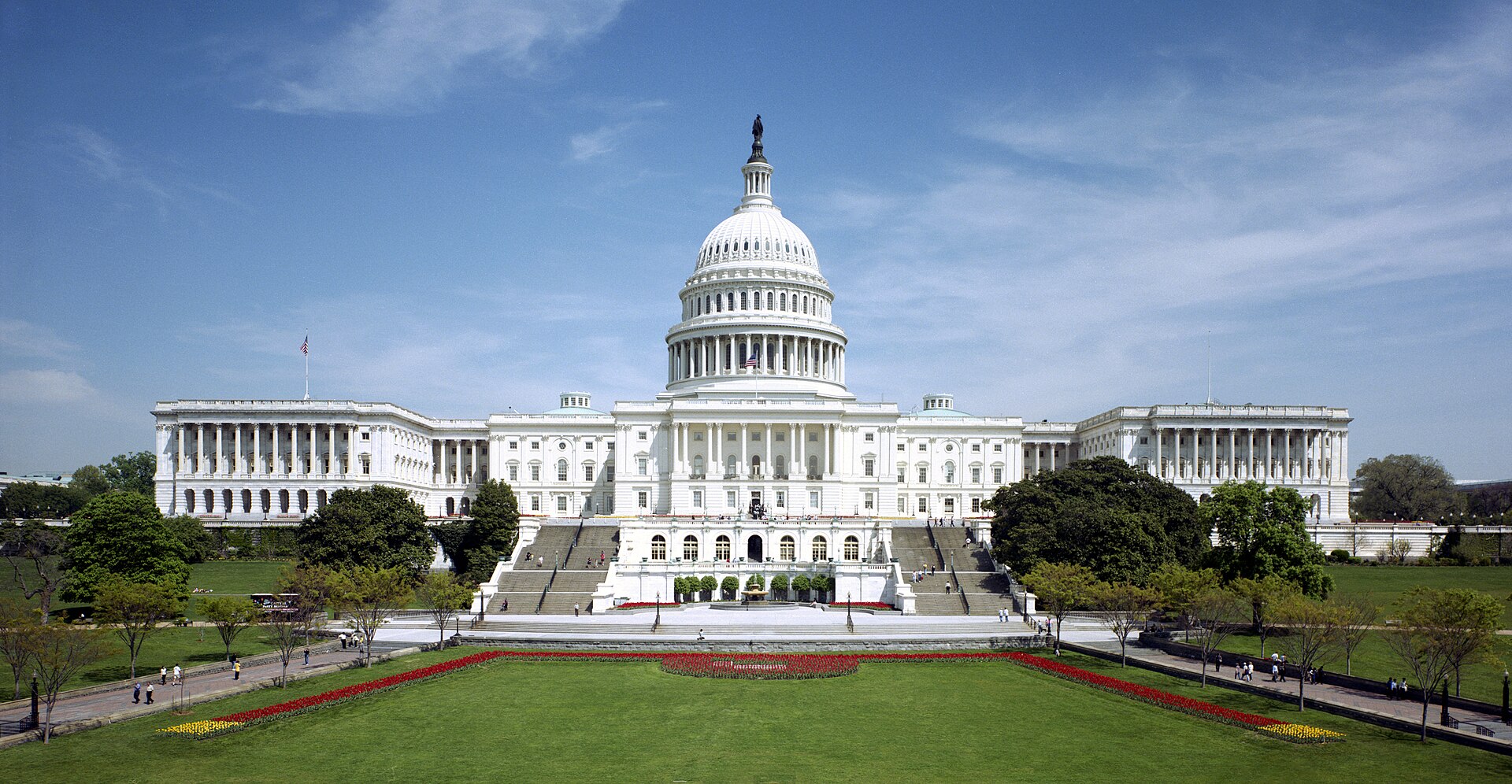
About two-thirds of voters said tariffs had hurt them; the new Congress can make those tariffs harder to keep, but it cannot just switch them off.
- In the 3 November midterms Democrats took both chambers of Congress. They flipped seven Senate seats, for at least 54 of 100, and hold at least 253 House seats, with some races still being counted.
- Trump keeps his veto. Beating it needs two-thirds of both chambers, 290 House votes and 67 Senate votes, so Democrats are roughly 37 and 13 votes short.
- On Iran, Congress already voted in June to direct US forces out of the war, and the White House ignored it. Democrats now plan to use money instead: current government funding runs out on 11 December.
- On tariffs, after the Supreme Court struck down Trump's emergency-law tariffs in February, he switched to other trade laws. One of them, Section 122, only lasts 150 days unless Congress extends it.
- Ukraine aid is the one area where analysts think Congress could gather enough votes to beat a veto.
What happened?
Democrats won control of both the House and the Senate on 3 November. They take over in early January. Trump keeps his veto, and Democrats do not have the two-thirds needed to overturn it.
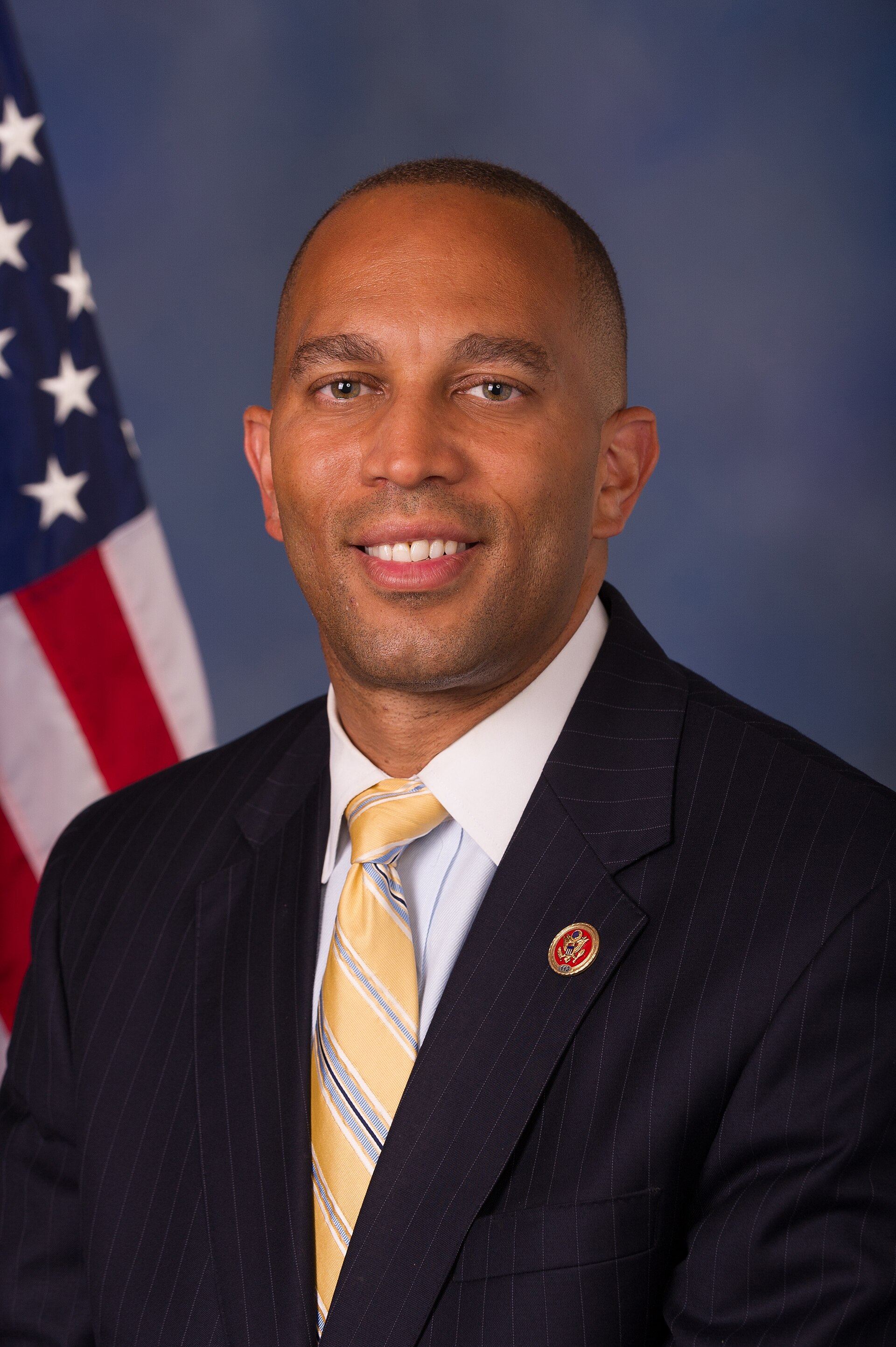
Can Democrats stop the Iran war?
Not by a simple vote: Congress already told the president to pull out in June, and he ignored it. Their stronger tool is money. Government funding runs out on 11 December, and some Democrats say they will not fund the war without an end date.
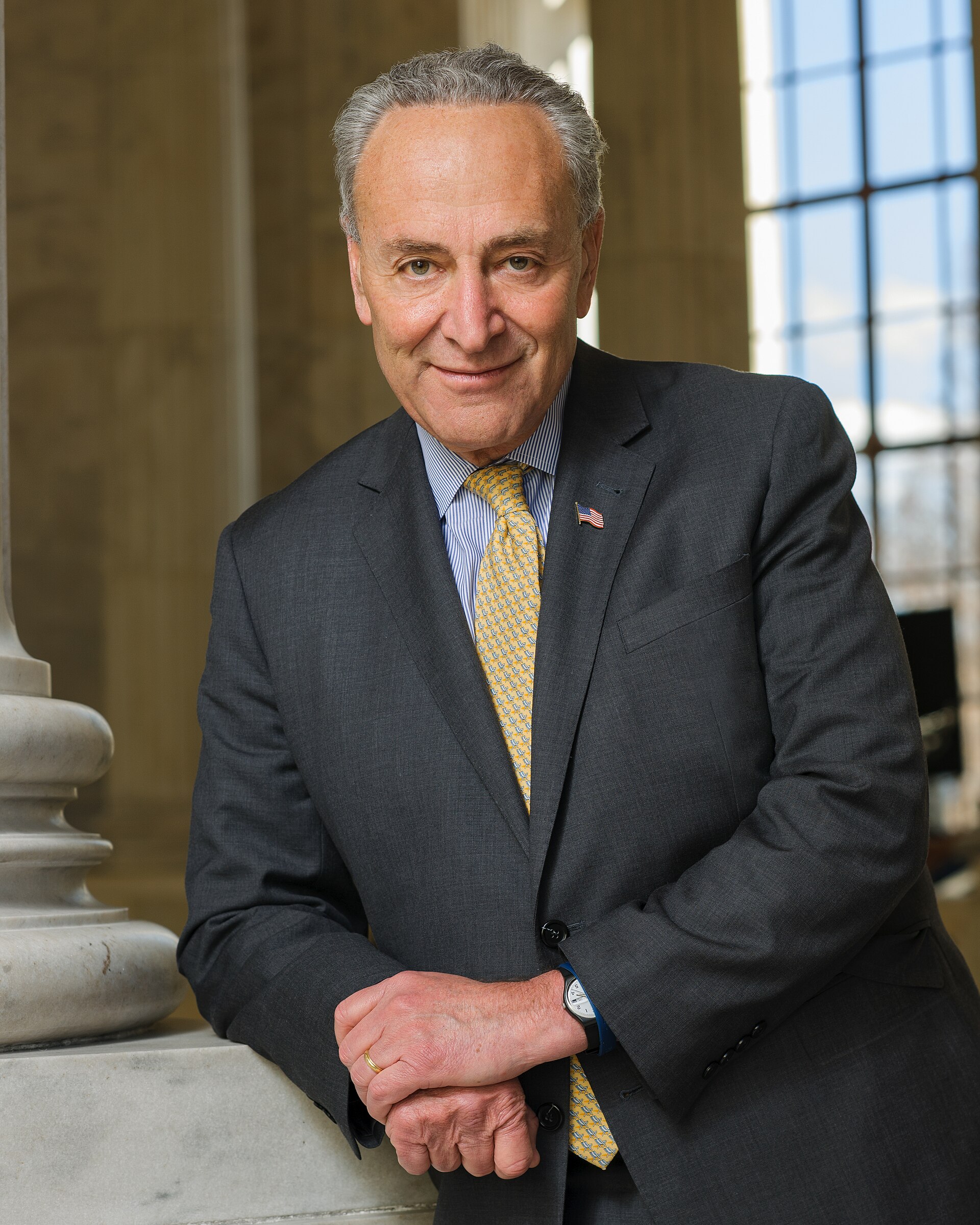
Can Democrats undo Trump's tariffs?
Only partly. Trump now uses several different trade laws. Repealing them needs veto-proof votes Democrats do not have. But one tariff law only lasts 150 days unless Congress extends it, and Congress can simply refuse.
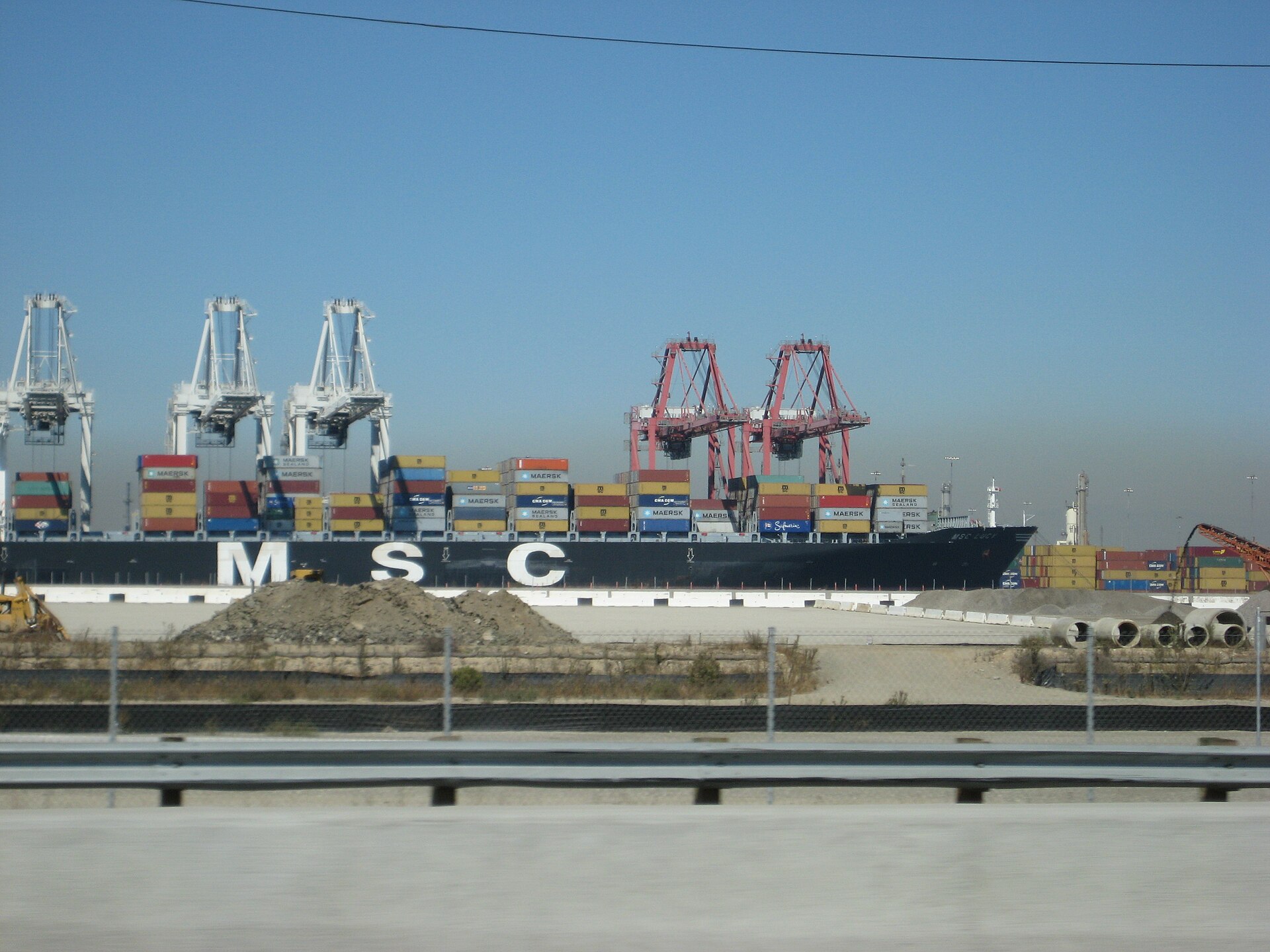
Who wins and who loses?
Ukraine may gain most: it is the one issue where enough Republicans might join Democrats to beat a veto. Trading partners like Canada get more room to resist. Trump loses his free hand but keeps his veto.
UncertainWhat happened?
NPR's tally of Associated Press race calls has Democrats flipping seven Senate seats held by Republicans: North Carolina, South Carolina, Ohio, Texas, Kansas, Iowa and Maine. The Senate was 53-47 Republican going in, so that puts Democrats at 54. Al Jazeera, on 5 November, put Democrats at 'at least 253' House seats and 'at least 54' Senate seats with some races still uncalled. The new, 120th Congress is seated in early January. To override a veto, Congress needs two-thirds of both chambers: 290 House votes and 67 Senate votes, which leaves Democrats about 37 and 13 short. Most Senate bills also still need 60 votes to get past a filibuster. Trump said on election night: 'I'll become Mr. Veto', and then that 'at some point we'll probably make deals.'
Can Democrats stop the Iran war?
The war with Iran began on 28 February, alongside Israel, without approval from Congress. Just Security counts about two dozen War Powers votes forced by Democrats. In June, H.Con.Res. 86 passed the House 215-208, with four Republicans, and the Senate 50-48: the first time since 1973 that both chambers directed a removal of forces. The administration ignored it. That type of resolution never goes to the president, and after the Supreme Court's 1983 Chadha ruling it is widely seen as not binding. A joint resolution would be binding but can be vetoed, and Democrats cannot override. So the new leaders talk about funding instead. Chuck Schumer has pointed to the 'power of the purse'; Senator Chris Murphy says Congress should not fund the Pentagon if the war runs into 2027 without a requirement that it end; Senator Chris Van Hollen says he will block any short-term funding bill that pays for the war after 11 December. Analysts quoted by Al Jazeera note Democrats have historically been reluctant to cut off military money. Rated 'likely' rather than 'confirmed' because these are stated plans, not votes yet held.
Can Democrats undo Trump's tariffs?
In February the Supreme Court struck down Trump's tariffs under the International Emergency Economic Powers Act (IEEPA). He moved to other laws. Just Security lists Section 122 of the Trade Act of 1974, used for a 10% charge on almost all imports for the first time in its 50-year history; Al Jazeera says the replacement order raised the rate from 10% to 15% and is 'limited to 150 days unless they are extended by Congress'. Foreign Policy lists the others: Section 301 (used against nearly every trading partner on forced-labour grounds, now in court), Section 232 (national security, extended even to bathroom fittings and lumber) and Section 338 of the 1930 Tariff Act, used for the first time ever, against Canada. Democrats have bills ready: the Reclaim Trade Powers Act to repeal Section 122, and a framework from Senator Ron Wyden to require Congress's approval for tariffs. Jeffries says the House will move to undo the tariffs. But taking back powers Congress has already handed over needs a law, and a law can be vetoed. Rated 'likely': the legal map is clear, but the sources disagree on the Section 122 rate, and none says exactly when its 150 days run out.
Who wins and who loses?
Just Security calls Ukraine 'the one file' where Congress could plausibly pass a law over a veto; a Reuters assessment it cites expects a new aid package would probably get two-thirds, though several Republican supporters are leaving Congress, so that majority is fragile. Foreign Policy reports that about two-thirds of voters said tariffs had hurt them, and a September Cato poll found 70% of Americans want the president to get Congress's approval before new tariffs, which gives trading partners such as Canada more room to wait Trump out. Bills on China technology controls, such as the Chip Security Act and the Remote Access Security Act, are expected to pass with support from both parties. Trump loses control of investigations and committees: every committee will have a Democratic chair. He keeps the veto and has said he does not want to spend his last two years 'vetoing everything'. Rated 'uncertain' because each of these depends on votes not yet held and on how many Republicans break with the White House.
UncertainDomino Effect
The causal chain so far, dated from what the sources actually report. New dominoes append as they fall.
Trump has the veto, the Senate filibuster still needs 60 votes, and Democrats have often been unwilling to cut off military funding while troops are deployed. Trump also said he will 'probably make deals'. A likely result is two years of hearings, investigations and blocked nominees, with the tariffs and the war policy changing only at the edges.
Corrections & revisions
noneEvery change to this analysis since publication, with the reason. We append here — we don't rewrite. A number that changes silently is indistinguishable from never having been wrong.
RSS feed- No corrections yet. When we get something wrong, the fix is logged here rather than quietly applied.
Sources
5 sources
Every source behind the Trust Index above. Follow them — a trust score you can't check is decoration.
- Democrats win full control of Congress, ushering in a new era of divided government
- Can Democrats stop Iran war, reverse Trump's tariffs after midterms win?
- Democrats won Congress. But can they deliver on their promises?
- Trump's Next Trade War Could Be With Congress
- What a Democratic Congress is Likely to Do on Foreign Policy
Nothing here stands alone. This story is one node in a wider web — every card is another thread you can pull.